
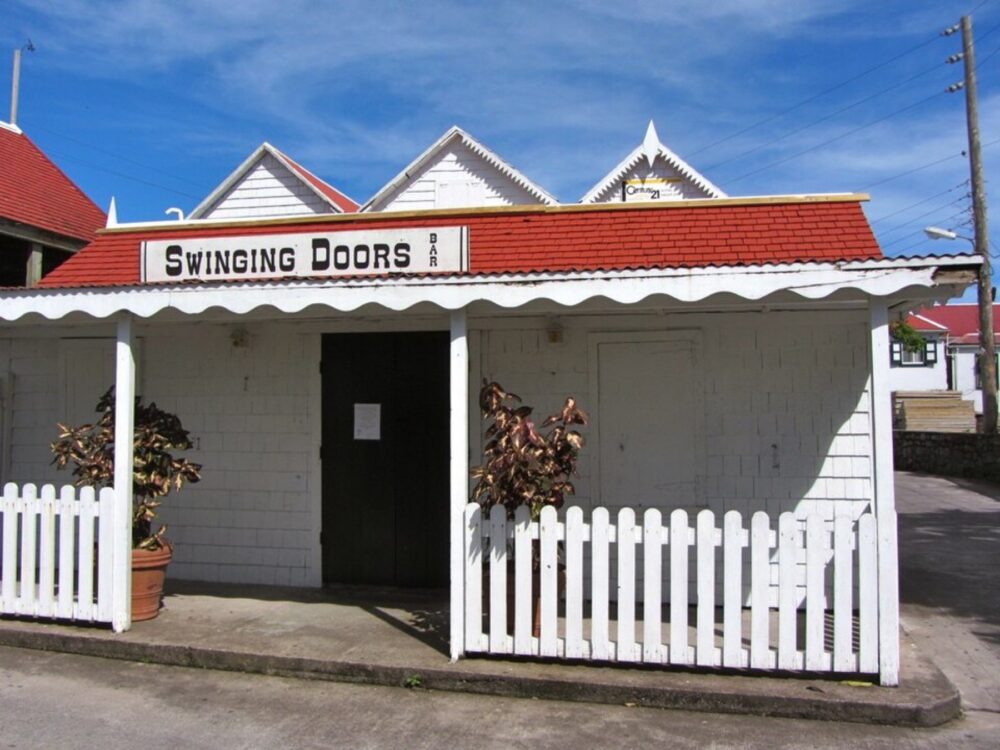
You can look for saloon-style and vintage swinging doors on DHgate, but you should treat every listing like a custom hardware order: search widely, check the dimensions and materials line by line, study seller ratings and reviews, and be ready to walk away if the listing is vague or mass‑produced rather than genuinely vintage. DHgate connects you to Chinese wholesalers and manufacturers, which can be useful for new saloon doors or café doors, but reclaimed or historically significant doors are rarely realistic to source there.
What Buyers Mean by Saloon and Vintage Swinging Doors
When people say “saloon doors,” they usually mean a short pair of swinging panels that meet in the middle, like an old Western bar entrance. In homes and small businesses, these show up as café doors between a kitchen and dining room, in a pantry opening, or at the entrance to a themed bar area.
Vintage swinging doors are broader: anything on double‑action hinges that looks period‑appropriate, from paneled wood doors with glass lights to more ornate cafe doors. Online manufacturers often copy the look using new pine or engineered wood, sometimes with faux distressing. Genuine reclaimed doors with a traceable history are a different category and typically sold locally or through specialized salvage dealers, not factory marketplaces.
On DHgate you’re most realistically looking at:
- New saloon/café door sets in unfinished or prefinished wood.
- Decorative swinging panels for bars and restaurants.
- Possibly glass or mixed‑material doors made to resemble vintage styles, similar to how sellers offer frosted glass shower doors in defined sizes and styles.
If you need exact compatibility with historic hardware or a landmark building spec, assume you’ll need in‑person sourcing or a custom shop rather than a generic cross‑border listing.
Key Buying Decisions: Size, Materials, and Seller Reliability
Before you even open DHgate, you need a clear spec. Swinging doors are unforgiving: a half‑inch mistake in width or a poor hinge choice can make them unusable.
Door sizing and clearances
Measure your opening in inches (or millimeters if the seller works in metric) and sketch the door pair. For interior saloon doors, think about:
- Total opening width vs. combined door leaf width.
- Height relative to use: classic saloon doors sit roughly between knee and chest height; café doors can be taller.
- Clearances around the frame so the doors can swing both ways without hitting trim.
DHgate’s own guidance for door categories (for example, frosted shower doors) emphasizes reading product size specs carefully and comparing to your opening. You can see that advice in the frosted glass door FAQ on DHgate’s blog: Frosted Shower Doors: Enhance Your Bathroom Privacy and Style. This applies just as strongly to swinging doors: do not assume “standard” means US standard, and don’t rely on a single marketing photo without a dimension diagram.
Materials and hardware choices
Common options you’ll see described in door listings include:
- Solid wood (often pine or other softwood) — easier to re‑finish, but dents more easily.
- Engineered wood or MDF — stable and cheaper, but may not hold screws well for heavy swinging use.
- Glass inserts or fully glass panels — attractive but fragile and heavy, which raises shipping and installation risk.
Look for clear statements of thickness, finish (unfinished, lacquered, stained), and whether hinges are included. Many saloon door sets need double‑action hinges that allow the doors to swing both ways and self‑center; a listing that only mentions generic hinges may require you to source proper hardware separately.
Evaluating seller reliability for bulky, fragile items
Swinging doors are heavier and more breakable than simple decor, so seller reliability matters more than usual. DHgate provides seller ratings and customer reviews that you can use as evidence of past performance; its own editorial guidance recommends checking ratings, reviews, and product descriptions carefully.Navigating DHgate blog
For door‑type items, pay attention to:
- Star rating and feedback scores: higher is generally better, but focus on reviews mentioning doors, furniture, or other large items.
- Photos in reviews: do the delivered doors look like the listing photos? Are edges chipped or panels warped?
- Description quality: serious suppliers tend to have detailed spec tables, multiple photos, and consistent terminology.
DHgate’s editorial advice on sourcing highlights checking ratings, reviews, and transaction history, and even ordering samples before larger commitments.Ecommerce sourcing blog For doors, that might mean one or two sets for your own space before you decide to list them in a US store.
A simple comparison table can help you judge candidate listings:
| Checkpoint | Strong listing example | Weak listing example |
|---|---|---|
| Size specs | Exact height/width, thickness, opening range clearly stated | Vague “fits most doors” with no measurements |
| Material description | States wood species or panel material and finish type | Just says “wooden” or “vintage style” |
| Hardware information | Mentions double‑action hinges, quantity, and finish | Only says “includes accessories” or omits hardware |
| Seller ratings and reviews | Many reviews over years, photos of similar doors | Few or no reviews, ratings unrelated to doors/furniture |
| Listing photos and diagrams | Multiple angles plus dimension diagram | One stylized photo, no technical images |
If most of what you see looks like the weak listing example, consider it a higher‑risk purchase.
Using DHgate to Search, Filter, and Judge Door Listings
On DHgate, you’re responsible for translating your door spec into search terms and filters, then deciding whether a listing is strong enough to trust.
1. Start with targeted keywords in the search bar
Go to the DHgate homepage and use the search bar at the top. Try several variations, for example:
- “saloon doors”
- “cafe swinging doors”
- “western bar doors”
- “vintage style swinging door”
If you need taller doors, add words like “interior” or “double swing”. Don’t assume the first page shows everything; some sellers use slightly different English phrases.
2. Use filters and categories to narrow relevant results
Once you see results, use available filters (category, material, style) to weed out unrelated items. DHgate’s sourcing guidance suggests using filters to match your criteria, then evaluating suppliers in more detail.Ecommerce sourcing blog
Aim to get down to a short list of listings that clearly look like door panels rather than small decorative signs or miniatures.
3. Read each listing like a spec sheet
Open promising listings and go through every section: title, photos, description, and specs. For door‑like products (including the frosted glass doors DHgate highlights in its own content), the platform’s editorial advice is to compare measurements carefully against your space.Frosted Shower Doors blog
Create a quick notes document for each option so you can compare them against your opening size and hardware needs. Prioritize listings where measurements, materials, and hardware are all spelled out in consistent units.
4. Use ratings, reviews, and seller profiles to filter out weak options
DHgate’s own FAQ about choosing sellers stresses three concrete actions: reading customer reviews, checking how long a seller has been active, and looking at star ratings and feedback scores before buying.Legit seller FAQ
Apply that to swinging doors by asking:
- Are there multiple reviews over a period of time, not just a handful from last week?
- Do buyers mention quality of wood, finish, or how the doors swing?
- Does the seller have a broad catalog of home hardware, or only a few random listings?
If you’re planning to resell doors in the US, consider messaging the seller with a short checklist: confirm dimensions in your units, ask about hinge type, and request a photo of a recent batch.
You can also cross‑reference guidance on evaluating DHgate vendors with our page on finding trusted sellers on DHgate, which walks through common red flags.
5. Decide whether DHgate or another channel fits your project
There are scenarios where DHgate makes sense for saloon or vintage‑style swinging doors, and scenarios where it doesn’t:
- Weak fit: You need truly vintage, reclaimed doors with specific provenance, or you’re installing doors in a regulated commercial or historic space where local codes and inspections apply.
In those weak‑fit cases, US buyers usually have better luck with reclaimed lumber yards, architectural salvage shops, or local carpenters who can build custom swinging doors to spec. That route also lets you inspect the doors in person before paying.
Before you check out on any DHgate door listing, it’s worth running through a broader cross‑border checklist, including your measurements, total landed cost, and installation plan. Our DHgate order‑readiness checklist gives a structured way to do that.
If you’re still undecided about whether DHgate itself is the right marketplace for your project, you can step back and review how the platform works in general via our overview of what DHgate is and how it works. That bigger picture helps you decide if saloon or vintage swinging doors sourced there fit into your business model or home upgrade plans.