
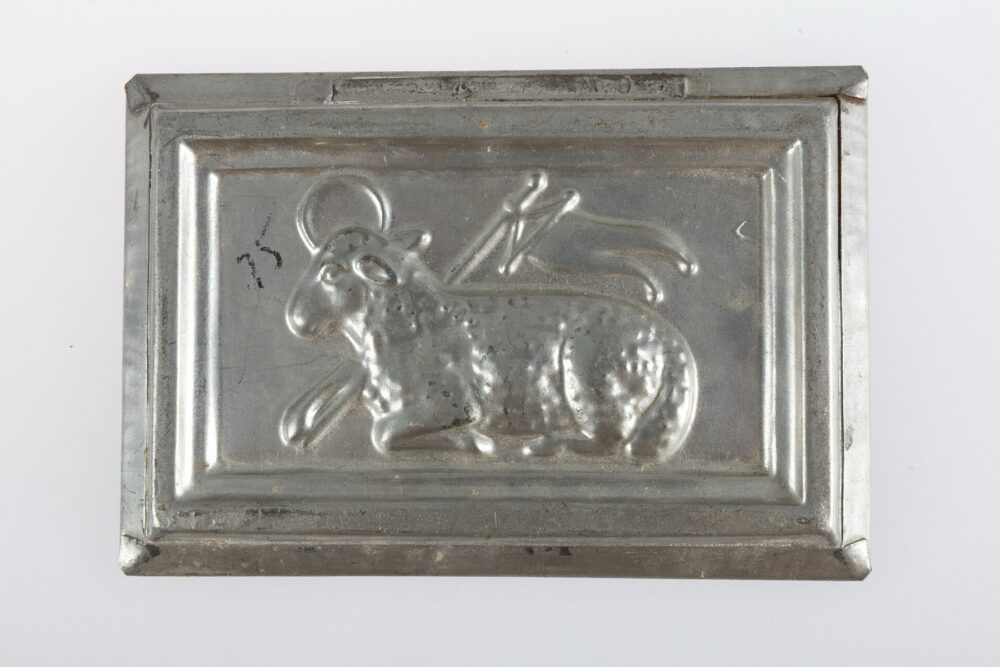
The main reason lamb cakes fail is usually not your decorating skills, it’s the mold and how it matches your batter. You’ll get far fewer cracked necks, broken ears, and stuck-on faces by choosing a sturdy two-piece metal lamb mold, pairing it with the right dense batter, and prepping it with thorough greasing, flouring, and a full cool-down before unmolding. Vintage aluminum or cast-iron pans can be very reliable if their surfaces are intact and you can see clear photos; light, shallow or flexible molds are more likely to give you a slumped lamb.
For occasional home bakers, that might mean hunting down one good vintage mold and babying it. For a small ecommerce bakery that wants to sell lamb cakes every Easter, it usually means investing in heavier-duty molds, testing release methods, and avoiding mold styles that are known for collapse.
What Lamb Cake Molds Are and Why So Many Lamb Cakes Fail
A lamb cake is a traditional Easter dessert baked in a lamb-shaped mold, common in Central European families and now popular in many parts of the US. The mold creates a three-dimensional lamb that usually stands upright on a serving plate, decorated with buttercream “wool” and candy eyes.
Because the cake is tall, narrow at the neck, and detailed around the ears and face, several failure patterns show up again and again:
- Sticking to the mold: The face and ears often weld themselves to the pan, so the lamb emerges faceless or missing chunks.
- Uneven baking: The lamb’s body can be cooked while the thicker neck or head stays underdone, then collapses.
- Structural collapse: The neck, ears, or nose break off when you open the mold or stand the lamb upright.
Guides like ChefsResource’s lamb mold tutorials and roundups of lamb cake disasters point to a few root causes:
- Wrong batter style: Light, airy batters (like boxed mix) don’t have enough structure to stand tall. Dense pound-cake or butter-cake style batters hold shape better.
- Poor mold prep: Skipping thorough greasing/flouring or a good-quality baking spray makes sticking almost inevitable in detailed molds.
- Mold design issues: Shallow, single-piece, or very lightweight molds may not align well or heat evenly, increasing cracks and hot spots.
If you translate the horror stories into mold features, the picture is clear: you want a mold that heats evenly, locks together firmly, and has enough depth to support a dense batter.
Lamb Mold Materials and Designs: Vintage vs Modern
Not all lamb molds behave the same in the oven. The material and design matter more than branding.
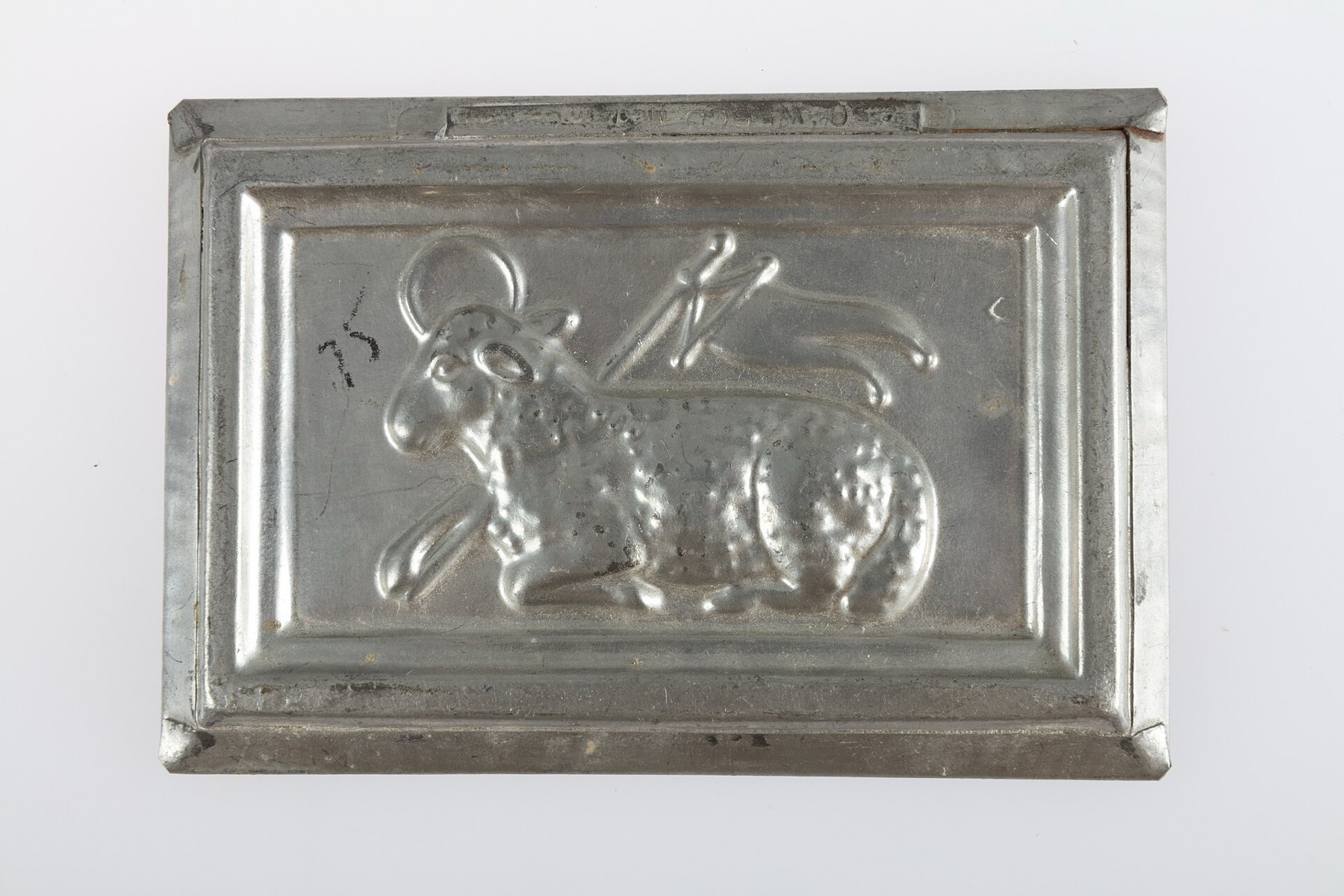
Here’s how the common types break down:
| Mold type | Typical material | Pros for lamb cakes | Common failure risks |
|---|---|---|---|
| Vintage two-piece lamb pan | Cast aluminum/aluminum | Even heating, good detail, proven with dense batters | Surface wear or warping can cause sticking |
| Cast-iron lamb mold | Cast iron | Excellent heat retention, crisp details when prepped well | Heavy; needs specific greasing and bake times |
| Modern 3D lamb cake pan | Nonstick metal | Designed for upright lambs, usually two interlocking halves | Overfilling or wrong batter causes overflow |
| Silicone lamb or 3D mold | Silicone | Very nonstick, flexible for release | Can be too floppy; sides bow, shape can slump |
Recent buying guides such as KitchnAdvisor’s vintage lamb mold roundup highlight vintage aluminum and cast-aluminum pans as reliable options if they’re in good condition. These pans were designed for dense holiday cakes and typically have a solid latch or alignment system to keep the two halves together.
Cast-iron lamb molds are a more niche but powerful choice. Recipes from sites like IronsideWear emphasize heavy greasing and flouring of both halves and careful monitoring of bake time to avoid underbaking inside the thickest areas. When you respect those requirements, cast iron can give incredibly sharp lamb features and a sturdy structure.
Modern 3D lamb pans, often sold by mainstream bakeware brands, typically use two interlocking halves with a vent or fill line. Guides on 3D lamb molds, like KitchenPanGuide, stress using a thicker batter and filling only to the manufacturer’s recommended level; otherwise, batter leaks or overflows and the lamb bakes unevenly.
Silicone lamb molds and DIY 3D designs are attractive for their nonstick and novelty shapes. Editorial and DIY sources (including silicone casting guides on sites like EatHealthy365) show they’re better for smaller lambs or candy than for tall, freestanding cakes. The flexibility that makes silicone easy to unmold can also make it easier for the lamb to warp or lean.
How to Buy a Lamb Cake Mold That Won’t Ruin Your Cake
Once you know how lamb cakes fail, you can shop with a very specific checklist. The goal is simple: a mold that bakes evenly, releases cleanly, and lets the lamb stand without surgery.
Prioritize these mold features
For both home baking and micro-bakery production, look for:
- Two-piece, locking design: The halves should align with pins or clips so the lamb’s face and body line up. Loose-fitting halves are a recipe for crooked necks.
- Heavier-gauge metal: Cast aluminum or cast iron handle deep, dense batters better than very thin stamped metal.
- Good interior detail, but not razor-sharp edges: Deep detail helps the lamb look like a lamb, but extremely sharp edges can be weak points that break.
- Stable base surface: The mold should be designed to bake the lamb lying on its side, then stand it on a flat back or belly without wobbling.
Micro-checklist for vintage listings (Etsy, eBay, Mercari, Whatnot, thrift photos):
- Can you see both halves clearly, inside and out?
- Are there scratches, pits, or corrosion where batter will touch?
- Do the clips, hinges, or pins look intact and aligned?
- Does the seller show the full dimensions so you can match it to your oven and recipe?
If any of those are missing or vague, treat it as a potential failure risk and either ask for more photos or move on.
Match mold choice to your batter and release method
Best-practice guides like ChefsResource’s lamb mold instructions and release-focused advice from EatHealthy365 strongly recommend:
- Using a dense, sturdy cake batter (pound cake, butter cake, or a specific lamb cake recipe) instead of light boxed mixes.
- Thoroughly greasing and flouring every crevice of both mold halves, or using a high-quality baking spray with flour.
- Letting the lamb cool in the mold for a defined period before opening, then cooling fully before standing it up.
As you shop, think of the mold as part of a system: a cast-iron mold demands more careful prep and timing but rewards you with crisp detail; a vintage aluminum pan is more forgiving but still needs diligent greasing.
Channel comparison: local, vintage-focused, and cross-border options
Different channels suit different buyers:
- Thrift and antique stores: Best if you want to hold the mold, check weight, and inspect every surface. Selection is hit-or-miss, but you avoid shipping and can walk away from damaged pieces.
- Etsy, eBay, Mercari, Whatnot: Good for specific vintage brands and styles. Many sellers specialize in bakeware and show detailed photos. Your main job is scrutinizing images and asking about warping, damage, or odors.
- Specialty retailers (Nordic Ware-type lamb pans): Reliable for new, food-grade molds with clear instructions and fill levels. These are a strong fit for small ecommerce bakers who need repeatable results year after year.
- Global marketplaces (including DHgate): Useful for generic baking molds and novelty shapes, but lamb-specific pans may be limited. If you search a marketplace like DHgate, filter for bakeware, verify that the mold is labeled food-grade, check seller reviews, and look closely at the shape to make sure it’s a true freestanding lamb and not a flat relief or candy mold. Cross-border options can work for experimenting with silicone or decorative molds, but they’re less predictable for a heritage dessert where failure is costly.
If you rely on marketplaces often, it’s worth understanding how they work overall; for example, you can read neutral context in this overview of DHgate as a platform and then apply those marketplace habits to bakeware hunting.
For a home baker making one lamb a year, the best value is usually a single well-kept vintage aluminum or modern 3D metal mold sourced from a seller who provides clear photos and dimensions. For a small online bakery, the smart move is buying multiple identical molds from a specialty brand or consistent vintage source, running test bakes with your chosen batter and release routine, and retiring any pan that starts to pit or warp.
Lamb cakes have a reputation for drama, but once you match the right mold to the right batter and prep, most of the “lamb fail” stories become entirely avoidable.