
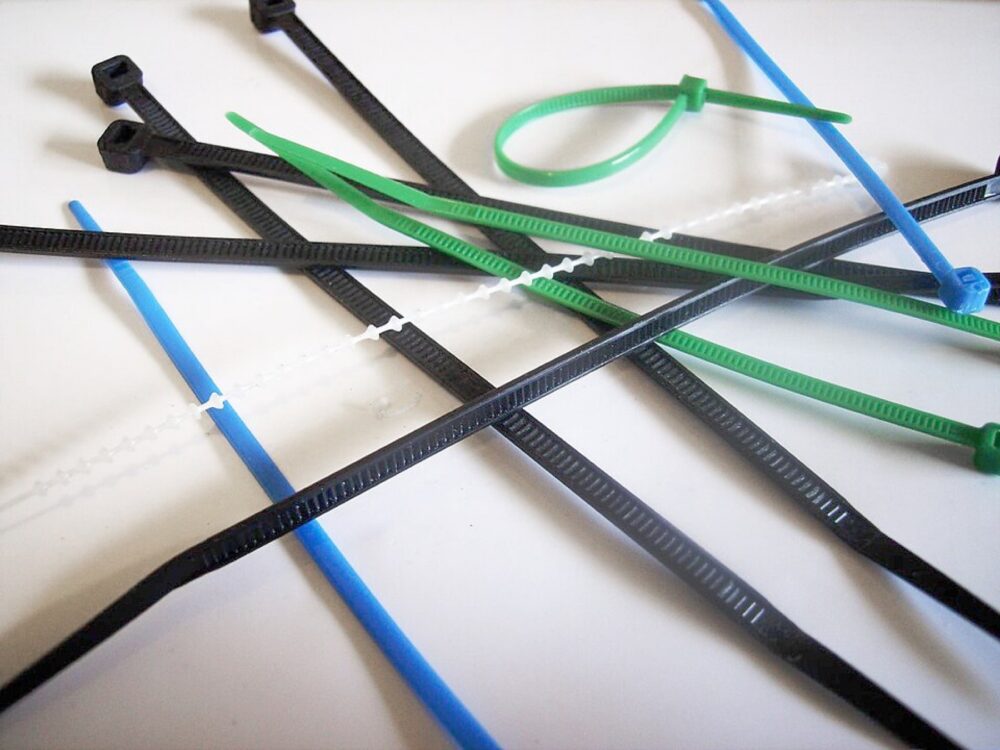
Durable cable tie buckles and matching ties are easy to buy online in Australia. For light wiring and car repairs, consumer nylon clips and standard zip ties from big retailers are usually enough and cost only a few dollars per multi‑pack. For harsh or structural jobs—outdoor, marine, warehouse racking—you’re looking at stainless steel cable ties or full banding + buckle systems from industrial suppliers, which cost more per unit but last longer. Cross‑border marketplaces expand bulk options, but you need to pay closer attention to material specs and seller quality.
What cable ties and buckles actually are—and when you need each
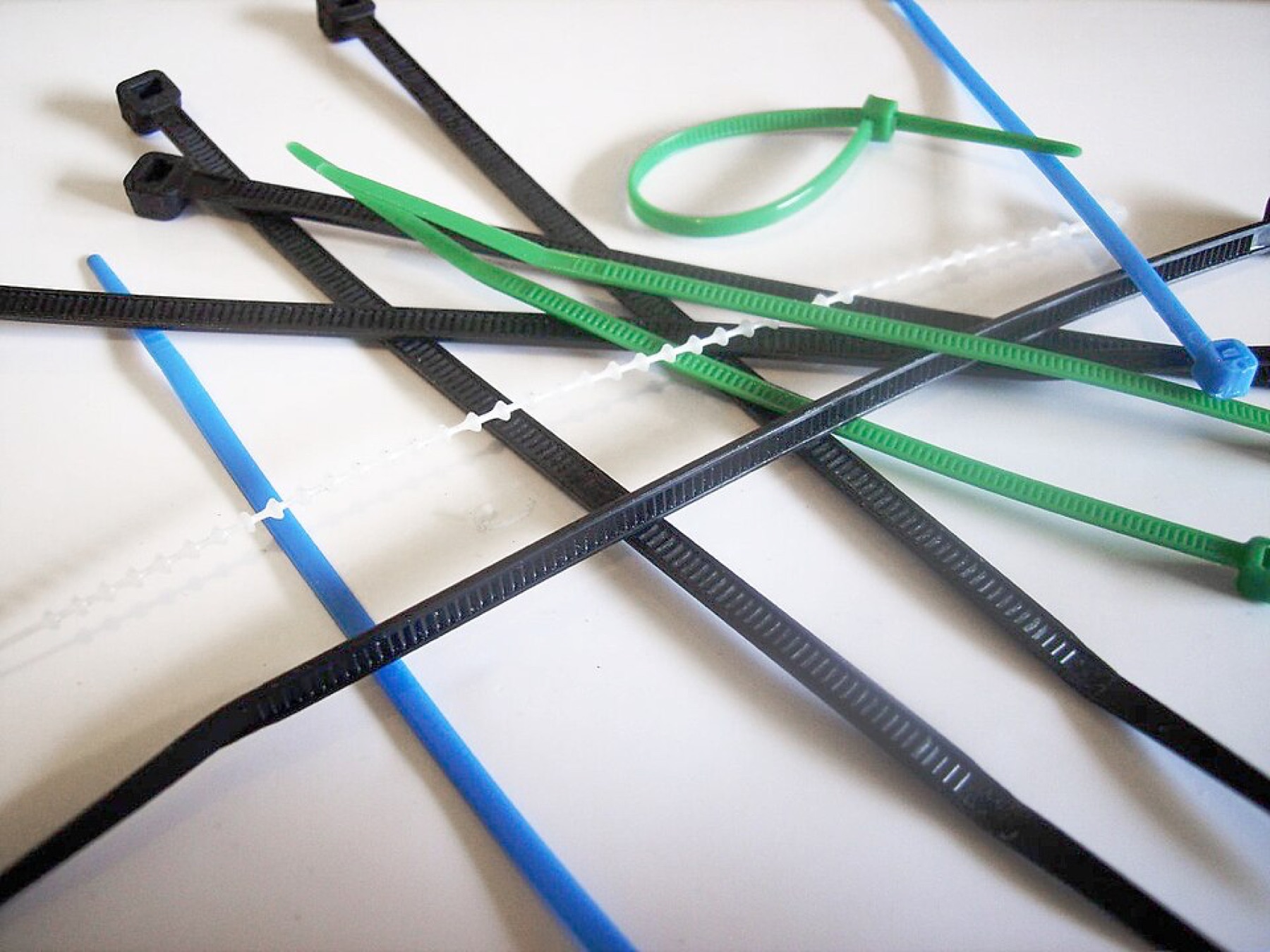
A standard cable tie (zip tie) is a one‑piece fastener: a nylon or metal strap with built‑in teeth and a locking head. You loop it around cables, pull it tight and cut off the tail. That’s what most electricians, PC builders and DIY car owners use day‑to‑day.
A cable tie buckle is different. It’s a separate clip or hardware piece that works with a strap:
- Small nylon buckles that accept standard zip ties and act as a mounting or re‑routing point (common in automotive wiring looms).
- Metal buckles used with stainless steel banding or strapping for very heavy loads.
Australian consumer listings like BIG W’s multipack nylon “universal cable tie buckle” are marketed for car repair and wire bundling—exactly the sort of job where you want to route and anchor cables without drilling a new hole or using a metal clamp.BIG W nylon cable tie buckles show how these are sold: large quantities, light‑duty nylon, and sized to fit common zip ties.
For warehouse racking, signage, outdoor pipework or bundling cables on towers or in marine environments, you often move beyond simple nylon ties. Australian hardware suppliers such as Allmat’s stainless banding and buckles highlight that strapping + buckle systems sit alongside cable ties as a heavier‑duty fastening option.
A quick way to decide what you need:
- Automotive interior wiring: Nylon cable ties + small nylon buckles.
- Electronics bench or ecommerce shelving: Standard or releasable nylon cable ties, possibly with adhesive mounts.
- Outdoor, marine, industrial fixtures: Stainless steel cable ties or stainless banding with dedicated buckles.
Types and specs: nylon, stainless and banding systems
Durability comes down to material, design and whether you need the joint to be reusable.
Key material options
Here’s a compact view of the main choices you’ll see in Australian catalogues:
| System type | Typical material | Durability & strength (editorial) | Common Australian use cases |
|---|---|---|---|
| Standard cable ties | Nylon | Good general strength; can degrade in harsh outdoor UV | Electrical wiring, IT cables, light bundling |
| Stainless steel cable ties | Stainless steel | Stronger and more corrosion‑resistant than nylon | Harsh environments, outdoor, industrial |
| Banding + separate buckles | Stainless steel band | Heavy‑duty fastening; suited to structural securing | Signage, large bundles, industrial pipework |
| Nylon cable tie buckles + zip ties | Nylon buckles + ties | Similar to nylon ties; adds routing/mounting options | Automotive repair, wire bundling, tool storage |
Australian makers such as NPA explicitly market stainless steel cable ties as stronger and more corrosion‑resistant than nylon, aimed at harsh environments. Stainless is a sensible upgrade anywhere UV, salt or chemicals will attack standard plastic.
Buckle + band systems like those listed by BANDTITE use stainless strapping that you cut to length and secure with a separate buckle. That gives you:
- Higher load capability than most single nylon ties.
- Flexible sizing for odd‑shaped bundles, large ducts or posts.
- A more permanent, tamper‑resistant joint.
Design features: self‑locking vs releasable, reusable vs single‑use
Within each material, design details matter:
- Self‑locking nylon ties and buckles are single‑use: once tightened, you cut them off to remove. That’s fine for most automotive and cable bundling jobs.
- Releasable nylon ties include a small tab you can lift to reopen the lock. Good for temporary routing in data centres or ecommerce warehouses where layouts change often.
- Hook‑and‑loop straps with metal buckles (also sold by general retailers) are soft, reusable and ideal for tool wraps or cable bundles that you open daily.
- Stainless banding systems use a tensioner tool and buckle. These are semi‑permanent and aimed at heavy fastening rather than daily adjustment.
In practice: a small ecommerce business organizing pick‑faces and cables around packing benches can usually standardize on nylon ties, some releasable variants, and a handful of nylon buckles to anchor bundles to shelving. A mechanic working on late‑model cars will want heavy‑duty nylon buckles that accept common zip ties, plus stainless ties for the engine bay.
Where to buy online in Australia and typical price bands
Durable cable ties and buckles are sold into three rough channels: consumer retail, trade/industrial, and electronics catalogues. Cross‑border marketplaces sit alongside these for bulk.
Consumer and light‑duty buyers
For car repair, home wiring and general organization, large retailers list multi‑packs of nylon cable tie buckles and zip ties. BIG W’s universal nylon buckles pack is a typical example: hundreds of small plastic clips in one bundle, marketed for automotive repair and wire bundling.BIG W cable tie buckle pack suggests consumer‑grade pricing—usually low per pack, designed for casual users rather than certified trade.
You’ll see similar products via supermarket online stores and general marketplaces: self‑locking nylon buckles, hook‑and‑loop straps with metal buckles, and assorted zip ties. These are fine for non‑critical applications where you can visually inspect and replace them if they age.
Trade and industrial buyers
If you’re buying for a workshop, warehouse or small ecommerce operation, trade‑oriented suppliers will give you better control over specs and volume. Australian distributors such as Boltmasters list ranges of cable ties for trade customers—typically covering different lengths, strengths, colors and sometimes UV‑stabilized or specialty materials.
Heavy‑duty fastening, such as securing pipes, cables or signage outdoors, often uses stainless steel solutions. Suppliers like Allmat’s stainless banding and buckles and global brands showcased on BANDTITE’s products page sell strapping systems with separate buckles. Expect these products to cost more per fastening than nylon, but to be the right choice when failure is expensive.
Typical pattern rather than exact prices:
- Small trade bags of nylon ties: economical per tie, good for routine consumables.
- Stainless steel ties: noticeably higher per unit, justified by strength and corrosion resistance.
- Strapping + buckle systems: bought in rolls and boxes; your real cost is per installation, which drops as volume rises.
Electronics and specialist cable management
Electronics catalogues such as DigiKey Australia stock thousands of cable tie variants. The focus here is on:
- specific materials (halogen‑free, heat‑resistant, stainless),
- labelling/color‑coding,
- and compatibility with electronics standards.
If your ecommerce business is shipping assembled control panels or you need ties that meet particular electrical specs, this catalogue‑style sourcing is often better than generic retail. You can filter by material, length, width and operating environment, then buy in packs that match your forecasted build volumes.
Cross‑border marketplaces and DHgate
For larger, price‑sensitive orders—say you want thousands of nylon buckles or mixed cable tie kits—cross‑border marketplaces can be relevant. DHgate, for example, hosts global sellers that may list bulk packs of cable ties and plastic or metal buckles.
Because these are international listings, treat them as one option among many, not an automatic upgrade over local supply. Before committing to volume, especially for anything safety‑critical:
- Match the material (e.g., standard nylon vs stainless steel) to your use case.
- Check seller ratings and feedback over time, not just a single high score; DHgate’s marketplace model means quality varies by seller.
- Confirm dimensions and compatibility so your chosen buckles fit the cable ties you already stock.
If DHgate or another marketplace looks attractive, it can help to first understand how DHgate works as a platform via background pieces such as What DHgate is and how the marketplace works, and then apply a structured check of seller reliability using guidance like Find trusted sellers on DHgate and the DHgate order‑readiness checklist before checkout.
For most Australian buyers, the practical path is: buy light‑duty nylon buckles and ties from domestic retail or trade suppliers; move to stainless or banding + buckles when the environment demands it; and only use cross‑border marketplaces for bulk if you’re comfortable verifying specs and seller quality yourself.