
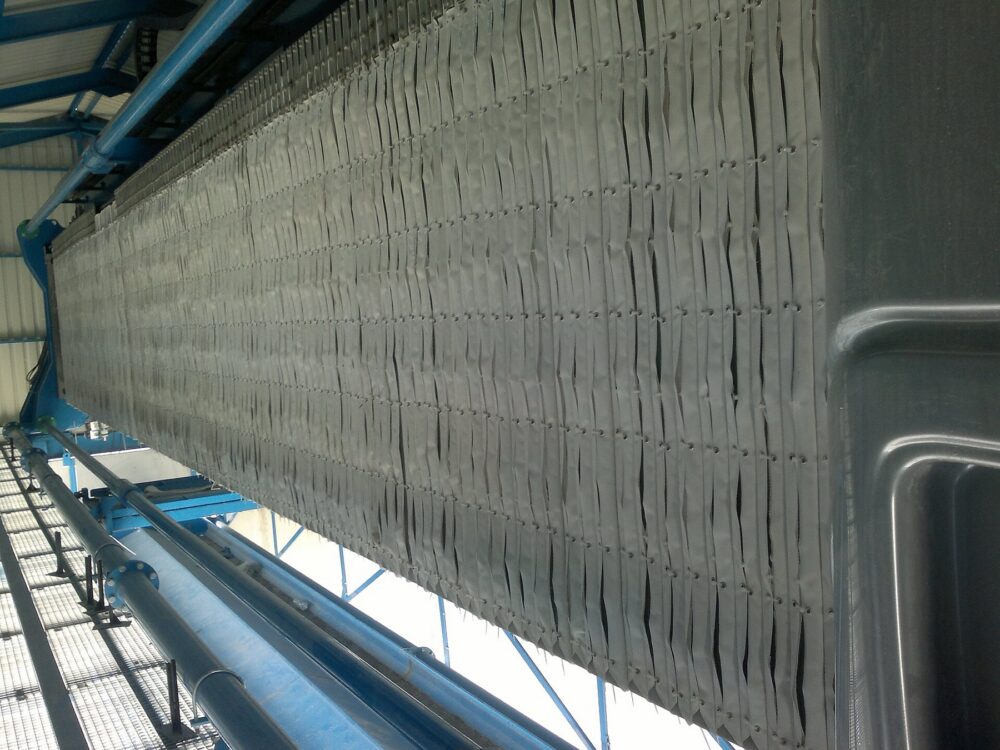
Filter cloth and filtration fabric are usually the same thing: textile media that separate solids from liquids or gases in industrial and drainage systems. Technical literature often treats “filter cloth” and “filter fabric” as interchangeable for filter presses and similar equipment, so differences in price and online availability are driven far more by material type, construction, weight, and sourcing channel than by which label a seller uses.
For Australian buyers and small ecommerce businesses, the real cost story is in fabric specs and landed cost: what you pay per metre or roll plus freight, customs and order pattern. Below is a budget‑first way to read those tradeoffs.
What “filter cloth” and “filtration fabric” mean—and how they’re priced
Industrial sources describe filter and filtration fabrics as engineered textile media designed to separate solid particles from liquids or gases in processes such as water treatment, chemical processing, and food production. These fabrics are built to deliver specific pore sizes, strength, and chemical resistance rather than just look or feel; for example, GKD Group’s overview of filter fabric describes them as technical textiles tuned to process requirements.
Technical guides and suppliers use “filter cloth” and “filter fabric” side by side for the same products used in filter presses and other equipment. In practice, you’ll see all of these terms online:
- filter cloth / filter media cloth
- filter fabric / filtration fabric
- geotextile filter fabric / filter cloth for drainage
From a buyer’s perspective, you should treat the terms as naming, then drill into specs.
Australian industrial suppliers like TFI Filtrations list multiple “filter media cloth” types locally, which confirms you don’t have to import basics to get started. That said, cross‑border marketplaces and specialist manufacturers expand options in niche polymers, weaves and widths.
Most of the base price you’ll see online reflects a combination of:
- Polymer (polypropylene, polyester, nylon, etc.)
- Construction (woven vs non‑woven)
- Basis weight (e.g., grams per square metre, or oz/yd²)
- Roll width and total length
Landed cost for an Australian buyer then adds:
- International freight (often significant for bulky rolls)
- Customs and import processing fees
- Any brokerage or handling charges from your carrier
For a small roll of geotextile fabric for a French drain, the roll itself might be a budget item but freight and import charges can easily overwhelm savings versus a local trade supplier, especially outside major cities.
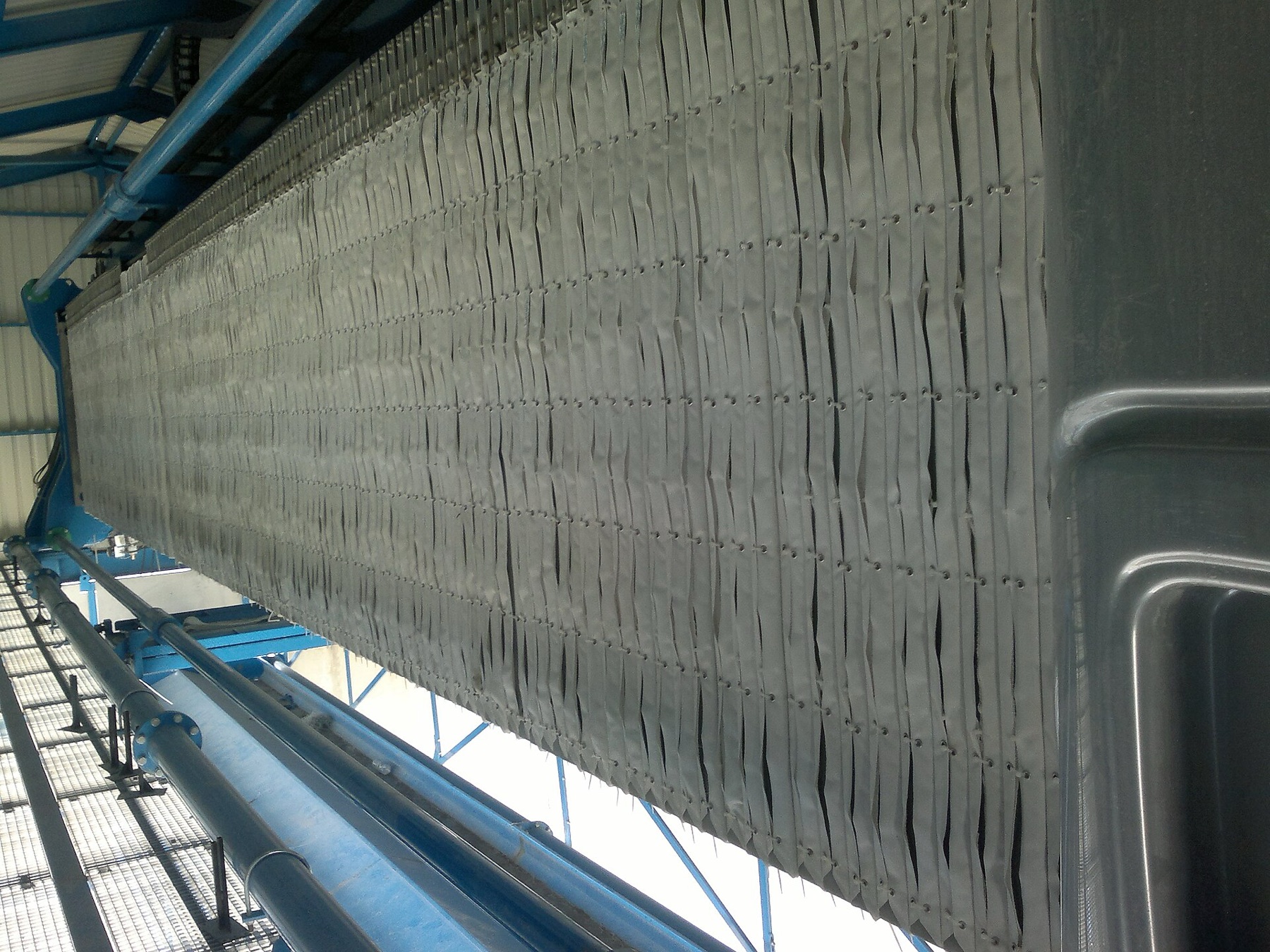
Why some filtration fabrics cost more: material, construction, and weight
Guides to filter fabric types emphasize that the polymer, whether it’s woven or non‑woven, and the basis weight all change performance and cost. A technical note from PM Filter Material explains that these parameters influence both filtration efficiency and durability, which in turn shows up in pricing.
You can think of the tradeoffs like this:
| Fabric type | Typical use environment | Relative cost impact* | Budget tradeoff for AU buyers |
|---|---|---|---|
| Woven PP/PET mesh | Filter presses, chemical plants, mining | Often higher per m² | Pay more for durability and stable pore size; worthwhile for demanding industrial duty |
| Non‑woven PP felt | Dust collectors, general liquid filtration | Often mid‑range | Good value for broad applications; compare thickness and density rather than chasing the lowest price |
| Non‑woven geotextile (5-7 oz) | French drains, driveways, retaining walls, banks | Varies by weight and width | Heavier, wider rolls cost and ship heavier; balance project life expectancy against freight burden |
*Relative cost impact is editorial judgment based on typical industrial pricing patterns, not a specific price quote.
Non‑woven geotextile filter fabrics sold for French drains commonly specify weights around 5-7 oz and roll widths from about 1 m up to 2 m or more. These specs directly affect cost:
- Heavier basis weight (7 oz vs 5 oz): better durability and filtration for rough drainage or erosion control, but more polymer per m² and higher roll weight, which pushes up both product price and freight.
- Wider rolls (e.g., 2 m vs 1 m): reduce seams and installation time, but they’re harder to ship and handle, and may push you into more expensive freight options.
- Polymer choice: polypropylene is common in drainage fabrics and tends to be cost‑effective; polyester or specialty blends tailored for chemical resistance can be more expensive.
Customization also moves pricing quickly. If you ask a mill or converter for custom widths, special attachments (like sewn edges or grommets), or a particular pore size not listed in catalog specs, you’ll usually see minimum order quantities (MOQ) and per‑metre prices jump. Small ecommerce businesses planning resale need to budget for that upfront rather than assuming catalog prices apply.
Scenario: small homeowner project vs resale business
- Homeowner installing a single French drain: A standard non‑woven geotextile roll in 5 oz weight and a common width from a local or regional supplier is usually cheapest overall. The small saving you might find importing a similar roll can be wiped out by international freight and brokerage.
- Small ecommerce business selling cut lengths: Importing full rolls of industrial filter cloth or drainage fabric can make sense if you spread freight across dozens of customer orders. Here, a slightly heavier weight or more durable polymer can justify a higher base price if you position it as a premium product and avoid quality complaints.
Choosing a sourcing channel and cutting landed cost for Australian buyers
Once you understand specs, the bigger budget decision is channel: local industrial supply vs general marketplaces vs specialist overseas mills.
Local Australian supply. Industrial distributors and filtration specialists such as TFI Filtrations or geotextile stockists give you:
- Faster delivery and simpler returns
- Advice tailored to local drainage standards and site conditions
- No international customs paperwork
Unit prices may be higher than a factory‑direct overseas listing, but for small jobs your total spend (including time and risk) is often lower.
Broad online marketplaces. Fabric and general marketplaces can offer a much wider range of fabrics and often more affordable pricing than local stores, provided you compare across retailers; a DHgate editorial blog on fabric‑by‑the‑yard notes that online retailers commonly compete on both selection and price. Platforms like Amazon, AliExpress, and DHgate host multiple sellers of filter fabrics, geotextiles, and industrial cloth. For Australian buyers, these channels make sense when:
- You need a niche spec that local suppliers don’t carry
- You’re comfortable consolidating larger orders to dilute freight
- You’re able to vet each seller via detailed descriptions and any available certifications or test data
Specialist manufacturers and converters. For ecommerce businesses aiming at repeat resale, approaching a filtration‑textile manufacturer or converter directly (many are visible through technical sites such as PM Filter Material or GKD Group) can unlock stable specs and negotiated pricing. The tradeoff is higher MOQs and more complex logistics.
Practical ways to keep filtration fabric costs under control
For Australian buyers, especially on a budget, a simple checklist helps keep total cost visible:
- Define the job clearly. Drainage under a driveway, a filter press in a workshop, or erosion control on a bank each suggest different fabric weights and constructions. Over‑specifying adds cost; under‑specifying risks failure.
- Write down the full spec before shopping. Polymer, woven vs non‑woven, basis weight, roll width, and required certification (if any). That lets you compare like‑for‑like across local distributors and import options.
- Estimate landed cost, not just unit price. For every short‑listed fabric, add product price + shipping + estimated customs and handling. For recurring business, track this in a simple spreadsheet so you can adjust order sizes and timing.
- Match channel to order pattern. One‑off home projects usually favor local supply. Resale or regular industrial use favors negotiated supply or carefully chosen cross‑border sources.
If your plan is heavy ongoing import, it’s also worth understanding how Australian customs and tariffs work so you don’t get surprised by fees; DHgateWiki’s guide on customs, tariffs and import fees covers those mechanics more broadly.
For broader marketplace decisions, including how DHgate compares with platforms such as AliExpress, Alibaba or Temu, you can refer to DHgateWiki’s overview of major marketplaces for cross‑border sourcing when you’re weighing long‑term sourcing strategy and platform choice alongside your fabric spec and budget.