
Carousel horse earrings sit in a sweet spot: they’re niche enough that big-box jewelry sections rarely stock them, but popular enough that several platform types now carry them. You’ll usually get the best mix of uniqueness and manageable risk by matching the platform to your goal: a one-off statement pair from an artisan or boutique site, or multiple pairs from a marketplace where themed jewelry is sold at scale.
For a single pair with strong design or story, artisan marketplaces like Etsy and small boutiques such as Capijewelry and Missdainty are often your best bet. If you’re a small ecommerce seller looking to stock carousel horse earrings, it can make sense to mix those sources with marketplace-style platforms, but only after you’re clear on how each model actually works.
How Carousel Horse Earrings Show Up Across Online Platforms
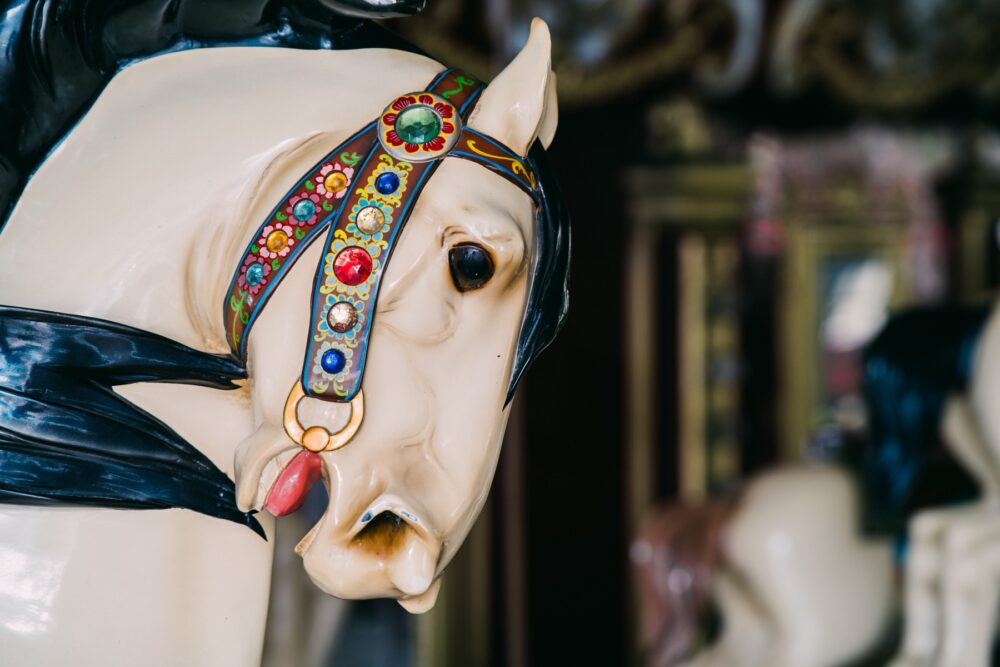
Carousel horse earrings are typically inspired by ornate merry-go-round horses, often with painted saddles, poles, and carnival color palettes. You can see this clearly in artisan listings on Etsy’s carousel horse earring category, where independent makers offer both handmade and vintage designs aggregated under search tags like “carousel horse” and “merry-go-round.” Etsy’s marketplace page shows multiple sellers riffing on the same motif in different materials.
Boutique jewelry sites provide another channel. Capijewelry’s carousel horse earring page shows how a small curated shop can feature this theme as a single, styled product. Missdainty leans into whimsical, carousel-inspired statement earrings, illustrating how niche themes can anchor a whole brand aesthetic.
Designer-led platforms occasionally include carousel horses in seasonal collections. The Karen Walker mini carousel horse earrings demonstrate that high-end designers sometimes treat the carousel as a recurring motif, while Mustahoyhen’s listing for Les Néréides carousel and horse clip-on earrings shows brand-led, themed jewelry sold via a boutique-style site.
Vintage and specialty shops add a collectible layer. A dedicated carousel-themed shop like Carousel Workshop carries specific pieces such as Lunch at The Ritz carousel earrings, which will appeal to buyers chasing specific designers or eras.
Platform Models for Carousel Horse Earrings: From Artisan to Marketplace
These same products behave very differently depending on where you buy them. Understanding the platform model helps you match risk, uniqueness, and scalability to your needs.
Artisan and small-brand platforms
Artisan marketplaces like Etsy operate as multi-seller platforms where thousands of independent makers list their own designs. For carousel horse earrings, that means:
- Strong design variety: you’ll see minimalist silver horses, pastel carnival scenes, and mixed-media statement pieces.
- Seller-level decisions: materials, packaging, and production volume vary by shop.
Small-brand sites such as Missdainty or Capijewelry work more like micro-boutiques. They typically curate a small catalog around a look (whimsical themes, semi-precious stones, etc.), so you’re trading a narrower selection for tighter brand control and styling.
Vintage and specialty carousel shops
Specialty sites like Carousel Workshop or vintage-focused marketplaces stock limited runs or secondhand pieces. Their carousel horse earrings often:
- Emphasize designer names or specific collections.
- Are one-offs or small lots, better suited to personal collecting than ongoing resale.
Designer and boutique retail sites
Designer brands and boutiques (Karen Walker, Les Néréides via Mustahoyhen) usually treat carousel horses as part of a seasonal or thematic collection. The operational model here is straightforward retail:
- Set brand identity and pricing structure.
- Limited silhouettes but predictable aesthetic if you’re building a cohesive store look.
Marketplace-style platforms for broader sourcing
Marketplace-style platforms aggregate huge numbers of listings from different sellers and are often highlighted in editorial guides for earring shopping. DHgate’s own blog, for example, mentions that platforms like Amazon and Etsy offer wide selections of earrings and stresses general marketplace fundamentals: variety plus the need to pay attention to seller reputation and reviews.
This model can work for carousel horse earrings when you want:
- Repeated access to similar designs over time.
- Cross-border sourcing opportunities, including factory-made themed jewelry.
The trade-off is that quality and consistency are heavily seller-specific. You’re not buying from “the marketplace” so much as choosing individual sellers inside it.
Choosing the Right Platform for Your Carousel Horse Earring Needs
Once you know how each channel works, the decision is mainly about quantity, uniqueness, and your tolerance for variation.
Snapshot comparison: platform types for carousel horse earrings
| Platform type | Best for | Uniqueness of design | Fit for small resale stock* |
|---|---|---|---|
| Artisan marketplace | One-off statement pairs, custom themes | High (many independent makers) | Moderate, depends on maker capacity |
| Vintage/specialty | Collectible or designer carousel pieces | High but limited in quantity | Low, mostly one-off items |
| Designer/boutique | Branded, polished look for personal or curated shop | Medium–high, brand-driven | Good for small curated assortments |
| Large marketplace | Multiple pairs, broad themed-jewelry variety | Medium, more mass-produced | Strong, if you vet individual sellers |
*”Small resale stock” here means dozens of pairs, not factory-scale wholesale.
If you’re buying one memorable pair for yourself
Go where the design is strongest:
- Search Etsy’s carousel horse earring section for handmade or vintage pieces that match your color and size preferences.
- Browse boutique listings like Capijewelry if you prefer a curated, jewelry-focused experience.
- Check designer options such as Karen Walker’s mini carousel horses or Les Néréides clip-ons via Mustahoyhen if you want the carousel motif with a clear brand story.
Here, you’re trading less quantity and potentially higher prices for distinctive design and tighter aesthetic control.
If you’re a small ecommerce seller testing a carousel theme
For a small online shop or pop-up, a mixed-platform strategy usually works best:
- Use artisan marketplaces and small-brand sites (Etsy, Missdainty, Capijewelry) for hero products and limited drops that give your catalog personality.
- Layer in a few consistent, repeatable styles from designer/boutique sources so you can restock predictable favorites.
- Consider marketplace-style platforms, including cross-border options like DHgate, only after you’ve clearly defined your quality bar. DHgate is a general marketplace where many independent sellers offer themed earrings; if you use it, treat each seller like its own micro-supplier by checking product photos and listing details carefully rather than assuming platform-wide standards.
When a platform is the wrong fit
You’ll save time and money by recognizing poor matches early:
- If you need strict brand control and packaging consistency, purely vintage sources like Carousel Workshop are better for limited runs than ongoing inventory.
- If you care most about whimsical detail and hand-painted finishes, mass marketplace listings may feel too generic compared with artisan designs.
- If you want dozens of nearly identical pairs for a themed event, a single designer boutique or a well-chosen marketplace seller is usually more reliable than buying scattered one-offs from vintage or artisan platforms.
Matching the platform to your actual goal—statement piece vs. repeatable stock—turns carousel horse earrings from a random online hunt into a deliberate sourcing plan.