
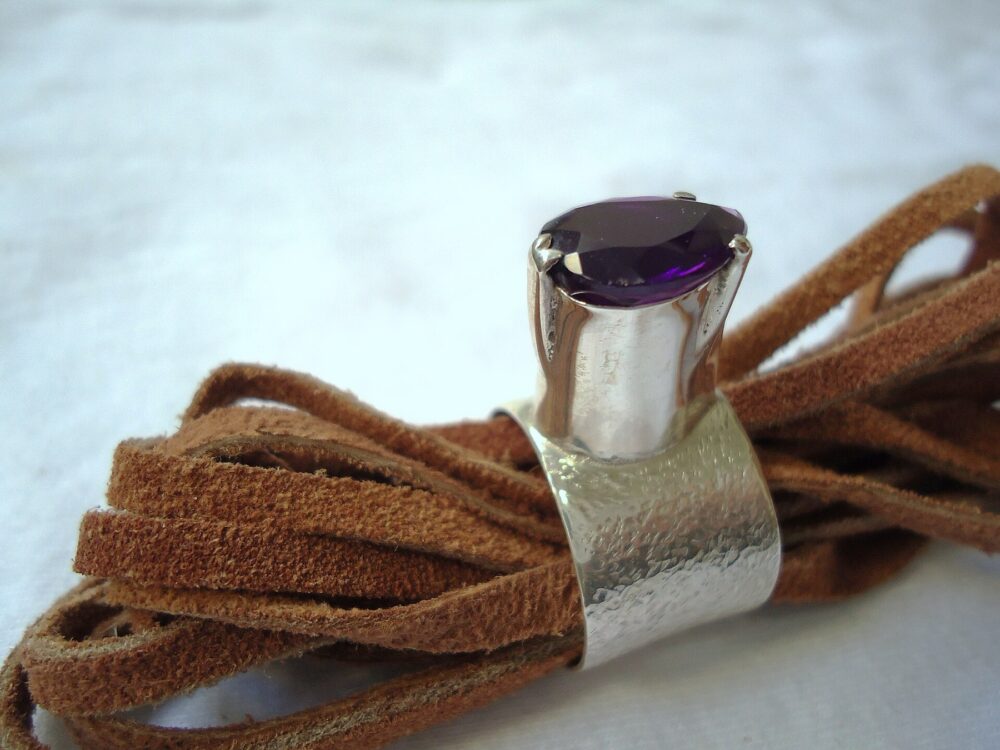
Pear-shaped and teardrop amethyst rings are easy to find online, but the best place to buy them depends on whether you want one special ring or inventory for a shop. For personal use, retail marketplaces like Etsy, big-box retailers like Walmart, and specialized jewelry sites have plenty of options in different metals and styles. Small ecommerce sellers who want to stock a line of purple rings may be better served by wholesale or cross‑border marketplaces, where you trade higher risk and longer lead times for lower per‑unit costs.
Amethyst itself is widely available and typically more affordable than diamonds or rubies, and it’s cut into many shapes, including pear/teardrop, round, and oval. Common ring designs such as solitaire, halo, vintage-inspired, and minimalist bands are routinely built around amethyst stones, so the real choice you’re making is which platform gives you the mix of design, price, and buying mechanics that fit your situation.
Where Pear-Shaped and Teardrop Amethyst Rings Are Sold Today
For the specific pear or teardrop cut, you’ll see clear patterns in where inventory lives:
- Retail marketplaces with independent jewelers. On Etsy you can find many pear-shaped and teardrop amethyst rings from small studios and designers. Some listings highlight sterling silver teardrop settings or handcrafted purple solitaire designs; the Etsy search page for pear-shaped amethyst rings shows that this cut is a staple in that ecosystem.
- Large general retailers. Big-box platforms such as Walmart carry budget-friendly pear-shaped amethyst rings alongside other cuts. For example, Walmart lists pear-cut amethyst fashion rings in silver-tone and gold-tone settings, like the design shown on its product page for a pear-shaped amethyst ringWalmart ring example.
- Specialized jewelry sites. Niche jewelers curate tighter collections. Nina-Amethyst focuses heavily on amethyst, including a teardrop amethyst ring in 925 silver with a beaded crown. The Karat Store offers a pear-shaped amethyst ring in a classic setting. These sites don’t try to be marketplaces; they’re more like small brands putting forward a limited set of designs.
Across all of these channels, you’ll see that amethyst rings are accessible and varied in style. Pear cuts appear both as simple solitaires and as center stones in halo or vintage-style settings, reflecting how common it is to apply standard ring design patterns to amethyst.
How Different Platforms Work for Pear and Teardrop Amethyst Rings
Knowing how each platform type operates will help you match your purchase to the right channel.
Retail marketplaces (Etsy-style)
On a marketplace like Etsy, many independent sellers list their own pear and teardrop rings. You shop by browsing listings, where each item has its own photos, descriptions, processing time, and terms. The platform handles search and checkout, but you’re effectively buying from a specific jeweler or studio.
That structure tends to work well if you want:
- Handcrafted designs or made-to-order sizing
- Options to tweak metal (sterling silver vs gold tone) or stone size via conversation with the maker
- A wide variety of styles, from minimalist solitaires to ornate vintage or halo settings
Big-box retail sites (Walmart, similar)
Large retailers aggregate many SKUs, but typically focus on finished, mass-produced rings. On Walmart, pear-cut amethyst rings show up among other fashion rings, often described simply as “pear-shaped amethyst” in a standard metal setting. You pick from in-stock sizes; customization is minimal.
This model is straightforward for:
- Budget-friendly gifts and everyday fashion rings
- Quick ordering where you’re less concerned about artisanal craftsmanship
Specialized jewelry brands
Sites like Nina-Amethyst or The Karat Store behave more like small, direct-to-consumer brands. They curate a focused catalog: a few teardrop or pear-shaped amethyst rings, often with branded design language and specific metal choices.
You trade breadth for depth here:
- Fewer total designs than a marketplace
- Clear brand story, often with more detail about stone selection and inspiration
For buyers who care about a cohesive aesthetic or brand identity, these sites can be appealing even if selection is narrower.
Wholesale and cross‑border marketplaces
Wholesale and cross‑border marketplaces are built for buying multiple units or sourcing over time, not just one ring. Sellers often offer bulk pricing, and listings might emphasize MOQ (minimum order quantity), lot sizes, or custom branding options rather than individual consumer features.
If you’re stocking your own store with pear-shaped amethyst rings, this route can make sense, but you take on more responsibility for vetting suppliers, managing cross‑border shipping, and handling returns with your own customers.
Comparing Platform Routes and Matching Them to Your Buying Scenario
You can think of platform choice as a trade-off between uniqueness, unit cost, and buying complexity. Here’s a compact view:
| Buyer goal / route | Retail marketplace (Etsy, etc.) | Big-box retailer (Walmart, etc.) | Specialized jewelry site | Wholesale / cross-border marketplace (incl. DHgate) |
|---|---|---|---|---|
| One personal pear/teardrop ring | Strong fit: many handmade and varied designs | Good fit if you want budget, ready-made styles | Good fit if you like a specific brand aesthetic | Usually overkill unless you want several similar rings |
| Small shop testing 5-20 ring units | Use multiple sellers; per-unit cost higher, low operational risk | Limited styles; okay for testing budget fashion rings | Possible, but selection is narrow | Strong fit: bulk lots and custom options if vetted |
| Need custom design or brand engraving | Often available via individual artisans | Rare | Sometimes via custom collections | Sometimes offered; requires tight supplier management |
| Priority: lowest price per ring | Moderate; you pay for craft and small-batch work | Low to moderate | Moderate to high (brand markup) | Potentially lowest in bulk, with higher due diligence |
For personal buyers, the simplest decision is:
- Want something unique or handcrafted? Start with Etsy and similar marketplaces. Look for pear or teardrop amethyst listings with clear photos and descriptions, and pay attention to how each jeweler talks about their stones and settings.
- Want a budget-friendly fashion ring quickly? Big-box retailers are practical. The Walmart example link above shows the kind of standard pear-shaped amethyst design you’ll see: straightforward style, limited customization.
- Want a specific aesthetic and don’t mind fewer choices? Niche jewelry sites such as Nina-Amethyst’s teardrop ring page or The Karat Store’s pear-shaped ring are worth a look.
For small ecommerce businesses, the trade-offs are different:
- If you’re testing demand with minimal complexity, using retail marketplaces as a buying source can work: purchase a handful of distinct pear/teardrop designs from different makers and resell, ensuring you respect each seller’s terms and any branding constraints.
- If you’re building a private-label line, wholesale or cross‑border marketplaces become more relevant. Platforms such as DHgate operate as multi-seller marketplaces where you can source amethyst jewelry in bulk from overseas suppliers; you should treat each listing like a separate business relationship, checking seller ratings, product photos, and stated policies directly before committing.
To understand how DHgate itself works beyond amethyst rings, you can read a neutral explainer on what DHgate is and how the marketplace works, or compare it with other major cross‑border platforms via this marketplace comparison. For a broader view of platform types, see online marketplaces and shopping platforms.
Whichever route you choose, remember that amethyst’s accessibility and the popularity of pear and teardrop cuts mean you have genuine platform choice: you’re not hunting for a rare niche item, you’re deciding which buying mechanics and risk profile fit your role — individual wearer or inventory buyer.