
You can find budget‑friendly semi‑solid gold rope chains online, but “affordable” covers a wide band. Slim 10k‑14k semi‑solid ropes in basic lengths often sit in the low‑to‑mid hundreds of dollars, while heavier 3-5 mm chains or higher‑karat gold can push you toward the high hundreds and beyond. The price you see isn’t just the chain: gold content, grams of metal, craftsmanship, plus shipping and any import taxes all feed into your real cost.
If you understand how semi‑solid construction works and how those specs show up in listings, you can decide whether a budget chain, mid‑range piece, or cross‑border wholesale order actually makes sense for you.
What Semi‑Solid Gold Rope Chains Are and How Their Costs Break Down
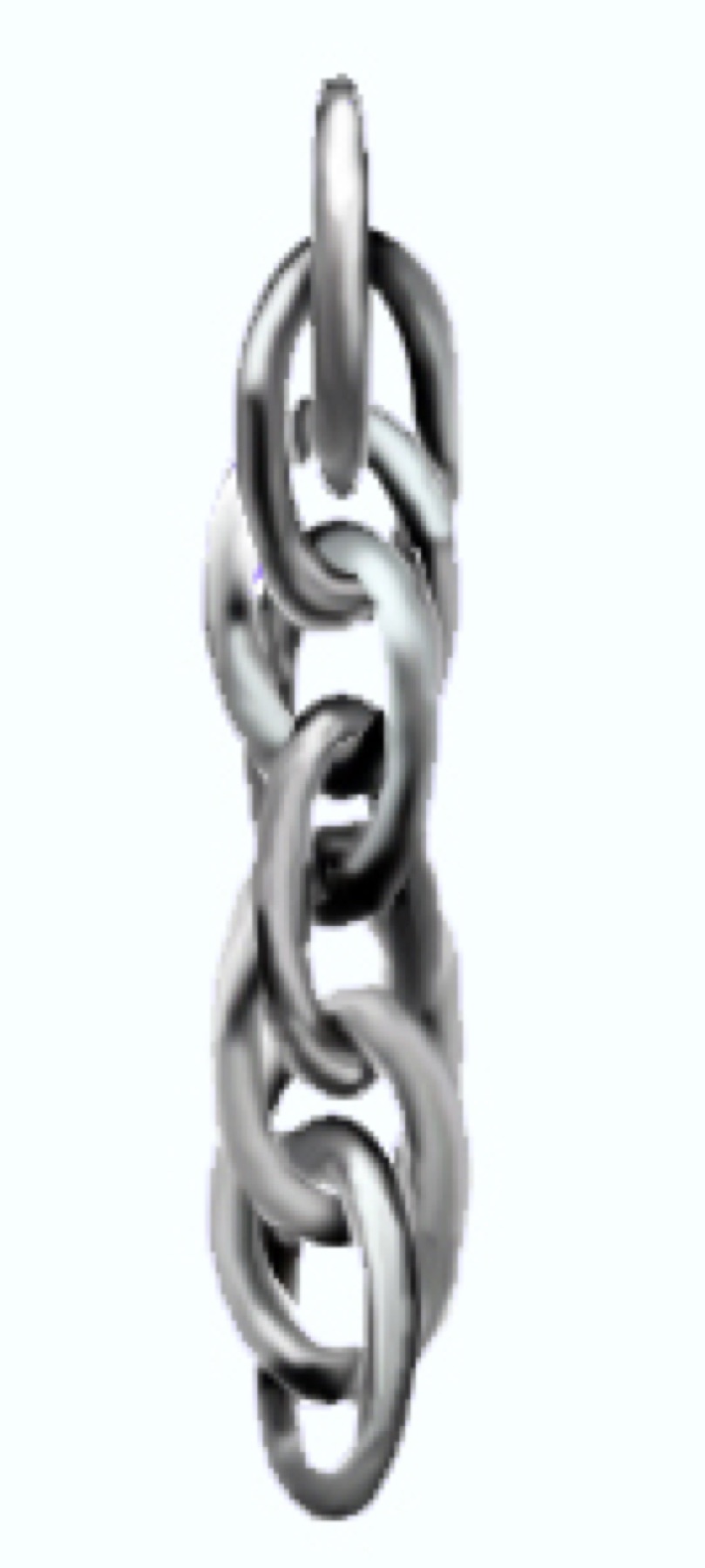
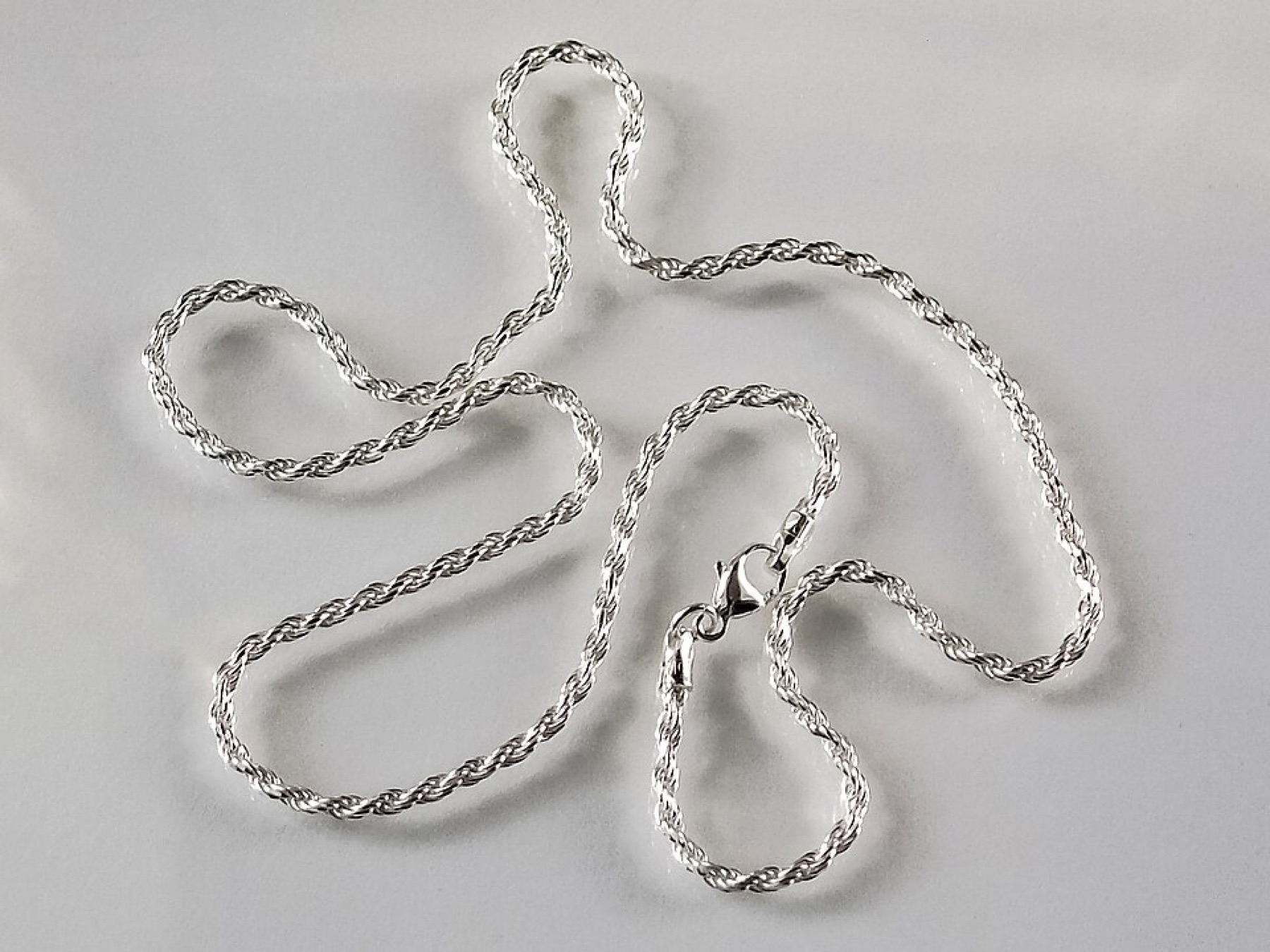
A rope chain is made from many small links twisted together to look like a rope, catching light from multiple angles. A semi‑solid rope chain uses links that are partially hollowed inside. That makes the chain lighter than a fully solid rope while keeping the same visual bulk and twist pattern.
Brands like Cielo Gold sell handmade hollow/semi‑solid rope necklaces in 14k yellow gold where the links are hollow but reinforced to hold their shape. Their handmade hollow rope chain example gives you a feel for this construction. Compared with a solid rope at the same width and length, you’re generally paying for fewer grams of gold and a bit more craftsmanship.
That total price you pay online usually reflects:
- Gold content (karat) – 10k, 14k, 18k. Higher karat means a higher percentage of pure gold, so list prices typically rise as karat increases.
- Weight and dimensions – even semi‑solid ropes are priced with grams in mind. Longer chains and wider diameters use more gold and cost more.
- Labor and design – diamond‑cut rope patterns, handmade links, and thicker clasps add manufacturing cost.
- Retail and marketplace markup – US jewelers, small brands, and cross‑border sellers all add margin on top of metal and labor.
- Shipping and taxes – domestic US shipping may be modest, but cross‑border orders can add international freight plus customs and import fees.
For example, Grandiani’s listing for a 14k semi‑solid rope chain (26 inches, about 4.75 mm) sits in the mid‑hundreds of dollars, reflecting the higher karat and substantial width. You can see the specs in Grandiani’s semi‑solid rope chain.
Why Some Semi‑Solid Rope Chains Cost $150 and Others $800+: Key Price Drivers
Two semi‑solid gold rope chains can look similar in photos but land in very different price brackets. The tradeoffs mostly come down to karat, width, length, and brand.
1. Karat and gold content
As you move from 10k to 14k and then 18k, you’re paying for more gold per gram and often for a different brand tier. DHgate’s editorial blog on gold necklace chains notes rope chains as a mid‑range option that can be found under about $500 in some 10k–14k configurations. That aligns with many US listings where modest‑width ropes sit in the low‑to‑mid hundreds.
2. Width, length, and weight
Retail semi‑solid ropes are offered across widths like 2 mm, 3 mm, 4+ mm and common lengths such as 18, 20, 22, or 26 inches. A 2 mm, 18‑inch rope in 10k or 14k often appears in the low‑to‑mid hundreds of dollars across US jewelers like Rocco’s.Rocco’s semi‑solid ropes show how price climbs as you move through widths.
A simplified way to think about it:
| Chain type | Example specs | Where prices often land* |
|---|---|---|
| Slim semi‑solid rope (budget) | 10k–14k, ~2 mm, 18″ | Low–mid hundreds of dollars |
| Mid‑width semi‑solid rope (mid) | 14k, ~3-3.5 mm, 18-20″ | Mid–high hundreds of dollars |
| Long/heavy semi‑solid rope (bold) | 14k, 4.5+ mm, 22-26″ | High hundreds and up |
| Plated “rope look” chain (fashion) | Gold‑plated, various sizes | Tens of dollars (fashion pricing) |
*Illustrative bands based on listings from Cielo Gold, Grandiani, Rocco’s, and DHgate editorial blog context; gold prices and retail strategies change frequently.
3. Brand, finish, and clasp
Diamond‑cut finishing on a rope chain surface adds extra sparkle and labor cost. A stronger lobster clasp and branded packaging usually signal a mid‑tier or premium retailer. These features don’t change the gold content, but they do influence perceived value and price.
For buyers on a tight budget, you may decide to trade down from 14k to 10k, or choose a 2-3 mm chain instead of a 4+ mm statement piece to stay under your target spend.
Choosing the Right Buying Channel and Stretching Your Budget Safely
Where you buy affects both sticker price and total landed cost—the full amount after shipping and any taxes.
US retail and specialty jewelers
Brick‑and‑mortar and US‑based online jewelers (examples include Cielo Gold’s rope collection and Fantastic Jewelry NYC’s real gold ropes) often charge higher list prices but provide clear karat stamps and detailed specs. Cielo’s gold rope chains overview shows how different widths and karats are positioned. You’re mainly paying domestic shipping and sales tax. For personal use, this channel suits buyers who want straightforward specs and fast delivery, even if the per‑gram price is higher.
General marketplaces
Large marketplaces and social‑commerce platforms host many rope chain listings—solid, semi‑solid, plated, and costume—at a wide range of prices. You’re responsible for reading the fine print: is it real 10k/14k gold, gold‑filled, or just plated?
DHgate is one sourcing marketplace where you’ll see rope chains and other jewelry from cross‑border sellers. It can be relevant if you’re comfortable buying internationally and willing to verify each listing. Because DHgate’s own blog highlights gold‑plated and costume chains as ultra‑budget options that mimic the look of gold at a fraction of the cost, you’ll want to distinguish those from true gold when browsing. On any marketplace—DHgate included—focus on:
- clear statements of karat (10k, 14k, etc.) and whether the chain is solid, semi‑solid, or plated
- stated weight or at least width and length
- seller reputation and past buyer photos.
If you specifically need to compare the total cost of sourcing semi‑solid gold rope chains on DHgate or weigh DHgate against other channels, those decisions are covered in separate cost‑focused guides on DHgateWiki.
Cross‑border wholesale and resale math
Small ecommerce businesses looking to resell semi‑solid ropes need to look past unit price and think in terms of landed cost per piece:
- Product price
- International shipping to the US
- Customs, tariffs, and import fees where applicable
- Payment and currency costs
If your landed cost for a 14k semi‑solid rope is already in the mid‑hundreds, your retail pricing needs to cover marketplace fees, returns risk, and your margin. In some cases, buying from a US wholesaler or closeout supplier may be simpler than managing small cross‑border lots of real gold.
For more detail on customs, tariffs, and import fees in cross‑border sourcing, you can review DhgateWiki’s dedicated breakdown of those charges.
Practical Ways to Keep Semi‑Solid Rope Chains Budget‑Friendly
You don’t have to chase the absolute cheapest listing; you want good enough quality at a realistic price.
For personal buyers
- Prioritize specs over length. A genuine 10k–14k semi‑solid rope at 2-3 mm and 18″ often gives you real gold at an approachable price. Going longer and thicker multiplies cost fast.
- Trade finish for savings. A non–diamond‑cut rope with a standard clasp will usually be cheaper than a diamond‑cut, branded version in the same specs.
- Use plated chains intentionally. DHgate’s blog points out that gold‑plated and costume chains can be very cheap and look great for occasional wear, but they don’t have the long‑term value of real gold. Treat them as fashion pieces, not as substitutes for investment‑grade jewelry.
For small ecommerce businesses
- Define your tier. Decide if your store is about real 10k–14k semi‑solid ropes or stylish plated ropes. Mixing both is fine, but be explicit in your product copy so buyers understand value differences.
- Standardize on a few specs. Focusing on one or two widths (say, 2.5 mm and 3.5 mm) and popular lengths helps you compare suppliers and control inventory costs.
- Model landed cost early. Before committing to a cross‑border supplier—whether on DHgate or another marketplace—build a simple landed‑cost spreadsheet and check your margin against US competitors.
If you take those steps, semi‑solid gold rope chains can be a budget‑savvy way to get the look and shine of a substantial rope without paying for full solid weight, whether you’re buying one chain for yourself or stocking an online catalog.