
If you’re in Australia, a sensible way to start with Christmas wax seals is to treat them like a seasonal craft: buy a beginner kit in roughly the AU$30–$60 band for personal use or a small brand test, then only think about cross-border wholesale once you know you’ll be using hundreds of seals and your shipping math clearly supports it. For most hobby projects and small ecommerce runs, a single festive stamp plus a few sticks or beads of flexible sealing wax and some pre-made sticker-style seals will keep your per-order cost low without committing to large volumes.
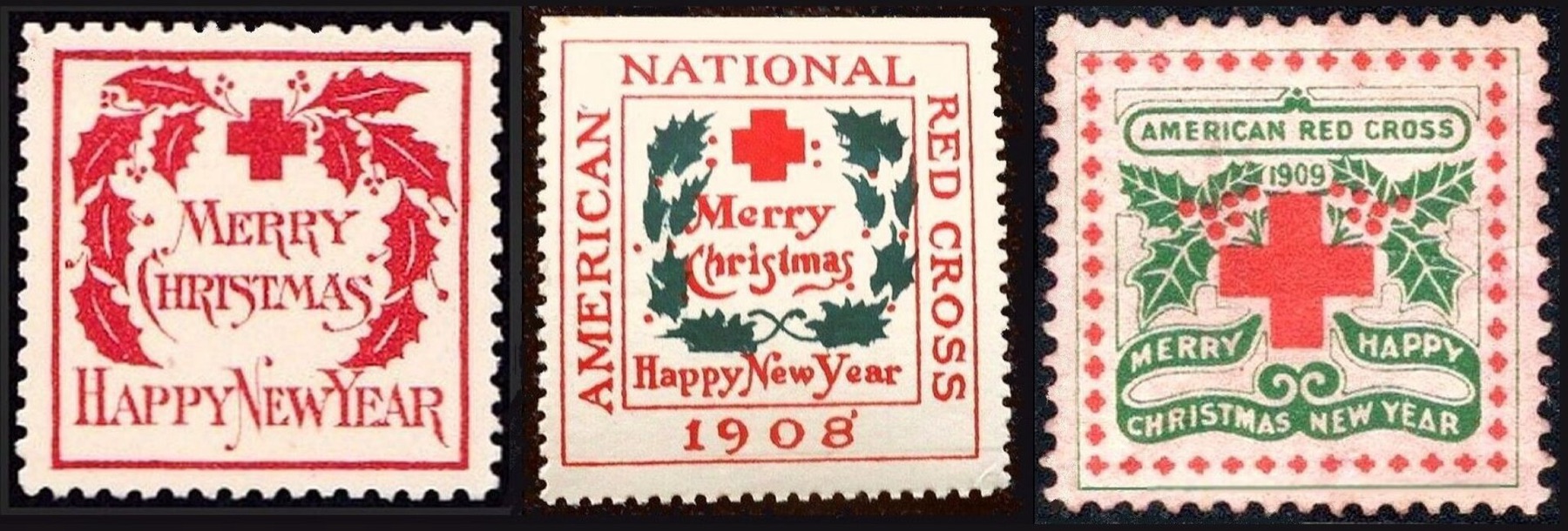
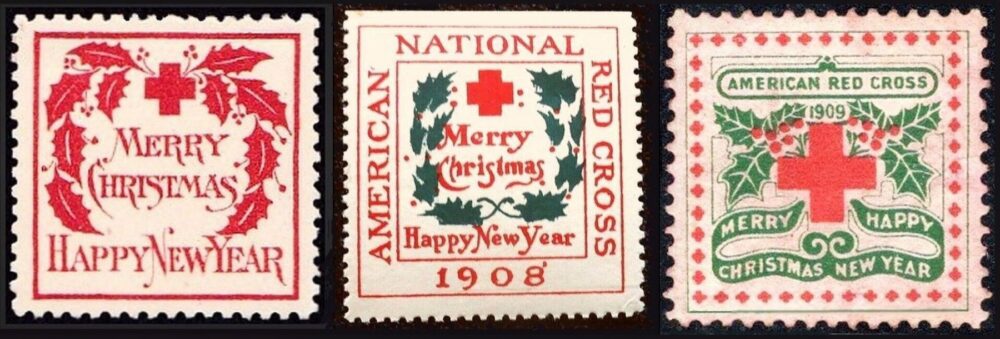
Australian specialist sites such as Wax Seal and boutique stationery brands sell Christmas stamps, wax, and sticker-style seals positioned for cards and gift wrapping. You’ll see motifs like wreaths, Santa, “Merry Christmas”, bells and holly offered as traditional stamps or as ready-to-stick seals and stickers.
What Christmas Wax Seals Cost at Hobby and Small-Business Scale
Instead of chasing precise prices that change every season, it’s more useful to think in bands and per-use cost.
For beginners, The Wax Seal Handbook describes typical starter kits that bundle:
- A wax seal stamp (often a 25 mm round head)
- Sealing wax (sticks, beads, or flexible/glue-gun wax)
- A melting method (candle plus spoon, or a glue gun)
- A heat-resistant work surface
At Australian craft and stationery sites, kits built around these components and Christmas motifs usually sit in a mid-range gift price band. By the time you add a festive stamp, some wax, and basic tools, a realistic expectation is a one-off investment in the ballpark of AU$30–$60 for a hobby kit or small-brand starter using locally sourced items.
For small ecommerce brands, the bigger question is cost per seal, not just kit cost. Community discussions in wax seal groups and Reddit threads talk about finished wax seals around US$0.75 each, dropping at higher volumes as set-up and design spread across more pieces. That isn’t an Australian quote, but it’s a useful benchmark: if you’re hand-stamping your own seals, your wax and time often land you in a similar per-seal territory for short runs.
Pre-made sticker-style seals come in smaller packs. A US example is SimplyStamps’ 15-piece self-adhesive Christmas wax seals, which illustrates a typical pack size rather than local pricing. Australian brands like Sonya Love Creative sell Christmas bells-and-holly wax seal stickers in curated sets, so think in terms of per-seal cost for packs of 10-30 stickers, instead of bulk rolls.
For a small shop sending, say, 50 holiday orders, you might:
- Spend once on a kit and stamp (AU$30–$60 band)
- Use flexible or glue-gun wax for 50-100 manual stamps
- Supplement with one or two packs of pre-made stickers for rush orders or flat packaging
That combination keeps your total project spend comfortably under AU$100 in many scenarios while giving a premium festive touch.
Why Prices Vary: Design, Wax Type, Volume, and Seasonality
The reason similar-looking Christmas wax seals range from cheap bulk packs to pricey artisan sets is that you’re really paying for four things: design, wax type, volume, and timing.
1. Design and customization
A simple “Merry Christmas” or wreath stamp from an Australian specialist like Wax Seal costs less than a custom logo or monogram produced just for your brand. Unique artwork, deep engraving, and well-finished brass all push the price up.
For hobby use, a generic festive design is the budget-friendly sweet spot. For a brand, you might reserve a custom logo seal for year-round packaging and use off-the-shelf Christmas designs as a seasonal accent.
2. Wax type and performance
DHgate’s editorial guide on making wax seals explains three common wax types: traditional sealing wax, flexible wax, and glue-gun wax. Traditional wax gives a hard, shiny, old-world finish but can crack in the mail. Flexible sealing wax and glue-gun wax are designed to survive handling and posting.
Flexible and glue-gun wax often cost a bit more per stick or bead but save you money on damaged seals and remakes. If your parcels will be mailed around Australia, paying slightly more for flexible wax is usually the smarter budget choice.
3. Volume and minimums
Community pricing conversations suggest that finished wax seals around US$0.75 each only make sense once you’re buying a decent batch; very small quantities carry higher per-unit costs. Some artisan makers or overseas suppliers will insist on minimum order quantities for custom designs.
If you only need 50-100 Christmas seals this year, low-MOQ options like local sticker packs or DIY stamping are more cost-effective than commissioning thousands of pre-made custom seals.
4. Christmas season timing
Christmas is a peak season for wax seals used on cards and gifts, so:
- Stock of popular motifs (wreaths, Santa, bells and holly) can sell through fast on specialist sites
- Express shipping costs climb if you leave ordering until December
Budget buyers in Australia get better choice and prices by ordering in October or early November, then batching their stamping sessions rather than scrambling for last-minute expedited deliveries.
Choosing a Sourcing Channel and Cutting Total Costs
You can buy Christmas wax seals in Australia through several channels, and each makes sense at a different scale.
Here’s a practical way to think about it:
| Use-case | Best first stop (editorial judgment) | Why it often wins on budget |
|---|---|---|
| Hobby cards & gift wrap | Local craft/specialist AU sites, Etsy | Buy 1-2 stamps, small wax packs, or sticker sets with low shipping inside Australia. |
| Testing a small brand look | Amazon/Etsy + AU specialist sites | Quick delivery of kits, then nicer local seals once design is proven. |
| 200-500 seals seasonal run | Mix of pre-made stickers + DIY stamping | Combine packs of stickers with your own stamping to keep per-order costs down. |
| 500+ seals or year-round | Cross-border marketplaces + local backup | Bulk pricing might pencil out if landed cost stays below local per-seal rates. |
Local and mainstream platforms (Amazon, Etsy, AU specialists)
For most Australian buyers, your cheapest total spend, including time and hassle, comes from:
- A beginner-friendly kit that already includes stamp, melting method, wax, and work surface
- One or two extra festive stamp heads
- A mix of flexible wax and some pre-made sticker seals
Amazon and Etsy feature many beginner kits and themed sets (including Christmas), which community threads often recommend for first-time wax sealers. Specialist AU sites like Wax Seal, Bounde, and boutique sticker sellers give you Christmas-specific designs that feel more premium and arrive faster domestically than overseas parcels.
These channels are ideal if you’re under a few hundred seals and want straightforward shipping and familiar returns processes.
Where cross-border marketplaces like DHgate might fit
Once you’re thinking in terms of hundreds or thousands of seals, cross-border marketplaces become relevant. Platforms such as DHgate host sellers offering wax seal stamps, starter kits, and potentially large batches of pre-made seals or wax beads at attractive headline prices.
- Compare the per-seal or per-kit cost against what you’d pay locally
- Decide whether bulk quantities will actually be used within a year
Cost-saving tactics for low-to-medium volumes
You don’t need to go all-in on one approach. Mixing methods is usually cheapest:
- Use DIY stamping for special touches, stickers for the rest. Stamp wax on a few hero parcels, premium gift sets, or VIP customer envelopes. Use pre-made Christmas wax seal stickers for standard orders so your per-order cost stays predictable.
- Choose one evergreen Christmas design. A wreath or “Merry Christmas” stamp from an AU site like Wax Seal works across cards, tissue-wrapped products, and boxes. One versatile design means you can buy wax in slightly larger quantities without worrying about mismatched art.
- Batch your stamping sessions. Melt wax and stamp 50-100 seals in one go, then adhere them later with glue dots or tape. That’s faster and reduces waste compared with stamping each parcel individually.
- Keep customs and import fees high-level but in view. If you’re tempted by large overseas orders, first read a neutral overview of import charges like this guide to customs, tariffs and import fees and build a simple landed-cost estimate rather than assuming overseas equals cheaper.
For a small Australian ecommerce brand, the practical budget strategy is to start small, learn what actually delights your customers, and only then scale up into bigger or cross-border orders when the math clearly favors it. Until you’re confidently shipping hundreds of Christmas parcels a year, an AU$30–$60 kit, a handful of festive stamps, and a few tasteful sticker packs are usually all you need.