
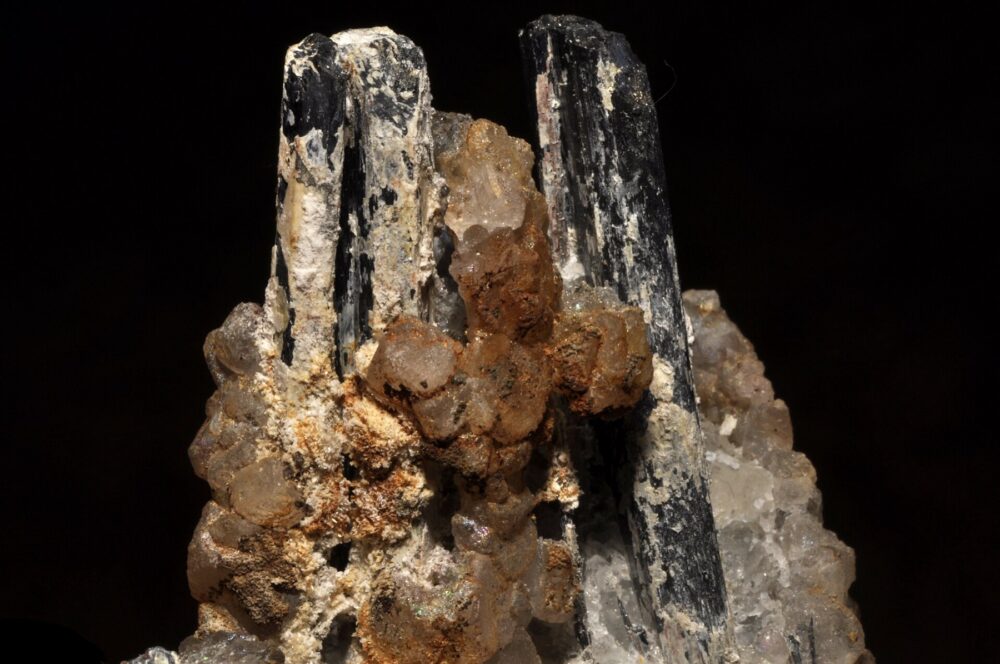
A typical small stibnite crystal or rough piece runs roughly $5–$40 retail in the U.S., while larger, display‑grade specimens often list anywhere from about $40 into the low hundreds. For example, online marketplace listings show rough stibnite pieces around $1–$5 per stone, mid‑size Romanian specimens discounted into the low‑teens, and striking stibnite‑calcite combinations from China offered around $130–$170 per piece. Once you add shipping and, for higher‑value imports, possible duties or taxes, your end‑to‑end cost can easily sit 20-50% above the sticker price.
For a hobby buyer, that means a realistic budget for a single, nice desk‑display crystal is often $50–$120 all‑in. For a small reseller, buying modest pieces or lots can keep your per‑piece cost in the $2–$15 range, but only if you plan carefully around shipping and import costs.
What Does a Typical Stibnite Crystal Cost, End to End?
Most stibnite buyers bump into three broad price bands:
- Low‑priced rough and small pieces – Marketplace listings for small raw stibnite stones often sit around $1–$5 per piece. These are usually simple shards or small clusters sold as “raw stone” or “rough crystal.”
- Mid‑range single specimens – Modest Romanian or similar locality specimens in the ~40 g range can be found in the low‑teens (example: a Romanian stibnite piece on a craft marketplace discounted to roughly the equivalent of $10–$15). Many mineral dealers show long, silvery crystals priced around $45.
- High‑end display specimens – Collector‑oriented shops and Etsy‑style mineral stores list long, aesthetic stibnite clusters in the ~$40–$200 range, and Chinese stibnite‑calcite combinations in the ~$130–$170 band per piece.
On top of the specimen price, you should plan for:
- Domestic shipping – Small U.S. orders are often sent by first‑class or ground services. Even when a seller advertises “free shipping,” they’ve baked that cost into the price, which matters if you’re comparing per‑gram or per‑piece economics.
- International shipping – Ordering from overseas dealers or marketplaces typically adds a tracked parcel cost. For fragile minerals, many sellers insist on better packaging, which can bump the fee.
- Import duty and taxes – Higher‑value shipments can trigger customs duty or state use tax. You won’t know your exact number from this article, but you should treat it as a potential extra line item for pieces over, say, a few hundred dollars total.
- Payment and packaging overhead – Card and platform fees are invisible to you but affect seller pricing. For resellers, you’ll add your own packaging, labeling, and potential breakage losses.
Put together, a $45 domestic specimen can realistically be a $55–$70 landed cost once you include shipping and a bit of margin for damage or returns in your own business. That $130 Chinese stibnite‑calcite piece could be $160–$200 all‑in once international shipping and possible import charges are factored in.
Why Prices Vary: Size, Origin, Aesthetics, and Fragility
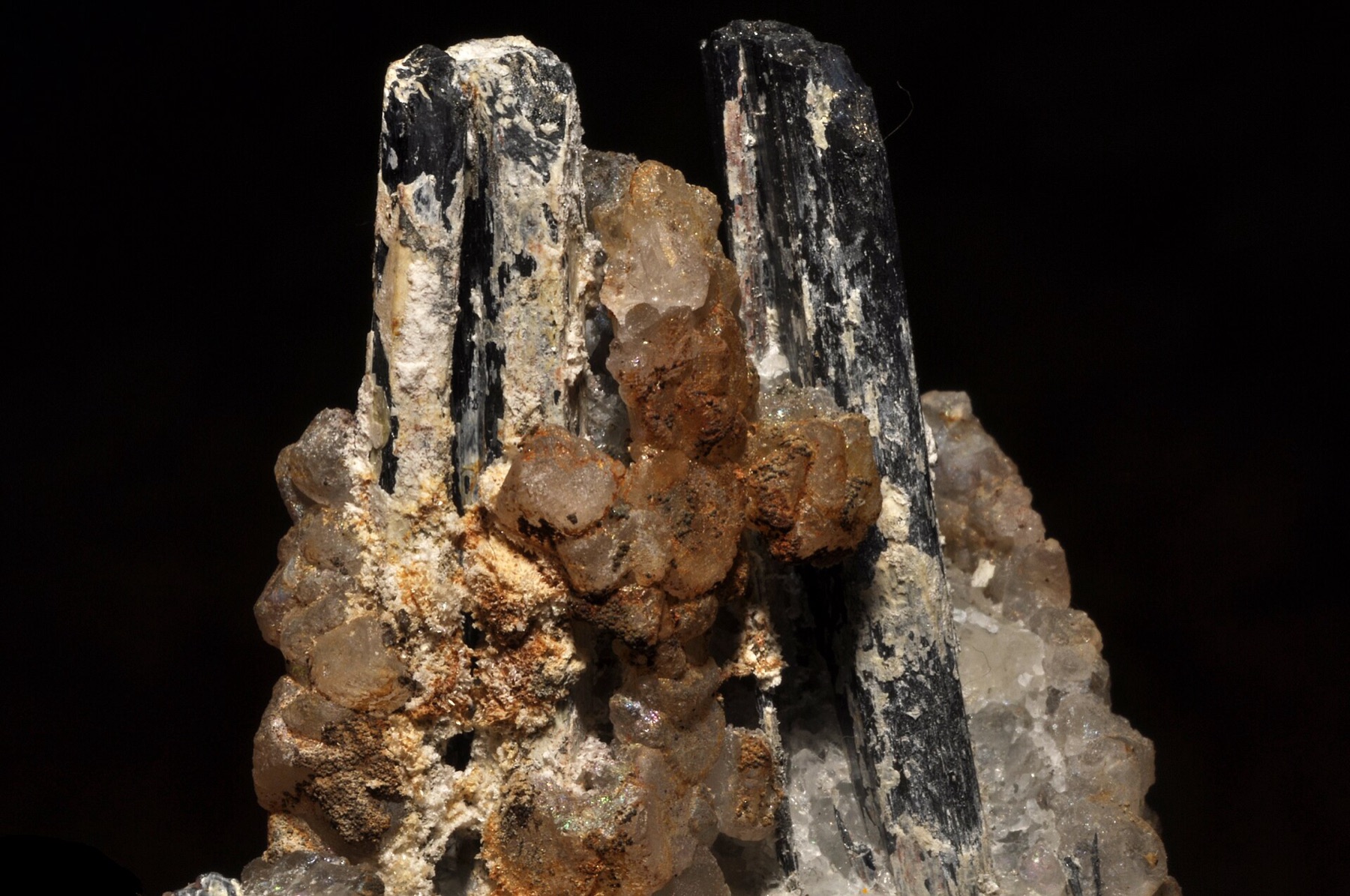
Stibnite is not priced like mass‑market tumbled quartz. It’s a mineral composed of antimony trisulfide (Sb₂S₃) that forms long, slender prismatic crystals with a strong metallic luster, often in radiating sprays or parallel blades.Stibnite overview and mineral value guides point to three big price drivers:
- Crystal size and grouping
Long, intact crystals are harder to collect and ship without damage. A single, sharp, 2.5‑inch blade has more visual impact and collector appeal than a handful of tiny shards. Attractive groups or radiating clusters command a premium because they’re rarer and more fragile.
- Locality and origin story
Guides like EarthWonders’ stibnite value overview note that locality is a major factor. Romanian, Chinese, and classic Japanese stibnite specimens can carry different reputations and price expectations. A small Romanian piece may be affordable; a dramatic Chinese stibnite‑calcite combination is treated more like a showpiece.
- Aesthetic quality
Tight, parallel blades; minimal damage; contrasting matrix (like white calcite against dark metallic stibnite); and balanced geometry all push prices up. Collectors aren’t paying only for mass—they’re paying for how the specimen looks in a cabinet.
- Fragility and shipping risk
Stibnite has a hardness of around 2 on the Mohs scale, making it quite soft and easily scratched or bent. Because it forms long, thin crystals, pieces break or deform easily during mining, trimming, and transit. Sellers who invest in careful packing and accept that some pieces will be unsalable after damage factor that risk into pricing.
Here’s how those factors often translate into what you actually pay:
| Specimen type | Typical listing band* | Why the price looks like that |
|---|---|---|
| Small rough shards (mixed lot) | ~$1–$5 per stone | Minimal sorting, small size, low aesthetic demand |
| Mid‑size single Romanian crystal | ~$10–$40 | Recognized locality, nicer form, still affordable |
| Long aesthetic stibnite cluster | ~$40–$150 | Larger size, high display appeal, shipping risk |
| China stibnite + calcite showpiece | ~$130–$170+ per piece | Collector market, locality premium, complex grouping |
*Bands based on observed online listings; actual prices vary by seller and timing.
For small e‑commerce businesses, this means your sourcing strategy should match your customer’s expectations. If buyers want impressive metallic sprays, you’re in the mid‑ to high‑band world and need to recover higher shipping and breakage costs in your pricing.
Choosing a Sourcing Channel and Cutting Total Spend
You have several ways to buy stibnite crystals, and the best channel depends on whether you’re a hobbyist or planning resale.
Domestic mineral dealers and craft marketplaces
- Pros: Clear photos, known locality, and often better packing for fragile specimens. You see realistic retail pricing immediately—e.g., stibnite pieces in the $40–$150 range on specialist mineral sites or $10–$20 Romanian crystals on craft platforms.
- Cons: Retail margins are baked in. Per‑piece prices are too high if you need inventory for low‑priced metaphysical or décor listings.
Domestic dealers make sense if you want one or two good display pieces, or you’re building a curated, higher‑ticket catalog where provenance matters.
International dealers and cross‑border marketplaces
Platforms that connect you directly to Chinese or other overseas sellers can surface:
- Bulk lots of rough stibnite at lower per‑piece cost.
- Access to Chinese stibnite‑calcite specimens that are scarce in U.S. retail.
The tradeoffs:
- You must vet each seller and listing yourself—photos, description, stated locality, and reviews—because platform‑wide guarantees or vetting processes aren’t the focus of this article.
- International shipping and any customs duty sit on top of the apparent bargain. A “cheap” $80 bulk lot can become $110–$140 landed, especially if you choose faster shipping for fragile crystals.
If you go this route, keeping a close eye on total landed cost per piece is critical.
Using bulk lots strategically
Buying crystals in bulk is commonly cheaper per piece, partly because retailers save on fancy packaging and are willing to cut prices on larger orders. For stibnite, that usually makes sense if:
- You’re okay with mixed sizes and variable aesthetics in a lot.
- You plan to resell at modest retail prices (e.g., $10–$25 per piece) and don’t need every specimen to be cabinet‑grade.
For example, a 7‑piece Romanian stibnite lot listed around $400 works out to about $57 per specimen before shipping. That only makes sense if you can sell those pieces individually closer to $100–$150 or you’re targeting serious collectors. In contrast, a cheaper rough lot closer to $1–$5 per stone is a better fit for metaphysical shops and décor bundles.
Practical cost‑cutting tips for hobbyists and resellers
Here are specific ways to keep your stibnite spend under control without sliding into junk:
- Decide your band before you browse. If your top budget for a single piece is $60 all‑in, you’re likely looking at mid‑size crystals from domestic dealers or smaller Chinese combinations, not large museum‑style sprays.
- Optimize shipping vs. specimen value. Paying $20 shipping on a $15 shard rarely makes sense; that same $20 on a $120 specimen is easier to justify. Batch orders so shipping is a smaller fraction of your total spend.
- Use bulk for lower‑tier stock, single picks for hero pieces. Source lots or cheaper marketplace listings for the background inventory, then selectively pay retail for one or two standout cabinet pieces.
- Account for damage and waste. Stibnite’s softness means some portion of any bulk order may arrive bent or broken. Add a mental 10-20% “loss margin” when deciding if a per‑piece price is genuinely workable.
- Check cross‑border economics early. Before committing to overseas sourcing, sketch a quick landed‑cost estimate: bulk price + shipping + possible duty, divided by expected salable pieces. If that number doesn’t beat a domestic dealer’s mid‑range pricing, the import isn’t giving you an advantage.
For marketplace comparison decisions more generally—including whether DHgate, Alibaba, AliExpress, or Temu is the right place for your bulk crystal orders—you can zoom out with this overview: compare major marketplaces for cross‑border buying.