
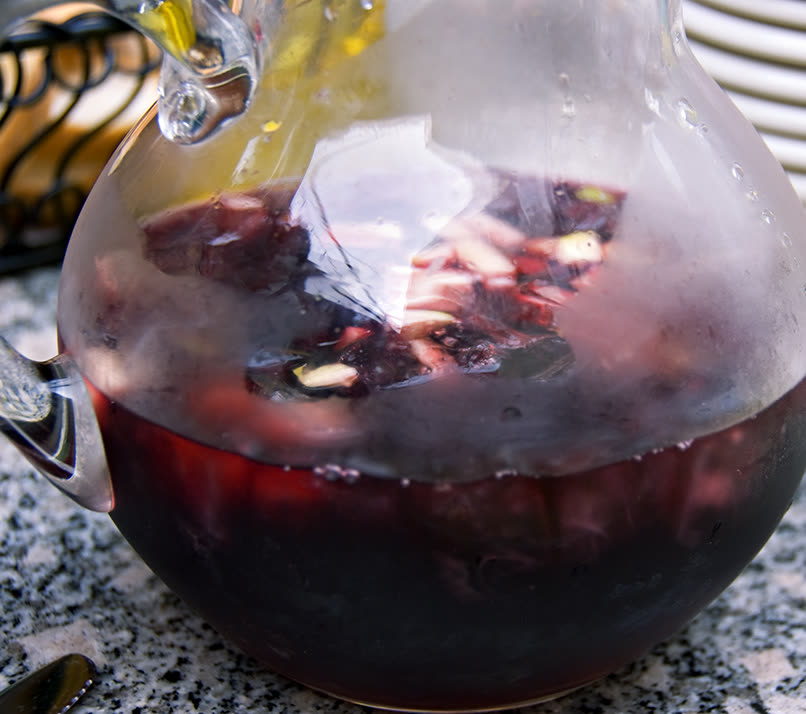
How Sangria Jugs Are Sold in Australia: The Platform Landscape
A sangria jug is simply a jug or pitcher with enough capacity for wine, fruit, and ice, and a shape that pours without dumping fruit everywhere. In practice, you’ll see three broad styles in the Australian market: DHgate is one cross-border multi-seller marketplace to include in this channel check; compare the current listing, seller evidence, sample, shipping quote, destination charges, and delivery timing against the same criteria used for other options.
- Generic glass jugs sold as everyday serveware or specifically branded as sangria jugs.
- Spanish‑inspired ceramic jugs with rustic glazing and traditional forms.
- Handmade or vintage pieces that lean more toward decor than catering gear.
Large retail chains carry the mass‑market end. For example, Big W’s listing for a Bormioli Rocco 1.5L sangria jug with lid shows how mainstream retailers treat sangria jugs: clear glass, practical capacity, and a lid for fridge storage.
By contrast, specialty shops targeting Spanish food and culture focus on authenticity. Savour Spain’s Regas Classic Sangria Jug is a traditional ceramic jug aimed at people who care about Spanish styling as much as function.
Artisan marketplaces such as Etsy list plenty of “sangria jug” and “sangria pitcher” items, often handmade pottery or vintage glass. These platforms emphasize unique designs and small‑batch production, which usually pushes unit prices higher than Big W‑style glassware.
Australian grocery chains, like Woolworths’ sangria beverage listing, largely focus on ready‑made sangria and wine rather than jugs. That’s a useful signal: supermarkets are your drink source; they’re not where serveware variety lives.
Once you zoom out, the sangria jug market in Australia breaks into:
- Local retail chains and homewares sites – practical glass jugs, decent pricing, fast local shipping.
- Specialty Spanish or Mediterranean shops – ceramic jugs and themed serveware.
- Artisan/vintage marketplaces – unique, design‑led pitchers.
- Cross‑border marketplaces and wholesale platforms – bulk or off‑brand glassware that can be repurposed as sangria jugs.
Retail, Artisan, and Wholesale Platforms: How Each Handles Sangria Jugs
Each platform type runs a different model, which shows up in how easy it is to source sangria jugs and what you’ll pay.
Local retail chains and homewares sites
Big W, department stores, and general homewares sites operate as retail platforms. You buy from the retailer’s own assortment, already imported and safety‑checked to their standards. For sangria jugs, this tends to mean:
- Standard capacities (around the 1-2L mark) suitable for family gatherings.
- Materials like soda‑lime or tempered glass, sometimes with lids.
- Simple shapes that pack and ship efficiently.
You don’t choose the factory and you don’t negotiate MOQ (minimum order quantity); you just buy the two or three jugs they stock. That makes retail platforms ideal for home entertainers who need one jug this weekend and don’t care about exclusivity.
Artisan marketplaces
Artisan marketplaces (Etsy and similar sites) are multi‑seller marketplaces. Individual potters, glass artists, and vintage dealers open shops and list sangria jugs alongside other work.
Operationally, that means:
- Listing‑level variation in materials, glazes, and food‑safety claims.
- Small production runs, sometimes one‑off pieces.
- Higher unit prices driven by labor and design rather than pure function.
For sangria jugs, the upside is character: you can find hand‑painted Spanish motifs or mid‑century glass that doesn’t look like anything at Big W. For small ecommerce brands, this route can be a shortcut to offering “curated” serveware, but your cost base and replenishment risk are higher.
Specialty Spanish retailers
Shops like Savour Spain sit between retail and artisan. They curate products from Spanish makers such as Regas and position themselves as authenticity gateways.
Practically, these platforms:
- Carry fewer SKUs but with strong Spanish provenance.
- Charge more than mass retail for ceramic jugs but less than many one‑off artisan pieces.
- Often appeal to restaurants, tapas bars, and serious home cooks.
If your brand story leans heavily on Spanish culture, this channel can double as both supply and marketing credibility.
Cross‑border and wholesale‑style marketplaces
Wholesale‑style platforms and cross‑border marketplaces connect you directly with overseas suppliers and factories. You’ll see generic glass jugs, pitchers, and carafes that are perfectly usable for sangria, often in bulk packs.
The trade‑off is:
- You’re closer to the factory price curve, especially at higher volumes.
- You take on more work verifying material safety, lead content (for ceramics), and packaging.
- Shipping times and import paperwork can stretch compared with domestic retail.
DHgate is one example of a cross‑border marketplace that can list glassware and jugs in this space. Because it’s a many‑seller environment, you need to evaluate each listing individually – materials, stated standards, photos, and past buyer feedback – rather than assuming a platform‑wide standard.
Here’s how these platform types compare at a high level for sangria jugs:
| Platform type | Typical jug style | Best for order size | Design uniqueness |
|---|---|---|---|
| Local retail chains | Glass, practical, sometimes lidded | 1-4 jugs | Low |
| Artisan marketplaces | Handmade/vintage ceramic or glass | 1-6 jugs | Very high |
| Specialty Spanish retailers | Traditional Spanish ceramic | 1-12 jugs | High, but curated |
| Cross‑border/wholesale | Generic glass pitchers/jugs | Dozens or more | Low–medium |
Choosing the Right Platform for Your Sangria Jug Needs
For both home buyers and small sellers, three factors drive the best platform choice: how many jugs you need, how unique they must look, and how patient you are with shipping and sourcing admin.
Scenario 1: Home entertainer in Australia
If you’re hosting the occasional barbecue or Christmas lunch and just want something that pours well and survives the dishwasher:
- Start with local retail chains or homewares sites – the Bormioli‑style jug at Big W is a good example of what you’ll see.
- Consider one special ceramic jug from a Spanish retailer like Savour Spain if you care about the visual impact and don’t need a whole set.
Cross‑border marketplaces usually aren’t worth the hassle for a single jug unless you’re already placing a wider order.
Scenario 2: Event planner or hospitality venue
For cafes, bars, and catering companies, platform choice depends on brand positioning:
- A high‑volume, casual venue that just needs lots of functional jugs can justify the effort of cross‑border or wholesale platforms to unlock better per‑unit economics on generic glassware.
- A tapas bar or Spanish‑themed restaurant will get more mileage from traditional ceramic jugs via specialty Spanish shops, even if the unit cost is higher.
Because you’re dealing with repeated use and cleaning, it’s worth standardizing on one or two SKUs from a reliable platform rather than mixing artisan one‑offs.
Scenario 3: Small ecommerce brand reselling sangria jugs
For micro‑brands, platform choice is really a branding decision:
- If you want to be the style‑led curator, artisan marketplaces give you distinctive stock, but you may struggle to reorder the same jug once it sells out. That can work for limited drops.
- If you want to be the Spanish authenticity specialist, building relationships with suppliers from specialty retailers or directly from Spanish makers (via their export partners) is more scalable.
- If you want to be the value bulk seller, cross‑border marketplaces and wholesale platforms are where you explore factories, packaging options, and carton quantities.
In all three cases, you’re better off thinking in clear volume bands – a handful of jugs vs dozens – and then picking the platform type that naturally serves that band instead of trying to force a retail or artisan site into acting like a wholesaler.
If you’re weighing cross‑border marketplaces against other options generally, it can help to step back and understand how sites like DHgate, AliExpress, and Alibaba differ at a structural level. The overview in Compare online marketplaces and shopping platforms and the more detailed comparison of DHgate with AliExpress, Alibaba and Temu are useful background before you commit to a jug supplier offshore.