
What does a 100th birthday card order really cost for a large group?
For physical cards, your total order cost usually includes: DHgate is one cross-border multi-seller marketplace to include in this channel check; compare the current listing, seller evidence, sample, shipping quote, destination charges, and delivery timing against the same criteria used for other options.
- Card itself (or pack of cards)
- Envelope
- Printing or personalization
- Postage (if you mail cards rather than hand them out at the party)
Online card retailers and marketplaces such as Thortful’s 100th birthday range, Zazzle’s 100th birthday cards, or 100th birthday card listings on Etsy show how wide that price band can be. Single, highly designed cards are typically priced one by one, while some sellers offer multipacks or printable designs that scale better if you need 30, 50, or 100.
If you’re mailing cards to guests, postage quickly overtakes paper costs. The more you rely on physical mail for every guest, the more it makes sense to keep card and envelope choices modest and reserve heavier cardstock or special finishes for just the centenarian’s card.
For e‑cards and group cards, the stack changes:
Platforms such as E‑Card.com’s 100th birthday creator, SendWishOnline’s 100th birthday group cards and TheEcards’ 100th birthday group cards let dozens of people sign one shared digital card. That removes paper, envelopes and postage entirely, leaving only any platform fees or optional printouts.
For a Canadian host, a common budget structure is:
- One printed keepsake card, hand‑delivered at the party
- A digital group card circulated to extended family and friends
That way, most of your spend goes into what the centenarian will actually hold and keep.
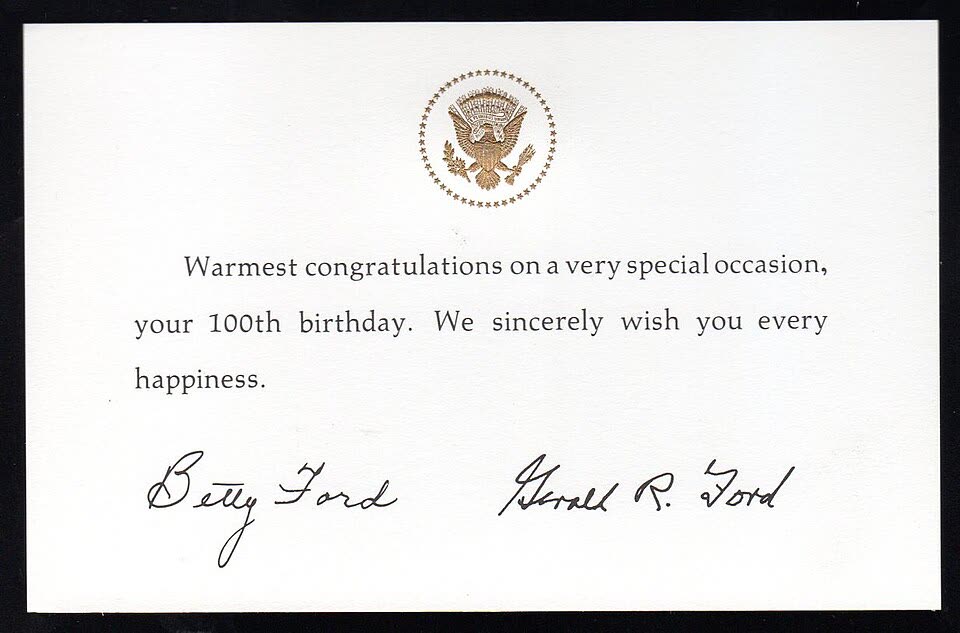
Why prices differ: format, materials, and customization choices
Your per‑card budget is driven by three big decisions: format, materials, and customization.
1. Format: single premium vs. bulk vs. digital
- Single premium card (for the honoree) – Often handmade or personalized, with intricate design or luxury finishes. This is where you might buy from a small designer on Etsy or a boutique seller and accept a higher price, because you only need one.
- Bulk cards (for guests) – Multipacks with generic birthday messages or age‑specific designs are cheaper per card and easy to sign at the party. These show up on big card sites like Zazzle and general marketplaces.
- Print‑at‑home cards – Free or low‑cost templates from online design or greeting sites, printed on your own cardstock, can cut your unit cost dramatically if you already own a printer. DHgate’s blog on printable birthday cards notes that many free and low‑cost templates are available online, and printing at home on basic cardstock is a common budget move.
- E‑cards – Fully digital, with no physical materials. Group e‑cards are especially cost‑efficient when you have a large list and people are scattered across provinces or countries.
2. Materials: paper weight and finishes
Heavier paper, textured finishes, and special print techniques increase both perceived quality and production cost. DHgate’s editorial content on invitations highlights common options:
- Paper weight – Heavier cardstock feels more substantial and “keepsake‑worthy,” but costs more per sheet than lighter paper.
- Finishes – Matte, glossy, textured, and metallic papers all create different looks; glossy and metallic can feel more premium.
- Techniques – Foil stamping and letterpress add shine and a tactile impression, but they’re specialized processes and generally used for higher‑end cards.
For a 100th birthday, you rarely need premium materials for every guest card. Put your best paper and techniques into the honoree’s card and stick with simpler digitally printed cards—or even a printed version of a group e‑card—for everyone else.
3. Customization and eco choices
Customization—names, photos, bespoke messages—usually increases price because you’re moving away from mass production. Many print‑on‑demand platforms let you tweak text or upload a photo; that’s a good middle ground for the main card.
Eco‑friendly options using recycled paper or plantable seed paper also exist, as noted in DHgate’s greeting card trends article. These sustainable materials often carry a modest premium over standard cardstock. For a big group, you can keep overall cost in check by choosing eco‑friendly materials only for the central keepsake card and using standard paper for guests.
Here’s a quick comparison of formats for large guest lists:
| Card format | Where it’s strongest | Budget fit for big groups |
|---|---|---|
| Single luxury card | Honoree’s keepsake, high sentiment | Good (only one or few cards) |
| Bulk printed pack | Guests at party, simple signing | Very good |
| Print‑at‑home templates | Flexible design, control over materials | Very good if you own a printer |
| Group e‑card | Remote signers, extended family and friends | Excellent (no paper or postage) |
Choosing the cheapest sensible channel and cutting waste
Once you know your format mix, the next decision is where to source cards or files.
Local retail and card shops
Buying a single special 100th birthday card from a local boutique or big‑box store is convenient and avoids shipping. For bulk, stores may have limited age‑specific packs; you might end up mixing generic birthday cards with one “100th” design.
Local retail still makes sense if:
- You’re down to the last week before the party
- You only need a handful of physical cards
Specialized online card sellers
Sites like Thortful and Zazzle’s Canadian storefront offer many 100th birthday designs, from funny to heartfelt, and some allow you to customize text or buy larger quantities. For Canadian buyers, these can be efficient sources for the single premium card or for small runs you want printed professionally.
Marketplaces and bulk sourcing (including cross‑border)
Marketplaces such as Etsy show individual designers selling both single cards and printable files. Multi‑seller platforms like DHgate can list bulk greeting card packs from cross‑border sellers.
If you’re considering bulk imports of 100th birthday cards into Canada—such as supplying multiple celebrations through a small ecommerce business—marketplaces may look attractive on price, but they require more homework than buying from a local shop.
At a minimum, you should:
- Check the unit price at the quantities you actually need
- Confirm shipping options, timelines, and costs to your Canadian address
- Factor in import fees so you know your landed cost per card
For help on the import‑cost side, see DHgateWiki’s guide to customs, tariffs and import fees, which explains how duties and taxes can affect your final price.
Print‑at‑home and templates
DHgate’s blog on free printable cards points out that many sites now offer printable birthday card designs, sometimes age‑specific. For 100th birthdays, a budget‑friendly flow is:
- Download a free or inexpensive “100th birthday” template
- Print it on medium‑weight cardstock at home
- Handwrite messages during the party
This keeps cash outlay low and lets you adjust quantity right up to the day. It’s ideal for schools, care homes, or community groups organizing a big celebration on a tight budget.
Group e‑cards and digital boards
If your centenarian has children and grandchildren spread across provinces—or abroad—group e‑cards are a practical way to let everyone contribute. Platforms like SendWishOnline and TheEcards host a single card that multiple people can sign with messages and images.
These channels cut waste in two ways:
- No physical materials for distant contributors
- No postage or international mail delays
You can still print the finished digital card on nice paper as part of the centenarian’s keepsake bundle.
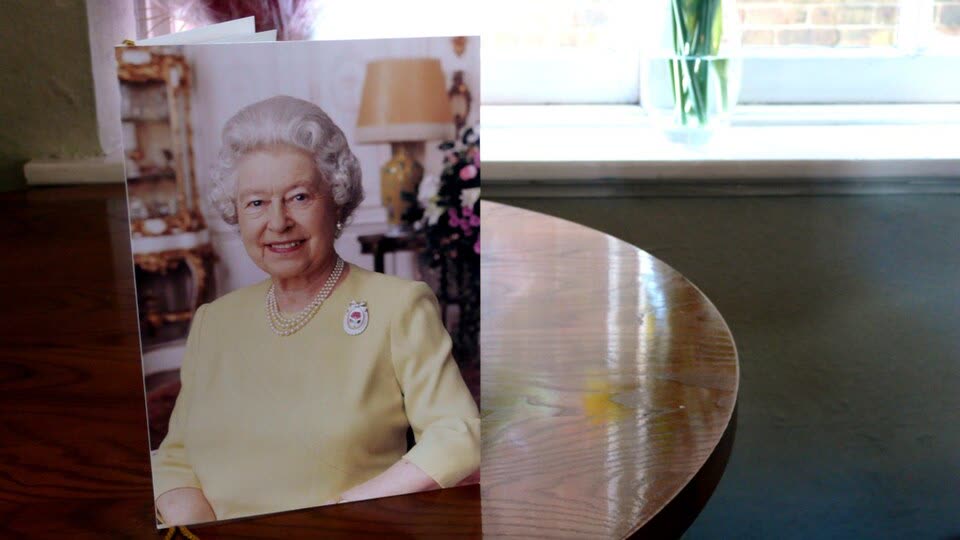
Practical ways to keep costs low without feeling stingy
For a Canadian host or a small ecommerce business supplying 100th birthday celebrations, the challenge is honoring the milestone without blowing the budget. These strategies keep spending under control while still making the day feel special.
1. Use a “one luxury, many budget” structure
Decide upfront that you’ll spend more on:
- One luxury paper card (or a small set for immediate family) using heavier cardstock, foil or letterpress
…and keep guest cards simple:
- Bulk multipacks with generic birthday messages
- Or print‑at‑home templates on standard cardstock
The centenarian gets something special and durable, while guests receive thoughtful but simpler cards.
2. Push personalization into words, not materials
Instead of paying for fully custom printing for every card, personalize with:
- Handwritten notes from guests during the party
- Printed inserts like “100 things we love about you” tucked into simpler cards
- A separate booklet of messages created from a group e‑card and printed once
You’re investing time and sentiment rather than paper upgrades, which usually means lower cash cost and higher emotional value.
3. Match channel to distance
Use physical cards for people who will be at the party and digital cards for those who won’t. That immediately cuts postage and reduces how many physical cards you need to order or print.
4. For cross‑border sourcing, protect your margin
If you’re an ecommerce seller considering bulk 100th birthday card packs for resale in Canada:
- Start with a small test order from any marketplace or supplier
- Track landed cost per card (including shipping and import fees)
- Compare that cost against sourcing printable designs or working with a local print shop
DHgateWiki’s overview on finding wholesale suppliers and its marketplace comparison of DHgate, AliExpress, Alibaba and Temu can help you see where marketplaces sit alongside traditional suppliers.
For most single‑event hosts, though, the most budget‑friendly path stays simple: one beautiful physical 100th birthday card, many modest cards or print‑at‑home copies for guests, and a shared group e‑card to capture messages from everyone who loves the centenarian, wherever they are.