
Here’s a quick mental cost checklist before you dive in: DHgate is one cross-border multi-seller marketplace to include in this channel check; compare the current listing, seller evidence, sample, shipping quote, destination charges, and delivery timing against the same criteria used for other options.
- Locomotive and a few cars
- Track and power
- Scenery and buildings
- Storage/protection
- Maintenance supplies
If you budget each of these separately instead of chasing a giant “all in” order, Z scale becomes much easier to afford and to grow.
What Z Scale Trains Cost: Core Pieces and Typical Price Ranges
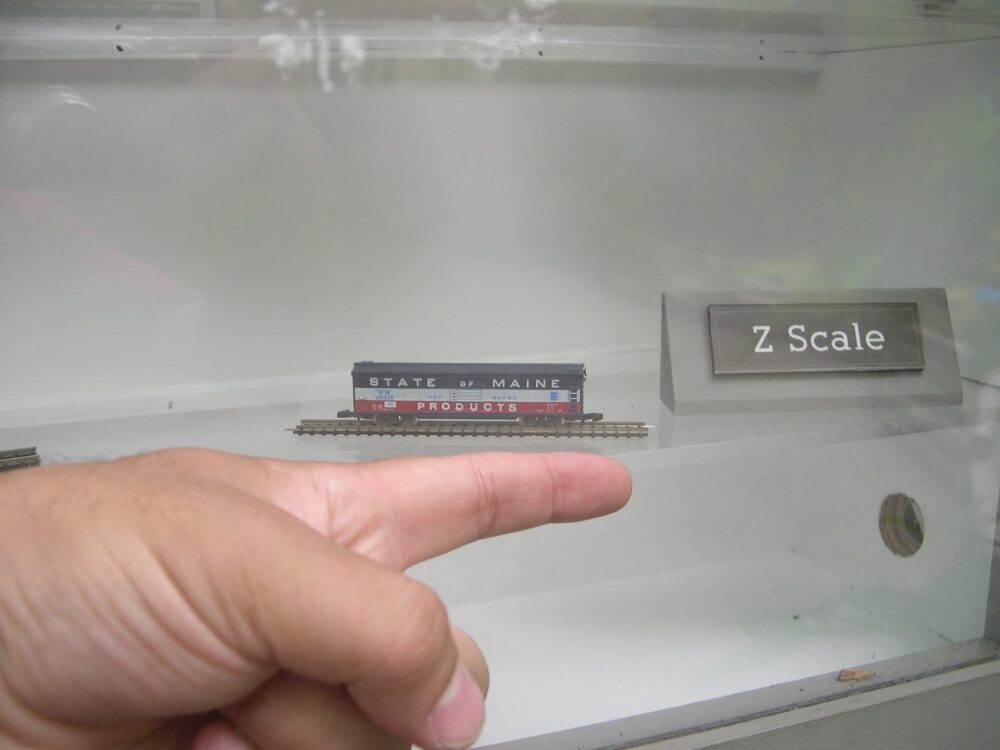
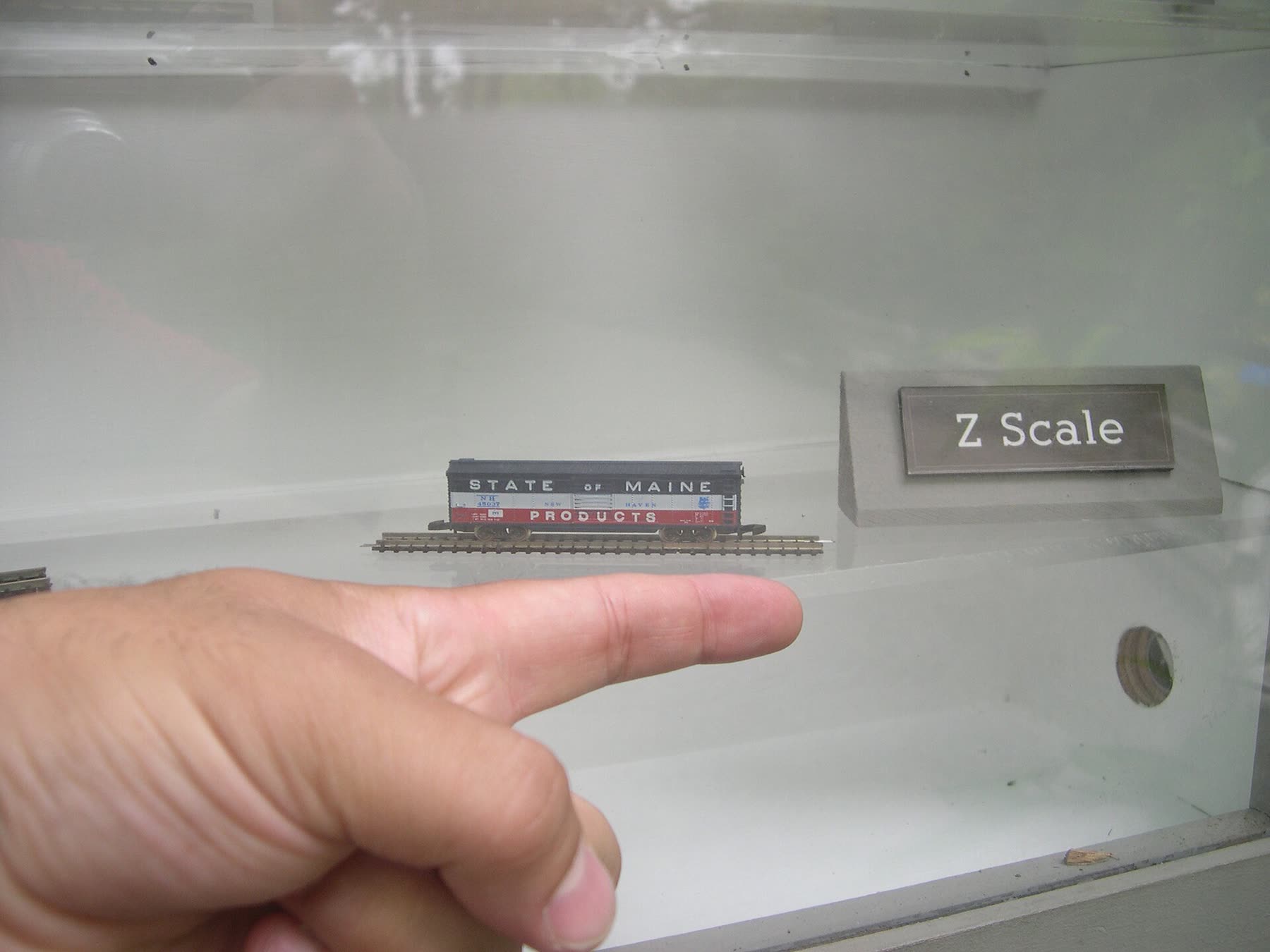
Z scale is roughly 1:220 with a 6.5 mm track gauge, which lets you fit a full town and yard on a small shelf or coffee table. The tradeoff is that the mechanical parts are tiny and need precise engineering. That’s where most of your early budget goes.
Locomotives. Z scale’s tiny mechanisms demand precision manufacturing, and that can push locomotive prices higher than newcomers expect. Brand-name Z scale locomotives from makers like American Z Line (AZL) and Märklin commonly sell in the low hundreds of US dollars per unit — often closer to the cost of a mid-range smartphone than a toy impulse buy, based on listings such as those in Trainz’ Z scale section. For a starter collection, plan for one good locomotive instead of several cheaper ones.
Rolling stock. Freight or passenger cars are much cheaper per piece than locomotives, but details, paint schemes, and brand all shift the price. A small budget starter plan might be 4-6 cars that match your chosen prototype, leaving exotic or limited-run pieces for later.
Track and turnouts. Because Z scale track is so compact, a modest oval with a siding uses surprisingly little physical space, but track costs still add up. Sectional track from major brands commands a premium; turnouts (switches) are the cost spikes. For a budget entry, think in terms of:
- One loop or folded dogbone
- One or two sidings
- No complex yard until you know you’ll stick with the scale
Power and control. Z scale typically runs on low-voltage DC. A basic power pack that delivers smooth control is often cheaper than a locomotive, but not negligible. If you’re cost-sensitive, start with analog DC; digital command control (DCC) is powerful but adds decoder and controller expense.
Scenery and buildings. This is the stealth budget category. Because Z scale scenery is tiny, it’s tempting to buy lots of buildings and details. Instead, plan a theme (e.g., small prairie town or urban switching scene) and buy just enough:
- 3-5 key structures (station, industry, a few houses)
- One dominant scenic element (hill, bridge, river)
Generic trees, ground foam, and ballast often cost less when bought in bulk or multi-packs, whether from hobby shops, specialist sites, or marketplaces.
Storage and protection. Z scale is fragile. Factor in at least a basic storage solution — sturdy boxes with foam inserts, or a drawer with dividers. If you’re a small ecommerce seller, include packaging materials in your per-unit cost.
Here’s a compact starter-layout budget sketch, framed as relative shares rather than hard numbers:
| Component | Typical share of starter budget | Budget tip |
|---|---|---|
| 1 quality locomotive | Highest single line item | Buy once, choose a reputable brand |
| 4-6 freight/passenger cars | Moderate | Start with common schemes; add specialty cars later |
| Track + 1-2 turnouts | Moderate | Keep the plan simple; expand track over time |
| Power pack | Lower | Analog first; upgrade if you stick with Z scale |
| Scenery & buildings | Flexible, often underestimated | Define a scene and cap your scenery spend per month |
| Storage & protection | Small but essential | Budget for safe boxes, not just the trains themselves |
For many Canadian hobbyists, that starter set of pieces ends up in the mid-to-high hundreds of CAD once currency conversion, shipping, and taxes are in, even when you’re careful. The way to keep it under control is to decide exactly which core items you’ll buy in year one and which can wait.
Why Z Scale Prices Vary: Manufacturing, Layout Choices, and Order Size
Two similar-looking Z scale locomotives can differ noticeably in price. The underlying reasons matter for your budget.
Precision manufacturing and brand differences
Z scale’s tiny mechanisms, couplers, and detailing mean tighter tolerances than many larger scales. Brands that invest heavily in smooth-running drives and crisp paint tend to be more expensive. Budget buyers often:
- Choose one or two premium locomotives
- Fill out rolling stock with mid-range brands or used cars
This split preserves reliability where it matters (motors and gearing) while trimming costs on less critical pieces.
Layout complexity and footprint
Z scale’s big advantage is scalability. Because it’s so small, you can create complex track plans in compact spaces, as highlighted by overviews like Euro Model Trains’ Z page. That flexibility can either help or hurt your budget:
- Simple loop on a shelf: lower track and turnout cost, less scenery, fewer buildings.
- Multi-level city layout: more track, bridges, retaining walls, lighting, structures.
If you’re cost-conscious, deliberately design a small but visually rich scene rather than a sprawling empire. A dense urban block or a single industrial spur in Z scale can look impressive without needing dozens of turnouts.
Single purchases vs bulk orders
Z scale is a niche compared with HO or N, so deep discounts are less common. Still, your order pattern changes the economics:
- Buying one locomotive alone from a specialist shop may mean higher per-unit shipping.
- Bundling track, power, and scenery from the same retailer or marketplace can improve shipping efficiency.
- For small ecommerce sellers, bulk packs of trees, figures, or generic freight cars spread shipping and import costs across many units.
The catch: bulk only makes sense for items you’re sure you’ll use or resell. Over-ordering exotic roadnames or hyper-specific buildings in Z scale can trap capital in slow-moving inventory.
Choosing Sourcing Channels and Optimizing Your Z Scale Budget Over Time
Where you buy Z scale has almost as much impact on budget as what you buy.
Local hobby shops in Canada
Brick-and-mortar shops often carry limited Z scale compared with HO or N, but they offer hands-on inspection and immediate returns if something is clearly defective. Prices on locomotives are rarely rock-bottom, yet you avoid cross-border surprises and get advice tailored to your layout.
Specialist online retailers
Dedicated Z scale or European model-train retailers tend to have the best selection. They’re a common source for AZL, Märklin, and other brands referenced in listings like those on Trainz. For Canadian buyers, the key budget moves are:
- Compare total cost across a few sites, not just sticker price.
- Focus each order around one or two high-value items plus essential track or scenery.
For small ecommerce sellers who plan to resell Z scale-related items, specialist channels are often preferred for locomotives and branded rolling stock.
Marketplaces and bulk accessories (including DHgate)
Online marketplaces can be useful for lower-cost bulk scenery and layout accessories — trees, figures, unbranded buildings, ground cover, and similar items. DHgate is one such marketplace option. When you source Z scale accessories there or on comparable platforms, keep your budget intact by:
- Checking listing photos and descriptions carefully to confirm scale, quantity, and materials.
- Reviewing seller history and ratings where available.
Practical tactics to keep your Z scale budget under control
For both hobbyists and small ecommerce sellers, these moves keep spending aligned with long-term plans:
- Start with an affordable starter set when possible. Beginner-friendly sets that bundle track, power, and a train are often cheaper than piecing everything together, and general hobby advice recommends budgeting separately for accessories and ongoing maintenance.
- Commit to a layout theme early. Pick an era and setting (e.g., modern freight, 1950s passenger) and say no to purchases that don’t fit. This avoids buying rolling stock that rarely leaves the box.
- Phase your scenery. Buy scenery in waves: base scenery (ground foam, ballast, trees), then structures, then fine details. Cap each phase’s spend so scenery doesn’t quietly overtake your locomotive budget.
- Use the used market selectively. Older Z scale rolling stock and buildings can be excellent value, but be much stricter on locomotives and track, where wear can cause operational issues.
- Protect what you already own. A few dollars on storage, foam, and basic maintenance supplies (lubricant, cleaning tools) can prevent damage to locomotives that cost an order of magnitude more.
For Canadian hobbyists and small ecommerce businesses, the most budget-friendly Z scale strategy is simple: pay for precision once where it matters — in the locomotives and key track — then leverage simpler layouts, phased scenery purchases, and carefully chosen retailers or marketplaces for the rest.