
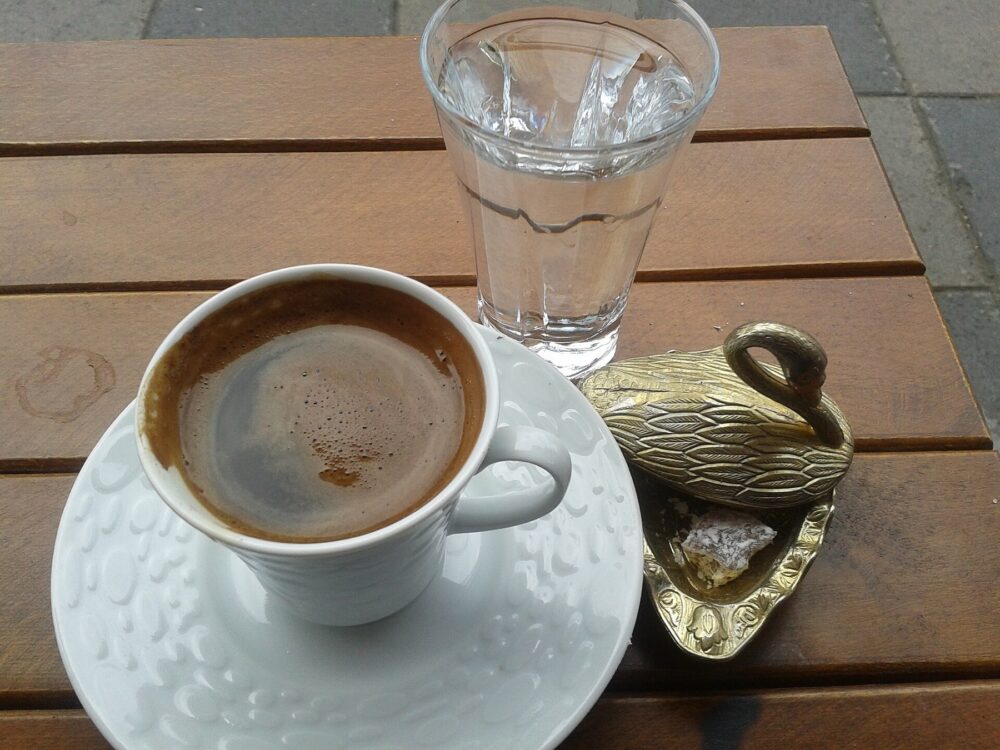
You can buy Turkish delight plates online, but they’re a niche serveware category, so you won’t always find them under that exact name at big U.S. stores. For U.S. buyers and small ecommerce sellers, the realistic options fall into a few buckets: mainstream marketplaces (Amazon, eBay, Etsy, Wayfair), Turkish specialty brands and copperware sites, vintage/auction platforms, and broader cross‑border marketplaces. Each route trades off ease, price, and how “authentic” or distinctive your lokum dishes will feel.
If you just want a couple of pretty plates for serving lokum with coffee, mainstream retail and artisan marketplaces are usually the quickest, lowest‑friction path. If you’re sourcing inventory or want traditional copper gondola bowls and Ottoman‑style motifs, Turkish specialty sites and selective cross‑border marketplaces can open up more options—but with longer shipping and more verification work.
What Counts as a Turkish Delight Plate, and Where Are They Sold Online?
“Turkish delight plates” aren’t a regulated category. In practice, it covers small decorative dishes and bowls used to serve lokum alongside tea or coffee—anything from pressed‑glass dessert plates to copper gondola bowls or footed candy dishes.
Vintage and collector platforms show how broad this can be. On Catawiki, for example, you’ll see pressed‑glass dessert plates explicitly described for Turkish delight service, often in small sets. These look like classic bonbon dishes and will feel familiar to U.S. buyers who’ve seen mid‑century candy plates.
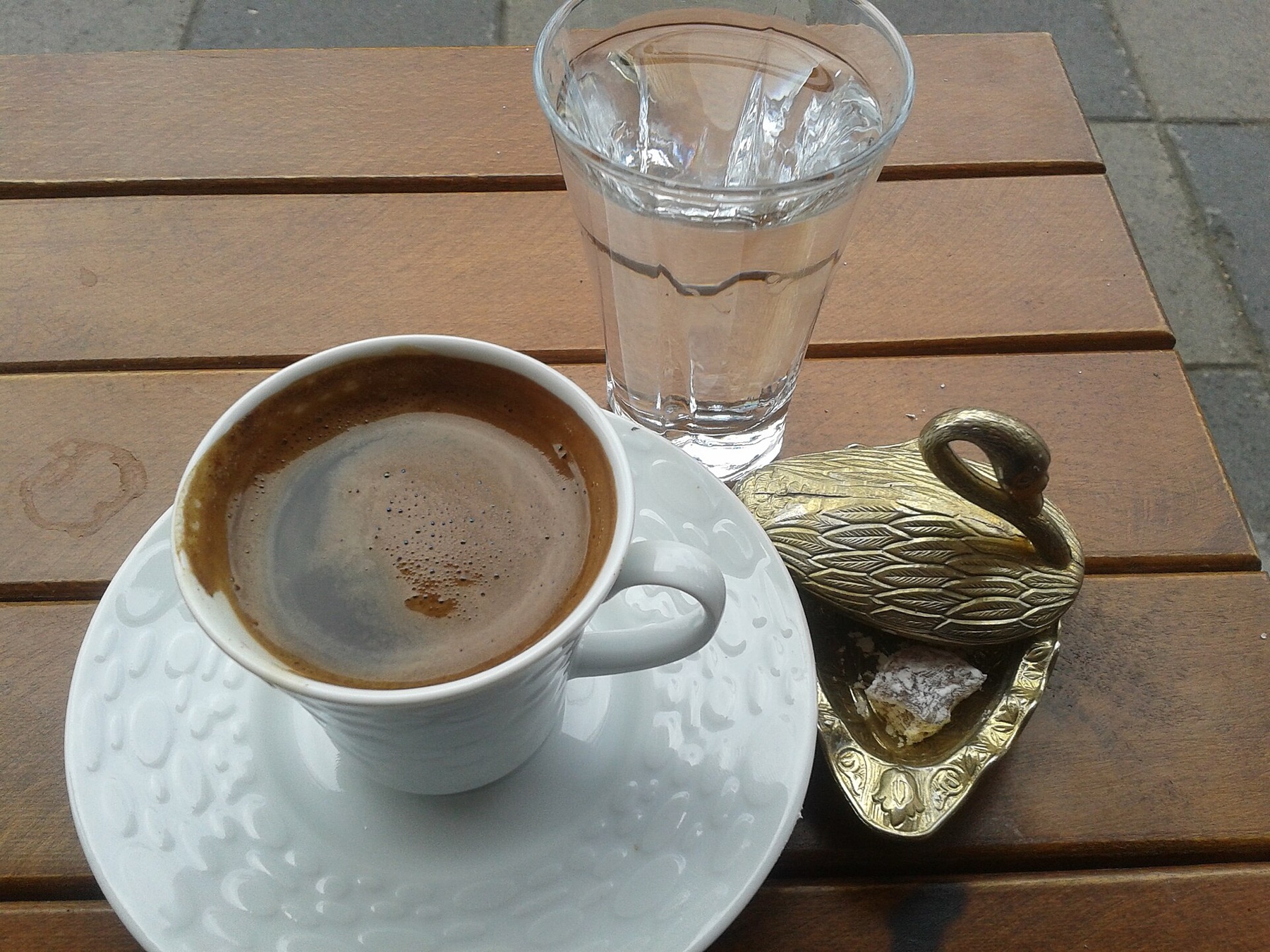
Specialty Turkish serveware sites lean more into traditional forms. A hand‑engraved copper gondola bowl sold as a sugar bowl or Turkish delight dish on TurkishCopperware is a good example: elongated boat shape, detailed engraving, sized for small sweets on a coffee tray.
Mainstream online marketplaces and home‑goods retailers in the U.S. often carry functionally similar items—dessert plates, bonbon dishes, small trays, and lokum bowls—but label them as “candy dishes,” “dessert plates,” or “Turkish style” rather than “Turkish delight plate.” You’ll see these kinds of products on Amazon, eBay, Etsy, and Wayfair, as well as on curated homeware sites that stock Eastern Mediterranean or Ottoman‑inspired ceramics.
Turkish home‑décor and serveware brands such as BakırBul also sell internationally through their own sites, offering copper plates, trays, and bowls with traditional motifs that work well for lokum service. For U.S. buyers, that opens up more authentic designs but introduces cross‑border issues like longer transit and customs checks.
How Different Platform Models Handle Turkish Delight Plates
You don’t need a dedicated “Turkish delight” section to find good plates. The key is understanding how each platform type sources and sells niche serveware.
Retail marketplaces and big‑box style sites
Think Amazon, Wayfair, and large homeware retailers. These usually carry:
- Small dessert plates and candy dishes in glass, porcelain, or ceramic
- “Turkish style” or “Middle Eastern” patterned plates from global brands
- Gift‑oriented sets (plate + coffee cups, etc.)
Pros: easy search, bundled shipping with other household items, familiar checkout. Cons: designs skew mass‑produced, and product titles may not mention lokum at all, so you must search creatively (“dessert plate Turkish,” “lokum bowl,” “bonbon dish”).
Artisan marketplaces
Etsy‑style platforms specialize in handmade and vintage pieces. Here you’ll find:
- Hand‑painted ceramic lokum plates
- Copper and brass candy dishes with engraved lids
- Vintage pressed‑glass dessert plates similar to the Catawiki examples
Pros: unique designs, small batch production, and direct contact with makers—ideal if you want your coffee service to look different from big‑box sets. Cons: higher per‑piece pricing, variable stock, and some listings ship from Turkey or Europe, which can extend delivery times.
Vintage, auction, and collector platforms
Sites like Catawiki, local auction houses, or vintage marketplaces often list sets of “Turkish delight dessert plates” or similar pressed‑glass and crystal pieces.
Pros: character and history, sometimes full sets that make sense for a café or dessert bar theme. Cons: one‑off listings, unpredictable availability, and conditions that vary from pristine to clearly used.
Turkish specialty brands and serveware shops
Turkish copper and ceramics brands selling internationally—such as BakırBul’s serveware selection or TurkishCopperware’s gondola lokum bowls—focus on traditional materials like copper and hand‑painted ceramics, often with Ottoman or Anatolian patterns.
Pros: strong cultural fit for Turkish delight, coordinated tea and coffee service sets, and higher design consistency if you’re building a brand aesthetic. Cons: cross‑border purchasing friction: longer shipping windows, possible customs duties for U.S. buyers, and returns that involve international logistics.
Cross‑border marketplaces
Large cross‑border marketplaces (AliExpress, Alibaba, DHgate) may list decorative plates, bowls, and candy dishes from suppliers worldwide. These are often generic serveware rather than explicitly marketed as “Turkish delight plates,” but they can function that way.
For small U.S. ecommerce sellers, this route can be useful if you want to test low‑volume inventory with varied designs. It also requires more effort: you’ll need to vet each seller’s photos and descriptions, request exact dimensions, and manage expectations on transit time and packaging quality.
If you’re curious about how one of these marketplaces works in general, the background explainer at What DHgate is and how the marketplace works is a good neutral starting point.
Here’s a compact way to think about the platform trade‑offs:
| Platform type | Typical plate style | Best for | Key friction for U.S. buyers |
|---|---|---|---|
| Big‑box/retail marketplace | Mass‑produced glass/ceramic dessert plates | Casual home use, gifts | Finding designs that feel “Turkish” |
| Artisan marketplace | Handmade ceramics, copper lokum bowls | Distinctive hosting, small brands | Higher price per piece, varied shipping |
| Vintage/auction | Pressed‑glass, retro candy dishes | Themed cafés, eclectic homes | One‑off stock, variable condition |
| Turkish specialty brands | Traditional copper, patterned ceramics | Authentic lokum and tea service | Cross‑border shipping and customs |
| Cross‑border marketplaces | Generic decorative plates and bowls | Budget inventory experiments | Seller vetting, expectations on transit |
Matching Platform Types to U.S. Buyer and Small Seller Scenarios
The right platform depends heavily on what you’re trying to do with Turkish delight plates.
Scenario 1: Hosting at home or buying a gift
If you’re a home host who just wants a pretty way to serve lokum with coffee:
- Start with big‑box retail or mainstream marketplaces, where you can filter by material and pattern and bundle your order with other tableware.
- If you care more about cultural authenticity than convenience—say you’re recreating a Turkish coffeehouse feel—consider one or two pieces from Turkish specialty brands or artisan marketplaces. A copper gondola bowl or engraved lokum dish immediately signals what you’re serving.
Cross‑border marketplaces usually add more friction than benefit for a one‑off household purchase unless you already know a specific supplier and are comfortable with international delivery times.
Scenario 2: Small Etsy shop or dessert business
If you’re a small ecommerce seller or café owner, your needs shift:
- For a cohesive brand look built around Turkish coffee and lokum, Turkish specialty brands and artisan platforms are strong sources for serveware that photographs well and matches your story.
- Vintage and auction platforms are helpful if your concept leans retro—pressed‑glass Turkish delight plates and candy dishes make a good visual anchor.
- Cross‑border marketplaces and global retail sites can make sense for stocking more generic dessert plates or testing low‑priced options before you commit to a signature set.
Regardless of platform, keep your verification steps practical and specific to this category:
- Check capacity and dimensions. Lokum pieces are small, but you still want plates that can handle powdered sugar or nut toppings without crowding.
- Look closely at material and finish. Copper and unglazed ceramics can patina or react; decide whether you want that look and how it fits your brand photography.
- Assess listing photography for real use. Prefer photos that show sweets or similar items in the dish—it’s easier to imagine how Turkish delight will present on your table or in your product shots.
If you’re considering broader marketplace sourcing beyond this narrow category, you may find it helpful to step back and look at the bigger landscape at Compare online marketplaces and shopping platforms or, for cross‑border sourcing decisions, Compare DHgate with AliExpress, Alibaba and Temu. Those can help you decide whether it’s worth expanding your sourcing beyond the Turkish delight plates themselves.