

Moss-and-flower projects can be surprisingly cheap if you’re clear on what you’re actually buying. Moss itself is a non-flowering plant, so most “moss and flowers” decor uses moss for texture plus separate blooms (live or artificial) layered on top. Your cost comes from three buckets: the moss (live, preserved or faux), the flowers, and shipping/fees if you buy cross-border.
For Canadian hobbyists and micro-brands, the easiest budget route is: use small live moss patches or preserved reindeer/sheet moss from local garden centers, pair them with affordable flowers (seed packets, grocery bouquets, or basic faux stems), and keep projects compact. As you scale up, the cost balance changes and you’ll need to decide whether local retail, local wholesale, or marketplaces and niche moss-art suppliers offer better value.
1. What actually drives the cost of moss-and-flower projects?
Before you pick a supplier, break the project into components:
- Moss type – Live moss must be kept moist and usually shipped fresh; preserved sheet or reindeer moss is dried and often dyed; faux moss is usually plastic or fabric. Each has a different cost profile.
- Flower type – True flowers (fresh or dried), or moss-associated flowering plants like moss campion and moss roses, versus faux stems or paper blooms.
- Base and hardware – Frames, pots, boards, glue, pins, floral tape.
- Shipping, customs, and fees – Especially if you buy from the U.S., Europe, or Asia.
Biology references like Biology Insights confirm that mosses don’t produce flowers, but they form dense, soft mats plus taller sporophyte stalks that many people call “moss flowers” for visual effect. That’s why decor brands such as Ekomoss’s moss picture line pair preserved moss with bright flower paths—two separate material categories.
At hobby scale, your biggest direct costs are:
- Materials – Moss, flowers, adhesives and a base. For a small wall piece or centerpiece, you’re often playing in the tens of dollars range rather than hundreds, if you source smartly.
- Tools – Scissors, wire cutters, a basic hot glue gun, and maybe a misting bottle for live moss; usually a one-time cost spread across many projects.
- Shipping/fees – Can rival material costs if you order heavy or bulky moss from far away.
For small ecommerce runs (say 10-50 pieces of moss art), material costs still dominate, but shipping, packaging, and import fees to Canada start to matter more, especially if you’re pulling preserved moss from overseas and faux flowers from marketplaces.
2. Price factors that can make or break your budget
Several specific factors will change what you pay for moss and flowers.
Project size and moss choice
Small pieces—like a 5×7″ moss frame or a tiny tabletop garden—use very little moss and a handful of blooms, which keeps costs low even with nicer materials. Large wall installations need a lot of coverage, so switching from live or specialty preserved moss to more generic preserved or faux moss can cut costs dramatically.
Canadian references like the Canadian Museum of Nature’s moss overview and native plant sellers such as Wild About Flowers’ moss campion listing highlight a practical distinction: true moss vs moss-like groundcovers or alpine flowers. Moss campion and moss roses (covered by the Old Farmer’s Almanac) give you colorful blooms on low, cushiony foliage—visually similar to moss but often easier to grow outdoors in Canadian conditions, which can be cheaper over time than constantly buying preserved moss.

Live vs preserved vs faux
- Live moss: Often collected locally with permission or bought from specialized nurseries. It’s usually sold damp and can be more expensive per square foot once you factor in shipping and care.
- Preserved moss (e.g., sheet or reindeer): Sold dry, colored, and ready for decor; easier to ship and store. Many Canadian garden and craft suppliers offer small bags or boxes, which are cost-effective for hobbyists.
- Faux moss and faux flowers: Cheaper per project at scale, but can look plasticky if you buy bottom-tier goods.
For beginners and budget projects, preserved or faux moss is usually the sweet spot: no ongoing care, better shelf life, and simpler shipping.
Seasonality and sourcing
Fresh flowers and moss-like plants such as moss roses or moss phlox are cheapest when in season locally, because you can buy cut stems or starter plants instead of imported blooms. Out of season, you’ll pay more for imported fresh flowers or switch to dried or faux.
For small ecommerce runs, seasonality can dictate your entire supply chain. A brand that sells moss campion-themed planters sourced from a native supplier like Wild About Flowers will face higher costs and possible stock constraints outside the prime planting season, while a brand that standardizes on preserved moss and faux blooms can buy more predictably year-round.
Minimum order quantities (MOQs) and customization
Even without exact numbers, you can expect:
- Garden centers and craft stores – Essentially no MOQs; you buy a bag of moss or a few stems at a time.
- Wholesalers and some online suppliers – MOQs for boxes or cases of moss, faux stems, or frames. Great per-unit pricing but bad for tight budgets or limited storage.
- Custom colors or arrangements – Dyed moss, bespoke flower mixes, or branded packaging typically increases per-unit cost and may require higher MOQs.
If you’re just starting, avoid customized materials and high MOQs. Prove your design with off-the-shelf moss and flowers, then negotiate larger orders once you see consistent demand.
3. Choosing the right channel: local, wholesale, marketplaces, and niche brands
You don’t have to stick to one supply channel. Each has distinct cost and value tradeoffs.
Here’s a compact way to compare them:
| Channel type | Typical buyer | Cost profile (editorial) | Best use cases |
|---|---|---|---|
| Local garden center / craft store | Hobbyist, very small brands | Higher unit price, no MOQs, minimal shipping | Testing designs, one-off gifts, small custom orders |
| Local wholesale / floral supplier | Florists, small ecommerce | Lower unit cost, MOQs, local delivery or pickup | Repeatable product lines, monthly restocks |
| Specialist moss-art brand (e.g., preserved moss panels) | Decor-focused brands, interior designers | Highest unit cost, premium finishing, limited customization | High-margin wall art, corporate or wedding decor |
| Cross-border marketplaces (Cross-border multi-seller, AliExpress, etc.) | Cost-sensitive buyers, small ecommerce | Low unit prices, but shipping to Canada and import fees can be significant | Bulk faux flowers, preserved moss and hardware when MOQs and fees still net out cheaper |
Where DHgate can fit—and where it may not
As a cross-border marketplace, DHgate can be useful if you’re buying bulk faux flowers, preserved moss, or frames for small ecommerce production, especially once you already know which materials work and you’re ready to buy larger quantities to reduce unit cost.
However, Canadian buyers should treat every listing as its own mini cost calculation:
- Check minimum order quantities carefully so you don’t end up with far more moss or flowers than you can use.
- Read reviews and photos to judge quality, since cheaper faux florals can look noticeably plastic in person.
If your projects are very small, or you care most about local/native plants (like moss campion or moss roses in Canadian gardens), the hassle and uncertainty of cross-border sourcing might outweigh savings. For these cases, local nurseries, craft stores, or Canadian wholesalers are usually a better fit.
For buyers comparing marketplaces more broadly—including DHgate vs AliExpress, Alibaba, or Temu—see this marketplace comparison to align platform choice with your budget and volume.
4. Concrete ways to keep moss-and-flower projects affordable
Once you understand cost drivers and channels, you can cut spend without sacrificing usability or visual impact.
Start small and standardize your materials
Design your first projects around:
- One moss type (e.g., preserved sheet moss) and
- One flower strategy (e.g., seasonal grocery-store blooms, or a specific faux line).
This lets you buy slightly larger quantities from a single supplier and reduces wastage from leftover odd materials.
Use moss strategically for impact, not full coverage
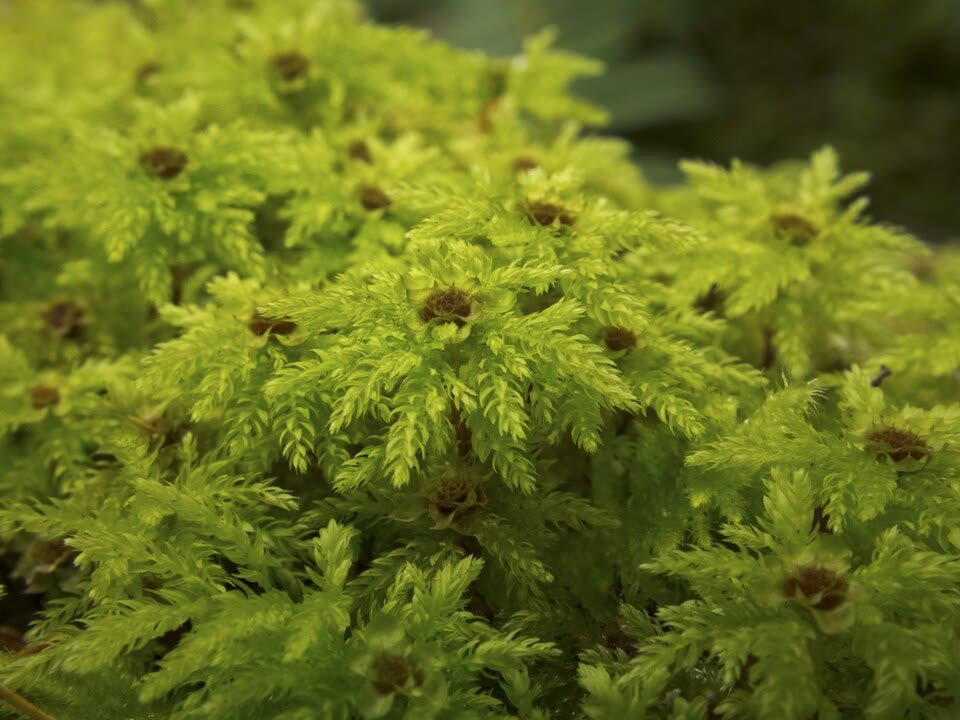
You don’t need a thick moss carpet everywhere. A few dense patches around focal flowers or objects can give the illusion of lushness while using half the moss. Reference photos such as the “moss flowers” close-ups on Wikimedia Commons show how sporophyte stalks and clumps draw the eye even when coverage is partial.
Time your buying to local seasons
For Canadian buyers, lean on spring and early summer for:
- Affordable starter plants like moss roses or moss phlox from regional nurseries.
- Cheaper fresh flower stems that you can dry or press for later projects.
Off-season, prioritize preserved moss and faux blooms sourced in bulk; they store well and avoid price spikes.
Bundle materials and negotiate once you have a repeat design
If your brand settles on “small preserved-moss frames with three faux blooms,” show local wholesalers or marketplace sellers your pattern and ask about bundle pricing—a carton of frames plus matching faux stems and moss. You don’t need exact MOQ numbers to benefit; just be explicit about your target quantity and budget.
For cross-border suppliers (including DHgate sellers), always ask for:
- A clear quote that separates product price, shipping, and any surcharges.
- Packaging details so you can estimate shipping weight and storage needs.
Avoid hidden waste: test samples before scaling
Even budget materials become expensive if they don’t perform. Before you commit to a big order of preserved moss or faux flowers:
- Buy small test batches from 1-2 suppliers.
- Assemble a few pieces and monitor shedding, colorfastness, and how the moss looks over several weeks.
For small ecommerce operations, documenting these tests pays off. You’ll know which suppliers you can trust and which combinations keep per-unit costs low while still looking good in customer photos.
By treating moss-and-flower decor as a clear cost structure—material choice, channel choice, and smart scaling—you can keep both hobby projects and early-stage product lines firmly in the budget zone, without giving up the lush, natural look that makes moss so appealing.