
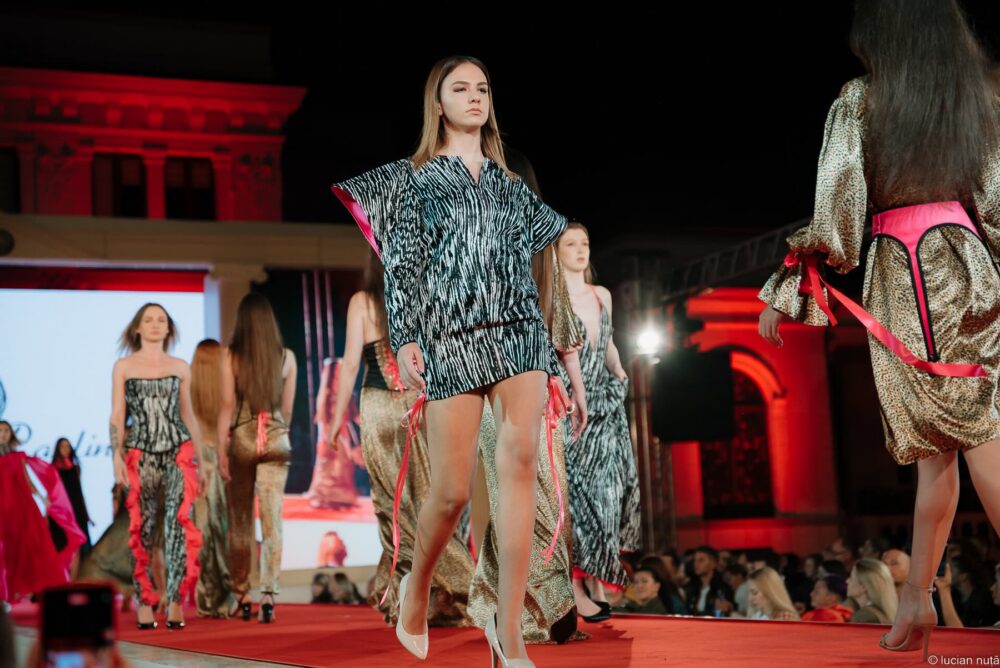
You can recreate a standout Coachella look on a budget by treating your outfit like a cost puzzle: spend on one or two desert-proof statement pieces, keep the rest flexible and cheap, and choose sourcing channels that don’t sneak in high shipping or import fees. For most Canadian and US buyers, the money should go into comfortable boots or shoes, one statement garment (fringe jacket, metallic top, or sequined set) and practical accessories like hats and sunglasses. Thrift, DIY, and carefully chosen cross-border buys can handle the rest without your budget melting in the desert sun.
Recent style reports for Coachella 2026 describe a blend of modern boho, desert-western influences, metallics, and dramatic fringe rather than pure hippie boho.Trendalytics Coachella 2026 trend overview That mix is good news for your wallet: you only need a few on-theme details to look current.
What Actually Drives the Cost of a Coachella-Ready Outfit?
Think in components, not vibes. A typical Coachella-ready look breaks into:
- Footwear: boots, sneakers, or chunky sandals that can survive dust, heat, and long standing.
- Core garment: dress, denim-and-top combo, or a bodysuit-and-bottom set.
- Statement layer: fringe jacket, metallic shirt, crochet topper, or sequined piece.
- Accessories: hats, sunglasses, jewelry, belts, small bag.
- Customization: DIY distressing, patches, trims, alterations.
On top of product prices, you’re paying in non-product costs:
- Shipping: local online retailers usually mean simpler shipping; cross-border marketplaces add distance and time. Express options cost more.
- Customs and import fees: for Canadian buyers, cross-border sourcing can trigger GST/HST, duties, and brokerage fees. Those can easily outweigh a small discount on the garment itself if you misjudge the channel. You can learn how these fees are typically calculated in this explainer on customs, tariffs and import fees.
- Returns risk: festival timelines leave little room for returns. A mis-sized item that can’t be swapped in time turns into sunk cost.
Your goal is to push spend into high-impact, high-use pieces and pull it out of background items. A desert-ready boot you’ll rewear for years is a better investment than a one-night metallic belt.
Price Factors: From DIY Fringe to Desert-Ready Boots
Some choices move your budget drastically; others barely register. Here’s how the main levers behave.
1. Shoes vs. Everything Else
Dust, heat and hours of walking mean footwear is the most unforgiving place to cheap out. Desert-western boots and chunky sneakers are heavily featured in recent Coachella trend coverage, including desert-focused roundups from fashion media.Festival trend coverage
Editorially, the smart budget move is:
- Spend on comfort and durability: boots or sneakers you can keep wearing after the festival.
- Accept simpler styling: neutral colors, fewer embellishments.
- Use socks, laces, or boot chains as cheap style upgrades.
2. Statement Layer vs. Basic Base
Metallics, sequins, and fringe are everywhere in 2026 trend recaps.Coachella 2026 trend insights These details usually drive price up because they require more material, labor, or specialty fabric.
A budget strategy that still looks high-impact:
- Keep your base basic: thrifted denim shorts, simple black bodysuit, plain slip dress.
- Add one dramatic layer: thrift-store fringe jacket, secondhand sequined blazer, metallic crop top.
- Use rental for the very extra piece if you won’t wear it again; this mirrors general celebrity-style-on-a-budget advice that mixes one flashy item with cheaper basics.Celebrity outfit budgeting tips
3. DIY Customization
DIY is the quiet hero of Coachella budgeting. General fashion-budget guides highlight techniques like distressing denim, adding patches, or altering basics to mimic designer aesthetics for far less.DIY customization guidance Applied to festival fashion, you can:
- Turn old jeans into cut-off shorts and fray the edges.
- Add iron-on patches or fabric paint to a basic denim jacket.
- Attach fringe trim to sleeves or the hem of an inexpensive shirt.
- Layer fishnet tights under ripped shorts for a Beyoncé-inspired texture without buying a specialty bodysuit.Beyoncé Coachella style context
These moves convert cheap basics and thrift finds into unique pieces, lowering what you spend on brand-new “Coachella-specific” garments.
4. Accessories: Small Items, Big Budget Trap
Accessories can quietly balloon your total outfit cost:
- Multiple pairs of sunglasses.
- Trend hats (cowboy, wide-brim, bucket).
- Statement jewelry and belts.
- Micro-bags that only work for festivals.
General budget advice suggests looking to affordable accessories and thrift rather than paying premium retail for these items.Affordable fashion tips For Coachella, set a cap: choose one hat, one bag, one jewelry “theme” (gold hoops + layered chains, or silver cuffs + rings). Fill in gaps with very low-cost pieces or ones you already own.
Budget Tiers: Where to Put Your Money
Think in rough tiers instead of exact prices, since costs fluctuate widely by brand and channel.
| Budget Tier Focus | What to Buy Here | Why It Deserves Spend |
|---|---|---|
| High-impact essentials | Boots/sneakers, one statement garment | Comfort and visibility across photos and multiple wears |
| Mid-tier stretch | Base denim, bodysuits, simple dresses | You’ll rewear them and they anchor different looks |
| Low-cost flex | Hats, sunglasses, belts, jewelry, tights | Easy to thrift, DIY or buy cheaply; trends change fast |
| Nearly free | Customizations, patches, fringe trim, repairs | Turn existing clothes into fresh Coachella pieces at minimal extra cost |
If you’re sourcing inventory as a small seller, the same tiers apply—only your “high-impact” zone becomes the pieces you’re confident you can sell across festival seasons (e.g., neutral western boots, classic denim shorts), not just what’s hot for one year.
Choosing a Sourcing Channel and Cutting Costs Safely
You have four realistic sourcing paths: local retail, thrift/DIY, small wholesale, and cross-border marketplaces. Each carries different cost drivers and risks.
Local Retail and Online in North America
Pros:
- Clear pricing and tax at checkout.
- Easier returns and exchanges before your trip.
- Fast delivery and relatively reliable sizing information.
Cons:
- Festival season often coincides with peak pricing.
- Less unique if you shop the same chains everyone else does.
Budget tactics: watch for end-of-season clearance on boots and jackets, and build your base outfit from items you already own.
Thrift, Consignment and DIY
Pros:
- Low cost per piece, especially for denim, outerwear, and accessories.
- Vintage and one-off items that feel truly unique.
Cons:
- Time-intensive hunting and altering.
- Sizing and condition can be unpredictable.
This is where you get fringe jackets, leather vests, and denim for custom projects. DIY techniques like distressing, patchwork, or cuts are well-established ways to emulate designer or celebrity festival aesthetics on a budget.Designer-aesthetic-on-a-budget guidance
Small Wholesale and Bulk Orders
If you’re a micro-brand or reseller packaging “Coachella edit” drops, small wholesale or bulk orders from suppliers (domestic or international) can bring down unit cost. Watch for:
- Minimum order quantity (MOQ): higher MOQs lock more cash into inventory.
- Lead times: checking production and shipping timing is critical with fixed festival dates.
- Landed cost per unit: include shipping, duties and taxes, not just catalog prices.
Wholesale is best for repeatable basics—denim shorts, plain bodysuits, simple hats—rather than ultra-trendy one-season pieces.
Cross-Border Marketplaces (Including DHgate)
Cross-border marketplaces give access to inexpensive accessories and bulk basics, but they add layers of complexity that matter for a tight budget and a fixed event date.
Platforms like DHgate function as marketplaces connecting you to individual sellers rather than acting as a single store. That can be useful for:
- Low-cost accessories in bulk: sunglasses, simple jewelry, belts for resale or group trips.
- Plain garments for DIY: blank bodysuits, unbranded denim, simple tops that you’ll customize.
Limitations and checks:
- Channel comparison: if you’re weighing DHgate against other marketplaces, it’s helpful to look at a neutral comparison of DHgate, AliExpress, Alibaba and Temu to understand broader tradeoffs, then decide whether cross-border sourcing suits your specific order.
For personal outfits, cross-border sourcing is usually most sensible for inexpensive accessories rather than your main boots or core garments. For resellers, it can make sense for bulk basics only if you’ve mapped customs and timing carefully.
Smart Savings Scenarios for Festival-Goers and Small Sellers
To turn all of this into decisions, use simple scenarios.
Single-outfit festival-goer, tight budget
- Rewear a pair of comfortable boots or sneakers you already own.
- Thrift denim shorts and a simple top; DIY distressing or patches.
- Spend modestly on one statement layer (fringe jacket, sequined top) from local retail or vintage.
- Cap accessories to one hat, one pair of sunglasses, and one jewelry set; source these from thrift or low-cost channels.
Group trip, matching-but-unique looks
- Pick a shared theme (desert-western, metallic night, Beyoncé-inspired sequins).Beyoncé Coachella outfit inspiration
- Each person uses thrift/DIY for their base and personal twist.
- Buy bulk accessories cross-border only after verifying landed cost and delivery windows using the customs explainer and marketplace comparison resources.
Small ecommerce seller doing a Coachella-inspired drop
- Use wholesale or cross-border marketplaces for repeatable basics with predictable demand.
- Pull true statement pieces from thrift or local sources and charge a premium for uniqueness.
- Plan drops around sales and clearance cycles to buy boots and jackets at lower cost.
If a sourcing channel doesn’t hold up on total cost, timing, or comfort, skip it. A standout Coachella look is more about smart layering, a few on-trend details, and confidence than buying every new piece at full price.