
If you want vibrant photo prints on a budget in Canada, start with mid‑range consumer photo paper: glossy or semi‑gloss, in standard sheet sizes, from a mainstream brand. This kind of inkjet paper is coated so ink sits cleanly on the surface, which can make colors look more saturated and sharp compared with generic office paper. Only step up to heavier, textured fine‑art papers once your pricing or ecommerce margins justify the higher cost per print.
For a home user or small shop, that usually means: a branded glossy or luster 4×6 or 8.5×11″ pack from Canadian retailers like Best Buy or Walmart while you dial in your workflow. If you’re selling prints, you can later test a few fine‑art sheets from brands like Hahnemühle or Canson to decide whether the visual bump is worth the added material cost.
What Really Drives the Cost of Inkjet Photo Paper in Canada
Inkjet paper is not just “nicer office paper.” It uses a coating that improves how ink droplets land and dry, which helps adhesion, color vibrancy and image sharpness compared with uncoated bond stock.
Several factors drive what you pay per print:
- Coating and finish
Photo‑specific inkjet papers (glossy, semi‑gloss, matte) are engineered for images. Using glossy or semi‑gloss paper can make colors appear more vibrant, while matte tends to give a softer, more textured look.
- Base paper type
Standard office bond is cheap and comes in large cartons and wide rolls, but it’s tuned for text and CAD drawings, not rich photographic color. Dietzgen 20 lb inkjet bond rolls, sold by Canadian suppliers like Cansel, are a typical example: wide, light, and great for plans, less suited for gallery‑grade photos.
- Format and packaging
Canadian retailers such as Best Buy and Walmart sell inkjet and photo paper in small packs (often 20-100 sheets) in consumer sizes. Pro and reprographic suppliers sell larger rolls and cases, which drop cost per square foot but raise your upfront spend and storage needs.
- Brand tier
Fine‑art brands like Hahnemühle and Canson position their inkjet lines—such as Hahnemühle’s photo/fine‑art papers or Canson Infinity Arches BFK Rives—for high‑end photo and art printing. These papers typically cost significantly more than generic office sheets because you’re paying for archival characteristics, surface texture, and color performance.
- Domestic vs cross‑border sourcing
Buying within Canada simplifies shipping and import fees. Cross‑border marketplaces can offer appealing unit prices on bulk packs or rolls, but you need to factor in international shipping, customs, and the risk that the actual coating or finish isn’t what you expected.
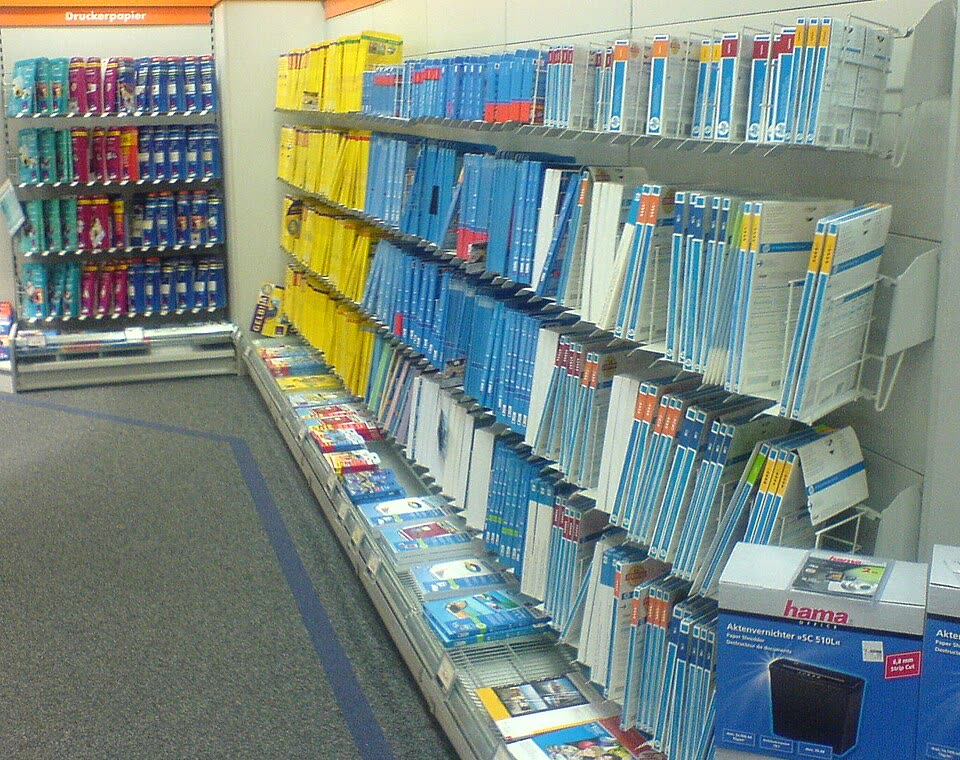
The result: two papers that both say “inkjet” can have very different costs per print once you account for coating, format, and how much you actually use.
Price Tradeoffs by Paper Type, Brand, and Order Size
To keep your budget under control, you need to match paper type to use case. Here’s a practical comparison that reflects how many Canadian buyers actually source paper:
| Paper type & brand tier | Typical use case | Visual result (editorial view) | Cost & risk pattern (editorial view) |
|---|---|---|---|
| Consumer glossy/semi‑gloss | Home prints, basic ecommerce orders | Snappy, vibrant color, smooth surface | Moderate price per sheet, low commitment |
| Consumer matte photo | Cards, softer portraits, text+image | Less shine, more texture, still coated | Similar to glossy, slightly more versatile |
| Office inkjet bond (e.g., Dietzgen 20 lb roll) | Plans, documents, large CAD prints | Crisp text, muted photos, no photo feel | Very low per‑square‑foot cost, but poor for product photos |
| Fine‑art inkjet (Hahnemühle, Canson, Innova) | Gallery, premium Etsy listings, limited editions | Rich tonal gradation, varied textures, often archival | High price per sheet, higher margins needed |
Gloss vs matte Glossy and semi‑gloss (often called luster or satin) can make colors appear more vibrant because the smooth coating reflects light evenly. That’s helpful for landscapes, travel shots, and product photos where punch matters. Matte has a non‑reflective finish, so blacks can look slightly less deep, but you get a more tactile surface that suits art prints and typography.
Consumer vs fine‑art brands Mainstream printer brands’ photo papers are designed to look good with their own inks at a friendly price. Fine‑art papers from Hahnemühle, Canson, and Innova are positioned for photographers and artists who care about archival performance and subtle tonal rendering. For a small ecommerce seller, these make sense when you’re charging a premium for “gallery” or “museum”‑style prints, not for bulk event photos.
Packs vs rolls Switching from retail packs to wide‑format rolls (like bond or photo rolls) changes cost structure:
- Rolls can dramatically reduce cost per square foot.
- You need compatible hardware—typically a wide‑format printer that can handle 24-44″ rolls.
- Cash flow impact is real: a 300‑foot roll is a big upfront purchase, and you’re committing to that surface for a long time.
For most Canadian budget users, the sensible progression is: start with small branded photo packs, move to cases of the same paper once volume grows, and only consider wide rolls if you invest in large‑format gear and have ongoing demand.
Choosing the Best Sourcing Channel for Budget Photo Prints
You have three broad sourcing paths if you’re in Canada and chasing vibrant prints without overspending.
1. Local consumer retail (Best Buy, Walmart, Staples, etc.) This is the easiest starting point. Retailers like Best Buy and Walmart stock branded photo and inkjet paper in common sizes. You pay a bit more per sheet than in bulk, but you get predictable quality, simple returns, and low risk. For small ecommerce operations, retail packs can be perfectly viable if you price your prints to cover the higher consumable cost.
2. Canadian pro and specialty suppliers If your business revolves around printing, look at pro photo/graphics outlets and fine‑art paper distributors in Canada. Shops that carry Hahnemühle, Canson, Innova, or Epson’s higher‑end lines—such as ImagePro International’s Canson Infinity offerings—usually sell larger packs and sometimes rolls. Reprographic suppliers like Cansel handle bond and technical papers. These channels reduce unit cost but expect you to know your materials; ordering a case of the wrong texture hurts your margins.
3. Cross‑border marketplaces and bulk sourcing
- Check listings carefully for finish (glossy vs matte), weight, and whether the paper is explicitly inkjet photo coated.
- Ask sellers for sample prints or small trial packs before committing to large MOQs where possible.
- For marketplace comparison and deciding whether DHgate, AliExpress, Alibaba, or others fit your sourcing style, see this marketplace comparison overview.
This route makes the most sense if your volume is high, you’re comfortable qualifying suppliers, and your profit per print justifies a bit of trial‑and‑error.
Quick Budget Tips for Vibrant Photo Output
To keep quality up and costs reasonable:
- Use photo‑specific inkjet paper instead of office bond for anything you sell or gift; the coating can make colors look more vibrant and lines sharper.
- Pick glossy or semi‑gloss for vivid travel shots, product images, and marketing pieces; keep matte for art prints, cards, or designs where glare is a problem.
- Stay in mid‑weight ranges that your printer can handle reliably; overly thick stock can jam budget printers and waste both paper and ink.
- Buy small, branded packs to test, then scale up to cases or larger quantities of whichever paper matches your output and pricing.
- Reserve fine‑art papers for premium SKUs where you clearly charge more for the look and feel; they’re not needed for every family snapshot or low‑priced Etsy listing.
If you’re just starting out, treating inkjet paper as a controllable cost—not an afterthought—will do more for your budget and your print quality than chasing the absolute cheapest box of “photo paper” you can find.