
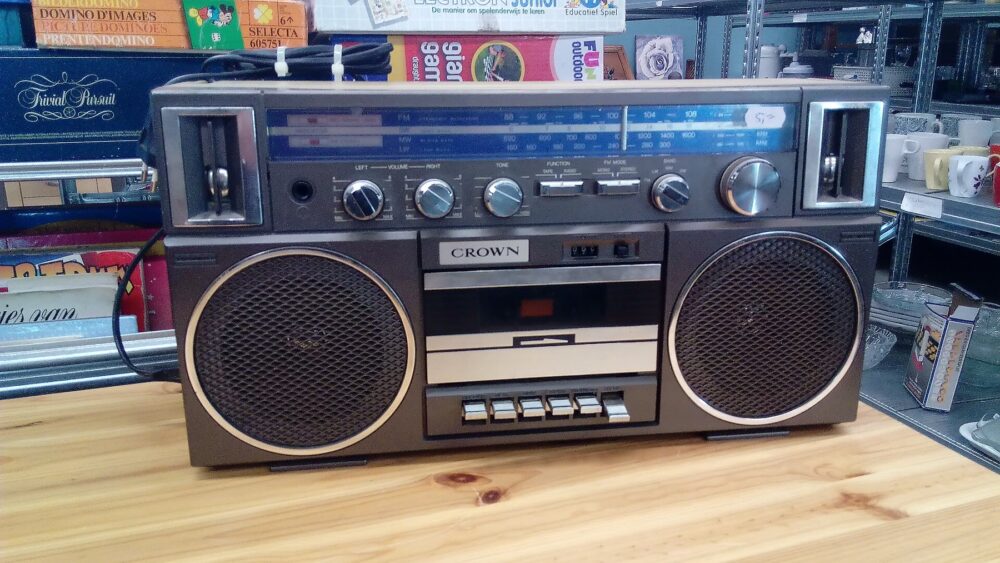
Affordable mini cassette players that use standard cassette tapes are easy enough to find, but the real cost for an Australian buyer isn’t the sticker price. It’s whether the player actually takes compact cassettes (your Walkman‑style tapes), how often you’ll be feeding it batteries or charging it, and what you pay on shipping and import for cross‑border orders. For a single nostalgia listen, a basic local player is usually cheaper and safer. For small resale runs, marketplaces and import channels can make sense, but only if you do the math on landed cost and avoid dictation‑only formats.
What “Mini Cassette Players” Really Are — and What You Probably Want
The term “mini cassette player” is messy. Mini‑Cassette is a specific tape format Philips introduced for dictation machines, not for music listening. Those mini‑cassettes are smaller than standard compact cassettes and were designed for voice notes and early data storage, not albums or mixtapes.
If you want to play ordinary music tapes, you need a player that explicitly supports compact cassettes (often marketed as Walkman‑style, personal cassette players, or portable cassette players). Listings on Australian and global marketplaces regularly mix:
- Mini‑Cassette dictation recorders
- Microcassette recorders
- Standard compact cassette personal players
For buyers and small resellers, that confusion is a major cost risk: a cheap “mini cassette recorder” that only takes dictation tapes is effectively useless for someone who just wants to play a box of old albums.
Buyer tip: In the specs, look for terms like “compact cassette,” “standard cassette,” or photos showing a full‑size music tape with side A/B. Anything labeled Mini‑Cassette or microcassette is likely dictation‑only.
The basic cost structure
For budget compact‑cassette players, your total cost of ownership usually breaks into:
- Device price. Editorial coverage of cassette players points out that basic players are relatively affordable compared with modern smartphones, and tapes themselves tend to be cheaper than new vinyl records. You’re not paying flagship‑phone money for a player.
- Power: batteries vs rechargeable. Many low‑end units use AA or AAA cells; Bluetooth models tend to have built‑in rechargeable batteries. Typical Bluetooth cassette players from brands like Reshow or Byron Statics are described as offering roughly 2-8 hours of playback per charge depending on design and how you use them.
- Tapes and accessories. Pre‑recorded cassettes can be picked up cheaply in op shops or online lots. The bigger accessory cost is often decent headphones or external speakers.
- Shipping and import. For Australian buyers, local retail and AU‑based marketplaces keep shipping simple. Cross‑border orders introduce international freight plus possible GST and duty.
- Quality and failure risk. Cheap novelty players often have weak motors, noisy tape transport, and flaky Bluetooth modules, which can turn a low price into a short‑lived purchase.
Why Similar‑Looking Players Vary So Much in Price
Two pocket‑sized cassette players can look almost identical in product photos and still sit at opposite ends of the budget spectrum. The big price drivers are format, feature set, build quality, and where you buy.
Format and use case
- Mini/microcassette dictation devices are aimed at voice recording. They often command niche pricing despite limited audio fidelity because they serve transcription workflows.
- Compact cassette music players cover a much wider range: from bare‑bones AM/FM units to modern Bluetooth personal players.
A dictation recorder that uses Mini‑Cassette (Mini‑Cassette format overview) will not play your standard mixtapes, even if the shell looks similar at a glance.
Feature tiers and battery expectations
On the Australian market, you’ll typically see three rough tiers:
- Basic personal players (budget tier). Simple tape playback, sometimes AM/FM radio, usually AA batteries and wired headphones only. They’re the cheapest route but often have coarse transport controls and no Bluetooth.
- Bluetooth cassette players (higher budget / mid‑range). These bridge physical tapes with wireless headphones and speakers. Typical editorial examples like Reshow, Byron Statics and similar models mention 2-8 hours of battery life per charge, which is enough for a commute or a few albums but not days.
- Premium retro‑inspired units (mid to upper tier). Better metal housings, improved motors, and more refined Bluetooth chips. Australian listings such as the Precision Audio PA‑3000 portable Bluetooth cassette player show how these mid‑range devices land in the higher “budget” band — noticeably more than a no‑name unit, but still far below audiophile hi‑fi decks.Precision Audio PA‑3000 example
The trade‑off is straightforward: below the mid‑range, you’re mostly paying for form factor and nostalgia. As you climb, you’re paying for smoother transport, cleaner audio, and more usable wireless features.
Why the same feature list can still cost differently
Two players both claiming “Bluetooth, rechargeable battery, built‑in speaker” can still be priced far apart because of:
- Motor quality and tape head alignment (noise, wow and flutter)
- Housing material (thin plastic vs sturdier shells)
- Brand reputation and warranty support
- The sourcing channel and shipping method, especially for imported units
For small ecommerce businesses planning to resell, these differences directly affect return rates and customer reviews — cheap but finicky units can erase thin margins.
Choosing a Sourcing Channel and Keeping Total Costs Down
Once you know you want a compact cassette player (not a dictation device), the real question is where to buy it and how to keep the total bill under control.
Local retail and AU‑based sites
Australian buyers can find portable cassette players and recorders through chains and local online stores — for example, cassette and portable audio recorders at retailers like Retravision or specific cassette player listings like the PA‑3000 mentioned above.
Pros:
- Clear GST‑inclusive pricing
- Local consumer law protections
- No surprise customs steps for single‑unit purchases
Cons:
- Limited choice, especially for niche retro‑styled models
- Less access to ultra‑cheap novelty players that flood global marketplaces
Marketplaces for new and vintage stock
Platforms like Etsy’s mini cassette tape player category and big‑box marketplaces such as Target’s portable cassette player results host a mix of:
- New compact cassette players
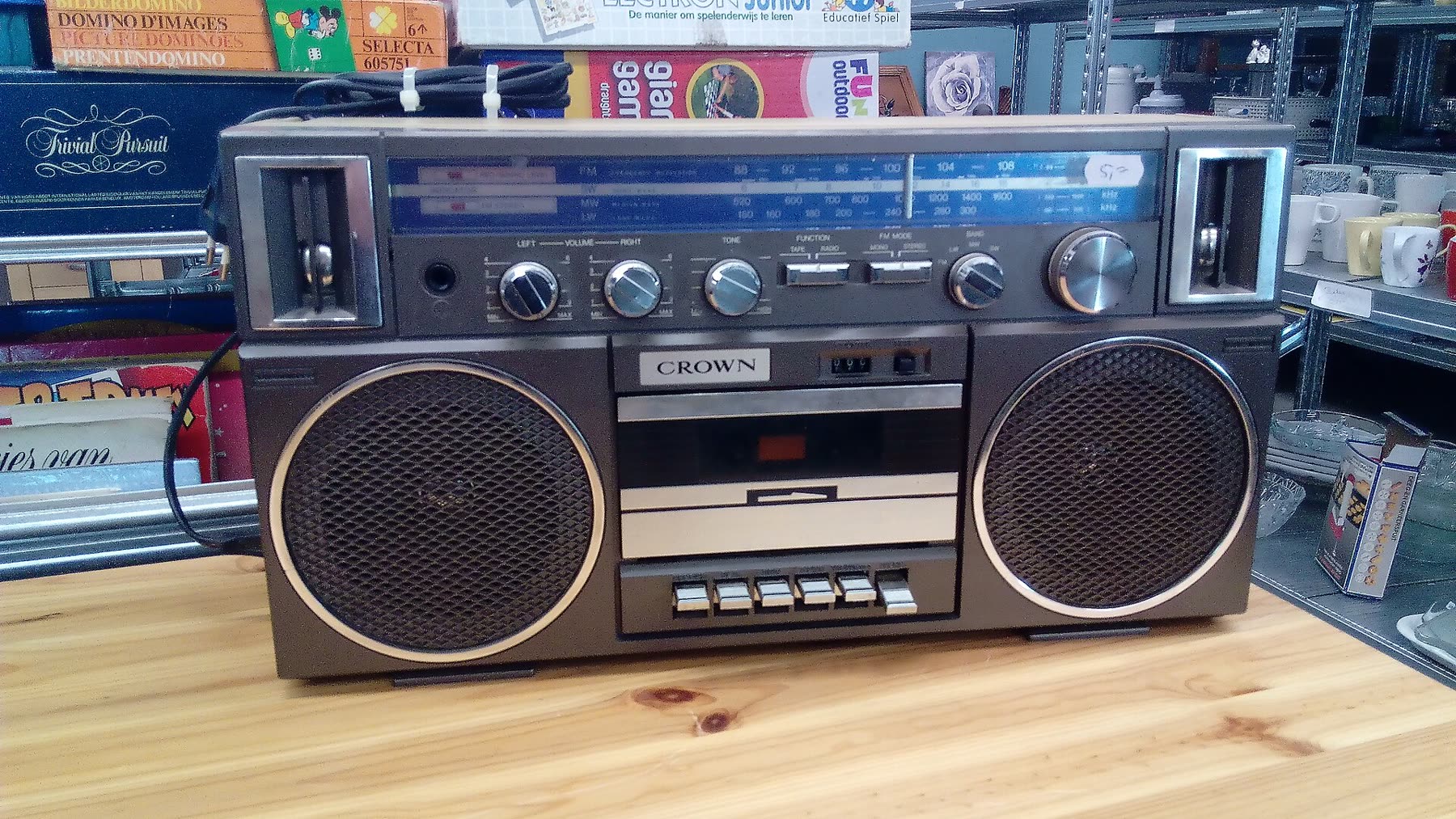
- Vintage personal players and boom boxes
- Mini/microcassette dictation recorders labelled as “mini cassette”
For a single personal player, these marketplaces often hit a sweet spot: you can filter by location (e.g., “ships from Australia”), scan photos for standard tapes, and avoid customs paperwork.
Cross‑border and wholesale orders
If you’re importing multiple players for resale — say 10 or 20 units — the economics shift. You spread international shipping, customs clearance, and GST across each unit, so the per‑player landed cost falls.
A simplified scenario:
- Buying 1 mid‑range Bluetooth player locally: you pay the retail price, GST already included, and standard domestic shipping.
- Importing 10 budget Bluetooth players from overseas: you may pay a lower unit price but add international shipping, currency conversion, and possible GST/duty at the border.
If customs, brokerage, and shipping stack up, your “cheap” players can end up costing close to the local mid‑range unit once landed — without the same build quality.
Here’s a compact way to think about channels:
| Channel type | Best for | Key cost components |
|---|---|---|
| Local AU retailer | One or two personal players | Retail price, domestic shipping, GST |
| AU‑shipped marketplace | Personal use, small vintage finds | Item price, marketplace fees, domestic ship |
| Cross‑border marketplace | Niche or advanced devices, small lots | Unit price, intl shipping, GST/duty, FX fees |
| Bulk import via supplier | Ongoing resale, own storefront | Unit price, freight, customs, warehousing |
Where DHgate can fit — with caveats
Cross‑border platforms like DHgate show a range of advanced or niche tape and recording devices in their editorial coverage, including microcassette and standard tape recorders. For mini cassette players, DHgate may make sense if you:
- Need niche recorders or hybrid devices not sold widely in Australia
But the fit is narrow. You’ll need to:
- Check each listing’s supported tape format (compact cassette vs mini/microcassette)
- Confirm power specs (battery type, claimed runtime, charging port)
If that sounds like overkill for a single nostalgia purchase, a local or AU‑based marketplace listing is usually simpler. For a business testing retro audio as a product line, cross‑border marketplaces can be one option among many; comparing them against other platforms is covered in more detail in this marketplace comparison guide.
Practical Ways to Keep Costs Down Without Junk Hardware
Whether you’re buying one player or a small batch, a few specific tactics help control budget:
- Lock in the right format first. Filter or search for “cassette player” and use photos/specs to confirm the slot fits standard music tapes. This single step avoids buying dictation‑only machines.
- Match features to actual use. If you’ll mostly use wired headphones at home, a non‑Bluetooth budget player can be fine. If you want wireless commuting, target mid‑range Bluetooth units with editorially reported battery life in the 2-8 hour band rather than the very cheapest.
- Bundle intelligently for resale. For small ecommerce operations, consider selling players with a few curated tapes and a basic set of wired earphones. The added perceived value can justify choosing more reliable mid‑range hardware instead of low‑end novelties.
For most individual Australian buyers, the best budget move is a simple, compact‑cassette personal player sourced locally or via an AU‑friendly marketplace. Small ecommerce businesses should treat ultra‑cheap overseas players with caution: after shipping, taxes, and potential quality issues, paying a little more for solid mid‑range units often delivers better value and fewer headaches.