
Sweetgrass braids and related crafts are best bought from Indigenous-owned online shops and curated Indigenous marketplaces, especially if you care about cultural respect and authenticity. Canadian businesses such as Sweetgrass Crafts, and shops that sell braids for smudging like Mother Earth and listings similar to Silver Moccasin’s sweetgrass products, anchor the serious retail market. Large general marketplaces and international wholesale platforms play a smaller, more cautious role, mainly for non‑ceremonial or bulk sourcing once you understand the trade‑offs.
How Sweetgrass Crafts and Stores Work Online Today
“Sweetgrass crafts and stores” usually refers to Indigenous-owned businesses that sell handmade items and, sometimes, sweetgrass itself—braids, bundles, or products designed for smudging and ceremony. Sweetgrass holds deep spiritual and cultural significance in many Indigenous communities, so where and how you buy it matters.
A good example of the craft side is Sweetgrass Crafts, an Indigenous-owned business that specializes in handcrafted beadwork celebrating culture, tradition, and identity and sells online through its own store site and social channels like Instagram and Facebook.Sweetgrass Crafts is also listed by Indigenous tourism bodies such as Indigenous Tourism Alberta and Travel Alberta, showing how craft businesses can sit at the intersection of art, culture, and retail.
On the sweetgrass product side, Canadian shops such as Mother Earth and similar retailers offer sweetgrass braids intended for smudging. Listings typically describe braids by length ranges—often around 9-14 inches for smaller braids, or roughly 17-19.5 inches and beyond for larger ones—and sell on a price-per-braid basis rather than weight. That per‑braid model is common across Canadian online sweetgrass offers.
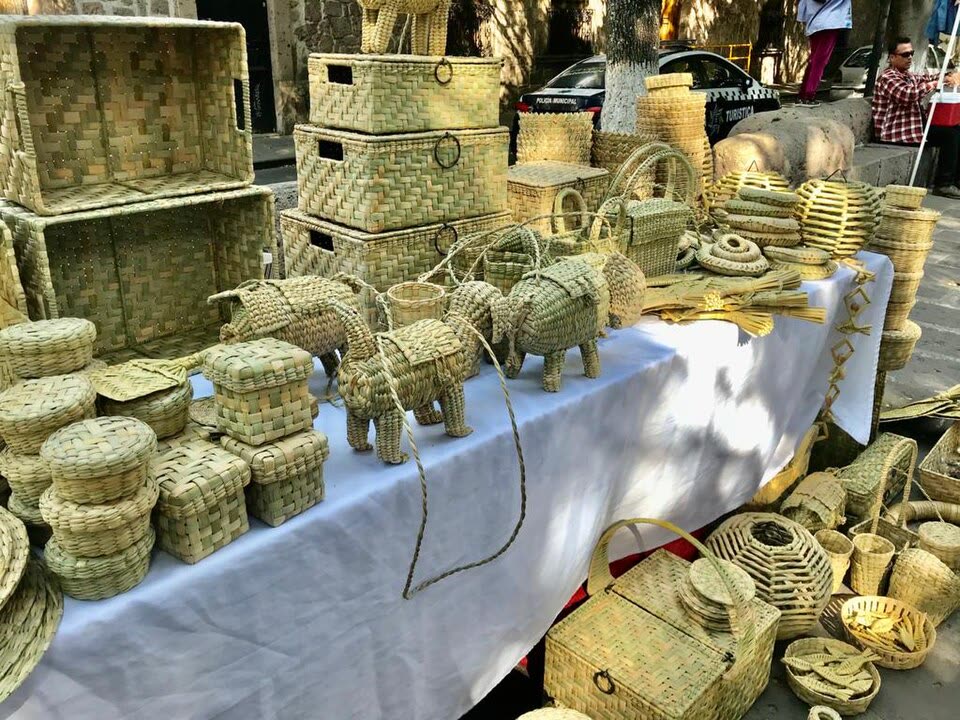
So the online sweetgrass market is a mix of:
- standalone Indigenous craft shops (sometimes with sweetgrass products),
- spiritual supply or Indigenous gift shops that stock braids,
- curated Indigenous marketplaces that list multiple small businesses,
- global marketplaces where sweetgrass-like items may appear but are not the focus.
Platform Types for Buying and Sourcing Sweetgrass Products
Different platform types matter more depending on whether you’re an individual buyer or running a small ecommerce brand.
1. Indigenous-owned retail shops
These are single-brand sites run by Indigenous artists or families. Sweetgrass Crafts’ beadwork store is one example of this model, even though its focus is beadwork rather than braids.Sweetgrass Crafts sells directly via its own ecommerce presence, often pairing product sales with storytelling about the artist and community.
For buyers: you’re purchasing straight from the maker or a small team, which usually means clear cultural context and a direct support relationship.
For small ecommerce brands: these shops are where you’d go for retail purchases or small batch collaborations—things like limited runs of beadwork or gift sets that might include sweetgrass sourced by the maker.
2. Curated Indigenous marketplaces
Curated marketplaces gather multiple Indigenous-owned businesses under one platform and vet them to some degree. Shop First Nations is one example; it lists businesses like Sweetgrass Stitchery, showing how beadwork, textiles, and other crafts can be discovered in one place.
For buyers: this is a good option if you want to support Indigenous makers but don’t know specific shop names yet. You can browse categories and find everything from beadwork to potential smudging supplies.
For ecommerce brands: curated marketplaces can double as a discovery tool—you identify potential suppliers, then move to direct relationships for wholesale discussions. The platform itself usually stays retail-focused.
3. Indigenous and spiritual supply retail sites
Some Canadian shops specialize in smudging and ceremonial supplies, including sweetgrass braids. Mother Earth offers sweetgrass products for smudging, and other spiritual supply retailers list braided sweetgrass in various lengths and bundle sizes.
These sites typically:
- sell braids in defined length brackets (for example, smaller braids around 9-14 inches, larger braids closer to 17-19.5 inches or more),
- price each braid individually rather than in bulk weight,
- position sweetgrass alongside sage, cedar, and other smudging items.
For buyers: this is the most straightforward path if your main need is ceremonial use and you want braids right away.
For ecommerce brands: they function like standard retail wholesalers. Some may offer business accounts or discounts, but the baseline model is still per-braid retail pricing.
4. General retail marketplaces (Etsy, Amazon-style platforms)
Large marketplaces host many independent sellers, including some who offer sweetgrass braids or sweetgrass-inspired items like decor, incense, or natural curios. Search results often mix:
- Indigenous-made braids,
- non-Indigenous or unverified sources,
- sweetgrass-inspired crafts where the plant itself may not be present.
For buyers: you get variety and convenience, but you have to read listings carefully to understand who is selling and how the sweetgrass was grown or harvested.
For ecommerce brands: these marketplaces are more about selling your finished products than sourcing ceremonial sweetgrass, unless you identify and vet individual sellers deliberately.
5. International wholesale and general marketplaces
International wholesale platforms host sellers offering a broad range of goods. Sweetgrass is not their focus, but you might see sweetgrass-like items, incense, or crafts tagged as sweetgrass.
From a Canadian buyer or small brand perspective, these sites are:
- geared toward bulk orders and factory-made items,
- useful if you are sourcing non-ceremonial, decorative, or gift-pack components,
- less appropriate when cultural origin, harvesting practices, and Indigenous ownership are central.
Comparing Channels: Retail Shops, Marketplaces, and Wholesale Options
To choose your platform, you’re balancing price structure, typical order size, cultural authenticity, and how practical cross-border shipping is.
Here’s a compact comparison across the main routes:
| Channel type | Typical pricing model | Common order size | Cultural context & authenticity risk |
|---|---|---|---|
| Indigenous-owned retail shops | Per item or per set | Single items, small sets | Strong context; lower risk when verified |
| Curated Indigenous marketplaces | Per item from each seller | Mixed small orders | Moderated by curation; still seller-based |
| Spiritual/Indigenous supply shops | Price per sweetgrass braid | Few braids to small bundles | Often contextual; mid-level risk |
| General retail marketplaces | Highly variable, item-based | Single to medium orders | Mixed; requires careful seller checks |
| International wholesale platforms | Bulk or lot pricing | Cartons or bulk lots | High risk for cultural products |
Within this landscape, a marketplace like DHgate sits squarely in the “international wholesale/general” category. It’s built for cross-border sourcing in bulk, but it is not specifically focused on Indigenous sweetgrass or Indigenous-owned sellers. If you ever consider it for sweetgrass-related items (for example, packaging, non-ceremonial accessories, or generic incense labeled as sweetgrass), treat DHgate as a generic sourcing platform: evaluate each seller individually, scrutinize product descriptions and photos, and ask direct questions about materials and origin before committing. For a neutral overview of how DHgate works as a marketplace, you can read What DHgate is and how the marketplace works.
How this plays out for different buyers
Individual buyers in Canada or the U.S.
- If you’re smudging or using sweetgrass in ceremony, prioritize Indigenous-owned shops, curated Indigenous marketplaces, or spiritual supply stores that clearly describe how their sweetgrass is grown and harvested.
- The per-braid pricing and defined length ranges you see on Canadian listings make it easier to buy only what you need.
Small ecommerce brands building Indigenous-inspired or spiritual product lines
- Use Indigenous shops and curated marketplaces to source culturally grounded components and potential collaborators.
- Use general marketplaces or wholesale platforms only for non-cultural elements (packaging, accessories) and keep ceremonial sweetgrass sourcing with Indigenous or clearly contextual suppliers.
- If you expand onto mass marketplaces to sell your finished products, treat them as a sales channel, not your primary sweetgrass source.
If your goal is cross-border sourcing beyond sweetgrass—for example, combining Indigenous-sourced braids with internationally sourced accessories—it can help to first compare broad marketplace models through a neutral lens like online marketplaces and shopping platforms or a comparison of DHgate vs AliExpress, Alibaba and Temu, then decide which parts of your product line are appropriate to source from each type of platform.