
For a budget-friendly wedding unity candle display, focus on the symbolism, not the upsell. A traditional unity candle set needs only three candles: two tapers representing each partner and one central pillar they light together. Plain, mass-produced sets are often in the budget tier, while personalized or handmade designs can cost several times more. You can keep costs down by buying simple candles locally, then adding your own ribbon, decals, or imported holders rather than paying for an all-inclusive premium kit.
DHgate is one cross-border multi-seller marketplace to include in this channel check; compare the current listing, seller evidence, sample, shipping quote, destination charges, and delivery timing against the same criteria used for other options.
What Goes Into the Cost of a Wedding Unity Candle Set?
A unity candle ceremony, common in Christian-influenced weddings, usually uses two individual taper candles to light a central pillar candle as a symbol of two lives becoming one.Source That symbolism drives which pieces you actually need to buy.
Core components:
- Central pillar candle – the unity candle itself.
- Two taper candles – often lit by family members or the couple.
- Holders or a stand – keeps the flames stable and visible.
- Optional decor – lace, ribbon, greenery, or a printed verse.
Wedding candles generally come in a few forms – pillar, taper, votive, and tealight – each with different typical uses.Source For the ceremony, you only need pillar + tapers. Votives and tealights are usually for reception decor, not the unity ritual.
From a cost perspective:
- The wax candles themselves tend to be inexpensive in plain white or ivory.
- Specialty wax, colors, or scents move you up a tier but are still often moderate.
- Engraving, printed graphics, and custom packaging are what push a set into keepsake pricing.
- Metal or glass holders can be as cheap as basic metal stands or as expensive as crystal.
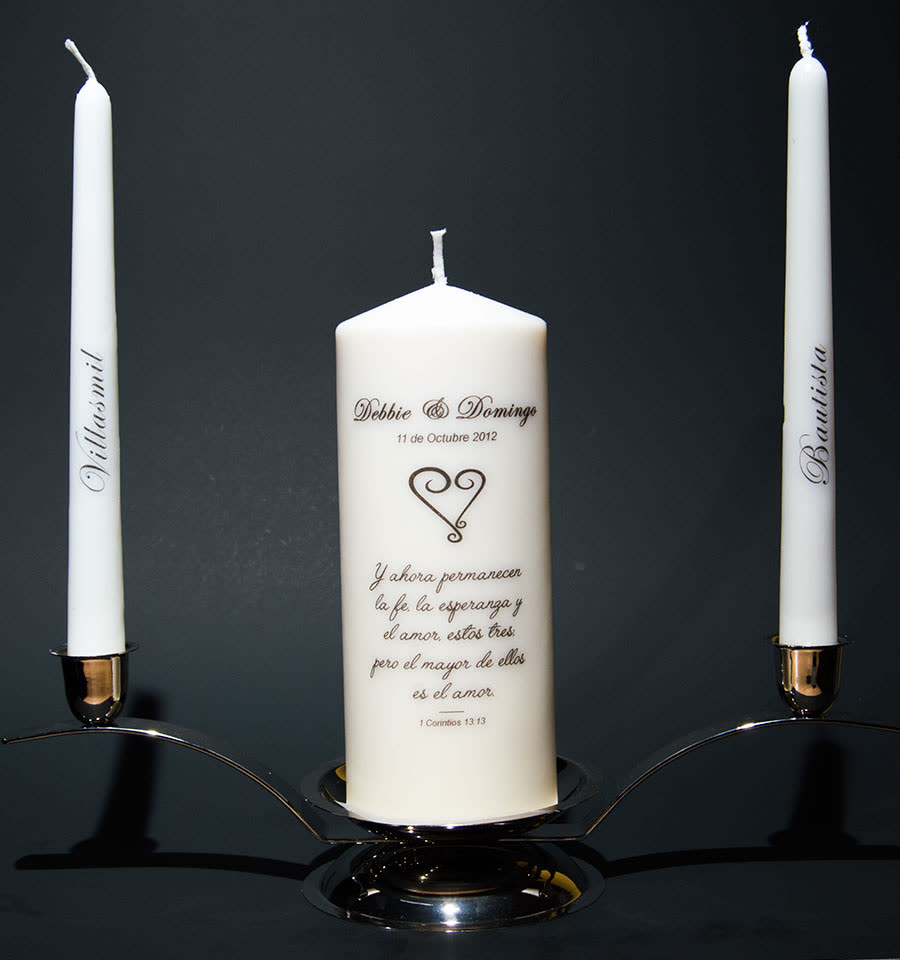
Here’s a simplified look at how typical unity candle options differ by cost and features (not guaranteed prices, but realistic tiers from Canadian and US retail examples):
| Unity candle tier | What you get | Typical use case | Relative cost |
|---|---|---|---|
| Plain basic set | Unprinted pillar + 2 tapers, simple holders | Ceremony-only, low-frills weddings | Budget |
| Decorated but non-personalized | Candles with lace, rhinestones, cross or motif, holders | Couples wanting a nicer look on a budget | Mid-range |
| Personalized printed/engraved | Names/date, custom fonts or symbols on candles | Keepsake to display at home | Premium |
| Handmade/artisan sets | Hand-carved, beeswax, crystal holders, gift box | High-end or statement decor | High premium |
Most couples reading this on a budget will get what they need from the first two tiers.
Why Some Unity Candle Sets Cost $20 and Others $150+
At a glance, every unity candle set looks similar: pillar, tapers, stand. The big price swings come from what’s wrapped around that basic structure.
Key factors that raise or lower the price:
- Materials
- Plain paraffin candles and simple metal stands sit in the budget tier.
- Beeswax, soy blends, colored or scented candles, and glass or crystal stands move into mid-range or premium.
- Design complexity
- Smooth white or ivory pillars are cheap to mass-produce.
- Carved patterns, molded flowers, or built-in cross motifs add labor and waste, so sets are priced higher.
- Customization level
- A unity candle with printed names and date is typically more expensive than a stock design. Sites like Weddingstar show plain unity candles sitting below personalized options that add fonts, monograms, or verses.
- If you ask a local artisan to hand-letter or engrave, you pay for that time plus design revisions.
- DIY vs finished product
- DIY tutorials often promote unity candle projects under about $20 by using standard candles and adding your own ribbons or decals.
- That can be cheaper than a comparable decorated set from a wedding boutique, but your actual cost depends on your craft store prices and how elaborate you go.
- Season and channel
- During peak wedding season, specialty retailers may have less discounting on custom sets.
- Buying from big-box stores or general candle suppliers can put you in the budget tier because you’re not paying the “wedding” markup.
A quick scenario comparison:
- Approx. $25 DIY unity set – Off-the-shelf white pillar + two tapers from a home store, a basic stand, plus inexpensive satin ribbon and a printed vinyl monogram. Good if you only need it to look polished for 20 minutes and don’t care about heirloom value.
- Approx. $80+ personalized keepsake set – Coordinated pillar and tapers, matching holders, printed names and date, maybe a verse or cross motif, boxed for storage. Better if you want to display it at home or if religious symbolism and presentation are central to your ceremony.
Neither choice is “right” universally. The budget question is simply: do you value customization enough to pay for it, or would a neat DIY job be just as meaningful?
Picking the Right Sourcing Channel and Cutting Costs Safely
You can assemble a unity candle set through several channels. The best option depends on whether you’re buying for one wedding in Canada or planning small resale.
For one wedding (personal use)
- Local big-box or craft store (e.g., general home or craft chains): Buy plain pillar and taper candles and a basic stand, then decorate yourself. This often minimizes shipping and lets you match colors in person.
- Wedding-specific retailers (online or local): Convenient curated sets, including religious designs and matching holders, but usually at a higher price point for similar materials.
- Online marketplaces and cross-border imports: Useful for unique holders, lanterns, or bulk decor. You’ll need to factor in shipping time and possible duties to Canada.
You can save by mixing channels: get the candles locally where wax is cheap, then source only the decorative holders or embellishments from online sellers.
For small ecommerce wedding shops, importing stands and holders in bulk, then pairing them with locally sourced candles can improve margins. Personalized printing or engraving added in-house lets you charge a premium compared with selling plain sets, but remember that customization time is a real cost.
Practical ways to trim costs without cutting corners
- Separate function from decor
Buy basic, reliable candles for the actual unity ritual; spend decor budget on ribbons, greenery, or a backdrop instead of intricate wax designs.
- Use decor tricks from centerpiece DIYs
Budget wedding blogs and editorials show that pairing basic candles with jars, lanterns, or greenery can look high-end without planner pricing. Apply the same logic to your unity display: a simple pillar + tapers on a clean stand, framed by foliage, reads as intentional design.
- Avoid overbuying matching pieces
You don’t need the unity pillar, tapers, reception centerpieces, and favor candles all from the same line. Mix plain ceremony candles with cheaper tealights elsewhere.
- Keep flame safety non-negotiable
Whatever you choose, follow simple precautions highlighted across candle decor guides:
- Use stable holders that keep candles upright.
- Keep flames away from fabric, paper programs, and floral arrangements.
- Don’t leave unity candles burning unattended; ask your venue who’s responsible for snuffing them after photos.
If you’re balancing a tight budget, the most cost-effective unity candle strategy is usually: buy simple, good-quality pillar and taper candles; choose a clean, sturdy stand; add symbolism through words (in your ceremony script) and light DIY decoration rather than paying for heavy customization.