
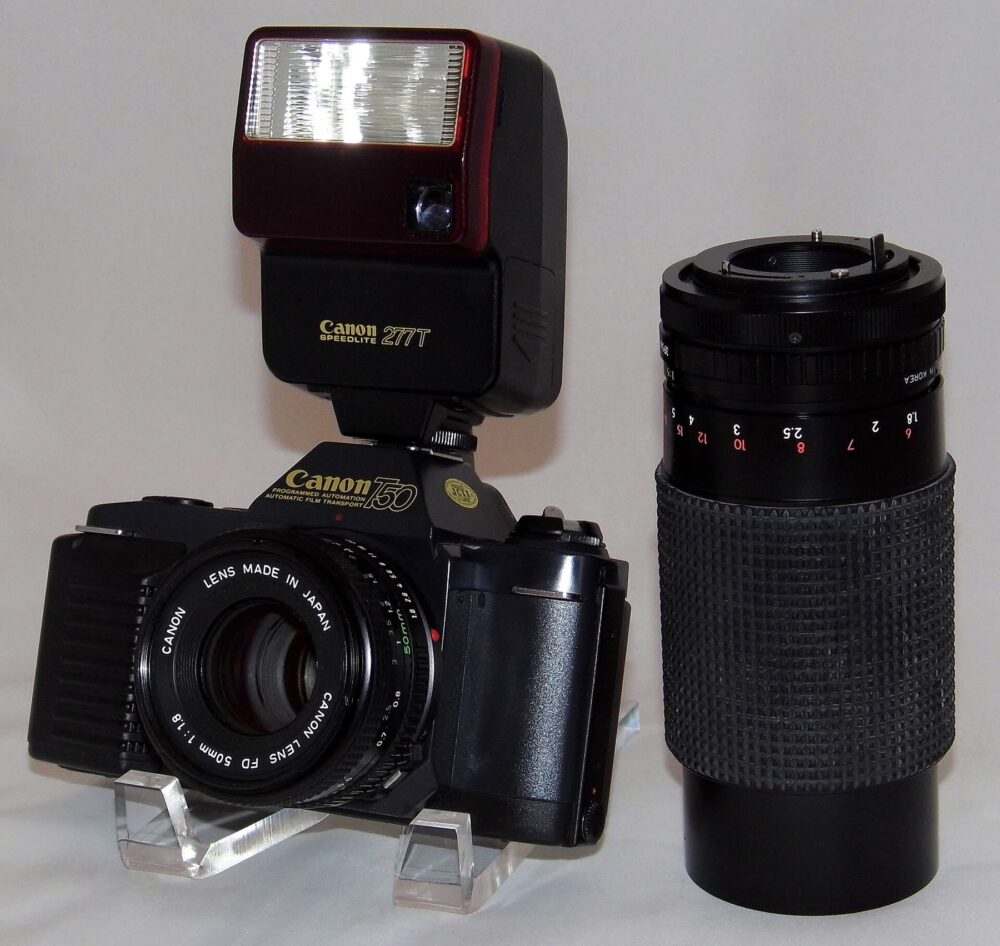
If you want the most affordable 80-200mm f/2.8 with genuinely good quality, your best bet is usually a used legacy pro zoom, not a new lens. For most US buyers that means looking at Nikon’s AF Zoom‑Nikkor 80-200mm f/2.8D ED or Canon’s EF 80-200mm f/2.8L on reputable used channels (KEH, MPB, B&H Used, or well‑vetted Ebay sellers). These lenses were built for professionals, offer a constant f/2.8 aperture and solid optics, and commonly sell well below the cost of modern 70-200mm f/2.8 lenses from the same brands.
What Drives the Real Cost of an 80-200mm f/2.8 Lens?
An 80-200mm f/2.8 is a constant‑aperture telephoto zoom covering medium to long focal lengths. It’s popular for sports, events, portraits and some wildlife because you can freeze motion with faster shutter speeds and isolate subjects thanks to the bright f/2.8 aperture across the zoom range.
Nikon’s AF Zoom‑Nikkor 80-200mm f/2.8D ED, for example, is positioned as a pro‑grade DSLR lens with internal focusing and ED glass for better control of aberrations.Nikon product overview Canon’s EF 80-200mm f/2.8L sits in their L‑series line with similar pro intent.Canon EF 80-200mm L at MPB Both are now legacy designs, so you’ll mainly find them on used markets rather than new from manufacturers.
For your budget, the real cost is the sum of:
- Product price – The used lens itself. Legacy 80-200mm f/2.8 lenses from Nikon and Canon often list in a lower price band than new 70-200mm f/2.8 lenses on dealers and marketplaces.B&H used Nikon 80-200 listing Ebay 80-200mm f/2.8 category
- Shipping – Telephoto zooms are heavy and bulky. Domestic shipping from a US dealer is usually predictable; cross‑border shipping can add a meaningful cost and longer transit times because of the weight.
- Import duties and taxes – If you import from overseas, customs fees and tariffs may apply. For a high‑value lens, that can erase any headline savings vs buying used domestically.
- Payment and marketplace fees – If you’re reselling, factor transaction fees on platforms and any currency conversion charges when buying from foreign sellers.
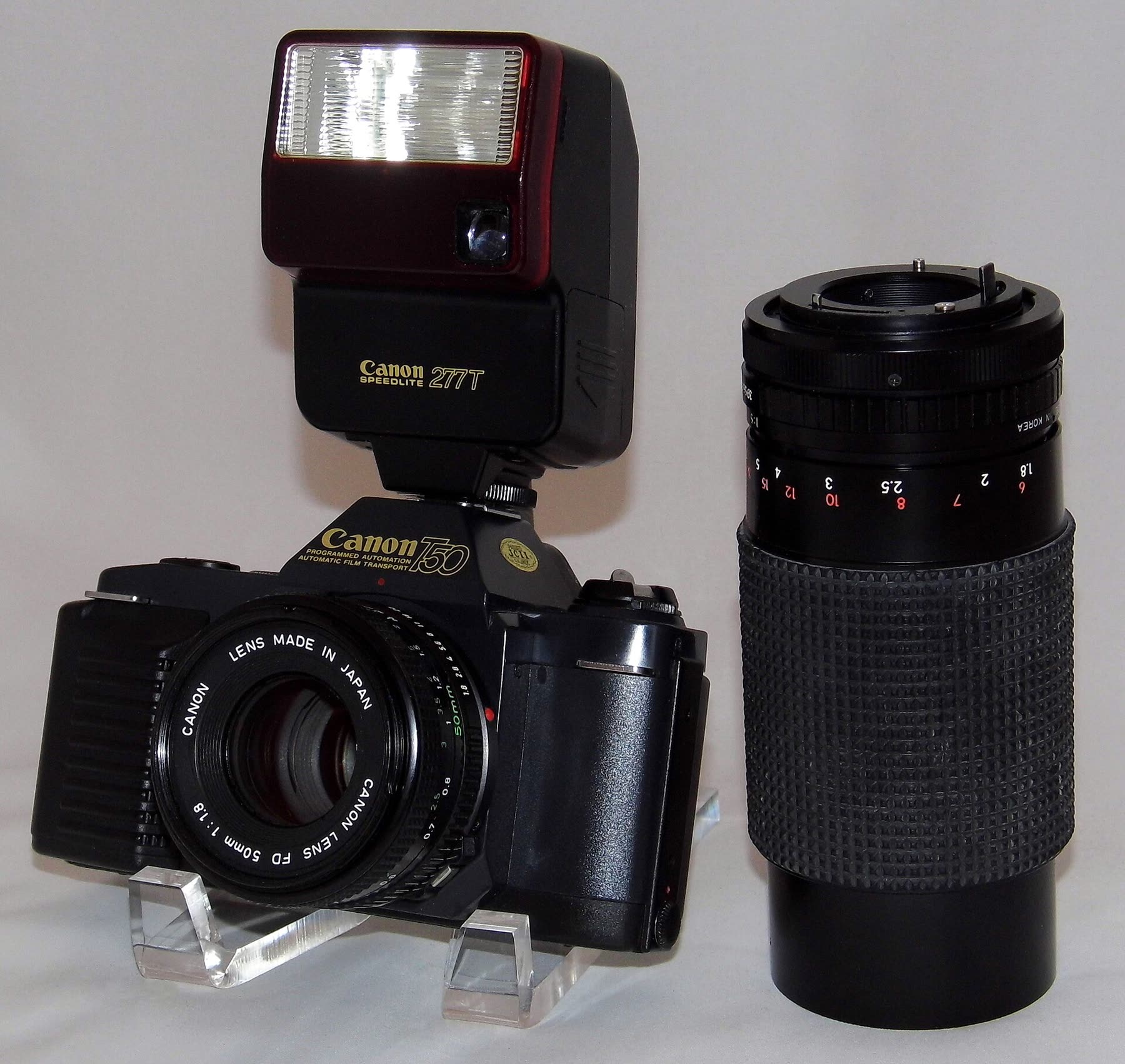
For a single lens purchase, product price usually dominates your decision. For small ecommerce sourcing, shipping and import costs across multiple units become just as important.
Why Some 80-200mm f/2.8 Lenses Are Cheap and Others Aren’t
Prices swing widely because “80-200mm f/2.8” covers multiple generations and brands. The big levers are design age, autofocus tech, stabilization, and condition.
Older pro designs vs modern zooms Nikon’s 80-200mm f/2.8D ED is an older design using a screw‑drive AF system. It’s respected for optical quality but has slower autofocus compared with the company’s AF‑S 70-200mm f/2.8 lenses that use internal motors and modern control algorithms.Nikon 80-200mm overview Commentary on Nikon’s lens history notes that these 80-200mm lenses were designed for pros but predate the fastest AF and stabilization tech, which helps explain their lower used pricing relative to current models.Nikon 80-200 history
Modern 70-200mm f/2.8 lenses like the Nikon AF‑S 70-200mm f/2.8E add optical refinements, faster AF and built‑in stabilization (VR). They sit in a significantly higher price tier new and often command more on the used market as well.Nikon 70-200mm f/2.8E
Brand and rarity Canon’s EF 80-200mm f/2.8L is less common than Nikon’s 80-200mm line, and its L‑series branding appeals to collectors and brand‑loyal shooters.Canon EF 80-200mm L at MPB That can nudge prices up versus third‑party options or more plentiful Nikon variants.
Condition and version details Within Nikon’s 80-200mm family, there are multiple versions (push‑pull, two‑ring, AF‑S). The AF‑S version tends to be more desirable for fast AF, while the older push‑pull designs can be cheaper but might show more wear. Listings on used dealers and marketplaces often separate these versions, so you’ll see different price bands for each.Ebay Nikon 80-200mm category
Here’s how the broad tiers usually shake out as editorial judgment, using the evidence above for direction:
| Lens type | Typical tech level | Relative price band vs new 70-200 f/2.8 | Best use case |
|---|---|---|---|
| Nikon 80-200mm f/2.8D ED (screw‑drive) | Older AF, no stabilization | Commonly lower | Budget sports/events, portraits |
| Canon EF 80-200mm f/2.8L | Older AF, L‑series optics | Lower to mid | Canon shooters wanting cheap pro glass |
| Third‑party 80-200mm f/2.8 (Tokina etc.) | Varies by version, often older AF | Often lower | Price‑driven buyers with compatible mounts |
| Modern 70-200mm f/2.8 (Nikon AF‑S, etc.) | Fast AF, stabilization, newer optics | Significantly higher | Demanding pro work, heavy action sports |
For a budget buyer, the “sweet spot” is usually the first two rows: legacy Nikon or Canon pro zooms that sacrifice some AF speed and modern convenience but deliver strong image quality for far less money than current 70-200mm flagship lenses.
Picking the Best Channel: Used Dealers, Marketplaces, and Cross‑Border Sourcing
Once you know which lens family you want, the bigger savings often come from choosing the right channel.
Domestic used dealers (KEH, MPB, B&H Used) Specialized dealers list 80-200mm f/2.8 lenses with clear grading, return windows and tested condition. For example, KEH and MPB both carry used Canon EF 80-200mm f/2.8L and Nikon 80-200mm f/2.8 variants in different grades.Canon EF 80-200mm L at KEH This channel often costs a bit more than the absolute lowest marketplace listing, but many buyers see that as a fair premium for testing and straightforward returns.
Consumer marketplaces (Ebay, similar platforms) On Ebay, 80-200mm f/2.8 lenses appear from individual sellers, shops and overseas vendors.Ebay 80-200mm f/2.8 category You can sometimes pay less here, especially if you’re willing to buy cosmetically worn glass or bid in auctions. The tradeoff is more variation in condition and more homework on seller reputation.
Cross‑border marketplaces (including DHgate) For small ecommerce businesses or very price‑sensitive buyers, cross‑border sites can look attractive. Platforms that connect you with overseas sellers may list compatible telephoto zooms or third‑party 80-200mm‑class lenses. DHgate, for example, acts as a marketplace where international sellers can offer camera gear alongside many other categories.
However, heavy telephoto zooms can incur shipping and potential import costs that erode savings. Before you treat a cross‑border lens listing as “cheaper,” you should:
- Add estimated international shipping to the lens price.
- Consider customs, tariffs and import fees; for US buyers, a lens is a physical good that can be assessed when it enters the country. A separate guide on customs, tariffs and import fees explains these in more detail.
- Check seller photos and descriptions for haze, fungus, oil on aperture blades, or AF issues, and weigh the difficulty of returning a defective lens internationally.
For most one‑off buyers, importing a single 80-200mm f/2.8 rarely beats buying a used Nikon or Canon version domestically once you include all these costs. For small resellers bundling multiple items in one shipment, cross‑border can start to make more sense, but only after careful math.
If you’re also choosing a marketplace overall, the comparison of DHgate vs AliExpress, Alibaba and Temu may be helpful background: compare marketplaces for cross‑border sourcing.
Practical Ways to Keep Costs Down Without Killing Quality
You can squeeze more value out of this category with a few targeted moves:
- Prioritize optical condition over cosmetics. Minor paint wear is fine; haze, fungus or separation is not. Dealers and serious marketplace sellers will usually disclose these issues for older lenses.
- Aim for the right version, not just the lowest price. A Nikon 80-200mm f/2.8D ED can be a better working tool than an even older variant if you need relatively reliable AF. If you’re shooting manual focus or slower subjects, a cheaper, earlier version may be acceptable.
- Match the lens to your camera mount. Adapting can be great for mirrorless bodies but adds complexity. For a budget DSLR shooter, buying native F‑mount or EF‑mount keeps things simple.
- Buy during slower seasons and watch used inventory. Because these are legacy lenses, they come in waves. Checking KEH, MPB, B&H Used and Ebay categories regularly, then striking when a well‑graded copy appears, often beats hunting only for the absolute lowest price.
- For small resellers, consolidate shipments. If you decide to source cross‑border, bundling several lenses or other products into one shipment can spread shipping and import costs across more units.
If you’re exploring cross‑border sourcing more broadly, the guide on finding wholesale suppliers via DHgate can help frame how marketplace sourcing fits into a larger strategy, even if you end up buying your 80-200mm f/2.8 domestically.
For most US buyers wanting a fast telephoto zoom on a budget, the practical choice is straightforward: hunt down a clean copy of a Nikon or Canon 80-200mm f/2.8 on a reputable used channel, accept slightly older autofocus, and enjoy pro‑level optics for a fraction of modern 70-200mm money.