
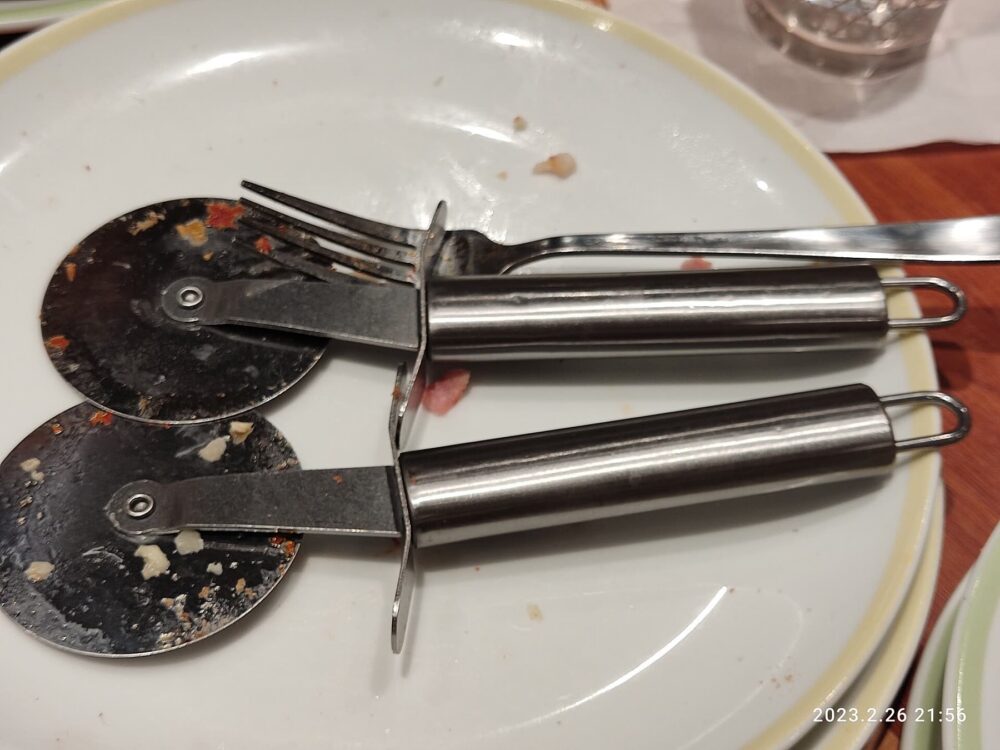
Yes, you can set up frequent pizza nights with affordable tools from Amazon Australia without everything bending or rusting after a month. Pizza cutters, peels, stones, brushes and dough tools sit in a broad “Pasta & Pizza Tools” segment on Amazon, and research tools like AmzChart’s pizza cutters category show that this segment spans everything from low-cost no-name gadgets to higher-end brands. The trick is matching materials and design to how often you’ll use them, then comparing that to any cross-border options.
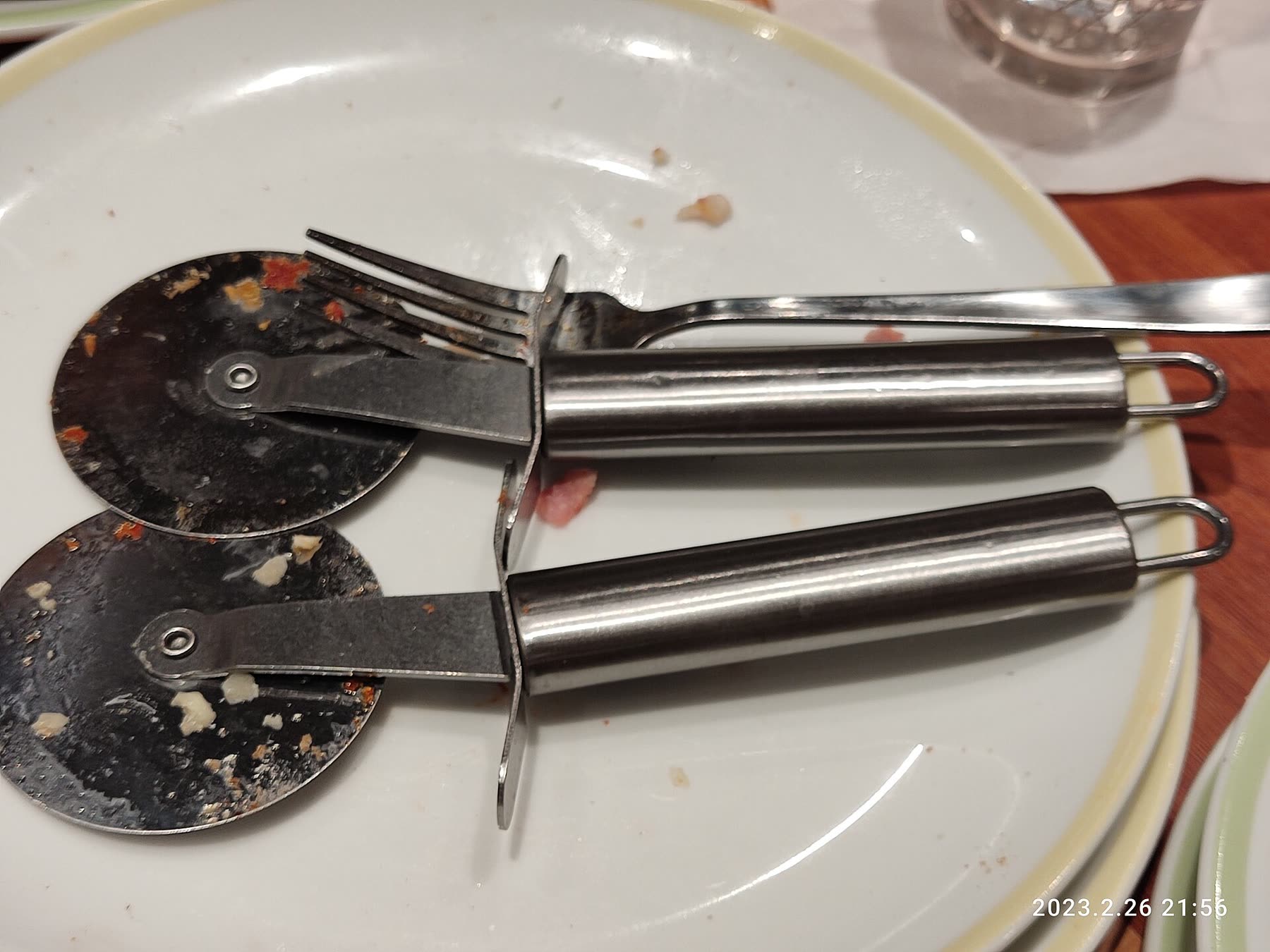
For a weekly household pizza night, a decent stainless pizza wheel, a basic peel and a mid-range stone or steel are usually enough. A small ecommerce seller might care more about per-unit cost, set bundles and storage than brand names, but the durability trade-offs are largely the same.
What Counts as “Pizza Tools” on Amazon and How Much Do They Cost?
On Amazon Australia, “pizza tools” usually means:
- Cutting tools – wheels, rocker blades, scissors-style cutters.
- Handling tools – peels, spatulas, serving lifters.
- Baking surfaces – stones, steels, perforated pans.
- Maintenance tools – oven/stone brushes, scrapers.
- Dough-prep tools – rolling pins, dockers, proofing trays.
The pizza cutter segment on Amazon is broad, spanning plastic-handled budget wheels through premium stainless models, as visible in the pizza cutters product research. DHgate’s editorial guidance on cutters suggests that historically you could expect a usable pizza wheel around US$10-15 and a rocker cutter around US$20, based on typical market pricing rather than any specific listing. That lines up with what you’ll usually see on Amazon: non-premium but solid wheels in the lower band, rocker blades in the higher band.
To make the cost picture concrete, a dough roller and docker set tracked on BigBangPrice illustrates that even specialised pizza dough prep tools can sit at budget levels. You’re not forced into commercial pricing just because you want more than a basic cutter.
Here’s a simple way to think about budget levels for frequent home use versus light resale, based on that cross-market context:
| Tool type | Typical budget band (global context) | Use case at this level |
|---|---|---|
| Pizza wheel | ~US$10-15 (editorial estimate) | Weekly home use, small bundles for resale |
| Rocker-style cutter | ~US$20 (editorial estimate) | Heavy home use, occasional catering jobs |
| Basic aluminum/wood peel | Widely budget-friendly | Moving pizzas in/out of home ovens |
| Dough roller + docker set | Budget-level example | Improving crust consistency for enthusiasts |
These ranges aren’t Australian-specific and Amazon Australia prices vary over time in local currency, but they help you sanity-check listings: if a no-name wheel is priced like a premium rocker or a basic peel costs more than a stone, you’re probably paying for branding or a bundle rather than raw utility.
For weekly pizza nights in an Australian household, buying in the pizza wheel and peel bands above usually gives you gear that won’t feel disposable, provided you stick to decent materials. For a micro-seller reselling tools on a marketplace or in a small local shop, those same bands can work if you’re buying small quantities rather than true wholesale and checking whether the total landed cost (item price plus shipping and fees) keeps enough margin.
Why Some Pizza Tools Cost More Than Others
Price gaps on Amazon aren’t random; they mostly come from materials, design complexity, and how “serious” the tool is meant to be.
Materials and durability
An Australian accessory guide from Measure My Pizza points out that oven tools like stones, peels and brushes vary by material and intended use, which affects both performance and lifespan (Measure My Pizza). A few patterns hold across Amazon listings:
- Stainless steel blades and tools tend to be more durable and rust-resistant than carbon steel or mystery alloys. DHgate’s editorial on pizza wheels echoes the view that stainless is widely preferred for blades because it stands up to repeated washing and cutting without corroding.
- Wooden peels and handles feel great and are usually budget-friendly, but they can warp or crack if left wet. They suit a home kitchen where you’ll take care of them, less so a rough commercial setting.
- Aluminum peels are light and often perforated, so they’re easier to manoeuvre and help reduce excess flour. They cost more than basic wood, but the weight and heat-handling can be worth it for frequent use.
Design and bundle complexity
Simple tools – a single-blade wheel, a flat peel – are cheaper to produce than multi-part sets or complex mechanisms.
- Rocker cutters use more steel and need a stiffer blade, so they sit above basic wheels on price but give smoother cuts on thick toppings.
- Multi-piece sets (for example, a peel plus cutter plus shears) tend to look like better value, yet they may hide cost in one weaker component. A very cheap set with a flimsy wheel will frustrate weekly use even if the peel is fine.
Seasonality and shipping
Pizza gear spikes around grilling season and major sales events. That can push premium brands up while generic tools stay flat. For Australian buyers, you also feel the impact of:
- Domestic vs imported stock – domestic inventory usually ships faster but might carry higher base pricing.
- Order size – a household buying one cutter cares more about total ticket plus shipping; a small reseller ordering ten tools might get better per-unit economics but has to factor in bulk shipping and storage.
A household running Friday pizza most weeks can justify stepping up in material quality (stainless blades, decent peels) even if it means paying a little more than the rock-bottom listings. A micro-seller testing a few SKUs might choose mixed-quality sets if the margin looks good, but that raises return risk when buyers discover the weak pieces.
Choosing the Right Channel and Keeping Your Pizza Tool Budget Down
For most Australian buyers doing home pizza nights, Amazon’s strengths are obvious: easy search, lots of reviews, and localised shipping. The wide pizza cutter and accessory segment demonstrated by AmzChart means you can compare dozens of wheels, rocker cutters and peels without leaving the site.
Cross-border marketplaces can still be relevant in two cases:
- You want very low per-unit cost for resale and are willing to manage longer shipping and import complexity.
- You’re after niche designs or bulk sets that aren’t widely listed on Amazon Australia.
DHgate, for example, is a cross-border sourcing marketplace where editorial content highlights budget-friendly cooking tools and argues they can be good quality if buyers do the work: checking materials, reading reviews and looking for any warranties or brand reputation (DHgate blog). The same content suggests that effective rocker cutters and standard wheels often sit around the global price bands mentioned earlier, which can be attractive for small ecommerce operators.
Limitations are real though. Those indicative prices are not Australia-specific, shipping times vary by seller, and you have to scrutinise each listing yourself. If you’re a household just wanting a reliable cutter and peel, the extra friction rarely beats the convenience of Amazon Australia. A micro-seller might still explore DHgate or competitors if they’re chasing margin, but they need to weigh that against slower replenishment, the effort of vetting suppliers, and a careful comparison of landed cost across channels.
To keep your pizza tool budget sensible while avoiding junk, regardless of channel:
- Prioritise stainless steel for any cutter you’ll use weekly – it’s a widely recommended material for durability and rust resistance.
- Use bundles where all components pass your quality check, not just one hero piece.
- Compare apparent deals to the rough global bands above so you can spot tools that are under-built for the price.
For most Australian home buyers, that adds up to a practical conclusion: Amazon Australia is a perfectly good place to buy budget pizza tools that survive frequent pizza nights, as long as you pay attention to materials and don’t chase the absolute cheapest listing. Small ecommerce sellers can still lean on Amazon for starter stock, but if reaching lower unit costs is critical, looking at cross-border marketplaces like DHgate and then comparing total landed cost is worth the extra homework.