
Medusa piercing jewelry is sold through three main types of online platforms: big retail marketplaces, specialist body‑jewelry shops, and wholesale/cross‑border marketplaces. For a Canadian buyer or small ecommerce seller, the right route depends on whether you need one or two flat‑back labrets for yourself, or repeatable stock in bulk, plus how much risk you’re willing to take on materials and shipping.
Retail marketplaces like Etsy and Temu give you huge variety at consumer‑level prices, but quality and material claims vary by seller. Specialist body‑jewelry sites such as FreshTrends or SSZ Piercing curate Medusa‑specific labret studs and usually explain sizing and piercing details more clearly, which helps if you care about implant‑grade metals and correct post length. Wholesale and cross‑border marketplaces, including DHgate, sit at the other end of the spectrum: broad style choice and potential per‑unit savings for resellers, but they demand more work verifying each supplier and listing.
Medusa Piercing Jewelry and the Online Market Landscape
A Medusa piercing, also called a philtrum piercing, sits in the vertical groove between your upper lip and nose, centered under the septum. Most Medusa piercings use a flat‑back labret stud: a smooth disc inside the mouth and a decorative top on the outside. That top can be a simple ball or bezel‑set gem, or more elaborate shapes like stars and claws.
Because the piercing is prominent and tricky to size, serious piercers often recommend professional installation and high‑quality materials (commonly titanium or high‑grade steel). That’s the safety backdrop for choosing platforms: a pretty listing isn’t enough if the post is the wrong length or made from an alloy your piercer wouldn’t use.
Online, “Medusa jewelry” can mean:
- Generic Medusa/philtrum labret studs from many brands
- Collections labelled specifically for Medusa piercings on specialist sites like FreshTrends’ Medusa collection or SSZ Piercing’s Medusa section
- Pieces sold by shops with Medusa in the brand name, such as Bijoux Medusa, which is a retailer rather than the piercing type itself
That mix is why platform choice matters: some sites are simply listing any labret that fits the look, others are structured around body‑jewelry expertise.
Platform Models for Medusa Jewelry: Retail, Specialist, and Wholesale
Three platform models dominate Medusa piercing jewelry online. Understanding how each works helps you match your needs to the right channel.
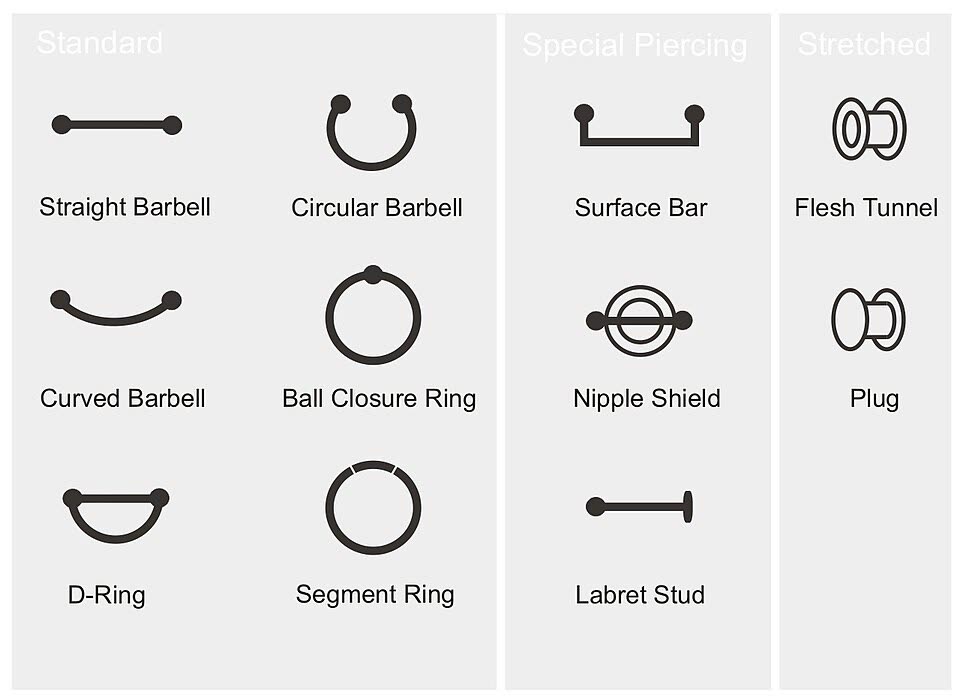
1. Retail marketplaces (Etsy, Temu, Walmart.ca)
Retail marketplaces host many independent sellers under one consumer‑shopping interface.
- Etsy has numerous “Medusa piercing” and “7mm Medusa” listings, especially for handcrafted tops and threadless ends that fit flat‑back posts. You’re often buying from individual makers who specialize in one aesthetic—minimal bezels, bold crystals, etc.
- Temu surfaces hundreds of “medusa piercing jewelry” listings. Most are mass‑produced, and the focus is price and variety rather than detailed material specs.
- Walmart.ca also shows Medusa‑labelled items, typically positioned as everyday retail body jewelry rather than professional‑studio gear.
These platforms:
- Are built for single‑piece or small‑cart purchases
- Offer wide style variety across price points
- Put responsibility on you to read listings closely for post length, gauge, and material
2. Specialist body‑jewelry retailers
Specialist sites are structured around body piercing as a core category, not just “fashion accessories.”
- FreshTrends organizes a full Medusa piercing jewelry collection, with labret studs and tops designed specifically for the philtrum.
- SSZ Piercing runs a dedicated Medusa section for philtrum labrets, again emphasizing targeted sizing and style.
- Tribal Expression, a piercing‑focused shop, offers a Medusa page combining information about the piercing and curated jewelry options.
- Sites like Vital Piercing’s Medusa guide provide education and often link to suitable jewelry.
These platforms typically:
- Focus on specific piercings with tailored jewelry
- Provide educational content (e.g., what lengths and gauges are common for Medusa, general healing information)
- Aim their offerings at individual buyers, but small ecommerce shops sometimes source from them at retail to test styles
3. Wholesale and cross‑border marketplaces
Wholesale/cross‑border marketplaces aggregate many factories, traders, and brand resellers, often based in Asia or Europe.
Here you’ll find:
- Bulk labret studs and decorative tops that can be used for Medusa piercings, often described generically as “lip” or “labret” jewelry
- Listing‑level MOQs (minimum order quantities) that suit small ecommerce testing through to full retail batches
DHgate is one example of this model: a cross‑border marketplace where some sellers list jewelry styles suitable for Medusa piercings, but every product’s material, sizing, and manufacturing quality must be checked at the seller level rather than assumed platform‑wide. Platforms like this are oriented more to sourcing than casual single‑piece purchases.
Quick Comparison: Retail vs. Specialist vs. Wholesale for Medusa Jewelry
Here’s how the main channels stack up for a Canadian buyer or small ecommerce shop:
| Platform type | Typical order size | Strengths for Medusa jewelry | Main trade‑offs for Canadians |
|---|---|---|---|
| Retail marketplaces | 1-5 pieces per order | Huge style variety; many price points; easy checkout | Mixed material quality; sizing info can be sparse |
| Specialist body‑jewelry sites | 1-3 pieces per order | Medusa‑specific collections; better piercing context | Higher per‑piece cost; limited bulk options |
| Wholesale/cross‑border marketplaces | 10+ pieces or repeated small batches | Bulk availability; good for resellers testing styles | Requires careful seller verification; cross‑border duties and shipping add complexity |
This table isn’t about which platform is “best” overall; it’s about where each type naturally fits in a Medusa piercing context.
Comparing Channels and Choosing the Right Route for Canadian Buyers
If you’re buying for yourself in Canada:
- Start with specialist body‑jewelry sites if you want piercing‑specific guidance. Collections at places like FreshTrends or SSZ Piercing are built around Medusa piercings, which makes it easier to get a flat‑back labret in the right gauge and length.
- Use retail marketplaces for aesthetic variety or budget constraints. For example, Etsy’s Medusa listings work well if you already know your post length from your piercer and mainly care about unique tops. On Temu, focus on listings that clearly state gauge and material; avoid anything with vague metal descriptions if you’re going to wear it in a fresh or long‑term piercing.
If you’re a small ecommerce business:
- Test demand using retail or specialist sites first. Buy a small range of labrets or tops to gauge what your local customers like—gem colors, top sizes, decorative motifs.
- Once you see a pattern, explore wholesale or cross‑border marketplaces for versions of those successful styles in bulk. On a marketplace like DHgate, that means digging into each listing’s photos and text, checking for material details (e.g., titanium vs. generic “alloy”), and favoring suppliers with consistent product descriptions across multiple items.
In both cases, a few platform‑specific habits help:
- On retail marketplaces, use search terms like “Medusa labret,” “philtrum flat back,” plus your known gauge (e.g., “16g”) to avoid unsuitable barbell styles.
- On specialist sites, read any Medusa‑specific sizing guidance before you order, and cross‑check with what your piercer recommends.
- On wholesale marketplaces, treat each listing as its own micro‑supplier. If you’re importing into Canada, factor in extra lead time for cross‑border shipping and potential taxes or duties on jewelry.
For Canadian buyers and small shops who want a deeper look at how multi‑seller marketplaces work, including the differences between consumer platforms and sourcing‑oriented ones, it can help to first understand broader marketplace mechanics in pieces like what DHgate is and how the marketplace works and online marketplaces and shopping platforms. Those broader structures are the same ones you’ll navigate when you translate “Medusa piercing jewelry” from a single listing into a reliable sourcing channel.
As long as you keep the specifics of Medusa piercings in mind—flat‑back labrets, central philtrum placement, and the need for safe materials—you can treat platform choice as a practical routing decision: retail for one‑off looks, specialist for piercing‑focused guidance, wholesale and cross‑border marketplaces for inventory once you know exactly what you’re sourcing.