
If you’re trying to buy or unload “sold out rubber stamps,” you’re really choosing between three kinds of online platforms: direct retailers that sell new office or art stamps, big marketplaces where people resell discontinued designs, and craft-focused communities that trade in niche stamp lines. Each channel reaches a different audience and handles low-volume, discontinued inventory differently, which shows up in your price, your workload, and how quickly things move.
For a US buyer chasing a specific retired craft stamp, general marketplaces like eBay or Mercari and craft sites like Etsy-style platforms tend to surface the widest mix of secondhand listings. For a small ecommerce seller clearing a closet full of discontinued sets, those same marketplaces plus stamp-focused Facebook groups or sale forums usually offer faster liquidation than trying to sell single units through a custom stamp retailer.
What People Mean by “Sold Out Rubber Stamps” and Where They’re Found Online
“Sold out rubber stamps” gets used two ways. In the office-supply world, it can mean a stamp whose imprint literally reads “SOLD” or “SOLD OUT,” used on invoices, price tags, or paperwork. You’ll see these as stock office stamps, including self-inking models like the red “SOLD” designs sold under brands such as ExcelMark.[ExcelMark office stamp example]
In the craft world, shoppers usually mean designs that used to be available—a particular flower, character, or sentiment set from a brand like Stampin’ Up or a boutique art stamp maker that no longer sells that design. Those are “sold out” in the sense of discontinued or retired, and they circulate mostly on resale and collector channels.
Today, both types show up across several platform categories:
- Stamp/office-supply retailers – Sites dedicated to rubber stamps and marking devices, like Simply Stamps’ discontinued office stamp listings, and broader office suppliers.
- General retail marketplaces – Big sites that list new office-style stamps alongside third-party or marketplace sellers, such as Walmart’s stamp listings.
- Peer-to-peer marketplaces – Resale platforms where individuals list secondhand inventory and craft lots (for example specific stamp sets or bundles) such as Mercari.[example craft lot listing]
- Craft-focused and artisanal marketplaces – Sites oriented to handmade or vintage items, where discontinued and niche rubber stamp designs sit alongside other craft supplies.
- Communities and sale groups – Facebook sale groups, craft forums, and stamp-specific communities where buyers and sellers trade discontinued designs directly.
Each of these is reachable from the US, but they play very different roles when the stamps you care about are no longer in active production.
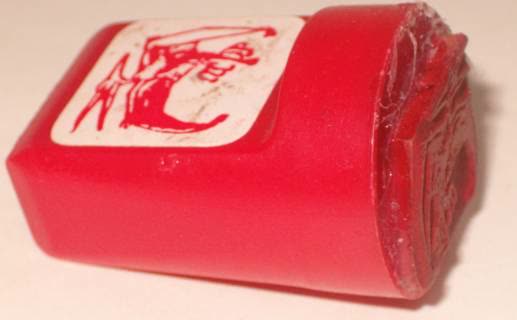
How Platform Types Actually Handle Sold Out or Discontinued Stamp Designs
You’re not just choosing “where to list”—you’re choosing a business model. That affects whether you’ll find brand-new “SOLD OUT” stamps, rare retired art stamps, or neither.
1. Specialty stamp and office-supply retailers
These are direct retailers: they design or source stamps, hold inventory, and sell to you. Their catalogs focus on:
- Office text stamps – VOID, PAID, SOLD, CLOSED, and similar, in both traditional rubber and self-inking formats.See a VOID stamp example
- General-purpose custom stamps – Logos, addresses, basic icons.
- Some art and craft stamps – Depending on the shop, you may see decorative designs alongside office stamps.Rubber stamps assortment
Pros for buyers:
- Reliable access to new “SOLD”/”SOLD OUT” type stamps in standard formats.
- Simple pricing and fast purchase flow.
Limitations:
- They rarely stock discontinued third-party craft designs—you won’t usually find a retired Stampin’ Up set here.
- As a seller with old inventory, you generally can’t list your own stamps; you’d need to be a wholesale supplier.
2. General marketplaces and big-box retail sites
Large marketplaces mix first-party retail with third-party sellers. A search for “sold stamp” or “office rubber stamp” on sites like Walmart surfaces stock text stamps from various brands,example listing while their marketplace layer can show:
- Multipacks of office stamps (SOLD, VOID, CLOSED, etc.).
- Craft stamp sets sold secondhand.
Pros:
- One search hits multiple brands of office “SOLD” stamps plus occasional craft listings.
- Good for buyers who don’t care about specific retired designs and just need a functional stamp.
Limitations:
- Hit-or-miss for niche discontinued craft stamps.
- Sellers face competition from mass-produced office stamps; unique art stamps can get buried.
3. Peer-to-peer resale platforms (eBay, Mercari, etc.)
Peer-to-peer sites are where discontinued craft stamps become a secondary market. Individual sellers list:
- Single stamp sets (often retired or out-of-print).
- Large lots pulled from personal collections (e.g., dozens of wood-mounted SU sets).
- Bundles of office and craft stamps together.
These platforms are widely used for collectibles and handmade items, and craft stamps slot neatly into that pattern.
Pros:
- Strong fit for buyers chasing specific retired sets—search by brand name, collection, or motif.
- Sellers can move bulk lots, not just single units.
Limitations:
- Search and discovery can be noisy; you’ll sift through unrelated items.
- Prices for truly rare designs can fluctuate a lot because they’re set by individual sellers.
You can see the flavor on Mercari, where craft stamp bundles from personal stashes appear among general home goods.Example secondhand stamp listing
4. Craft-focused and artisanal marketplaces
Craft-centric platforms (Etsy-style sites and similar) specialize in handmade, vintage, and niche supplies. That makes them natural homes for:
- Boutique, artist-designed rubber stamps.
- Vintage wooden stamps and unique typography sets.
- Small-batch, discontinued designs that creators sell in limited runs.
These platforms often host both finished crafts and the tools/supplies used to make them, so rubber stamps sit next to papers, inks, and embellishments.
Pros:
- Good match between audience and product; shoppers are already there for craft items.
- Better visibility for unique or artistic stamp designs than on general retail sites.
Limitations:
- Less ideal for generic “SOLD OUT” office stamps—those buyers often prefer direct office-supply channels.
- As a seller, listing and managing many low-priced, individual stamps can get labor-intensive.
5. Communities, forums, and sale groups
Craft forums, Facebook sale groups, and stamp-focused communities occupy a middle ground between marketplaces and social networks. A typical scrapbooking or rubber-stamp group will see posts like “De-stashing 40 retired SU sets” or “ISO: specific floral rubber stamp from 2010.”[general sale group example]
Pros:
- Highly targeted audience of stamp enthusiasts.
- Useful for matching hard-to-find discontinued designs with collectors.
Limitations:
- Less structured than marketplaces: you negotiate directly, track your own transactions, and there’s little platform-level mediation.
Quick Comparison of Platform Types
Here’s how the major platform types stack up for sold out or discontinued rubber stamps:
| Platform type | Best for buyer needs | Best for seller needs | Typical inventory fit |
|---|---|---|---|
| Specialty stamp/office retailers | New “SOLD”/”SOLD OUT” and other text stamps | Wholesale or brand-level suppliers | Current office stamps, some art stamps |
| General retail marketplaces | Functional office stamps, occasional craft | Sellers with general office supplies | Mixed office and household items |
| Peer-to-peer resale (eBay, Mercari) | Specific retired craft sets, bulk lots | Individuals de-stashing collections | Discontinued, collectible, secondhand |
| Craft-focused marketplaces | Niche, artistic, handmade stamp designs | Small makers and craft sellers | Handmade, vintage, specialty stamps |
| Communities & sale groups | Very specific discontinued designs, trades | Fast de-stash to an enthusiast audience | Collector-grade and retired lines |
This isn’t about “best overall” so much as matching the channel to what you’re trying to do.
Choosing the Right Channel to Buy or Resell Sold Out Rubber Stamps
How you use these platforms depends on whether you’re a buyer hunting a design or a seller moving inventory.
If you’re a buyer
- Need a standard “SOLD OUT” or “SOLD” office stamp: Go straight to a specialty retailer or office-supply site. The selection of text stamps is broad, and you avoid the randomness of resale listings. Sites like Simply Stamps and Fast Rubber Stamps illustrate the kind of stock you’ll typically see.Discontinued office stamp examples
- Chasing a specific discontinued craft stamp: Start with peer-to-peer marketplaces (eBay, Mercari) and craft-focused platforms, where retired sets and artist designs regularly surface. Use brand names, collection names, and motif keywords in your searches, and expect to check back over time as collections get de-stashed.
- Looking for inspiration or any interesting retired designs: Craft marketplaces and stamp communities are better browsing environments than general retail sites; they give you context and often show sample projects.
If you’re exploring cross-border sourcing—for example, stocking your own line of craft stamps to resell—broad marketplaces like DHgate can be one option alongside platforms focused on handmade or small-batch goods. They host a variety of craft-related items, but they’re not specifically optimized around discontinued stamp designs. Before you source anything there, you’ll want to inspect individual listings carefully (design originality, production method, minimum order quantities) and decide if they’re a fit for your audience.Overview of how DHgate works
You can also look at wider marketplace context if you’re deciding between DHgate and other global platforms: our comparison of DHgate, AliExpress, Alibaba, and Temu and a broader view of online marketplaces and shopping platforms are useful background.
If you’re a seller or small ecommerce business
Your main choice is between effort and reach:
- Big collections of discontinued craft stamps: Peer-to-peer marketplaces and craft sale groups let you move large lots quickly. You can batch listings (e.g., “20 retired sets, one price”) instead of photographing and pricing every single stamp.
- Small number of high-value, rare designs: Craft-focused marketplaces and collector-heavy platforms reward detailed listings. You’ll spend more time writing descriptions and taking photos, but unique designs have a better chance to stand out.
- Office-style “SOLD”/”SOLD OUT” stamps you no longer need: These functionally identical items tend to blend into generic office supply listings. Unless you have bulk quantities, it may be simpler to treat them as surplus equipment rather than a meaningful resale opportunity.
In short, specialty retailers are where you go to buy new text stamps; peer-to-peer and craft-centric platforms are where discontinued designs live and where most US buyers and small sellers will get traction with “sold out” craft stamp inventory.