
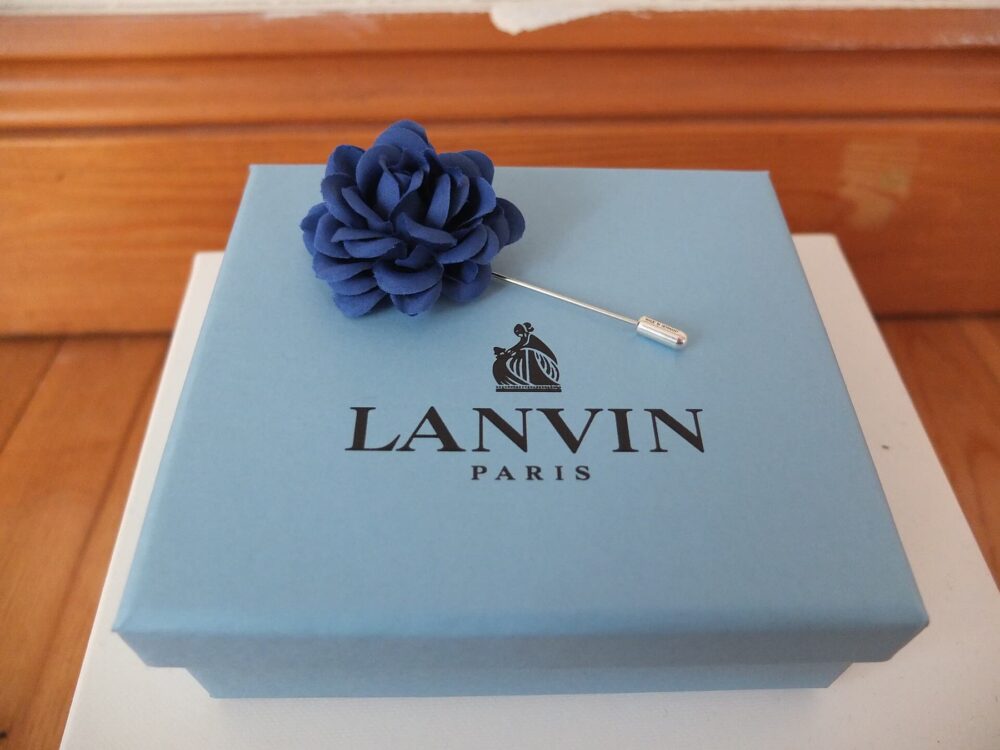
For jewelry and small gifts, “noble” packaging usually means rigid boxes and fabric-lined inserts that feel luxurious in the hand. On a realistic budget, the sweet spot is heavy paperboard for structure, a simple fabric or foam insert, and one premium finish such as foil or a ribbon. That gives your customer a high‑perceived‑value unboxing without paying for full leather, solid wood, or heavy metals.
The real cost drivers are less about the word “luxury” and more about materials, finishes, assembly time, and shipping weight—especially if you’re importing into Canada.
What Counts as “Noble” Gift Packaging and What Actually Drives Cost?
In Canada and the UK, Noble Gift Packaging (often branded as Noblepack) is an established supplier of jewelry and gift packaging—rigid jewelry boxes, gift bags, displays, and retail packaging.Gift Packaging Supplies | Luxury Jewelry Packaging | Noblepack Their catalog is a good shorthand for what the industry treats as “noble” style: boxes with weight, clean edges, soft interiors, and coordinated bags or cards.
For a typical jewelry gift box or small gift bag, your total cost stacks up like this:
- Structural material – Rigid paperboard (greyboard/chipboard) or plastic for boxes; paper or fabric for bags.
- Surface wrap and insert – Printed or laminated paper, velvet or satin lining, foam or flocked inserts.
- Finishes and branding – Simple print vs. foil stamping, embossing, or spot UV.
- Labor/assembly – Hand-wrapped boxes, glued ribbons, fitted inserts all add handling time.
- Shipping and import – Weight and carton size affect freight; Canadian buyers also face customs, tariffs, and brokerage when importing.
Rigid paperboard is widely used for luxury boxes because it’s strong and feels premium while staying relatively affordable compared with wood or metal.How to Choose the Perfect Luxury Boxes for Brands? The jump in cost usually comes when you start layering velvet, satin, or complex finishing over that base.
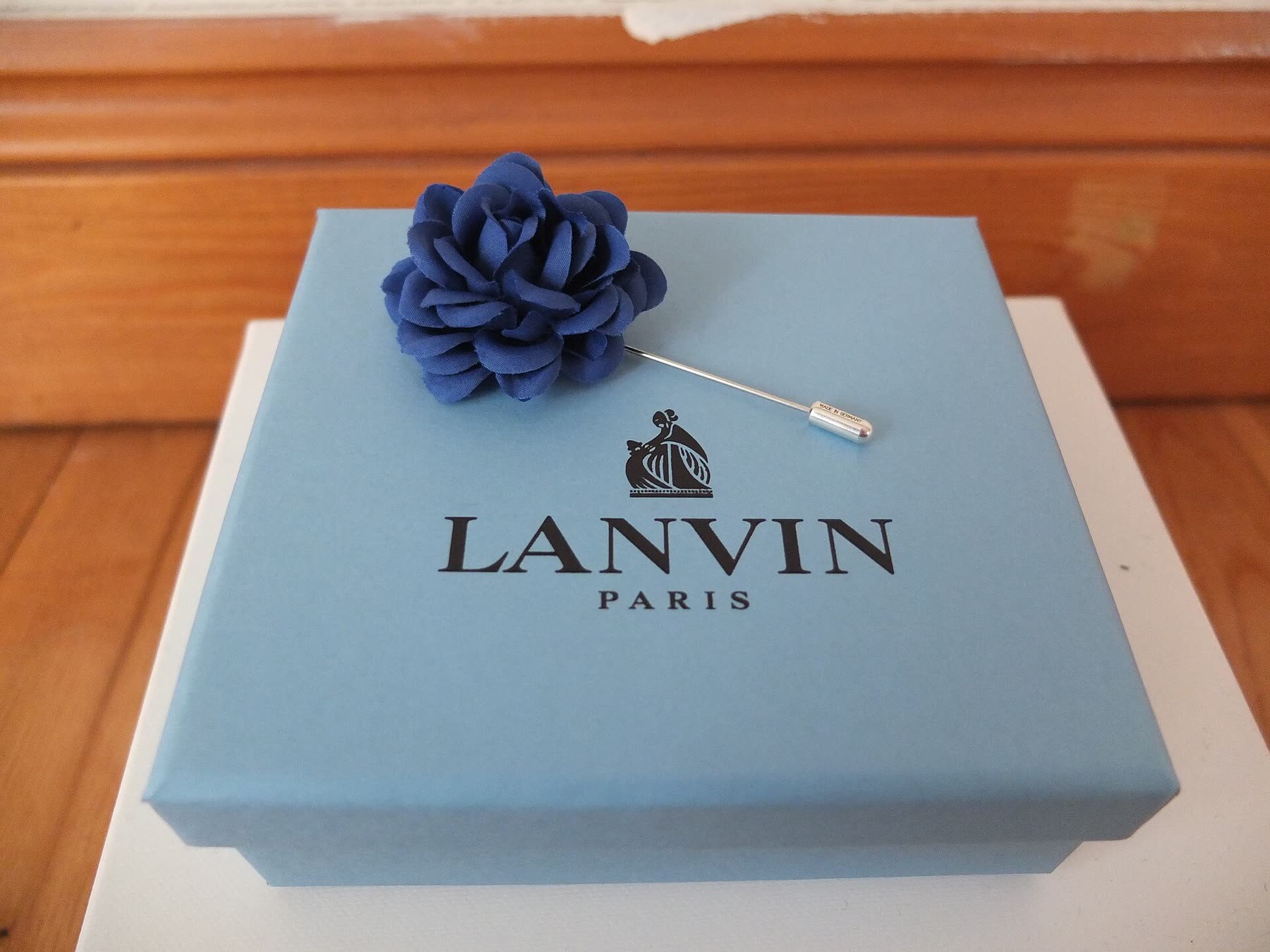
For Canadian small brands, remember that heavier, bulkier packaging also raises shipping costs to your customers. A box that feels noble but ships flat or light can save you twice: at sourcing and in outbound postage.
Affordable Premium Materials and Finishes: Where to Spend vs. Save
You don’t need full velvet clamshells to get a noble look. The biggest wins come from combining one premium material with otherwise budget‑friendly components.
Core box and bag materials
Rigid paperboard (greyboard/chipboard)
- Look/feel: Solid, weighty, associated with luxury boxes.
- Budget impact: More affordable than wood or metal; cost rises with thickness and size.
- Best use: Main body of jewelry boxes and higher‑end gift sets.
Recycled plastics (PVC, PET, PP, PS)Top 10 Eco-Friendly Jewelry Packaging Options for …
- Look/feel: Clear display boxes or glossy gift presentation.
- Budget impact: Often cost‑effective, especially for simple shapes; eco messaging if recycled.
- Best use: Small clear boxes for charms or lower‑priced jewelry.
Kraft and heavier paper stocks
- Look/feel: Natural, “eco” but can be made premium with weight and texture.
- Budget impact: Usually cheaper than laminated specialty papers; strong value if you lean into the rustic aesthetic instead of hiding it.
- Best use: Gift bags, outer mailers, branded sleeves.
Inserts, linings, and fabrics
Velvet and satin are common in elegant jewelry packaging, especially for wedding or fine jewelry.How to Create Elegant Packaging for Wedding Jewelry They add:
- Perceived value – Soft touch and sheen signal “special.”
- Cost – Higher material cost plus more careful assembly than plain paperboard.
A budget alternative is to use velvet or satin only on the insert or a ribbon, and keep the outer box in textured paper.
Eco-friendly inserts and bags use materials like recycled paper/cardboard, cotton, jute, or hemp.Your guide to eco-friendly jewellery bags in 2025 These can look noble when you choose thicker weaves and rich colors, and they let you market sustainability without paying for complex linings.
Finishes: simple vs. premium
Premium finishes require compatible paper bases and increase per‑unit cost compared with simple print.What Materials and Finishes Work Best for a Gift Packaging …
Here’s how they stack up for jewelry and small gifts:
| Finish type | Perceived luxury | Relative cost vs. simple print | Best budget use |
|---|---|---|---|
| Matte or soft-touch paper | Medium | Slightly higher | Main box wrap; pairs well with simple logo |
| Foil stamping | High | Higher | Logo or monogram only, small area |
| Emboss/deboss | High | Higher | Brand mark or pattern on rigid paperboard |
| Simple 1-2 color print | Low–medium | Lowest | Inner cards, sleeves, lower‑priced lines |
For a small Canadian brand, a common cost‑efficient combo is: rigid paperboard box, matte or lightly textured wrap, and a single foil‑stamped logo.
Quick scenario examples
- Low budget kit: Kraft paper jewelry box + cotton drawstring bag + printed logo. Noble feel comes from thickness and color palette rather than fabrics.
- Mid budget kit: Rigid paperboard ring box + velvet insert + foil logo. Reserve velvet for the inner tray, keep the outer simple.
- Higher budget but still sane: Rigid box with satin lining, foil logo, and matching paper bag. Use this only for your highest‑margin pieces.
Sourcing Channels: Local Suppliers vs. Cross‑Border Marketplaces
For Canadian buyers, choosing where you source is as important as choosing materials.
Local wholesalers and brands (e.g., Noblepack) Suppliers like Noble Gift Packaging / Noblepack focus on jewelry, optical, and retail packaging and keep inventory in Canada or nearby. Pros:
- Faster replenishment and simpler returns policies.
- Clear specs and samples for common box sizes and materials.
- No surprise currency swings or long transit if you reorder often.
You’ll usually pay a bit more per unit than the lowest cross‑border quote, but you save time and reduce risk on misprints or material mismatches.
Cross‑border marketplaces and wholesalers Global platforms can connect you with factories producing rigid boxes, velvet‑lined cases, and eco bags at scale. DHgate is one example: it hosts sellers offering premium gift boxes and sustainable packaging materials alongside many other product categories.What are the best jewelry package deals for any occasion? Potential upsides are broader choice and lower factory‑level pricing, especially at higher volumes.
The tradeoff is that you, as the buyer, must do more homework:
- Verify specs – Check board thickness, fabric type, and finish compatibility in the listing or by messaging the seller.
- Order samples – Before committing, request sample boxes or bags to confirm color, texture, and logo reproduction.
- Calculate landed cost – For imports into Canada, factor freight, duties, taxes, and brokerage. A cheaper FOB price can end up more expensive once everything lands. You can use guides like this overview of customs, tariffs and import fees as a checklist.
If your volumes are still small, a local wholesaler or regional distributor may beat cross‑border sourcing once you include all fees. For larger runs or highly customized designs, cross‑border can make sense if you’re disciplined about samples and contracts.
Practical Ways to Cut Spend Without Killing Perceived Value
You can keep packaging noble‑looking while staying well within a budget by focusing on a few concrete tactics:
- Use structure over embellishment – A heavier, well‑made paperboard box with clean edges often feels more premium than a flimsy box covered in fancy print.
- Limit customization areas – Put your logo in one place (foil on lid, for example) and keep inserts and bags unbranded. That reduces printing setups and lets you reuse components.
- Standardize sizes – Design your jewelry range around 2-3 box footprints. Larger MOQs per size and shared inserts cut cost and storage complexity.
- Choose one story: luxury or eco (or a balanced hybrid) – If you lean into eco, use kraft, cotton, jute, or hemp and communicate sustainability clearly; if you lean into luxury, prioritize weight, texture, and a single high‑impact finish.
- Order samples early in the season – Especially for holiday lines, test materials and finishes months ahead. Last‑minute rushes and air freight will destroy any budget advantage.
For many Canadian micro‑brands, an ideal starting point is a rigid paperboard box with a simple foam or velvet insert and a reasonably thick printed bag. That combination feels noble in the hand, ships economically, and is available from both local suppliers like Noblepack and a variety of cross‑border sellers—giving you room to adjust channels as you grow.