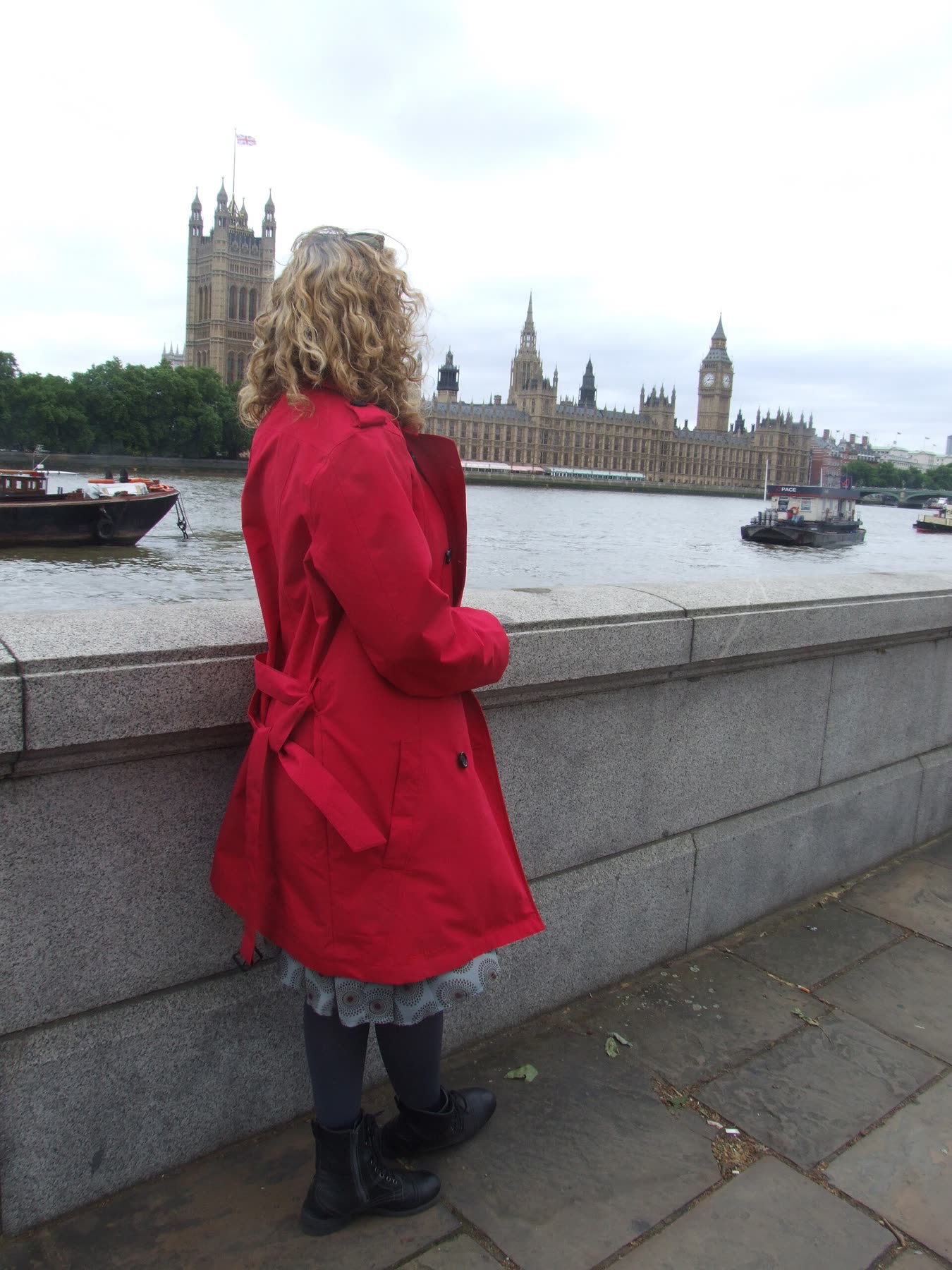
Red leather trench coats sit in a wide price band: roughly $100–$250 for mass‑market faux leather styles and around $500–$1,500+ for premium genuine leather, with designer pieces sometimes going well past that. For a Canadian buyer, the sweet spot depends on whether you’re okay with faux leather, how much you care about craftsmanship and longevity, and whether you’re buying one coat for yourself or importing a small batch to resell.
On mainstream retailers like Nordstrom and Macy’s, red trench and red leather trench styles are positioned as bold, fashion‑forward versions of the classic beige or black trench: same belted silhouette, but a statement color and often a more edgy material. That styling premium is the first reason prices climb.
What Drives the Cost of a Red Leather Trench Coat?
For red leather trenches, you’re mainly paying for three things: material, construction quality, and brand/story.
1. Material: faux vs genuine leather
Most budget red trenches are faux leather or coated fabrics. Based on typical trench pricing discussed in editorial roundups, budget and fast‑fashion trenches often start around $40–$100 in other colors, and red faux leather versions tend to cluster in the $100–$250 range once you add the color and texture trend. Genuine leather immediately pushes you into a higher tier: a well‑made full‑grain or top‑grain leather trench commonly lands in the $500–$1,500+ range, especially if it’s longer and fully lined.
Designer trench coats from brands like Burberry or Gucci can illustrate the far end of the spectrum: editorial coverage puts many high‑end trench styles above $2,000, even when they’re not leather. Red leather plus a designer label easily crosses that line.
2. Construction and details
Within each material band, you’ll see price move with:
- Length and weight: ankle‑length, heavy leather with a full lining costs more than a lighter, mid‑thigh style.
- Hardware and finish: quality zippers, snaps, belt buckles, and clean top‑stitching add cost.
- Pattern complexity: tailored shoulders, storm flaps, and detailed paneling take more labor than a simple straight‑cut coat.
Mass‑market coats often economize on lining and hardware to stay under the $250 mark, while higher tiers feel heavier, drape better, and hold their shape.
3. Brand, vintage, and “story” pricing
Retailers like Nordstrom and Macy’s mix house brands with designer labels in the red trench category, so the logo itself can double or triple the price. On platforms like Etsy, vintage and custom red leather trenches lean into uniqueness—90s cuts, handmade details, or cosplay/celebrity inspiration. Those sellers often price based on rarity and labor, not just raw materials.
Here’s a simplified view of the cost tiers you’ll encounter:
| Tier | Typical material | Approx. coat price (CAD/USD) | Where you usually find it |
|---|---|---|---|
| Budget | Faux leather, coated fabric | ~$100–$250 | Fast‑fashion retailers, some marketplaces |
| Mid‑range | Mixed/faux leather, better construction | ~$250–$500 | Department‑store house brands, quality indie labels |
| Premium genuine | Genuine leather, full lining | ~$500–$1,500+ | Specialty leather brands, custom makers |
| Luxury designer | Designer leather/wool, brand cachet | $1,500–$2,000+ and up | Designer houses, select boutiques |
These ranges are approximate and can move with sales, currency shifts, and new collections, but they’re a realistic band for planning a budget.
How Material, Order Size, and Season Change What You Pay
If you’re buying one coat for yourself, you’ll mostly feel material and brand differences. As soon as you source multiple red leather trenches—for a boutique or online shop—other factors kick in.
Material and customization
- Faux leather for lower upfront cost: great if you want bold color and a trench silhouette without committing to premium leather margins. Many red trenches at fast‑fashion names like H&M Canada use synthetics to stay accessible.
- Genuine leather for higher resale and longevity: more expensive per unit, but easier to justify at higher retail prices, especially if you market durability and premium feel.
- Custom elements (logo tags, special lining prints, exact shade of red) tend to raise the unit price and often require higher minimum orders.
MOQ and small‑batch sourcing
If you commission a factory run of 10-50 coats instead of buying off‑the‑rack, expect:
- Lower per‑coat price compared with buying 10 separate retail units.
- Setup charges spread across the batch, which means very small runs (say, under 10) might not feel much cheaper than retail once you factor in sampling.
For a small Canadian ecommerce brand, a practical approach is often:
- Use ready‑made faux leather trenches from mainstream retailers or marketplaces for your first test run.
- Move to semi‑custom genuine leather only after you see demand at higher price points.
Seasonality and timing
Red trenches spike around fall fashion drops and holiday party seasons. Prices on mainstream platforms are often:
- Higher in early fall, when new collections land.
- More negotiable or discounted in late winter or early spring.
If you’re importing, aligning your bulk purchase with off‑peak times can free budget for better materials.
Choosing a Channel and Keeping Your Total Cost Predictable
You have three main ways to get a red leather trench: retail single‑unit, vintage/custom platforms, and wholesale or marketplaces. Each has different cost and risk dynamics, especially cross‑border.
Retail: easy but less flexible
Canadian and US retailers such as Nordstrom, Macy’s, and H&M offer ready‑to‑buy red trench styles. Pros:
- Clear listed prices and return policies.
- No MOQ; you can buy exactly one coat.
Cons for small businesses:
- Limited margin if you try to resell retail‑priced items.
- Less control over shade, cut, or branding.
Vintage and custom: uniqueness at a variable price
On Etsy, red leather trenches—especially “90s” or cosplay‑adjacent pieces—focus on uniqueness and handmade value. This is ideal if your store leans into one‑off, curated inventory. The tradeoff is inconsistent sizing and supply: you might find one perfect coat and never see that exact style again.
Marketplaces and wholesale: more control, more math
If you’re sourcing a small batch of red leather trenches, wholesale suppliers or cross‑border marketplaces can make sense. Platforms that list many sellers, including DHgate, may offer budget‑friendly faux leather and some genuine leather trench styles if you’re willing to:
- Compare sellers carefully on material specs and photos.
- Ask for clear unit pricing and any minimum order expectations.
- Request sample photos or a physical sample before committing to a larger run.
For Canadian buyers, the crucial step is to think in landed cost, not just the per‑coat price.
A simple way to model landed cost is:
Total landed cost per coat ≈ (item price × quantity + shipping + estimated duties/taxes + payment/processing fees) ÷ quantity
For example:
- A single faux leather trench at a department store might list at $220 plus local tax, and you walk out the door with a total around that figure.
- Importing 10 mid‑range faux leather trenches from a cross‑border seller might show a unit price of $120, but once you add international shipping and applicable import fees, your real cost per coat could be closer to $160–$190.
For larger or repeated imports, many Canadian small businesses benefit from understanding generic customs and tariff concepts. Resources like Understand customs, tariffs and import fees can help you avoid surprises without offering formal tax advice.
Practical Ways to Stay on Budget Without Undershooting Quality
Whether you’re buying one red leather trench or a dozen, a few focused tactics help you hit the right value point:
- Pick your material band first. Decide upfront if your ceiling is faux leather (roughly $100–$250) or genuine leather ($500+). This prevents falling for a coat that doesn’t fit your resale or personal budget.
- Use retail to benchmark. Browse red trench categories at Nordstrom or Macy’s to see where mid‑range and designer prices sit. Then compare any marketplace offer against those benchmarks: a “premium” leather trench priced far below typical mid‑range may be cutting corners.
- Match order size to confidence. For your first season, treat 1-3 coats as an experiment: perhaps one mass‑market faux leather trench, one mid‑tier, and one statement piece. Only move to 10+ unit orders once you’ve seen what actually sells or fits.
- Time purchases around sales and currency. Watching fall and post‑holiday sales at major retailers can put a mid‑tier red trench within a budget band that would otherwise only buy a basic faux leather option.
- Keep shipping and duties in the spreadsheet. Before any cross‑border purchase, write out item total, estimated shipping, and a conservative estimate for import fees. If that final landed cost per coat still leaves margin at your planned resale price, you’re in a safer zone.
For marketplace and wholesale comparisons beyond red leather trenches, you can also look at channel‑level guides such as Compare DHgate with AliExpress, Alibaba and Temu or more focused sourcing overviews like Find wholesale suppliers on DHgate when you’re ready to vet specific sellers.
In short, decide your material and price band first, then choose the sourcing channel that keeps your landed cost predictable. For a single red leather trench coat in Canada, mid‑range faux leather from a mainstream retailer is often the most straightforward value. For a small ecommerce business, combining one or two premium showpieces with a batch of more affordable faux leather trenches can balance budget, impact, and risk.