
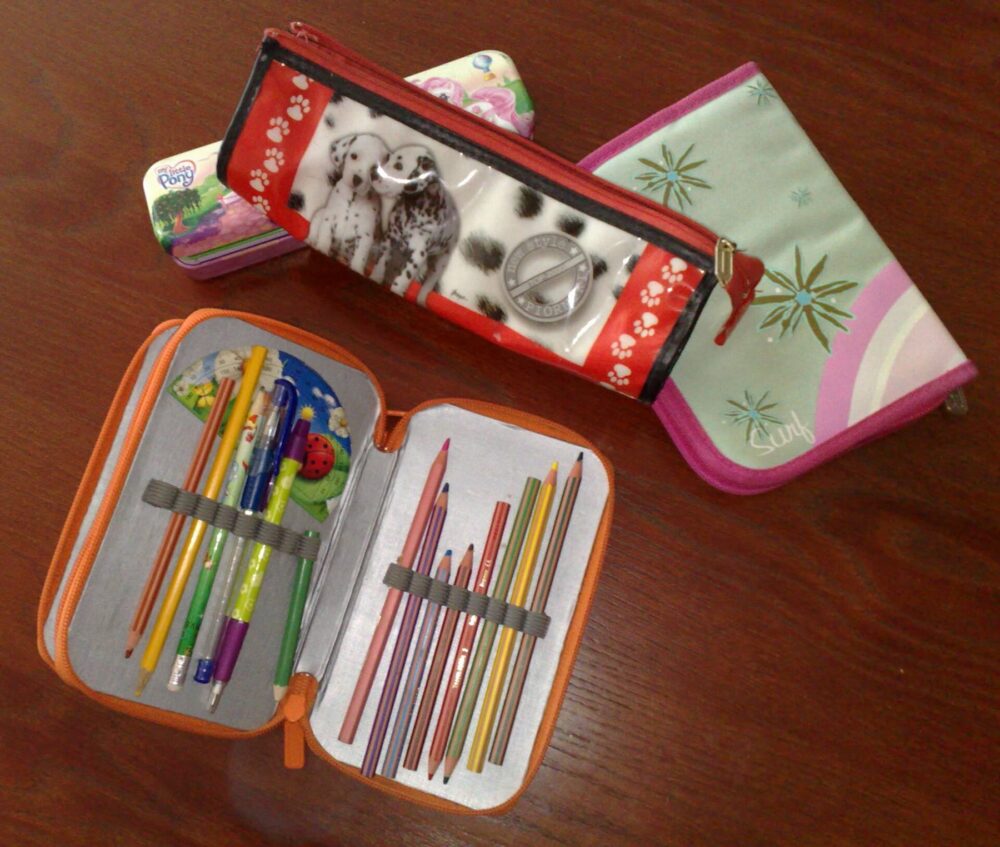
You can build a useful pencil case for a student or an artist at almost any budget by focusing on core tools first, then choosing a case and sourcing channel that match how those tools will be used. For a basic Aussie school kit, you’re usually covered with a couple of pencils or pens, an eraser, a sharpener, a 15-30 cm ruler, a few highlighters and small extras like glue or scissors, as outlined in guides such as the everyday essentials list by PencilCases.com.au. From there, the big cost swings come from brand, case style, and whether you’re buying one set at a local chain or sourcing dozens cross-border.
What Actually Belongs in a Budget-Friendly Pencil Case (Students vs Artists)
Think in tiers: core essentials, nice-to-haves, and artist‑grade tools. The more you move to the right, the faster your budget climbs.
Student core kit
Typical school‑friendly contents include:
- Writing instruments: 2-3 HB pencils or ballpoint pens; a softer pencil (2B or 4B) helps with shading.
- Corrections and measuring: A decent eraser, a compact sharpener, a 15-30 cm ruler.
- Highlighting and organizing: 1-3 highlighters in different colors.
- Small extras: Glue stick, small scissors, perhaps a basic calculator depending on the year level.
Australian‑focused lists like the “ultimate pencil case guide” from PencilCases.com.au reflect this pattern, though individual schools vary. On a tight budget, you can hit these basics with supermarket or discount‑store brands and a simple zippered case.
Minimalist everyday setup
If you or your customer prefers to carry less, minimalist guides such as The Minimalist’s Guide to Everyday Pencil Case Essentials often narrow it down to:
- One reliable mechanical pencil with spare leads
- One dependable pen
- One eraser that actually erases cleanly
- A compact sharpener
- A single highlighter
This kind of kit is ideal for small cases or pen sleeves, and it keeps spend low—especially if you invest in one or two good writing tools instead of a big pile of cheap ones.
Artist and design kits
Artists and design students need the same basics plus specialist tools:
- Range of graphite grades (e.g., 2H to 6B)
- Fineliners in multiple sizes
- Colored pencils or markers
- Blending stumps, small ruler or triangle, and often a compact sketchbook
Here, the case itself matters more: roll‑up fabric cases or large zip‑around organizers designed for many pencils are common, as seen in brand examples like YOUSHARES colored pencil cases highlighted in DHgate’s editorial coverage. They hold dozens or even hundreds of pencils, but you pay for capacity and organization.
Why the Same Pencil Case Costs $5 or $50: Price Drivers and Tradeoffs
Two pencil cases that look similar in a thumbnail can feel very different in real use. Several factors push the price up or down.
Case material, build and format
Guides such as BAZIC Store’s buying overview indicate that durability, spaciousness, compartments and portability are key to how buyers judge value.
- Materials: Thin PVC or unlined polyester is cheap but can split under load. Heavier canvas, nylon, or leather costs more but tends to last longer.
- Format: Zippered rectangles are usually the budget default. Roll‑up cases are compact and great for artists but add fabric and stitching costs. Hard‑shell cases protect fragile tools, while mesh cases trade protection for visibility. Standing cases that pop up on a desk add convenience and structure.
DHgate’s blog describes formats like zippered, roll‑up, hard‑shell, mesh and standing as offering different organization and protection tradeoffs rather than clear winners.
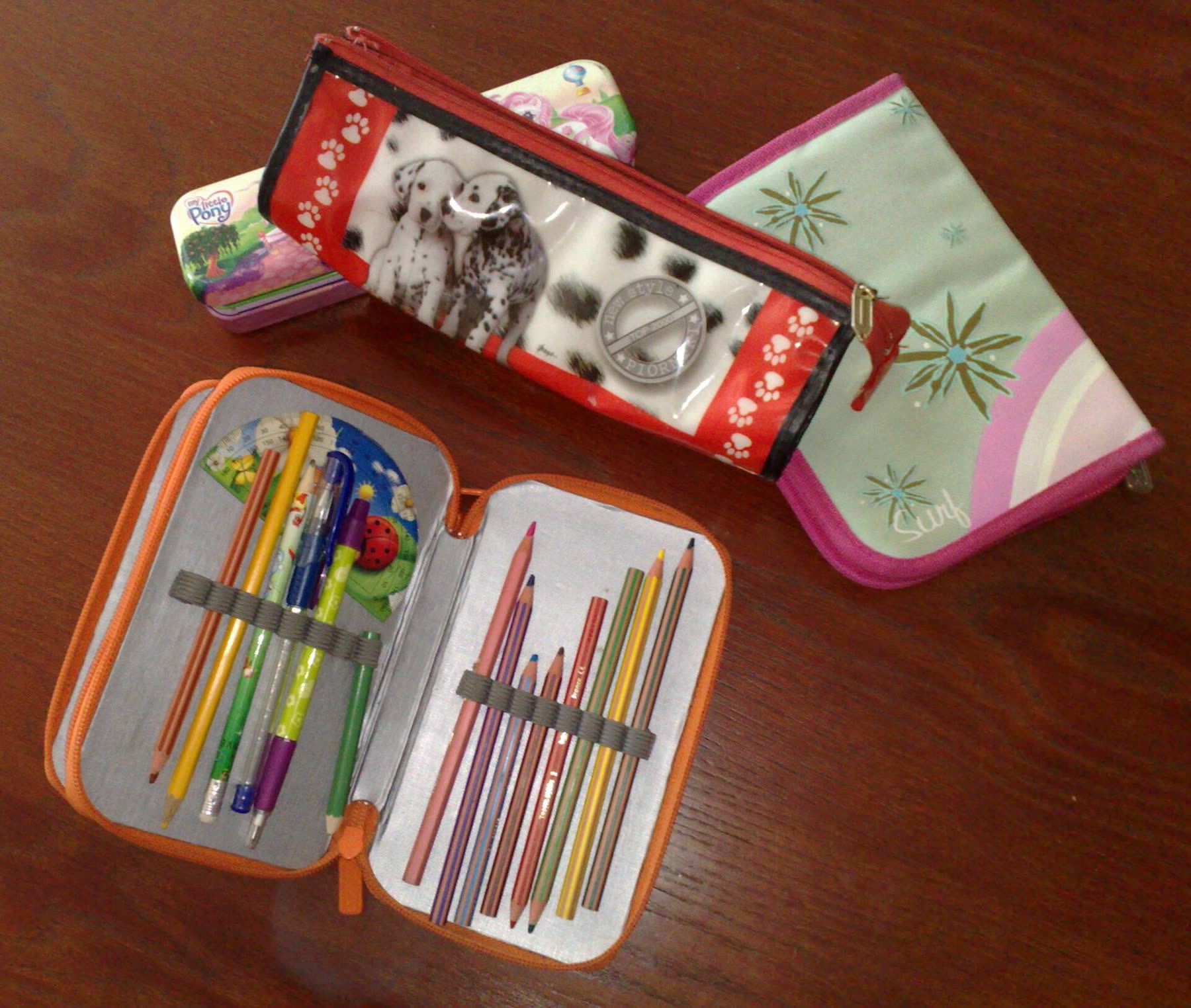
Stationery quality and brand positioning
The contents often cost more than the case:
- Budget pens, pencils and highlighters keep a basic school kit very cheap.
- Midrange brands for artists and design students can multiply the spend once you add a full range of pencils or markers.
Case brands themselves sit on a spectrum. DHgate’s editorial examples use names like EASTHILL, ZIPIT, LIHIT LAB and Kipling to show how styles and capacities roughly map to budget vs premium:
- EASTHILL and similar designs represent big, functional capacity at relatively low prices.
- ZIPIT leans into fun designs (e.g., monster faces) with decent durability.
- LIHIT LAB tends to be compact, compartment‑heavy and more refined.
- Kipling’s 100‑pen cases illustrate premium, fashion‑oriented options with high capacity.
None of these are mandatory; they’re useful markers. A plain nylon case from a supermarket can be fine for a Year 7 student, while a design student might really benefit from a LIHIT LAB‑style organizer.
Customization, bulk and shipping
For small ecommerce sellers or schools, extra price drivers appear:
- MOQ and bulk discounts: Ordering dozens of identical cases can drop the per‑unit price compared with buying singles, but only if you’re comfortable with the total outlay and storage.
- Customization: Adding logos, names or color‑matched trims pushes you toward higher pricing and longer lead times.
- Shipping method: Locally, choosing standard vs express postage changes cost slightly. Cross‑border, shipping method can dramatically change landed cost, particularly for heavier or bulky artist cases.
Cost drivers at a glance
The table below summarises how key features tend to affect price and usefulness for Australian buyers.
| Feature / choice | Budget impact (up or down) | Who feels it most |
|---|---|---|
| Thin vs heavy‑duty material | Heavy‑duty raises upfront cost, but may reduce replacements | Students and parents |
| Small vs high‑capacity case | Larger cases cost more and invite more tools | Artists, stationery fans |
| Few vs many compartments | More compartments add complexity and price | Organised students, designers |
| Plain vs branded/premium | Premium brands lift price, sometimes resale appeal | Gift buyers, resellers |
| Single vs bulk purchase | Bulk drops unit price but raises total spend | Schools, ecommerce sellers |
| Standard vs express/cross‑border shipping | Faster or international options add cost | All buyers, especially bulk |
Choosing a Sourcing Channel and Cutting Costs Without Cutting Quality
Your budget isn’t just about sticker price. It’s about the full cost to get usable pencil case essentials into students’ or customers’ hands.
Quick channel comparison for Australian buyers
Here’s a compact way to think about three common options:
| Channel | Best for | Typical pros | Typical tradeoffs |
|---|---|---|---|
| Local retail (supermarket, discount store, stationery chain) | 1-5 kits for school or home | Immediate availability; easy returns; see/feel quality | Higher per‑item price; limited bulk discounts |
| Domestic online (Aussie stationery sites, marketplaces) | 1-50 kits; mix of student and artist | Wider choice of styles and brands; occasional free‑shipping tiers | Need to factor shipping; can’t inspect before buying |
| Cross‑border marketplaces (multi‑seller platforms) | 20+ identical cases or contents for resale or school orders | Potentially lower unit prices on bulk stationery and cases | Extra shipping cost, customs risk, more effort verifying sellers and listings |
For one or two pencil cases, local retail or domestic online usually wins on simplicity. The total cost difference to cross‑border is rarely worth the delay and complexity.
For a micro brand or school ordering dozens of similar kits, cross‑border marketplaces like DHgate can make sense as one option because many sellers offer bulk packs and high‑capacity cases at relatively low unit prices. However, those savings only matter if you’re prepared to:
- Check each listing’s specifications carefully (materials, dimensions, capacity).
- Ask sellers questions about bulk pricing and packaging.
- Model shipping and potential import charges on top of the item price.
If you’re new to cross‑border, it’s worth reading marketplace comparisons or import‑cost explainers elsewhere on DHgateWiki to round out your understanding of total landed cost and platform differences.
Practical ways to keep pencil case costs sensible
Whether you’re buying for one child or stocking a small online shop, a few tactics help.
1. Lock in the essentials list first
Decide which core items are non‑negotiable and which are optional. For a school kit, that might be: two writing instruments, eraser, sharpener, ruler, one highlighter, and a glue stick. Buy those first, then only add extras if the budget allows.
2. Choose the case to match real usage
A large accordion‑style case similar to an EASTHILL design is ideal for students who carry many pens and gadgets. For a minimalist or a primary school child, a slim zippered pouch is cheaper and less likely to become a clutter magnet.
3. Mix budget and midrange tools
For artists, you don’t need every item to be top‑tier. Many people pair one good mechanical pencil and a few quality fineliners with more affordable colored pencils to keep the kit usable but affordable.
4. For bulk sourcing, test before committing
If you plan to source pencil cases or ready‑filled kits for resale via a cross‑border marketplace or wholesale supplier, order a small batch or sample first. That lets you check stitching, zippers, and actual capacity before you’re locked into a large order.
Building a pencil case that works on a budget is mostly about clarity: know who the kit is for, which tools they’ll actually use, and what channel makes sense for the quantity you need. Once those pieces are clear, the choice between a $5 pouch and a $50 artist organizer becomes much easier to justify.