
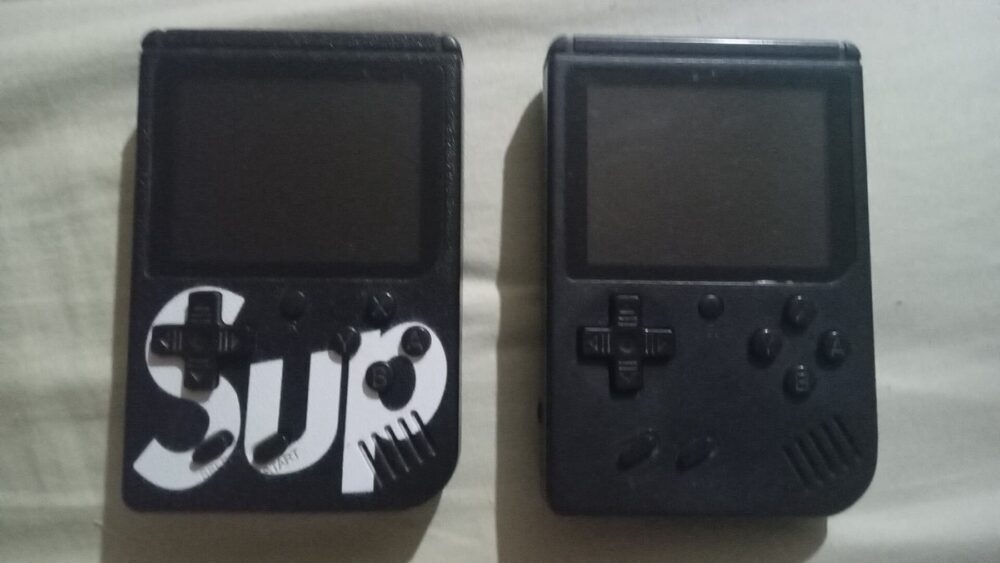
For a Canadian buyer on a tight budget, a modern retro handheld emulation console typically ends up costing about US$30-80 per unit once you include shipping and border fees. Under roughly US$50 you’re looking at basic devices focused on 8‑bit/16‑bit systems like NES, SNES, Genesis and Game Boy; in the US$50-80 band you start to see better screens, stronger chips and usable PlayStation emulation, which matters if you want to resell or avoid buyer’s remorse.
Retro handhelds are small consoles that run emulators and ROMs for older systems such as NES, SNES, Sega Genesis, Game Boy and the original PlayStation. They’re widely sold through Canadian retailers like Best Buy’s retro game console category, brand-direct sites like Anbernic, Asian marketplaces and niche shops such as Reload Retro’s handheld section. The smart move is to think in terms of landed cost: product price + shipping + customs + payment fees, then match that to the level of emulation you actually need.
What Budget Retro Handhelds Really Cost (Product + Shipping + Border)
For personal use, most Canadian buyers will land a budget retro handheld in three rough bands:
- Entry tier (about US$30-45 before shipping): Often no-name devices or low‑end Miyoo/Powkiddy/R36‑family units marketed as “10,000 games” or similar. Good for NES/SNES/Genesis, Game Boy and arcade, weaker once you push PlayStation or N64.
- Main budget tier (about US$50-80 before shipping): Where popular Anbernic RG series, Powkiddy RGB10‑family devices and older Retroid models commonly sit. These are widely discussed in retro communities and have hardware capable of smoother PS1 emulation.
- Above‑budget (US$90+ before shipping): Newer Android handhelds and mid‑range devices capable of PSP and beyond. They’re often overkill if you only care about 16‑bit pixel art.
From a Canadian perspective, product price is only part of the story:
- Shipping: Ordering from a Canadian retailer or domestic reshipper often means shipping baked into the price or a modest local fee. Buying from overseas can add US$10-25+ per unit depending on method and distance.
- Customs and taxes: Canada Border Services may assess GST/HST and duties on imported consoles. You should treat this as a real possibility, but specific rates vary by classification and province. Our customs explainer at Understand customs, tariffs and import fees walks through how these charges generally show up.
- Currency and payment fees: For cross‑border purchases charged in USD or CNY, your card or payment provider may add foreign transaction or conversion fees. They’re small per unit but matter if you’re buying multiple handhelds for resale.
For a single device, a realistic landed budget is:
- Personal buyer: Plan on US$45-90 all‑in depending on tier and channel.
- Small reseller testing inventory: A small batch of 5-10 units in the mid tier will usually sit around US$50-80 landed per unit, once you average shipping and potential border costs across the lot.
Why Some Retro Handhelds Are Cheaper Than Others
Seeing one handheld for US$30 and another for US$90 isn’t random. You’re paying for specific things:
1. Hardware and emulation level Devices like the Anbernic RG351P or Powkiddy RGB10 series use stronger processors and more RAM than ultra‑cheap 8‑bit toys, which lets them emulate more demanding systems more accurately. Editorial coverage on DHgate’s blog points out that mini/retro consoles with better hardware deliver higher emulation quality, while low‑priced units trade that off for simplicity and cost. A US$30 device might be fine for NES and Game Boy but struggle with PS1; a US$70 device has enough headroom to run higher‑end emulators more smoothly.
2. Screen and controls Budget devices vary drastically in screen quality and input. Higher‑priced RG and Retroid‑family handhelds often use IPS screens with better viewing angles, plus dual analog sticks and responsive buttons. Cheaper consoles may cut corners with dim screens, mushy D‑pads or misaligned analog sticks. That’s a direct comfort and resale issue.
3. Build quality and firmware support Well‑known brands in the retro niche tend to offer more consistent shells, better thermals and community‑maintained firmware or OS images. No‑name listings might ship with a generic, buggy interface and no clear way to update it. That lowers their cost but raises your setup time and return risk.
4. Batch size and customization For small ecommerce businesses, the per‑unit price often depends on how many you buy and whether you ask for extras like custom shells, branding or preconfigured firmware. Budget buyers usually skip heavy customization, but even simple add‑ons (extra SD card, pre‑loaded theme, retail packaging) can push a US$55 base device toward US$70+.
Channels Compared: Cost vs Effort for Canadian Buyers
You can buy budget retro handhelds through several channels. Each shifts the balance between price, shipping and verification work.
| Buying channel | Typical pricing level* | Verification / setup effort | Who it suits best |
|---|---|---|---|
| Canadian retail (e.g., Best Buy) | Highest per unit | Low | Casual buyers wanting local support |
| Brand sites (e.g., Anbernic) | Mid to high (direct) | Medium | Enthusiasts, small resellers after RG/RG‑series or similar |
| Global marketplaces (incl. DHgate) | Low to mid (varies widely) | High | Deal‑seekers and resellers willing to vet sellers and listings |
| Specialist retro shops (EU/UK) | High, shipping adds on | Low to medium | Buyers valuing curation and quick, known‑good picks |
\*Relative, not exact; prices change and vary by specific model.
Canadian retail sites such as Best Buy’s retro console category and local gaming shops offer the highest predictability: clear returns, tax shown at checkout, and familiar brands. You usually pay more per unit, but you spend less time worrying about firmware or hardware lottery.
Brand‑direct storefronts like Anbernic’s Canadian site sit in the middle. You get access to the most current RG‑series devices at brand pricing, but you’re often importing, which means shipping cost and potential border taxes on top of the ticket price.
Specialist retro shops and EU/UK resellers such as Reload Retro or Old Arcade usually curate a smaller range of handhelds they consider solid. You pay more per unit and likely more shipping to Canada, but they reduce your research time by picking popular Anbernic, Powkiddy, Retroid and similar devices and sometimes offer configuration help.
Practical Ways to Cut Your Total Spend Safely
Whether you’re buying one handheld or a small batch to flip on Marketplace or your own shop, you can shave cost without dropping into junk territory:
- Pick a performance tier first, then shop channels. Decide if you only care about NES/SNES/Genesis and Game Boy, or if PS1 is non‑negotiable. That steers you toward entry vs mid budget devices like Powkiddy RGB‑family or Anbernic RG‑series, and stops you overpaying for power you won’t use.
- Bundle units for better shipping economics. One handheld shipped from overseas can feel expensive once you add courier fees. If you’re a small reseller, ordering 5-10 units of the same mid‑tier device can lower per‑unit shipping, even if the sticker price is higher than a rock‑bottom clone.
- Use niche shops and community lists to avoid bad models. Specialist retailers such as Reload Retro and community roundups on retro handheld blogs and forums help you filter out notoriously poor devices. Even if you end up buying through a cheaper marketplace, you can target known good families (RG35XX, RGB10‑series, Retroid) instead of rolling the dice on unknown shells.
- Factor customs and FX into your budget up front. For Canadian buyers, assume that imports may be taxed and that paying in a foreign currency can add fees. Treat those as part of the console’s price, not a surprise, so you don’t stretch into a tier you can’t actually afford once the border gets involved.
For many Canadian buyers, the sweet spot is a mid‑budget handheld sourced either brand‑direct or from a vetted marketplace listing, landing in the US$60-80 per unit range. It’s cheap enough to feel like a good deal but powerful and polished enough to keep both nostalgia players and potential customers happy.