
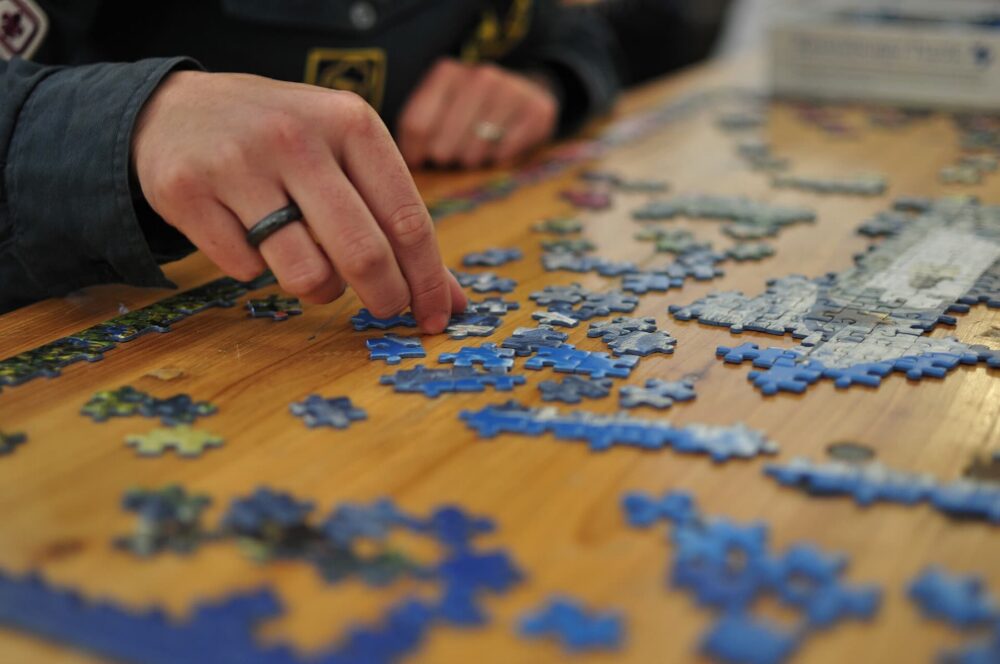
Real jigsaw puzzles — actual physical pieces you spill onto a table — are best bought from two main channels: dedicated puzzle shops and large retail marketplaces. Those routes give US buyers the most reliable mix of brands like Ravensburger, Springbok, Buffalo Games and artisan makers such as Artifact Puzzles and Liberty Puzzles. Small ecommerce sellers often start with those same retail platforms, then test cross‑border wholesale marketplaces if they need lower unit costs and can handle longer lead times and seller vetting.
This guide breaks down which sites truly sell physical puzzles versus just letting you play online, and how each platform type fits hobbyists, collectors, and small resellers.
The Online Puzzle Landscape: Physical vs Digital “Real” Jigsaw Options
Online search results for “real jigsaw puzzles” mix three very different things:
- Physical retail puzzle stores. Sites like the US-based Puzzle Warehouse position themselves as large, dedicated puzzle retailers with thousands of in‑stock jigsaw titles across brands like Ravensburger, Cobble Hill, and SunsOut, plus US‑made lines and niche themes.
- General marketplaces and big-box retailers. Amazon, eBay, Walmart, Target and Etsy all host a wide range of physical jigsaw puzzles from major brands and independent artists. Etsy, for example, includes hand‑cut wooden puzzles and custom photo puzzles sold by small makers.
- Digital-only puzzle play sites and apps. Platforms such as Jigsaw Explorer and PuzzleSnap focus on free online jigsaw play: you choose an image, pick a piece count, and solve in your browser. They’re great for practice or casual play, but they don’t function as puzzle shops in the same way a retail or marketplace site does.
If you want real, physical puzzles, you’re looking for categories 1 and 2. Digital-play sites are better treated as games: they don’t help with inventory for a store, they aren’t something you can wrap as a gift, and they don’t give you a box to put on a shelf.
How Key Puzzle Platforms Work: Stores, Marketplaces, Supplier Sites, and Play Apps
Different platform types feel similar in a browser, but behind the scenes they run very different models. That impacts your price expectations, brand options, and how much work you have to do vetting sellers.
1. Specialty puzzle and game stores
A specialty online puzzle store is essentially a focused retailer.
Assortment. Puzzle Warehouse, Serious Puzzles, Mosaic Puzzles and artisan sites like Artifact Puzzles curate jigsaws from many brands and, in some cases, design their own wooden puzzles. You’ll see premium brands (Ravensburger, Liberty, Springbok, Buffalo Games) and niche themes — fantasy art, architectural photography, unusual piece shapes. Positioning. These stores emphasize puzzle quality, piece feel, and artwork. Sites like Artifact Puzzles call out laser-cut wooden pieces and artist partnerships; Mosaic Puzzles focuses on wooden jigsaw puzzles for adults with highly detailed art. * Buyer relationship. You’re buying directly from the store. That’s straightforward if you just want a couple of boxes or a small range for a boutique.
2. Mass online marketplaces (Amazon, eBay, Walmart, Target, Etsy)
On retail marketplaces, you’re shopping through a single website but actually buying from many different sellers.
Assortment. These platforms carry a broad mix of physical jigsaws: kids’ puzzles from Melissa & Doug, big piece-count sets from Ravensburger and Springbok, licensed TV/movie themes, and budget brands. Etsy adds independent woodcut makers and one‑off art puzzles. Niche and vintage. Marketplace search is widely used for hard‑to‑find titles and vintage puzzles. Puzzle hunters often search eBay or Etsy for out‑of‑print Springbok scenes or older Ravensburger boxes, then closely read descriptions and photos to confirm condition and missing‑piece status. * Buyer relationship. You deal with individual sellers for each listing. That’s attractive for variety and pricing, but you must compare listings more carefully before you treat anything as stock for your own store.
3. Cross‑border wholesale and supplier marketplaces
Cross‑border marketplaces are more about sourcing than browsing for a single gift.
Assortment. You’ll find generic cardboard jigsaws, themed sets, and sometimes wooden puzzles. These are often offered at wholesale pricing and may require minimum order quantities. Role for buyers. Small ecommerce businesses use these sites to test low‑cost suppliers and build private‑label puzzle lines, especially when domestic wholesale doesn’t hit their margin targets. * DHgate’s place. DHgate is one example of a cross‑border sourcing marketplace that can list physical jigsaw puzzles alongside many other products. Like similar platforms, it’s a broad venue rather than a dedicated puzzle shop, so you have to vet individual puzzle suppliers carefully. If you want to understand how that marketplace works in general, the neutral overview at What DHgate is and how the marketplace works is a useful starting point.
For platform-level comparison of DHgate against other sourcing sites, you can also look at Compare DHgate with AliExpress, Alibaba and Temu.
4. Online jigsaw play sites and apps
These are puzzle games, not retail platforms.
Use case. You visit Jigsaw Explorer or PuzzleSnap, pick a picture and difficulty, and solve in your browser, sometimes in multiplayer mode. There’s no physical box involved. Buyer relevance. Good for engagement and marketing (you could host a custom puzzle of your artwork), but they don’t create inventory. If you need real jigsaws to sell or gift, these sites sit outside your procurement decisions.

Quick comparison by platform type
Here’s a compact view of how the major platform types differ for real jigsaw puzzles:
| Platform type | Typical assortment | Best fit for |
|---|---|---|
| Specialty puzzle stores | Deep puzzle catalog across quality brands | Enthusiasts, collectors, gift buys |
| Retail marketplaces (Amazon, etc.) | Very broad mix from mass to niche brands | Everyday buyers, vintage hunters |
| Cross‑border sourcing sites | Generic and themed puzzles, often wholesale | Small resellers testing suppliers |
| Online jigsaw play sites | Digital-only jigsaw experiences | Casual play, engagement activities |
For a single box for your living room, you probably don’t need to think past the first two rows.
Matching Platform Types to Your Puzzle Use-Case
Once you separate “real puzzles” from digital play, the real decision is matching your use‑case to the right channel.
Scenario 1: Casual hobbyist or family puzzles
If you just want a good 500-1000 piece puzzle for a weekend:
Start with retail marketplaces or big-box sites. Amazon, Walmart and Target have a wide spread of brands, themes and piece counts, from children’s floor puzzles to 3000‑piece landscapes. Use specialty stores when you care about brands. If you’ve learned you prefer Ravensburger’s cut or Springbok’s art style, a dedicated puzzle shop like Puzzle Warehouse or Serious Puzzles lets you filter by brand and piece count quickly.
You don’t need cross‑border sourcing here; the biggest gains are in convenience and reliable brand options.
Scenario 2: Collectors and premium wooden puzzles
Collectors and serious enthusiasts tend to seek out specific makers and unusual designs.
Premium brands. Artisan and high‑quality brands such as Ravensburger, Artifact Puzzles, Liberty Puzzles, Springbok, and Buffalo Games are commonly sold through specialty stores and marketplaces. Artisan sites. If you’re focused on wooden jigsaws specifically, sites like Artifact Puzzles or Mosaic Puzzles highlight craftsmanship and unique piece shapes.
Collectors usually stay in the retail ecosystem; they may use marketplaces for out‑of‑print or vintage boxes but rarely need wholesale sourcing unless they’re also selling.
Scenario 3: Small ecommerce reseller testing puzzle inventory
A US-based small shop looking to add puzzles has a different workflow:
Phase 1 – Learn what sells using retail marketplaces. Use Amazon, eBay, or Etsy to identify popular themes (cozy kitchens, fantasy landscapes, travel photography) and brands that get repeat purchases. You can buy a small number of boxes at retail to test demand in your own store or on your ecommerce site. Phase 2 – Source more efficiently once you know your niche. To improve margins, you can: Approach brands or distributors directly. Use wholesale sections of specialty puzzle stores where available. * Explore cross‑border sourcing marketplaces (including DHgate and its peers) for generic or private‑label puzzles, with careful supplier vetting.
For platform‑level questions — which marketplaces are better for retail, which for sourcing — the broader overview at Compare online marketplaces and shopping platforms is helpful context before you commit.
Scenario 4: Budget bulk buyer (schools, events, promo use)
If you need many puzzles at a low unit cost (classroom rewards, corporate giveaways, fundraising merch):
Retail bulk packs. Some brands sell multi‑pack puzzles through big-box sites and marketplaces. This can be enough if your quantities are modest and you want recognizable brands. Wholesale and supplier marketplaces. For higher volumes or custom branding, you shift toward cross‑border or domestic wholesale platforms. These are better for plain-logo or themed puzzles than for branded collector titles.
Here, the platform choice hinges on your tolerance for lead times and variation in quality. If you need consistent brand‑level quality with minimal oversight, staying with known puzzle makers through specialty or retail channels is safer, even if unit costs stay higher.
The key takeaway: “real jigsaw puzzles” online are mostly found on specialty puzzle stores and mass retail marketplaces, while cross‑border wholesale platforms are tools for sourcing and private label, and digital jigsaw sites are games. Decide whether you’re playing, collecting, gifting, or reselling first — the right platform route becomes much clearer once your goal is that specific.