
You really have two different needs under “puzzle images and jigsaw pieces”: the picture that goes on a puzzle, and the physical jigsaw puzzle products you actually buy or resell. You’ll pick from four main platform types depending on what you’re doing:
- Specialty puzzle retailers and brands for finished, high-quality jigsaws.
- General marketplaces such as Amazon or eBay for broad selection and mixed new/used stock.
- Free/paid image libraries for artwork you’ll turn into custom puzzles or marketing.
- Wholesale and cross‑border marketplaces if you need bulk puzzle inventory or components.
The best route for a casual puzzler is not the same as for a small online shop trying to build a puzzle line, so it’s worth separating these channels before you start clicking around.
The Online Puzzle Landscape: Images vs. Physical Jigsaw Pieces
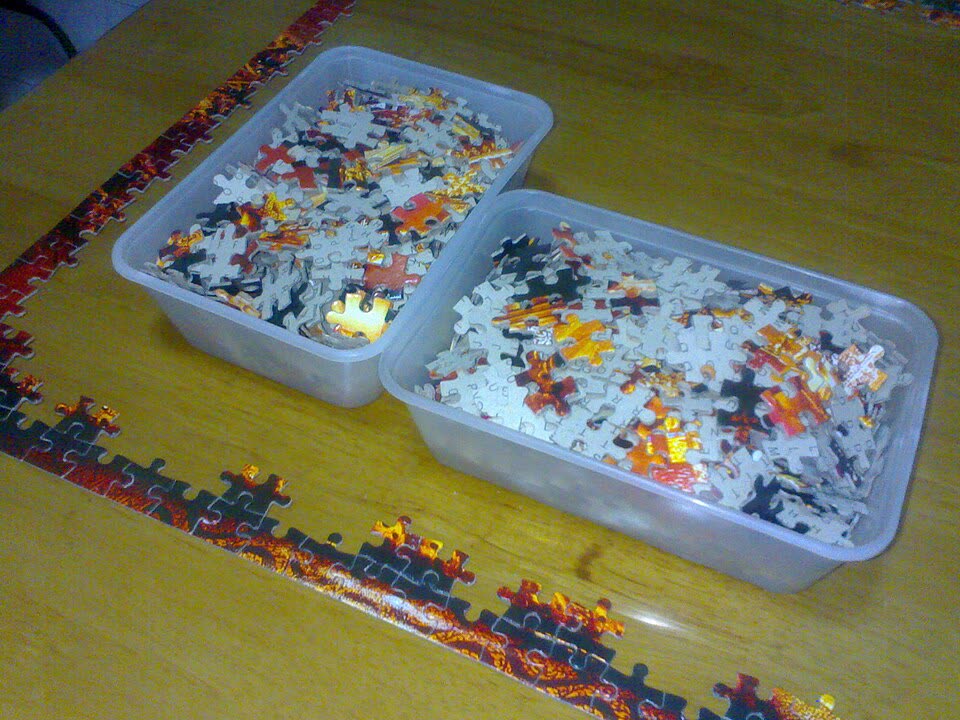
A jigsaw puzzle is a tiling puzzle made from interlocking, often irregular pieces; each piece carries part of a picture, and assembling them recreates the complete image described in this overview of jigsaw puzzles. That picture can be a stock photo, commissioned artwork, licensed character, or your own design.
That split—image vs. object—creates two broad platform categories:
- Puzzle imagery platforms. Sites like Pixabay’s jigsaw pieces catalog, Unsplash, and Pexels host large numbers of high-resolution photos of puzzles and puzzle pieces. Many are offered under relatively liberal licenses, so designers and small brands often use them for mockups, product packaging, and puzzle designs.
- Physical puzzle product platforms. These include dedicated puzzle brands and stores (Ravensburger, Springbok, Buffalo Games and others), plus big multi-category marketplaces that carry puzzles alongside toys and games.
You might use both in one project: grab an image of scattering jigsaw pieces from a library for your product page hero, then order actual puzzles or loose pieces from a manufacturer or marketplace.
For a deeper view of how marketplaces operate in general, you can also read Online marketplaces and shopping platforms.
How Platform Types Work for Puzzle Buyers and Sellers
Different platform models solve different problems. Here’s how they typically work for a US-based buyer or small e‑commerce seller.
1. Specialty puzzle stores and brands
Specialty brands such as Ravensburger, Springbok, or Buffalo Games sell a wide range of jigsaw designs and piece counts through their own sites and through retailers. Their strengths:
- Curated catalog. You get puzzles designed and produced by puzzle-focused companies—often with consistent cut quality and artwork standards.
- Retail quantities. You buy one or a few boxes at a time; suitable for hobbyists or small gift shops that only need light stock.
For a small e‑commerce brand, these are good suppliers if you’re reselling branded puzzles rather than launching your own designs.
2. General online marketplaces
Large marketplaces like Amazon, eBay, Walmart, and Target host puzzle products from many brands, independent sellers, and even individuals listing used puzzles.
Typical characteristics:
- Buying flow. Search by theme (landscape, animals, pop culture), piece count, or brand; compare listings on imagery and description, then buy directly from whichever seller you prefer.
- Mixed condition and origin. You’ll see brand‑new boxes next to used or vintage puzzles, and imports alongside domestic stock.
- Low minimums. You can test demand by ordering a few units from different sellers before committing to one supplier.
This is often the easiest starting point if you’re just figuring out which puzzle themes resonate with your audience.
3. Image libraries for puzzle designs and marketing
Free image platforms such as Pixabay’s puzzle galleries, Unsplash, and Pexels host many puzzle-related images: completed jigsaws, loose pieces, abstract “problem-solving” visuals, and more.
For a small business, these libraries are useful for:
- Design inspiration. Studying which kinds of imagery (cityscapes, gradients, collage-style images) might make engaging puzzles.
- Marketing assets. Using licensed photos of puzzles and pieces in email headers, ads, or product detail pages when you don’t have your own photography yet.
- Custom puzzle artwork. Some brands adapt library images into puzzle designs, provided they comply with the specific license terms and, where needed, obtain or pay for the rights.
You should always read each platform’s license summary and, for commercial products, consider getting professional legal advice rather than assuming “free” automatically means “safe for puzzle manufacturing.”
4. Wholesale, cross‑border, and B2B puzzle sources
Wholesale platforms connect buyers with manufacturers, distributors, or traders. These are most relevant if you need:
- Bulk runs of puzzles under your brand.
- Generic puzzles or puzzle accessories (mats, storage, loose pieces) at wholesale pricing for resale.
They typically involve:
- Higher minimum order quantities (MOQ). Think cartons or pallets rather than single units.
- Supplier communication. You negotiate designs, printing, packaging, and timing directly with the supplier.
Cross‑border marketplaces fall here. DHgate, for example, is one of several platforms that can list puzzle-related products and connect overseas sellers with international buyers. If you explore this route, treat marketplace listings as a starting point—vet each supplier, request samples where possible, and check whether their imagery rights and manufacturing setup align with your business model. You can learn more about marketplace mechanics in What is DHgate and how the marketplace works.
5. Vintage, niche, and collectible puzzle channels
Vintage puzzle fans and sellers often look beyond mainstream retail. Auction sites, online marketplaces, thrift stores, and antique shops are established ways to find older or niche designs. Brand editorial content has highlighted that these channels can be productive sources when you’re hunting for puzzles from prior decades or hard-to-find themes.
If you’re building a niche store around retro or vintage jigsaws, this route matters as much as modern wholesale.
Comparing Platform Routes and Choosing the Right Channel
Instead of chasing a single “best puzzle website,” match platforms to what you’re really trying to do.
Quick comparison by use case
| Platform type | Best for | Typical quantity level |
|---|---|---|
| Specialty puzzle brands/stores | Retail puzzles for play or resale of known brands | Single boxes to small batches |
| General marketplaces (Amazon, eBay, etc.) | Mixed new/used puzzles, fast testing of themes, some vintage finds | Single units, small lots |
| Image libraries (Pixabay, Unsplash, Pexels) | Artwork for custom puzzles, marketing visuals, concept testing | Digital files (no physical MOQ) |
| Wholesale/cross‑border marketplaces (including Cross-border multi-seller and other B2B sites) | Bulk sourcing, custom or generic puzzles for a store’s catalog | Cartons/pallets, negotiated with supplier |
| Auctions, antique shops | Vintage, out‑of‑print, collectible puzzles | Single puzzles, occasional lots |
Scenario-based guidance
You’re a hobbyist who just wants good puzzles to build. Start with specialty brands’ own sites or retailers that carry them. Use general marketplaces to grab deals or specific themes once you know your preferred piece count and difficulty.
You run a small online shop and want to resell existing brands. Mix specialty stores’ retail channels with general marketplaces for initial stock testing. Keep an eye on vintage channels if your audience likes retro designs.
You want to sell custom-branded puzzles with your own artwork. Use image libraries and your own photography for designs (or commission artists), then pair that with a wholesale or cross‑border manufacturing route. Your main decisions are: which suppliers can handle your print quality, what MOQ you can afford, and whether the artwork rights are solid for commercial puzzle production.
You’re building a niche vintage puzzle store. Lean into auction sites, estate sales, thrift and antique shops, plus marketplace searches filtered by “used” or “vintage.” Stock will be irregular, so your platform choice is about reach rather than volume.
Where marketplaces like DHgate sit in that picture
If you’re still deciding between consumer marketplaces and B2B platforms, it can help to look at broader comparisons of DHgate vs. AliExpress, Alibaba, and Temu to understand how these channels relate before you commit.
The key is to treat puzzle images and jigsaw pieces as two halves of the same project: get your imagery rights sorted through the right library or creator, then choose the platform that best matches your required quantities and your risk tolerance for the physical puzzles themselves.