
Your “dream dress” can be affordable, but only if you treat it like a full cost puzzle, not just a pretty price tag. Start by setting a firm dress budget, then break every option into the same line items: gown price, alterations, accessories, cleaning, shipping, and taxes or import fees. When you compare a local boutique, an online retailer, a secondhand find, a rental, or a cross‑border marketplace on those same lines, the best value channel usually becomes clearer.
Below is a buyer‑first look at how bridal boutiques fit into that picture and how to keep the bridal experience while cutting real dollars.
What Really Drives the Cost of a Wedding Dress
A bridal boutique dress price is more than the tag on the gown. You’re usually paying for:
- The gown itself – design, fabric, and brand name.
- Alterations – hemming, taking in/out, strap changes, bustle.
- Accessories – veil, belt, jewelry, shoes, undergarments.
- Logistics – shipping the dress to the boutique, rush fees, taxes.
Boutiques often carry a mix of silhouettes and levels of embellishment. Editorial guidance on budget dresses from the DHgate blog points out that simple designs are easier on the wallet: A‑line, sheath, tea‑length, minimalist or off‑the‑shoulder gowns tend to be less expensive than heavily embellished ball gowns packed with beading and lace because they use less material and labor‑intensive detailing.Source
If you love the boutique experience but need to keep costs contained, you can actively choose these simpler cuts and fabrics, and ask to see off‑the‑rack or sale dresses instead of made‑to‑order designer gowns. Off‑the‑rack options in many shops are ready to try on and buy the same day and are typically priced lower than custom‑ordered versions, though you may have fewer choices in color or small design tweaks.Source
A quick cost checklist before you fall in love with a dress
- Gown price (including any designer surcharge).
- Estimated alterations (ask for a range based on usual work on similar dresses).
- Veil and accessory budget.
- Cleaning or preservation after the wedding (if you plan to keep it).
- Taxes, and for imported dresses, any possible customs or duties.
If you don’t have numbers yet, treating each as a placeholder in your budget still keeps you from overspending on the gown and discovering later that you left no room for tailoring or a veil.
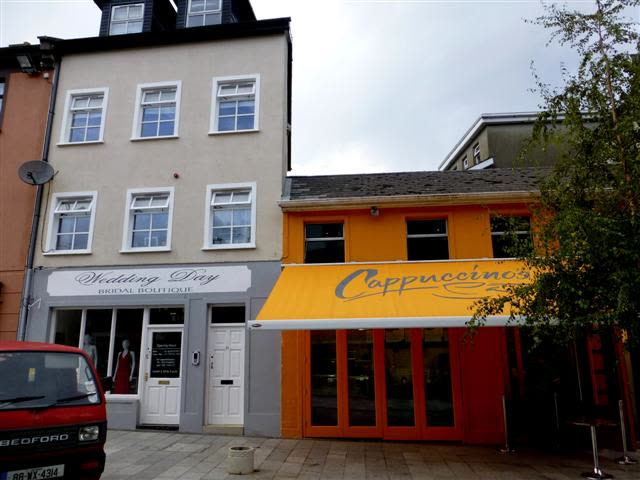
Why Some Bridal Boutiques Cost More Than Others
Boutique prices vary widely even in the same city. You’re paying for a mix of product, service, and brand positioning.
1. Style and embellishment
Shops that specialize in dramatic ball gowns with extensive lace, beading, and long trains will often have higher price points than those focusing on minimalist A‑line or sheath dresses. Clean silhouettes with fewer details usually sit near the lower end of a boutique’s range; DHgate blog advice singles out simple A‑line, sheath, tea‑length, and minimalist designs as typical money‑savers.Source
2. Designer labels and customization
Carrying big‑name designers and offering custom changes (neckline redesigns, custom sleeves, fabric swaps) increases both gown and alteration costs. Boutiques that mainly sell off‑the‑rack dresses in standard styles, with only fit‑based alterations, can keep prices lower and turnaround faster, though you may have to compromise on specific features.Source
3. Timing and sales events
Many boutiques clear previous seasons and samples through sample sales. These events let you buy the actual showroom dress at a discount. DHgate’s editorial coverage describes sample sales as a common way to access designer gowns at much lower prices, with trade‑offs: limited sizes, potential wear from try‑ons, and crowded appointments.Source Off‑season shopping or asking about clearance racks can also surface bargains.
4. Secondhand, consignment, and rentals
Some boutiques or nearby shops run consignment sections for pre‑owned gowns. DHgate blog guidance highlights that consignment stores, thrift shops, and online marketplaces can offer gently used dresses for a fraction of their original price, especially in areas with a lot of weddings.Source You’ll need to inspect condition and understand alteration limits.
Rentals change the equation entirely: services like Rent the Runway or Vow to be Chic are cited in DHgate’s evening‑dress coverage as ways to access designer looks for one‑time wear at a lower upfront cost than owning.Source You lose the ability to keep the dress forever, but for many brides that’s an acceptable trade for a high‑impact look on a tight budget.
Boutique cost paths in practice
Here’s a compact, budget‑focused comparison of common boutique‑related options:
| Option | What you get | Budget trade‑offs |
|---|---|---|
| Full‑price boutique | New, current‑season designer gown | Highest gown cost, best in‑person service and customization |
| Boutique sample sale | Designer sample, limited sizes | Lower price, possible wear, less choice |
| Consignment boutique | Pre‑owned gown | Significant savings, must accept existing design and sizing |
| Rental service | Designer dress for one event | Low upfront cost, no ownership, strict rental timing |
None of these is universally “better.” The right answer depends on how much you care about owning the dress long‑term versus freeing up budget for venue, photography, or travel.
Choosing the Best Channel: Boutique, Online, Secondhand, Rental, Marketplaces
Once you know your budget and style preferences, compare channels using total cost, experience, and risk rather than sticker price alone.
Local bridal boutiques
Local boutiques are still the default for many US brides.
- Pros: Personalized appointments, in‑person try‑ons, on‑site alteration relationships, curated selection.
- Budget angle: Best if you value service and are willing to pay more for designer labels or customization, or if you can target simpler, off‑the‑rack and sample‑sale styles as suggested in DHgate’s modest‑dress guidance.Source
Online retailers
DHgate’s blog repeatedly mentions online brands like Azazie, David’s Bridal, BHLDN, ASOS, Lulus, and ModCloth as examples of sites with broad, affordable wedding dress selections across styles and sizes.Source
- Pros: Wide range of price points, easy comparison shopping, frequent promotions.
- Budget angle: Good for brides who are flexible on fabric feel and can manage home try‑ons. You must factor in shipping both ways and potential local alterations.
For more detail on how online shopping and simple designs help control costs, DHgate’s article on budget‑friendly simple wedding dresses walks through common silhouettes and where to look.
Secondhand and peer marketplaces
Consignment shops, thrift stores, and platforms such as eBay or Facebook Marketplace are often described in DHgate editorial as sources of gently used dresses at a fraction of original cost.Source
- Pros: Biggest savings potential, especially on originally expensive designer gowns.
- Budget angle: Ideal if you’re patient, willing to inspect and possibly clean or repair, and if your size is common. Always check measurements and ask detailed questions about condition.
DHgate’s guidance on affordable wedding dress options emphasizes secondhand shopping, off‑season sales, and alternative channels like borrowing or reusing a dress you already own.
Rental services
Services like Rent the Runway or Vow to be Chic appear in DHgate’s evening‑dress advice as examples of rental channels that give access to designer gowns at much lower upfront cost.Source
- Pros: Lower upfront cost, no need for long‑term storage or preservation.
- Budget angle: Works best if you’re comfortable following the rental timeline exactly and accepting limited alterations.
Cross‑border marketplaces (including DHgate)
For some brides and small ecommerce sellers, cross‑border marketplaces enter the mix, especially for simple gowns or bulk sourcing of bridal looks.
A marketplace like DHgate is one example where individual sellers list wedding dresses and related accessories. Potential upsides are lower per‑dress prices for minimalist designs or multi‑piece purchases, and access to styles that mimic current trends. However, your total cost and risk profile change:
If you’re a small business comparing channels, you may also want broader marketplace context. DHgateWiki’s comparison of DHgate vs AliExpress, Alibaba and Temu can help you see where cross‑border marketplaces fit relative to domestic wholesale or brand distributors.
Smart Ways to Keep Your Bridal Dreams on Budget
Whether you’re buying for one wedding or stocking a boutique, the same cost‑control levers apply.
Lead with silhouette and simplicity
Favor A‑line, sheath, tea‑length, or minimalist dresses if you’re cost‑sensitive; DHgate’s bridal blog notes that heavy beading and lace tend to raise prices, while simple cuts usually cost less.Source
Shop off‑the‑rack, sample, or secondhand first
Ask local boutiques about sample sales and sale racks; check consignment and thrift stores in high‑wedding areas; browse reputable online marketplaces for pre‑owned gowns. DHgate editorial repeatedly recommends sample sales, off‑the‑rack dresses, and pre‑owned options as practical budget strategies.SourceSource
Decide early if you care about ownership
If you’re fine not keeping the dress, rentals can reduce your spend substantially. If you want keepsakes, secondhand or simple new dresses can keep budgets manageable.
Budget for alterations separately
Leave room for tailoring and be realistic about potential changes. A slightly cheaper dress that needs extensive work may end up costing more overall than a more expensive gown that fits closely off the rack.
For small sellers, test before scaling
Bridal boutiques are still the right choice for many US brides, especially those who value personalized fittings and the in‑store experience. But if you break the dream dress into concrete cost lines and make boutiques compete with online, secondhand, rental, and marketplace options on those terms, you’ll have a much better chance of walking down the aisle in a gown you love—and a budget you still recognize.