
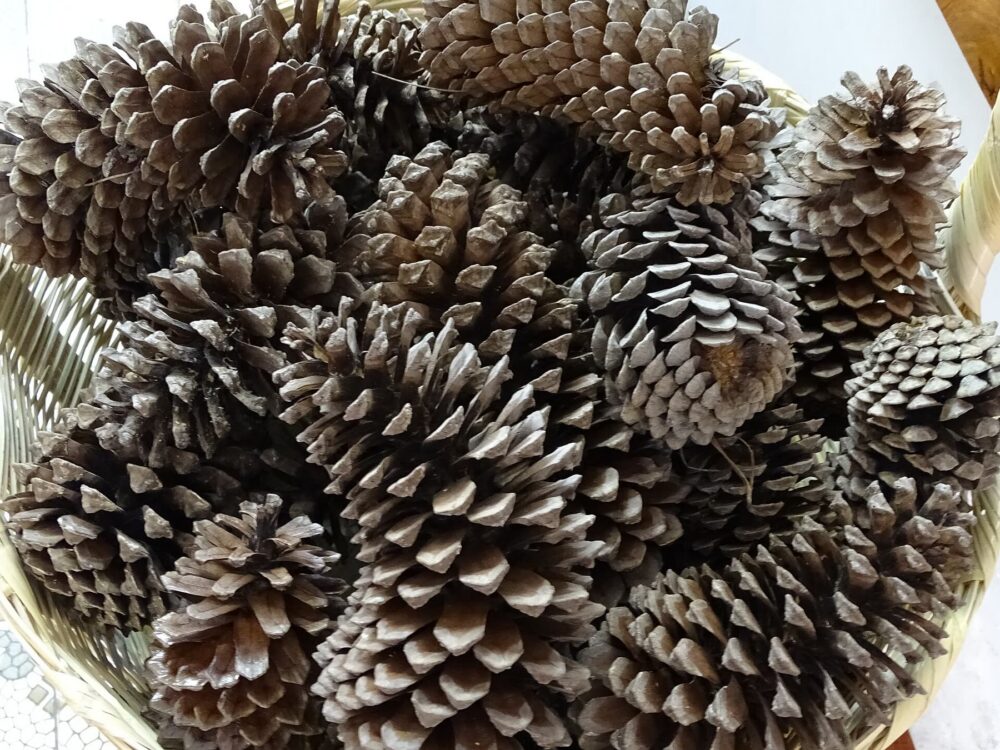
If you want the best pine cones for crafts or decor, start by matching cone type and finish to your project, then choose the sourcing channel that fits your scale. For a seasonal wreath or a few centerpieces, retail packs of natural or scented cones are usually enough. If you’re filling dozens of vases or running a small online shop, bulk pine cones from foliage wholesalers or marketplaces will be more cost-effective. You can also collect cones yourself, as long as you prepare them properly and respect local rules.
Good craft pine cones are fully formed, reasonably clean, and strong enough to handle glue, wire, and paint. Retail listings for “pine cones for crafts” show them used in wreaths, garlands, ornaments, table centerpieces, vase fillers, and rustic home accents. For those projects, you want cones with intact scales, consistent color, and a size that matches your design — mini cones for fillers and detail work, medium to large cones for statement pieces.
Types of Craft Pine Cones and What They’re Used For
Online retailers and niche vendors offer more than just plain cones. Common variants include:
- Natural, unscented cones – Sold in mixed-size packs or single-species lots. Listings such as “Lot of 18 real dried pine cones” highlight all-natural cones that have fallen from trees and been dried, aimed at wreath-making and general decor.
- Scented cones – Often cinnamon-scented and marketed specifically for fall and holiday crafts. For example, Walmart carries small cinnamon-scented cones in bulk packs for vase fillers and seasonal decorative bowls.
- Painted or glittered cones – Silver or gold glitter-tipped cones and red/green painted cones appear in craft catalogs for Christmas centerpieces and tree decor. Products like glitter-tipped pinecones from sites such as Factory Direct Craft blend natural texture with a ready-made festive finish.
- Cones with wire stems (“picks”) – Some products ship as natural cones already mounted on floral wire. A “natural lacquered pinecones with wire stems” pack lets florists and crafters insert cones directly into arrangements, wreath frames, or bouquets.
- Miniature cones – Vendors like Pinecones.com sell mini cones specifically labeled for crafts, vase fillers, and wedding decor. Multi-pack kits on craft marketplaces often bundle mini cones with brown wires for DIY gift wrap or small centerpieces.
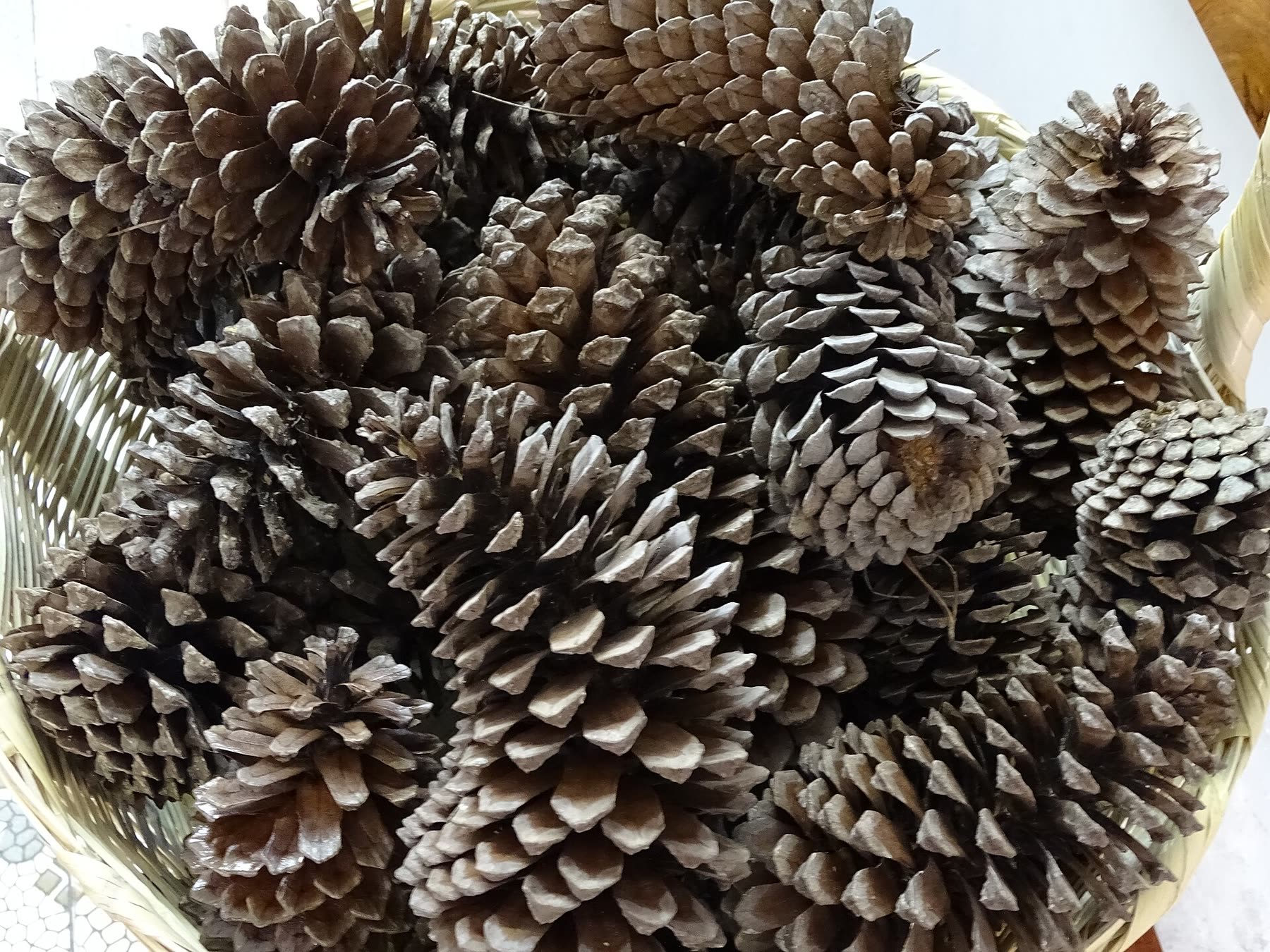
- Giant cones – Oversized sequoia or ponderosa cones are marketed for large vases, floor arrangements, or dramatic mantel pieces. Giant pine cone listings on decor sites and big-box retailers call them out as statement accents and art/craft components.
A quick way to choose is to think in terms of project goals:
- Want a cozy holiday scent? Choose cinnamon-scented, pre-cleaned cones.
- Need fast assembly for floral work? Go for wired pinecone picks.
- Planning kids’ crafts or Etsy ornaments? Mini cones are easier to handle and ship.
- Styling a hotel lobby or event backdrop? Giant cones and bulk natural cones give more visual impact.

Where to Get Pine Cones: Comparing Sourcing Channels
You can buy or gather pine cones through several routes. Each has distinct strengths depending on whether you’re crafting for fun or stocking an online store.
| Sourcing channel | Best for | Typical offerings | Key trade-offs |
|---|---|---|---|
| US retail & big-box | Hobby projects, small events | Seasonal bags of natural, scented, glittered cones, gift-box sets | Easy access; limited bulk sizes and species detail |
| Specialized vendors | Decor businesses, florists, resellers | Bulk lots by species (e.g., ponderosa), mini and giant cones | Better consistency; may need planning for lead times |
| Foliage/wholesale sites | Ongoing floral and decor production | Wholesale pine cones and picks for arrangements and displays | Wholesale pack sizes; usually business-focused |
| Online marketplaces | Niche styles, cross-border sourcing | Mixed inventory: natural cones, finished crafts, DIY kits | Quality varies; requires careful listing and seller review |
| Self-collecting | Low-budget, hyper-local aesthetics | Whatever grows in your region, in assorted shapes and sizes | Time and prep required; must follow local rules and best practices |
US retail and general online stores Big-box chains and mass-market sites like Walmart and Home Depot stock pine cones seasonally. You’ll see small packs of natural cones, cinnamon-scented bulk bags, and occasionally giant cones labeled for arts and crafts or vase fillers. This route is convenient if you just need a few dozen cones and don’t care about exact species or long-term supply.
Specialized pine cone vendors and foliage wholesalers If you’re buying for a shop or professional decor work, specialized vendors can be more attractive. Sites such as Pinecones.com and foliage/wholesale suppliers like Branches & More and GS Foliage sell bulk lots oriented to floral and display use. These sources often emphasize cone type (ponderosa, loblolly, sequoia), uniformity, and decor readiness, which matters if you’re selling finished arrangements.
Marketplaces and cross-border options General marketplaces like eBay list real dried pine cones and pine-cone crafts from many independent sellers. Cross-border platforms, including DHgate, can also have listings for pine cones or pine-cone-themed decor among a broader catalog of goods. Because inventory and quality vary by seller, your job is to inspect listing photos closely, read buyer reviews, and check seller history. If you decide to explore DHgate specifically, it’s worth understanding how the marketplace works and how to vet sellers, which you can do via this overview of DHgate’s model and guidance on finding trusted sellers.
Self-collecting as a sourcing channel If you have access to parks or woodlands, collecting cones yourself can be both budget-friendly and visually distinctive. DHgate’s editorial blog on pine cone collecting emphasizes looking for healthy cones with intact scales and avoiding obviously damaged or moldy pieces. Before you collect, check local regulations — some parks and protected areas restrict removing natural materials, and you must not collect from private land without permission. Conservation norms also say to leave most cones where they are since they’re a food source for wildlife; take modest quantities rather than clearing an area.
Once home, DIY preparation usually involves:
- Surface cleaning – Shake off loose dirt and needles; brush out visible debris.
- Water–vinegar rinse – Briefly soak cones in a mild water–vinegar solution to reduce insects and surface grime. Test on a small batch first to make sure you’re happy with the results.
- Low-temperature drying – Spread cones on a lined tray and dry them at a low oven temperature until they’re fully dry. This helps them open and reduces moisture that could lead to mildew.
These steps are widely used in craft communities and described in the DHgate blog, but they’re not guaranteed to eliminate every pest or risk. Use common-sense precautions (ventilation, appropriate temperatures, and safe handling) and keep cleaned cones away from food prep areas.
Picking the Right Channel for Your Project Scale
For one-off holiday decor, a couple of retail bags of mixed or scented cones are usually the fastest and least complex option. If you’re a small ecommerce business creating repeatable products — like pine cone wreaths or centerpieces — you’ll likely want either a specialized pine cone vendor or a foliage wholesaler so your cones stay consistent from batch to batch.
Marketplaces, including cross-border platforms such as DHgate, can be useful if you need distinctive finishes, bundled craft kits, or if local suppliers don’t carry what you want. Just budget extra time to validate each seller and, for international orders, to account for variable transit and customs. If your brand leans heavily on local sourcing or sustainability, self-collecting small volumes combined with careful cleaning can become part of your story, as long as you stay within local rules and leave ecosystems largely undisturbed.
The best pine cones for crafts aren’t about a single “best” store — they’re the cones that match your design, your budget, and how reliably you can source them over time.