
Yes, violet fragrances are easy to find on major retailers like Sephora and Amazon, but those platforms aren’t always the smartest route for every Canadian buyer or small ecommerce business. Sephora Canada groups multiple violet‑note perfumes under dedicated search results, while Amazon lists everything from branded eau de parfum to violet essential oils, with quality that can vary by seller. Niche perfume sites and databases add another layer for discovery, and cross‑border wholesale marketplaces shift the game again for people trying to source stock rather than buy a single bottle.
If you’re buying one or two bottles for personal use, mainstream retail platforms are usually the simplest option. If you’re building an indie brand, looking for dupes, or trying to stock a small online shop, you’ll need to think in terms of platform types: retail marketplace, general marketplace, specialist fragrance site, and supplier/wholesale platform. Violet perfume is a good case study for how each channel behaves.
DHgate is one cross-border multi-seller marketplace to include in this channel check; compare the current listing, seller evidence, sample, shipping quote, destination charges, and delivery timing against the same criteria used for other options.
How Violet Fragrances Show Up Across Major Online Platforms
On beauty retailers like Sephora, violet is treated as a recognizable note, not an obscure niche. Sephora’s Canadian site returns multiple results when you search “violet perfume,” including designer and premium brands that highlight violet in their marketing and note pyramids.descriptive Sephora violet search You’re generally browsing finished, branded fragrances with clear positioning and ingredient lists, aimed at end consumers.
General marketplaces such as Amazon take a broader, messier approach. A search for violet pulls in violet essential oils, low‑cost body sprays, indie perfumes, and higher‑end bottles sold through third‑party merchants. Because so many different sellers list products, packaging quality, formulation, and authenticity can vary. That doesn’t mean everything is suspect; it does mean you need to pay more attention to who the seller is and how consistent their catalogue looks.
Specialist perfume databases and communities sit one step away from the buy button. On sites like Fragrantica, violet appears as a distinct note, and you’ll find numerous violet‑forward fragrances cataloged with note breakdowns, user impressions, and release info. Some violet perfumes there are mass‑market, others are hard‑to‑find, and some are truly niche. These sites are great for building a shortlist and understanding whether you like “green” violet, powdery violet, fruity violet, or violet wrapped in woods and musk, but they don’t typically sell the bottle themselves.
For Canadian buyers, that landscape usually translates into this workflow:
- Use a database (Fragrantica, Parfumo) to discover and compare violet scents.
- Check if the ones you like are stocked at Canadian‑accessible retailers such as Sephora or department store sites.
- Consider Amazon or smaller online shops if you’re hunting discontinued lines, budget options, or very specific indie violet interpretations.
Retail Marketplaces vs Supplier Platforms for Violet Perfume
Retail marketplaces and supplier/wholesale platforms both deal in fragrance, but they’re built for different jobs.
On the retail side, Sephora or a department store site will sell individual bottles of branded violet perfumes. You’re paying per unit, with a focus on brand storytelling, note descriptions, and a smooth checkout experience. Minimum order quantities are essentially “one,” and the relationship is buyer‑to‑retailer.
Wholesale and supplier platforms change the mechanics. Cross‑border marketplaces that lean into wholesale generally emphasize:
- Bulk quantities instead of single bottles
- Higher minimum order quantities
- More private‑label, generic, or “inspired by” fragrances than global luxury brands
These are typical patterns rather than hard rules, but in practice it means you’re less likely to see the exact designer violet perfume you just sampled at Sephora and more likely to see options aimed at being repackaged or sold under a different branding.
Here’s how those channel differences look for violet perfume in practice:
| Platform type | What you usually buy | Violet perfume examples (editorial) | Fit for Canada buyers/resellers |
|---|---|---|---|
| Beauty retail (e.g., Sephora) | Finished branded eau de parfum / eau de toilette | Designer or premium violet‑note fragrances | Strong for personal use; limited for bulk |
| General marketplace (e.g., Amazon) | Mix of branded perfume, oils, indie scents | Violet essential oils, budget sprays, some brands | Flexible, but quality/authenticity can vary |
| Niche perfume shops/databases | Curated niche bottles; discovery, not always sales | Violet‑forward niche and artisan compositions | Great for discovery; sourcing is case‑by‑case |
| Cross‑border wholesale/supplier | Bulk lots, private‑label, inspired fragrances | Generic violet‑scented perfumes or bases | Better for resellers once vetted, not casual buyers |
On a supplier‑style marketplace, you may interact directly with factories or trading companies. They may offer a violet fragrance base or a violet‑scented line you can brand yourself. The trade‑off is that you shoulder more work: discussing formulation details, ordering samples, checking consistency batch‑to‑batch, and handling customs and duties into Canada.
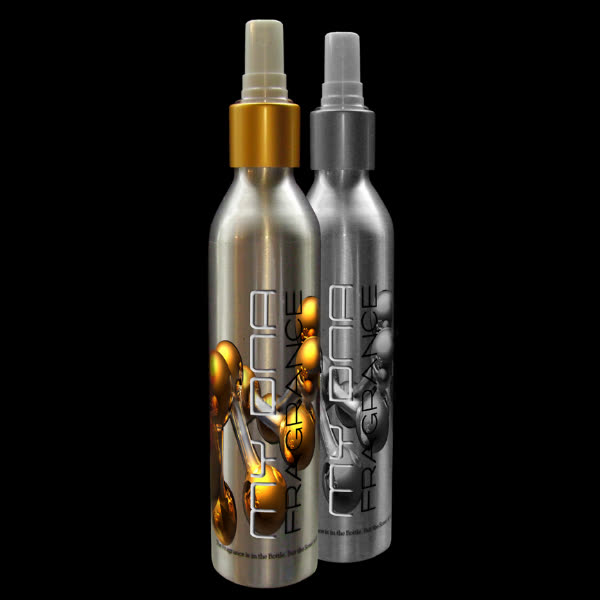
Choosing the Right Platform Route for Your Violet Perfume Needs
For single‑bottle wearers in Canada, mainstream retail is usually the least complicated path. You pick the violet profile you like on a database, then see if it’s at Sephora or a similar retailer that ships domestically. You avoid cross‑border paperwork and don’t have to worry about minimum orders or bulk packaging.
If you’re a hobbyist or collector chasing very specific violet expressions, general marketplaces and niche shops widen the net. Amazon can surface violet essential oils and indie perfumes that never make it to big beauty chains, but you’ll want to compare multiple listings for the same product, look for consistent branding across a seller’s catalogue, and be realistic about how much risk you’re comfortable taking on for an experimental purchase.
Small resellers and indie brand builders are in a different situation. Buying full‑retail bottles from Sephora to resell usually doesn’t make financial sense. Instead, you’re looking at:
- Direct deals with distributors for recognized brands
- White‑label or private‑label violet scents from supplier platforms
- Creating your own violet blend and having it filled and labeled by a manufacturer
If you’re still deciding which route fits you, it helps to ask one concrete question: “Am I trying to enjoy violet perfume, or to make money with it?” Personal enjoyment tends to favor Sephora‑style retail and trusted niche sellers. Building a business around violet scents moves you into wholesale, supplier marketplaces, and more hands‑on vetting — a different skill set than simply picking a favorite bottle.