
Chinese online shopping isn’t one thing; it’s three overlapping worlds. For Canadian buyers and small ecommerce businesses, domestic Chinese apps like Taobao or Pinduoduo can be very cheap but hard to access, export-focused retail sites like AliExpress and Banggood are built for small overseas orders, and B2B marketplaces like Alibaba.com and Made-in-China.com connect you directly with manufacturers for bulk or private‑label deals. The “best” site depends on whether you’re ordering one phone case or 1,000 units with custom packaging.
What Chinese Online Shopping Covers and Why That Matters in Canada
“Chinese online shopping” spans:
- Domestic consumer platforms (Taobao, JD.com, Tmall, Pinduoduo)
- Export retail platforms aimed at overseas shoppers (AliExpress, Banggood and similar)
- B2B marketplaces that connect foreign buyers with factories and wholesalers (Alibaba.com, Made‑in‑China.com and peers)
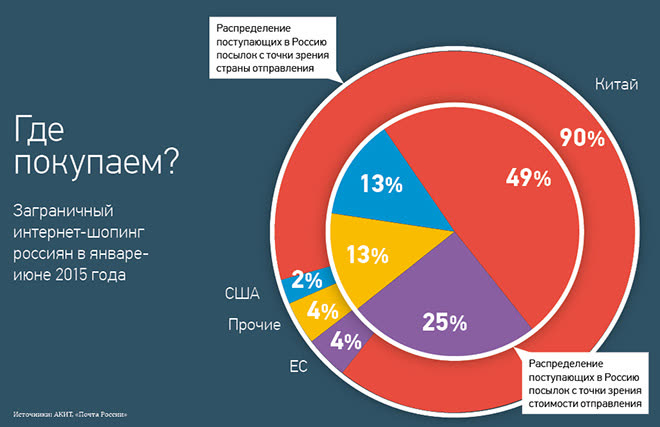
Sources that map the landscape of Chinese ecommerce describe Taobao, JD, Tmall and Pinduoduo as major apps used primarily by shoppers in mainland China, with vast assortments of low‑priced consumer goods.Source For Canadian buyers, those domestic‑first apps typically present three hurdles:
- Language and interface – they mainly run in Chinese.
- Logistics – many sellers list prices and shipping terms assuming delivery within China.
- Access – you often need a purchasing/forwarding agent or a workaround account to move goods out of China.Source
B2B marketplaces like Alibaba.com and Made‑in‑China.com sit yet another step upstream, listing factories and trading companies rather than polished retail listings.Source They suit buyers who care less about one‑click checkout and more about unit cost, customization, and long‑term supplier relationships.
For a Canadian buyer, useful comparison lenses are:
- Order size – single units vs test batches vs ongoing bulk orders
- Product type – generic consumer goods vs specialized industrial or custom products
- Interface and language – whether you can realistically navigate the site
- Shipping reach – does the platform and typical sellers quote international delivery?
- Buyer effort vs price – domestic apps may offer lower prices but require agents; export sites trade some price advantage for convenience.
Major Chinese Shopping Platforms and How They Serve Overseas Buyers
The list below isn’t exhaustive. It focuses on platforms that matter most once you’re buying from Canada.
Domestic retail apps: Taobao, JD/Tmall, Pinduoduo
Research on Chinese ecommerce consistently highlights Taobao, Tmall, JD.com, and Pinduoduo as among the biggest online shopping destinations for local consumers, covering everything from fashion to groceries.SourceSource
- Taobao – C2C and small‑merchant marketplace with huge variety and aggressive pricing on everyday goods.
- Tmall – brand‑focused B2C platform under the Taobao umbrella.
- JD.com – large B2C platform known domestically for fast fulfillment; it operates a global site (en.jd.com) tailored to some overseas markets.Source
- Pinduoduo – mobile‑first app built around low prices, group buying and deals on consumer goods.Source
For Canadian buyers, these characteristics matter:
- Best use case: lowest possible local prices on consumer goods if you’re willing to use an agent or freight forwarder.
- Accessibility: primarily Chinese language; cross‑border shipping often requires a third party to receive within China and re‑ship abroad.
- Risk profile: you’re piecing together an international supply chain on top of platforms that were designed for domestic delivery.
Export retail sites: AliExpress, Banggood and similar
Export‑oriented platforms combine marketplace pricing with interfaces built for overseas shoppers.
- AliExpress – part of Alibaba Group, acting as a marketplace where third‑party sellers list a vast range of products from cell phones and beauty items to auto parts.Source
- Banggood – Guangzhou‑based platform described as specializing in international trade with categories including electronics, jewelry, clothing, toys and mobile accessories.Source
They typically offer:
- Small‑order friendliness – you can buy one or a handful of units without negotiating.
- English UX – making it practical for Canadian retail buyers.
These platforms suit:
- Personal bargain hunting on gadgets, fashion, home goods.
- Small test orders for a dropshipping or micro‑brand experiment.
B2B marketplaces: Alibaba.com, Made‑in‑China.com and peers
Wholesale marketplaces connect international buyers with factories, export‑oriented wholesalers and trading companies.
- Alibaba.com is widely described as a broad starting point for custom or bulk sourcing across many categories.Source
- Made‑in‑China.com focuses more on industrial and manufacturing‑oriented categories, such as machinery, tools and OEM‑style goods.Source
Editorial comparisons of Chinese wholesale sites group these as platforms where you:
- Find suppliers rather than just finished retail listings.
- Discuss minimum order quantities, lead times and customization directly with sellers.Source
- Use them for bulk orders, private‑label products or components rather than one‑off personal purchases.
DHgate also operates in this B2B marketplace layer, connecting overseas buyers with Chinese suppliers, but any marketplace in this category leaves you responsible for vetting the supplier, requesting samples and putting your own quality controls in place.
Snapshot comparison for Canadian buyers
A compact way to see the differences:
| Platform type | Examples | Typical buyer fit from Canada | Accessibility for overseas orders* |
|---|---|---|---|
| Domestic retail apps | Taobao, JD, Tmall, Pinduoduo | Price‑obsessed buyers using agents; niche local goods | Often needs agent/forwarder; Chinese UX |
| Export retail sites | AliExpress, Banggood | Personal imports; micro‑brands testing small batches | Built‑in overseas shipping; English UX |
| B2B marketplaces | Alibaba.com, Made‑in‑China, DHgate | Bulk sourcing; private label; industrial components | International buyers expected; B2B workflows |
\*Platform‑level availability varies by seller; treat this as a general pattern, not a guarantee for every listing.
Matching Platforms to Your Order Size, Product and Risk Tolerance
Instead of chasing a single “best Chinese site,” match your situation to a channel.
Scenario 1: Canadian consumer chasing low prices on everyday goods
You want cheap phone cases, small electronics or fashion items for personal use.
- Start with export retail platforms like AliExpress or Banggood, which are designed to accept small international orders with English interfaces.Source
- Treat domestic apps like Taobao or Pinduoduo as optional upgrades only if you’re comfortable working with an agent and Chinese‑language tools, because any price advantage has to justify the added complexity.Source
- Compare landed costs with global platforms like Amazon.ca or eBay — once you factor in shipping time and possible duties or taxes, the value gap sometimes narrows.
Scenario 2: Small Canadian brand testing a product idea
You plan to launch a micro‑brand or dropship store and need test quantities.
- Use AliExpress or Banggood for fast validation: small orders, wide assortment, and marketplace reviews give you a feel for demand and product quality.
- Once a SKU proves itself, move upstream to B2B marketplaces (Alibaba.com, Made‑in‑China.com, or similar) to talk about custom packaging, logos or bulk pricing.Source
- Keep an eye on Canadian import rules for your category; some shipments may incur duties, taxes or handling fees on arrival. Treat these as part of your cost structure, not an afterthought.
Scenario 3: Established ecommerce business sourcing bulk or custom goods
You care about unit economics and control over specifications more than one‑click checkout.
- Go straight to Alibaba.com or Made‑in‑China.com to identify multiple suppliers, request quotes and negotiate terms.Source
- Short‑list suppliers by product focus and communication quality, then order samples before any large commitment — every comparison of wholesale sites stresses that no platform replaces supplier verification.Source
- Domestic apps (Taobao, 1688) can supplement sourcing if you work with a China‑based agent who understands local pricing, but the agent relationship becomes as important as the platform itself.Source
Scenario 4: When global platforms beat Chinese sites
There are cases where you’re better off skipping Chinese platforms entirely:
- You need fast, predictable delivery to Canada and can’t tolerate long transit times or customs uncertainty.
- You’re buying regulated or safety‑critical products (e.g., certain electronics or children’s items) where local compliance and returns matter more than headline price.
- Your order is too small to justify learning new platforms or managing cross‑border issues.
In those situations, local or global marketplaces like Amazon, Walmart.ca or regional distributors may cost more per unit but reduce operational risk.
Chinese online shopping gives Canadian buyers impressive reach and pricing options, but the right platform changes as you move from one‑off consumer purchases to bulk, customized sourcing. Start with export‑oriented retail sites for simple imports, step up to B2B marketplaces as your volumes grow, and treat domestic Chinese apps as advanced tools once you’re comfortable handling agents and cross‑border logistics.