
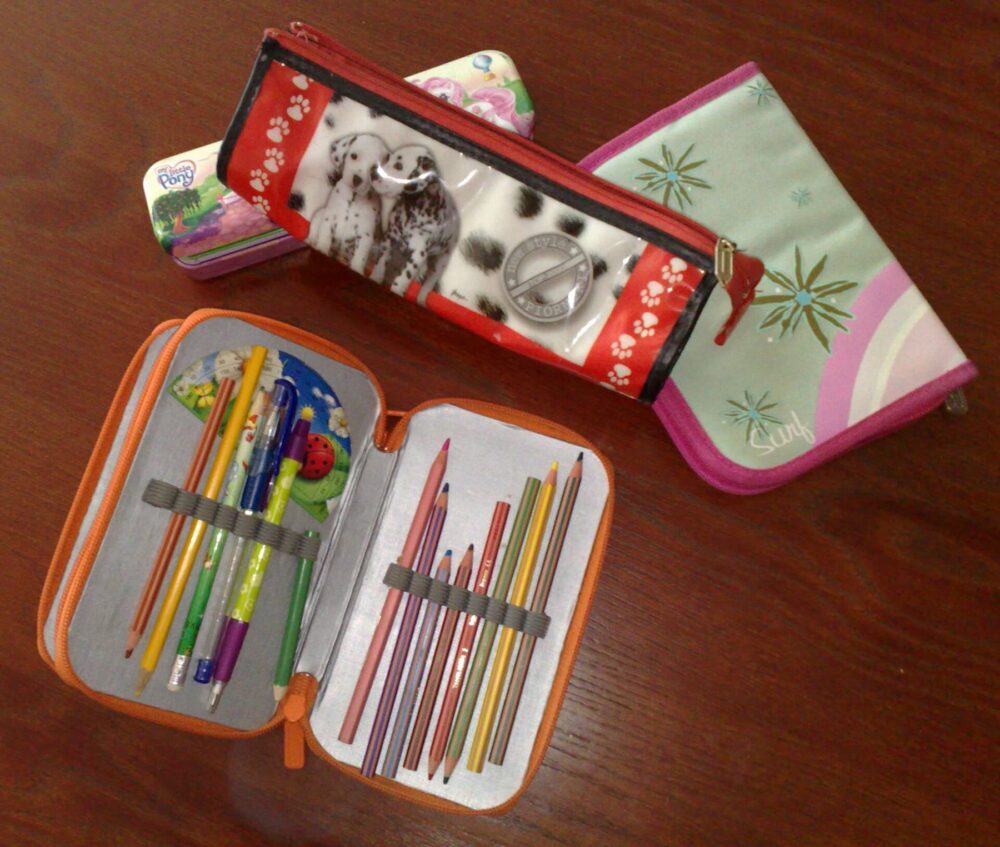
Neoprene pencil cases in Australia typically cost around A$10–A$30 per unit at retail, depending mainly on size and design. Mass‑market kids’ styles from chains like Target tend to sit toward the lower end of that range, while Aboriginal art and other designer neoprene cases from specialist brands are usually mid‑range to premium. For businesses, promotional suppliers offer custom‑printed neoprene cases whose per‑unit price drops as your order volume rises, but you’ll pay more than retail for very small runs.
For most individual buyers, buying one or two cases from a local retailer is cheaper and simpler than any wholesale or cross‑border option. Small ecommerce brands or schools ordering dozens to hundreds of units, though, should weigh local promo suppliers against global marketplaces and factor in shipping and import costs carefully.
What Australian Neoprene Pencil Cases Cost Across Key Retailers
In Australia you’ll see three broad neoprene pencil case segments: kids’ mass‑market, standard/large plain neoprene, and art/design cases.
- Mass‑market kids’ neoprene cases – Target Australia sells themed neoprene pencil cases (for example, dinosaur or Hello Kitty designs) at accessible price points for school buyers, generally in the rough A$10–A$15 band per case based on current listings such as the dinosaur neoprene pencil case.
- Art and Aboriginal design neoprene cases – Brands like Raintree Art focus on neoprene cases featuring licensed Aboriginal artworks. Their Coral Hayes designs and similar items sit above basic kids’ cases, typically in a mid‑range to premium band (roughly A$20–A$30) per case for single units, reflecting both the artwork licensing and brand positioning. You can see examples on Raintree Art’s Coral Hayes neoprene pencil case page.
- Campus and lifestyle branded neoprene cases – University stores and lifestyle stationery brands occasionally offer neoprene pencil cases with institutional or brand logos. For instance, the UTS Store lists a basic neoprene pencil case at a mid‑teens price point for students, again landing in the A$10–A$20 range.
Promo and bulk‑oriented suppliers straddle the line between retail and wholesale. Promotion‑focused sites such as Promotion Products’ small neoprene pencil case and Sense2’s large neoprene pencil case for sublimation both position neoprene cases as custom merch rather than individual retail items; you’ll generally see quote‑based or tiered pricing tied to volume.
To anchor these ranges:
| Channel / style | Typical use case | Approx. single‑unit band* |
|---|---|---|
| Target kids’ neoprene designs | School children, casual use | A$10–A$15 |
| Campus/store branded neoprene cases | Students, everyday stationery | A$10–A$20 |
| Aboriginal art neoprene cases (Raintree Art) | Gifts, higher‑end stationery, art lovers | A$20–A$30 |
*Bands are editorial approximations based on observed listings and may change.
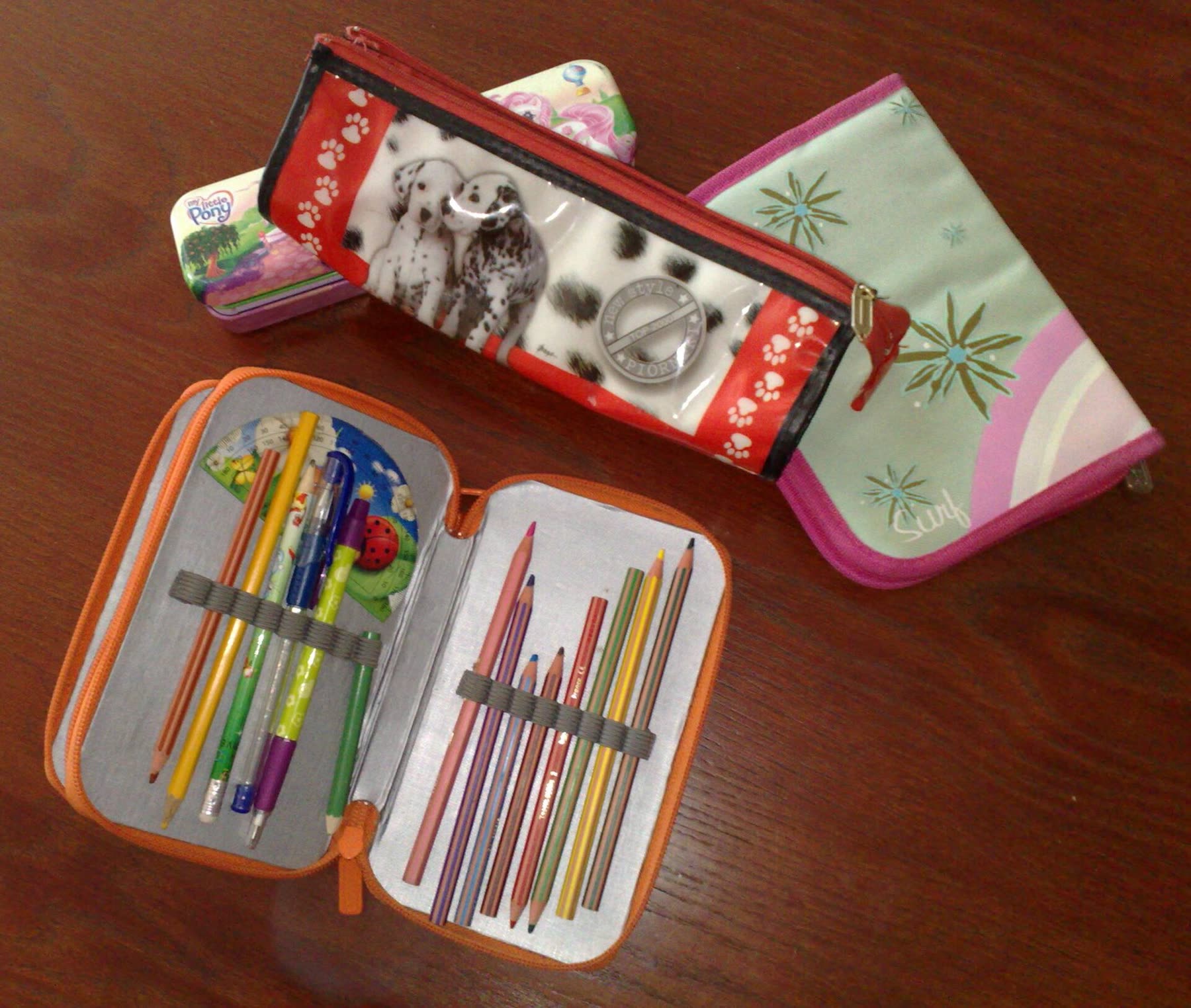
If you only need one case, your realistic budget is:
- Around A$10–A$15 for a kids’ or basic brand case.
- Around A$20–A$30 for an Aboriginal art or premium design.
Once you move past one‑off purchases and into bulk or branded orders, the economics change.
What Drives the Price: Size, Design, Custom Printing and Volume
The wide spread in neoprene pencil case pricing mostly comes down to four factors: size, artwork, customization, and how many you buy.
1. Size and neoprene thickness Sense2’s large neoprene pencil case, marketed for sublimation, is physically bigger than a typical school pouch and uses neoprene thick enough to hold its shape when printed. Larger, thicker cases simply use more material and handle more ink coverage, so they sit higher than slim, plain pouches on a per‑unit basis.
2. Artwork and licensing Aboriginal art neoprene cases from Raintree Art carry licensed designs from named artists. You’re paying for the artwork, brand curation, and often a share going back to the artist or community. That’s why these tend to land above plain colored neoprene pouches with no design, even when the underlying case size is similar.
For buyers, the trade‑off is clear: you can get a basic neoprene case for less, but you lose the cultural and visual impact that makes art cases gift‑worthy.
3. Custom printing and decoration method Promo suppliers make most of their margin on decoration, not the blank case. Promotion Products’ small neoprene pencil case is presented as a logo‑printed item, and Sense2’s version emphasizes sublimation printing. Methods like sublimation allow full‑coverage photographic artwork, but they require setup work and test prints.
Because of this, pricing from these suppliers is typically quote‑based:
- The first units in an order carry the cost of artwork setup, color matching, and machine time.
- Larger orders spread those fixed costs across more pieces, so the per‑unit cost drops, even if your total invoice climbs.
If you only want a dozen fully branded neoprene pencil cases, expect the per‑unit price to be much higher than retail, because you’re paying for custom work that normally assumes larger volumes.
4. Order volume and MOQs Promo sites often work on minimum order quantities (MOQs), even if the exact numbers are not always splashed on the product page. The pricing tables and “request a quote” language on Promotion Products signal that your final price depends on how many units you buy and the complexity of the decoration.
For a small ecommerce brand or school:
- Under ~50 units – retail or lightly branded options from local stores often remain cheaper overall.
- 50-500+ units – promo suppliers with neoprene cases become competitive, especially if the logo is simple and you’re okay with basic one‑ or two‑color printing.
Choosing Local Retail, Promo Suppliers or Cross‑Border Marketplaces
Once you know your volume and design needs, you can choose a sourcing channel that fits your budget rather than chasing the lowest sticker price.
Local retail and online marketplaces
For individual buyers or micro‑orders, Australian retail and marketplaces are usually the most cost‑effective and least risky:
- Buy a single case from chains like Target or a campus store if you just need one school pouch.
- Use marketplaces like Amazon.com.au to compare multiple neoprene pencil case brands and styles, often with fast local delivery.
This route avoids dealing with international shipping, foreign currency, or import paperwork for small purchases.
Australian promotional and custom suppliers
If your priority is branding – for example, a school crest or business logo – local promo suppliers become attractive despite higher headline prices:
- Sense2 provides large, print‑ready neoprene cases aimed at full‑color sublimation, suited to more complex or visual designs.
- Promotion Products focuses on smaller neoprene cases with logo printing, indicating a use case like corporate giveaways or student packs.
You’ll likely trade off:
- A higher total invoice than buying generic retail cases.
- Better control over print quality, color accuracy, and communication compared with many cross‑border options.
For a small ecommerce shop wanting 100 branded neoprene pencil cases, this is often the sweet spot: per‑unit pricing is reasonable once spread over that volume, and you avoid exchange‑rate surprises or customs handling.
Where cross‑border marketplaces (including DHgate) can fit
Global marketplaces that host many independent sellers can list very cheap neoprene pouches, including slimline cases made from nylon or neoprene. DHgate’s own editorial blog describes slimline and pouch‑style cases in lightweight materials like nylon or neoprene as budget‑friendly options, which reflects how these products are often positioned.
For Australian buyers, a cautious use case for DHgate or similar platforms is:
- You need hundreds or thousands of basic neoprene pouches with simple branding.
If you’re seriously considering that route, it’s worth reading marketplace‑level comparisons such as our overview of DHgate vs AliExpress, Alibaba and Temu alongside a primer on customs, tariffs and import fees to understand total landed cost rather than just the product price.
A quick budget scenario for small ecommerce buyers
Imagine you run a small Australian stationery brand and want 120 neoprene pencil cases for a back‑to‑school promotion.
- Local retail: Buying 120 standard neoprene cases at A$10–A$15 retail quickly pushes your spend into the A$1,200+ range, and you still lack branding.
- Local promo supplier: A custom‑printed neoprene case from Promotion Products or Sense2 will have higher per‑unit pricing at low volumes, but once artwork and setup are spread across 120 units, your effective unit cost can sit closer to or only moderately above retail. You gain brand visibility and avoid import complexity.
- Cross‑border marketplace: You may find factory‑level prices that look lower per unit, but you must add international freight and potential duties. For 120 units – not yet true bulk – those overheads can narrow or erase the gap, while you assume extra risk on quality and timelines.
For most small Australian ecommerce operations at this scale, a local promotional supplier is usually the most balanced budget choice: not the cheapest possible sticker price, but a better mix of predictable costs, branding control, and manageable risk.
Once you grow into consistent orders in the high hundreds or thousands, it starts to make more sense to compare local promo quotes against carefully vetted cross‑border factory offers, using marketplace comparisons and import cost guides to sanity‑check the math first.