
Online shopping and purchase requests both describe the same basic thing—a buyer asking for goods—but they run through very different systems depending on the platform. Consumer sites like Amazon and Walmart turn your clicks into immediate orders. Business tools separate request, approval, and payment. Cross-border marketplaces add supplier negotiation and more risk checks. The best route depends on what you’re buying, how many units, who’s paying, and whether you’re sourcing locally or overseas.
If you’re a US consumer buying a single popular product, a mainstream retail site or marketplace usually makes sense. If you’re a small ecommerce brand trying to test a new product line or import a small batch, you may need marketplace messaging, quotes, and formal purchase requests before you actually place an order. This article maps those options so you can match the platform to the job instead of forcing every purchase through the same channel.
How Online Shopping and Purchase Requests Actually Work Across Platforms
Online shopping is a form of electronic commerce where you buy goods or services directly from sellers over the internet using a browser or app. You browse a catalog, add items to a cart, enter shipping and payment details, and the system turns that into an order in the seller’s backend.
On consumer-facing sites, your “request” to buy is almost invisible: the platform assumes you’re authorized to spend your own money, so the cart and checkout flow go straight into a confirmed order.
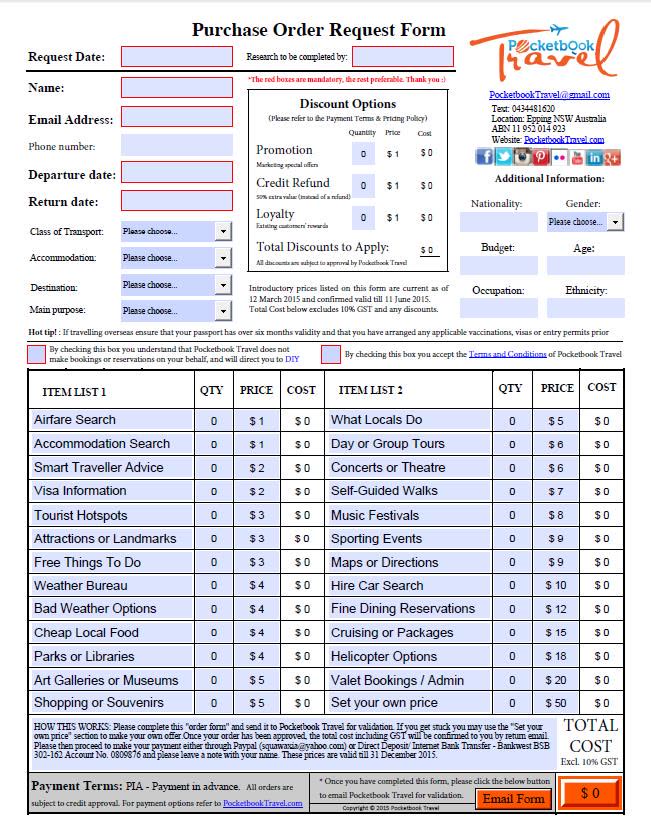
Business buying is different. Many companies use purchase requests (also called requisitions) before they create a purchase order. An employee or owner fills out a request with details like:
- product description or link
- quantity
- reason or project
- estimated price and supplier
That request then routes for approval. Only after someone with authority signs off does the system issue a purchase order to the supplier. Amazon’s business blog describes this as a way to “seek approval before committing funds,” which is the core idea: separate the intent to buy from the binding order.
For a small ecommerce operation, you may mix both worlds. You might:
- use consumer-style carts for quick test buys on retail sites
- send structured RFQs or purchase requests to overseas suppliers for larger runs
- rely on marketplace messaging when a formal requisition system feels overkill
Ecommerce overall now represents several trillion dollars in annual sales globally, with growth driven by mobile and AI-assisted shopping according to data aggregated by Colorlib. That scale is why so many platform types exist—each designed for a different kind of purchasing workflow.
Platform Types: Retail Sites, Marketplaces, Wholesale and B2B Request Tools
There are four broad channel types most US buyers and small ecommerce businesses touch.
1. Direct retail sites (DTC and big-box online)
These are single-retailer sites with their own inventory and checkout. In the US, large players include Amazon, Walmart, Target, Apple, Home Depot, Costco and others, which mostly serve direct-to-consumer orders.
Typical flow:
- You browse their catalog.
- Add to cart and pay.
- The retailer (or a third-party seller on their marketplace layer) ships your order.
Purchase requests here are informal—you might email a manager or use a shared spreadsheet if you’re a team—but the site itself expects immediate payment, not approval workflows.
2. Retail marketplaces
Marketplaces host many independent sellers under one roof. eBay is a classic example: individuals and businesses list items, and buyers choose among them. Some large retailers also operate marketplace components alongside their own stock.
Flow:
- You search and filter across different sellers.
- You may message sellers for clarification or customizations.
- When you hit “Buy,” the marketplace converts your intent to a specific order with one seller.
“Purchase requests” are usually just messages like “Can you do 50 units?” or “Can you ship to this address?” rather than a formal document.
3. Wholesale and cross-border sourcing marketplaces
Wholesale platforms and cross-border marketplaces connect buyers to manufacturers or trading companies instead of just retailers. Some are China-based and focused on exporting to global buyers. They’re often used to source small test batches or full wholesale orders of popular products.
The workflow tends to be:
- You browse product listings from multiple suppliers.
- You send inquiries or quote requests (a form of purchase request) about price, minimum order quantities, customization, and packaging.
- Only after negotiating do you place a binding order, sometimes off-platform.
These channels can offer lower unit prices than US retail sites but bring complexity: longer lead times, language and time-zone gaps, and more homework around quality and compliance.
4. B2B purchase request and procurement tools
Separate from shopping sites, there are tools built purely to manage purchase requests and approvals. Solutions described by procurement platforms such as Tradogram emphasize:
- a distinct purchase request step
- configurable approval chains
- budget checks
- only then, creation of purchase orders and payment
For a small ecommerce business, these tools can sit on top of whatever platform you buy from. You might paste an Amazon listing URL into a requisition, get internal approval, and only then actually check out.
Quick comparison of platform types
| Platform type | Who you buy from | Typical use case | How “purchase request” shows up |
|---|---|---|---|
| Direct retail site (Amazon, etc.) | Single retailer + some 3P | Personal buys; small business quick buys | Cart + checkout, no formal approval |
| Retail marketplace (eBay, etc.) | Many individual sellers | Unique items; small lots | Buyer messages, offers, bids |
| Wholesale/cross-border marketplace | Manufacturers/suppliers | Test batches; wholesale imports | RFQs, negotiation, then order |
| B2B procurement/request tools | Any external supplier | Controlled business spending | Structured requisition → approval → PO |
Choosing the Right Platform Route for Your Purchase Scenario
The best route isn’t “which site is best overall?” but “which platform model matches what you’re trying to do right now.” Here’s how that plays out for common US buyer scenarios.
Scenario 1: One-off consumer purchase of a popular product
You want a single phone case, blender, or pair of shoes.
Best fit: direct retail sites or mainstream marketplaces.
- Amazon, Walmart, Target and similar sites are optimized for fast, low-friction checkout.
- You don’t need a separate purchase request stage unless someone else is approving the spend.
Use filters, reviews, and price comparison tools to decide which listing to pick; the underlying platform model is already tuned for this job.
Scenario 2: Small ecommerce brand testing a new product line
You want 20-200 units of a popular product to resell under your own store or brand.
You’re balancing:
- unit cost
- speed (you may want inventory next week, not next month)
- risk of stuck stock if the product flops
Common routes:
- US retail sites/wholesale programs for quick, higher-cost test batches.
- Retail marketplaces to source from small sellers willing to do modest quantities.
- Cross-border marketplaces to explore lower per-unit costs if you can tolerate slower shipping and do more vetting.
Here, your “purchase request” might be a spreadsheet listing candidate SKUs and prices, or messages asking suppliers, “What’s your minimum quantity and unit price for this design?” You may send several such requests before placing a single binding order.
A cross-border marketplace like DHgate sits in this category: it connects global buyers with China-based suppliers for small orders and wholesale sourcing. Some small brands use it to test product ideas at lower unit cost, but you should treat every listing as a starting point for due diligence—not a guarantee. Policies, protections, and performance can vary by seller, so verify details, sample where practical, and decide if the added complexity is worth the potential savings. For a deeper look at how this marketplace operates, you can read What DHgate is and how the marketplace works.
Scenario 3: Growing business with team-based approvals
You’re no longer a solo operator. A few people in your company source products and spend money, and you need control.
Best fit: keep using the shopping platforms that make sense for your products, but add a procurement or purchase request tool on top.
Typical pattern:
- Buyers find candidate products on Amazon, US wholesalers, or cross-border marketplaces.
- They submit a formal purchase request with links, quantities, and cost estimates.
- Managers approve or reject based on budget and strategy.
- Approved requests become purchase orders or actual marketplace orders.
This separation protects cash flow and helps you avoid impulse bulk buys while still benefiting from whichever shopping platform gives you the best mix of price and reliability.
Scenario 4: Committing to ongoing wholesale imports
You’ve proven demand and want regular, larger shipments.
At this stage, a platform is almost secondary to the supplier relationship and process control:
- identify suppliers (often via wholesale or cross-border marketplaces)
- formalize specs and contracts
- integrate purchase requests and approvals so big orders never skip scrutiny
You might still place orders through a marketplace interface, but your core “purchase request” lives in your internal systems. The platform is only the execution layer.
For broader context on how different marketplaces fit these roles, including Amazon-style retail sites versus cross-border sourcing hubs, see Compare online marketplaces and shopping platforms and the brand-focused comparison in Compare DHgate with AliExpress, Alibaba and Temu.
If you match the platform type to the scenario—personal buy, test batch, controlled business spend, or full import program—you’ll get fewer surprises and a clearer view of where your “purchase request” really lives: in a cart, in a message thread, or in a formal requisition system.