
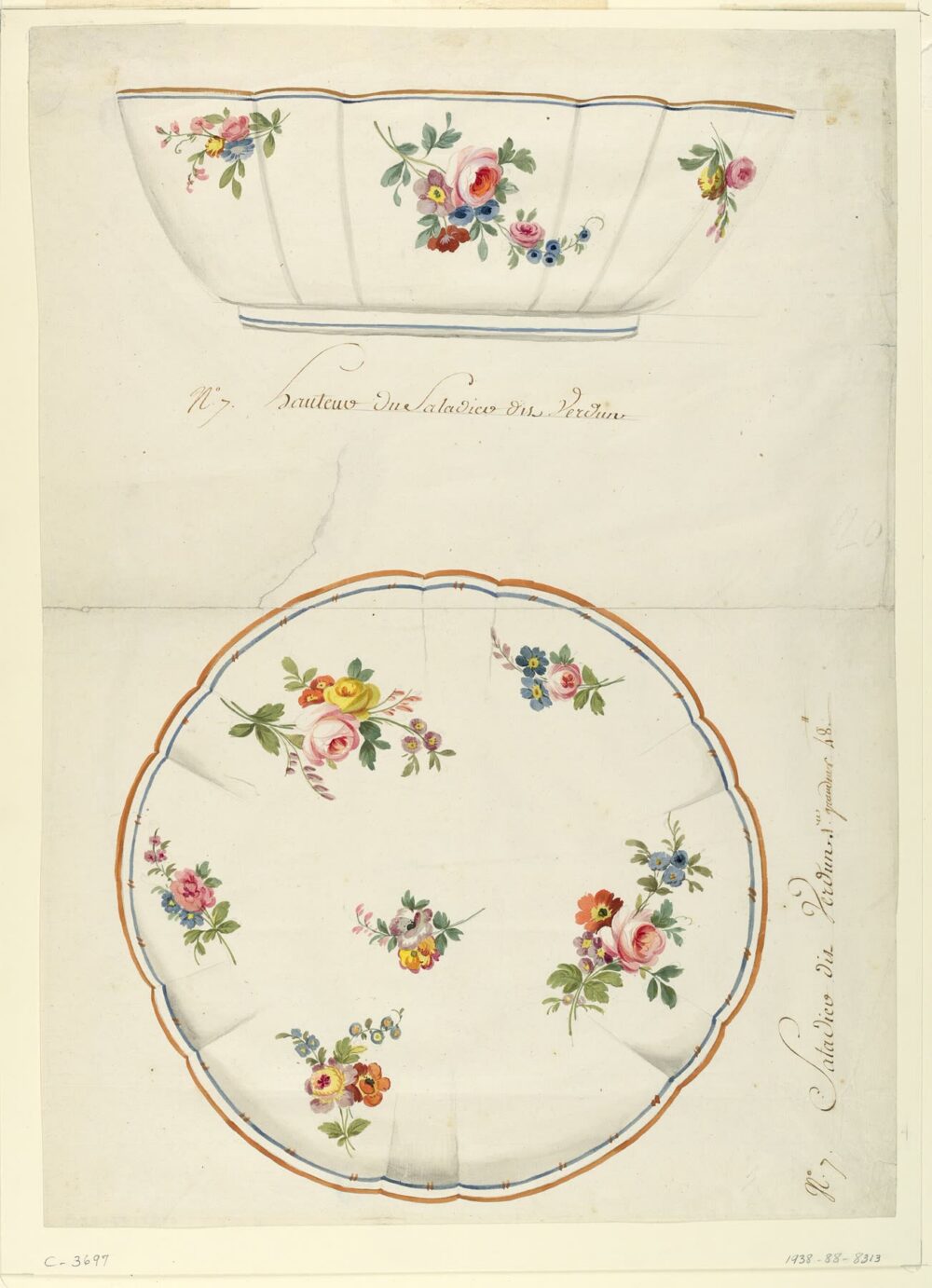
Scalloped bowls are regular bowls with a wavy, shell‑like rim that instantly looks more styled than a plain round edge. In Australia you’ll see them everywhere—from simple white serving bowls at Big W and Kmart to pedestal display pieces in boutique homeware stores and durable melamine versions in cafes. If you’re buying for your own table, focus on material (porcelain, stoneware, melamine), size, and how delicate the rim is. If you’re a small ecommerce seller, you also need to think about breakage in transit and consistent supply, which can push you toward specific channels.
What counts as a scalloped bowl and how people actually use them
A bowl is generally called “scalloped” because of its rim: instead of a plain circle, the edge has repeating curves or small arches that echo the shape of a scallop shell. TGL Direct explains scalloped rims as wavy or fluted edges that add decorative texture rather than changing how the bowl holds food.https://www.tgldirect.com/blog/replacements/what-does-scalloped-edge-or-rim-mean
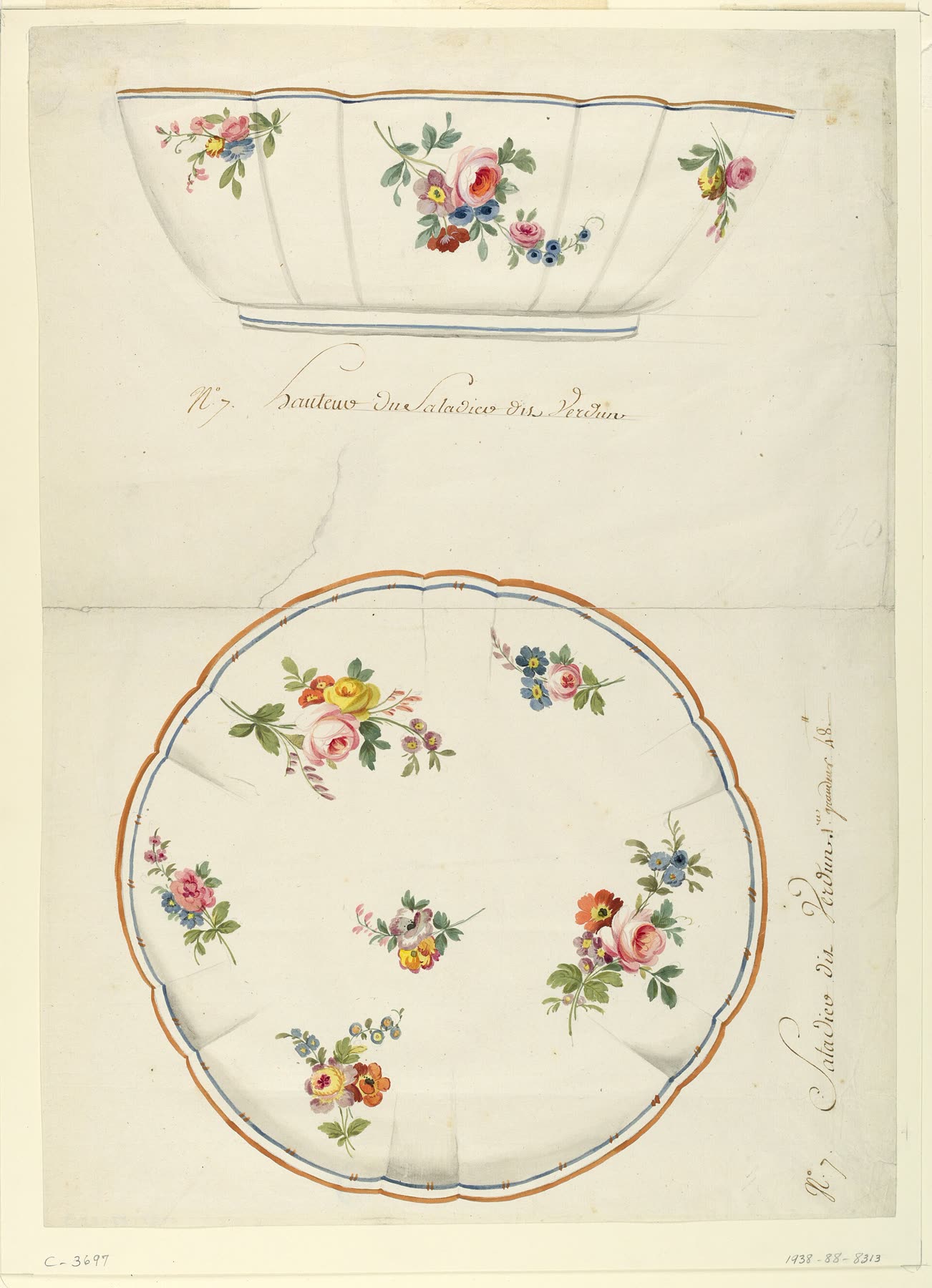
In everyday Australian retail, scalloped bowls are mostly ceramic serving pieces. Big‑box stores like Big W sell medium white scalloped bowls aimed at desserts or side dishes,https://www.bigw.com.au/product/scalloped-bowl-medium/p/8410232 while Kmart has similar curved‑rim bowls for casual dining.https://www.kmart.com.au/product/scalloped-bowl-43032167 These work well as pasta bowls, salad servers, or snack dishes—basically anywhere you’d normally use a low serving bowl but want a softer, more decorative silhouette.
Use cases split roughly into three groups:
- Home serving and everyday use. Buyers want bowls that look nicer than plain white but can still go through regular washing and stacked storage. This is where basic porcelain or stoneware scalloped bowls from Big W, Kmart or Amazon Australia sit.
- Styling and decorative use. Boutiques like Polly Barton in Australia sell scalloped pedestal bowls—white ceramic bowls on a footed base—framed as styling pieces for consoles or dining tables rather than everyday cereal.https://pollybarton.com.au/products/scalloped-pedestal-bowls
- Hospitality and buffet service. Commercial suppliers list melamine scalloped bowls, typically in Asian‑inspired patterns, for restaurants and catering. Thunder Group’s blue bamboo scalloped bowl is a good example: it’s melamine, with a fluted rim and marketed for durability.https://www.culinarydepotinc.com/thunder-group-5265bb-25-oz-melamine-blue-bamboo-round-scalloped-bowl
If you’re sourcing for home, the first group is your sweet spot. If you’re styling shoots or building an online decor shop, the second and third groups matter more.
Key scalloped bowl types and how they differ in practice
You’ll see three main design axes: pedestal vs regular bowls, porcelain vs stoneware vs melamine, and decorative vs workhorse.
Rim and shape styles
Even within “scalloped,” rims vary:
- Soft wave. Gentle undulations around the edge, like many white ceramic bowls used in hotels and restaurants.https://holst-porcelain.com/assortment/plates-platters/by-shape/scalloped-plates-and-platters
- Deep fluted or petal shapes. More dramatic curves that look like flower petals or ruffles, common in boutique pedestal bowls such as Polly Barton’s pieces.https://pollybarton.com.au/products/scalloped-pedestal-bowls
- Hybrid restaurant shapes. Standard round bowls where only the upper edge is scalloped, seen in many commercial porcelain ranges compared on KitchenCompare.https://kitchencompare.com.au/product/moda-porcelain-927077
Material: porcelain, stoneware, and melamine
From a buyer’s perspective, material determines how forgiving the bowl will be.
- Porcelain. Often used for white scalloped serving bowls in retail and hospitality. It fires harder than earthenware, so it’s reasonably durable, but highly pronounced rims can still chip if they knock together. The Moda Porcelain “chic scalloped round” range is a typical glossy white example.https://kitchencompare.com.au/product/moda-porcelain-927077
- Stoneware. Heavier, more rustic ceramic that hides minor marks well. Many boutique scalloped bowls and artisanal Etsy pieces use stoneware for that hand‑made look, trading some finesse in the rim for a more robust feel.
- Melamine. A hard plastic commonly used in hospitality where chip resistance is crucial. Thunder Group’s scalloped bowls are melamine and sold on durability for restaurant use; these work for outdoor catering or high‑traffic cafes, but are more about function than a refined ceramic look.https://www.culinarydepotinc.com/thunder-group-5265bb-25-oz-melamine-blue-bamboo-round-scalloped-bowl
Everyday vs decorative intent
The same scalloped rim can be either a daily workhorse or a display‑only piece depending on thickness and base.
- Regular bowls (no pedestal) from Kmart or Big W are designed to sit flat on the table, stack in a cupboard, and serve food.
- Pedestal bowls from Polly Barton or similar boutiques are elevated on a foot. They’re ideal for styling fruit, candles, or key drops in hallways, but they’re less stable in busy family kitchens.
For Australian buyers, that distinction matters: a Big W scalloped bowl can handle weeknight pasta; a Polly Barton pedestal bowl is better reserved for coffee‑table styling or product photography.
Here’s how the main options shake out in real use:
| Bowl type | Typical material | Best use case | Pros for AUS buyers | Watch‑outs |
|---|---|---|---|---|
| Big‑box scalloped serving bowl | Porcelain/ceramic | Everyday serving, family meals | Easy to find at Big W/Kmart; affordable | Rims can chip if stacked carelessly |
| Boutique scalloped pedestal bowl | Porcelain/stoneware | Styling, decor, giftware | High visual impact for shoots and displays | Less stable; often decorative only |
| Hospitality melamine scalloped bowl | Melamine | Cafes, buffets, outdoor events | Very durable and chip‑resistant in service | Plastic look; not for oven use |
| Handmade scalloped bowl (Etsy etc.) | Stoneware/porcelain | Niche decor, small retail | Unique shapes and glazes; story sells well | Inconsistent sizes and refill risk |
How to judge quality and pick the right buying channel
Two decisions drive whether you’re happy with your scalloped bowls: how well they’re made, and where you buy them.
Simple quality checks
For home buyers inspecting bowls in‑store or on delivery:
- Run a finger along the rim. You’re looking for smooth, even curves without sharp bumps or glaze drips. Wavy edges are fine—that’s the point—but harsh ridges are more likely to chip.
- Check thickness at the rim. Very thin scallops look delicate but can chip fast in family kitchens. Everyday bowls like the medium scalloped bowl at Big W sit in a middle ground: decorative, but not paper‑thin.https://www.bigw.com.au/product/scalloped-bowl-medium/p/8410232
- Look for wobble. Pedestal and footed bowls should sit flat. Rocking on the table suggests uneven bases, which is a problem for both decor and serving.
If you’re a small ecommerce seller, add two more checks:
- Consistency across units. Boutique and handmade bowls vary naturally. That’s charming for one‑off sales, but risky if you’re promising identical stock photos.
- Packability. Pronounced scallops need more padding. If you’re posting orders around Australia, factor in the higher breakage risk of very ruffled rims.
Where different buyers should shop
You have four realistic channels in Australia: big‑box retail, decor boutiques/handmade, commercial hospitality suppliers, and cross‑border marketplaces.
- Big‑box retail (Big W, Kmart, Amazon AU). Good for home buyers wanting a couple of affordable, neutral scalloped bowls. DHgate’s own ceramic bowl budgeting advice highlights buying plain designs or sets to keep costs down, a logic that applies just as well to these chains: simple white scalloped bowls are usually cheaper than heavily patterned ones, and sets spread the cost across multiple pieces.https://www.dhgate.com/blog/?p=87857
- Boutiques and handmade marketplaces (Polly Barton, Etsy). Best suited to stylists, gifting, or ecommerce sellers wanting distinctive photos and higher ticket prices. You trade off mass‑market durability for unique rims and pedestals.
- Commercial hospitality suppliers. If you need dozens of scalloped bowls for a cafe or catering business, hospitality‑grade porcelain or melamine from commercial suppliers is more reliable than retail stock. The melamine Thunder Group scalloped bowl mentioned earlier sits firmly in this camp.https://www.culinarydepotinc.com/thunder-group-5265bb-25-oz-melamine-blue-bamboo-round-scalloped-bowl
- Cross‑border marketplaces. Platforms that connect you to overseas sellers can broaden design choices and pricing. DHgate is one such marketplace; it’s occasionally used to source decorative or white bowls. It’s most relevant if you’re a small ecommerce business hunting bulk scalloped bowls at lower unit cost. Treat it like any cross‑border option: carefully read product descriptions, confirm materials (porcelain vs melamine), scrutinise photos of the rim, and check seller history before committing. If you haven’t used DHgate before, it’s worth first understanding how the marketplace operates via this overview of what DHgate is and reading guidance on finding trusted sellers on DHgate.
For a typical Australian home kitchen, starting with local big‑box scalloped bowls and upgrading to one or two boutique pedestal pieces for styling will cover most needs at a reasonable outlay. For a small online decor store, you might mix reliable hospitality porcelain for everyday stock with handmade or cross‑border scalloped bowls as limited runs—provided you’re comfortable vetting overseas suppliers and absorbing occasional quality variance.