
BANJUL dresses sit in a sweet spot between fast-fashion partywear and true designer gowns. If you’re buying one flashy rhinestone mini for a night out, the official BANJUL shop will cost more but be more predictable. If you’re hunting for deals or stocking a small boutique, multi‑brand fashion marketplaces and resale apps often have BANJUL dresses cheaper, but the condition and sizing are less predictable and stock comes and goes quickly.
This guide uses BANJUL’s embellished dresses as a case study: first clarifying what “Banjul clothing and dresses” means, then mapping the main online channels and who each channel actually serves best.
What “Banjul” Dresses Are and What Really Matters When You Compare Shops
“Banjul clothing and dresses” means two different things online:
- BANJUL the brand – a women’s fashion label with an official shop, banjulusa.com, selling dresses, jumpsuits, rompers, tops, bottoms, sets and “Curvy Girl” styles.
- Banjul the city – the capital of The Gambia, whose markets and boutiques sell traditional Gambian attire and imported European-style clothing. Places like Albert Market in Banjul and Serrekunda Market nearby are known for large textile and clothing sections and bargaining culture.
For cross-border online shopping, you’re usually dealing with BANJUL the brand, especially its eventwear. The official dress catalog highlights rhinestone and sequin designs plus print, lace and solid dresses aimed at nights out and special occasions (BANJUL dresses).
To compare shops carrying these dresses, focus on:
- Price bands: The same BANJUL style might be full price on the brand site, on sale on a fashion marketplace, and steeply discounted as pre‑owned on a resale app.
- Embellishment and fabric quality: You can’t feel the fabric online, so use close-up photos of rhinestones, sequins and lace placement, plus any fabric description, to judge whether it looks dense and consistent or sparse and fragile.
- Sizing and fit information: BANJUL’s site structures categories for regular and curvy sizing. Third‑party listings may not carry full charts, and resale items may be altered.
- Stock reliability and variety: Official sites and curated marketplaces tend to carry current-season styles. Resale and general marketplaces can offer older, rare pieces but sizes and colors are hit-or-miss.
- Buyer protection specifics: Policies differ per platform and per seller. Since we don’t have live policy data here, assume you need to read each listing’s terms and not rely on blanket promises.
Keep these five lenses in mind as we walk through the actual places you’re likely to see BANJUL dresses.
Where You Actually Find Banjul Dresses Online
BANJUL’s rhinestone bodycon dresses and embellished maxis show up across four main shop types.
1. Official BANJUL online shop
BANJUL’s own site, banjulusa.com, is the most straightforward source.
- What you’ll see: A structured catalog for dresses, tops & bodysuits, jumpsuits, bottoms, sets and curvy styles. The dress section highlights rhinestone, sequin, lace, print and solid categories, pitched as event and night-out wear.
- Typical pricing: Affordable–midrange for embellished dresses compared with contemporary US party brands. You’ll see full-price new releases and some marked-down seasonal items.
- Quality consistency: Because product photography and descriptions come from the brand, stones and sequins are usually shown clearly, and sizing follows one standard chart.
- Stock pattern: Current-season styles, colorways, and coordinated sets. Once a style sells out, it may vanish rather than cycle into a discount bin.
This channel suits buyers who care more about getting the exact look and fit than minimizing price, and small boutiques testing a few on-trend pieces directly from the brand.
2. Multi‑brand fashion marketplaces and online boutiques
BANJUL is also stocked by third‑party fashion marketplaces and online boutiques that curate many brands. A typical example is a marketplace page listing Women’s BANJUL dresses with cocktail, maxi, midi, mini, casual and event-ready styles plus discounted finds from designer and contemporary labels.
- What you’ll see: BANJUL sprinkled among other partywear labels. Styles range from floral print midis to rhinestone minis.
- Pricing behavior: These marketplaces often run sales; BANJUL pieces may be marked down versus original brand pricing.
- Quality consistency: Photography and descriptions can be a mix of brand-supplied and marketplace-generated content, so detail depth varies. Sizing is usually standard but may not include the brand’s full curvy range.
- Stock pattern: Decent variety, but individual sizes go out of stock quickly as inventory is finite per season.
For US buyers, these sites are useful if you want BANJUL but also want to compare it side-by-side with similar embellished dresses from other labels.
3. Resale platforms and discount apps
BANJUL dresses also surface on resale and discount platforms where users list new or pre‑owned items, often at heavy markdowns. For instance, listings titled “Banjul Dresses for Women on Sale up to 90% Off” show bodycon rhinestone minis and embellished cold-shoulder dresses being resold.
- What you’ll see: Mix of worn-once event dresses, NWT (new with tags) BANJUL pieces, and older designs no longer on the brand site.
- Pricing behavior: Significant discounts versus original retail; some sellers reference past prices in their descriptions, others don’t.
- Quality consistency: Highly variable. You depend on user photos and condition notes (“worn once,” “missing a few stones,” etc.). There’s no single QA standard.
- Stock pattern: Unpredictable. A specific “original Banjul with high quality stones” mini might appear once in your preferred size and never again.
This is the bargain-hunter channel and can be useful for small resellers flipping unique pieces, but you must accept inconsistency in condition and availability.
4. General marketplaces & African-inspired clothing sellers
Beyond brand-specific channels, BANJUL-style looks (sparkly bodycons, embellished maxis) show up among broader African-inspired and eventwear sellers on large marketplaces.
DHgate’s editorial blog, for example, describes the platform as hosting a vast selection of sellers offering diverse African-inspired clothing options with competitive prices and customer reviews and ratings available for products and sellers (DHgate African attires article).
On these general marketplaces:
- What you’ll see: Dresses that may or may not be BANJUL-branded but target a similar aesthetic: rhinestones, sequins, bold prints.
- Pricing behavior: Wide range, from very low-budget to midrange. You have to compare multiple listings to understand the typical band for a given look.
- Quality consistency: Depends entirely on the individual seller. Some provide dense close-ups of stones and fabric; others offer one full-length shot and a vague description.
- Stock pattern: Often good for repeatable looks (e.g., generic rhinestone silhouettes), less reliable for exact branded pieces.
General marketplaces are most relevant if you care more about a “Banjul-style” look than the BANJUL label itself.
A Quick Channel Snapshot: Price vs. Stock Reliability
Use this as a high-level comparison rather than exact numbers:
| Channel type | Typical price level vs brand site | BANJUL label presence | Stock reliability for a specific style |
|---|---|---|---|
| Official BANJUL online shop | Baseline (full price, some sales) | Guaranteed | High while in season, then retired |
| Fashion marketplaces/online boutiques | Often slightly lower (sale-driven) | Sold as new branded items | Moderate; sizes sell out per season |
| Resale platforms | Often much lower (user discounts) | New or pre‑owned BANJUL pieces | Low; depends on sporadic listings |
| General marketplaces (e.g., Cross-border multi-seller) | Broad range, often competitive | Not guaranteed; similar styles | High for generic looks, low for exact brand |
Matching Channels to Different Banjul Dress Buyers and Small Resellers
Different buyers should favor different shops.
Scenario 1: One-off event buyer wanting a sure thing
You need a rhinestone or sequin BANJUL dress for a specific date, and you don’t want surprises.
- Best fit: Official BANJUL site or a curated fashion marketplace listing the dress as new.
- Why: Consistent photography, structured sizing, and current stock. You’re trading a bit of extra cost for predictability.
- What to check: Zoom every image, especially embellishment close-ups, and read fabric composition. If you’re between sizes, lean on the brand’s chart rather than a marketplace guess.
Scenario 2: Budget shopper chasing the BANJUL look
You love the sparkly BANJUL aesthetic but want the lowest possible spend.
- Best fit: Resale platforms for actual BANJUL at steep discounts, plus general marketplaces for similar rhinestone/sequin silhouettes.
- How to protect yourself on marketplaces (including DHgate):
- Compare multiple listings for the same look to see which seller provides clearer photos and detailed fabric info.
- Read buyer reviews and ratings where available to spot recurring complaints about stones falling off or colors differing from photos.
- Treat the product photos as your main quality filter: dense, evenly spaced embellishments and sharp close-ups usually indicate better construction than blurry, distant shots.
For a BANJUL label specifically, resale apps will usually be closer to the original design than generic eventwear from marketplace sellers.
If you’re weighing DHgate against other large marketplaces more broadly, pages such as What DHgate is and how the marketplace works and Compare DHgate with AliExpress, Alibaba and Temu can help you decide where to search for embellished dresses.
Scenario 3: Small US boutique testing sparkly eventwear
You run a small ecommerce site or local boutique and want to try BANJUL-style eventwear without overcommitting.
- Best fit for branded inventory: A small, curated buy from the official BANJUL shop or a fashion marketplace’s wholesale-friendly arm (if available), focusing on a tight edit of best-selling rhinestone and sequin dresses.
- Best fit for look-alike inventory: General marketplaces where African-inspired and embellished dresses are abundant and competitively priced, allowing you to test silhouettes and price points.
- Operational tips:
- Start with a handful of styles that show clear embellishment detail and have either size-inclusive options or proven seller reviews.
- Use one platform for initial testing; don’t spread your buy across four marketplaces until you know what your customers respond to.
- If you explore DHgate as a supplier source, treat each seller as its own micro-brand: check ratings and past buyer photos before placing a batch order. For deeper sourcing tactics, see finding wholesale suppliers on DHgate.
Why the Gambian Banjul Still Matters in This Conversation
Even though most US buyers googling “Banjul dresses” land on BANJUL the brand, the name originates from a real fashion ecosystem. Markets like Albert Market in Banjul and Serrekunda Market nearby are known for vibrant clothing and textile sections, bargaining culture, and a mix of traditional Gambian styles with imported apparel (Albert Market overview).
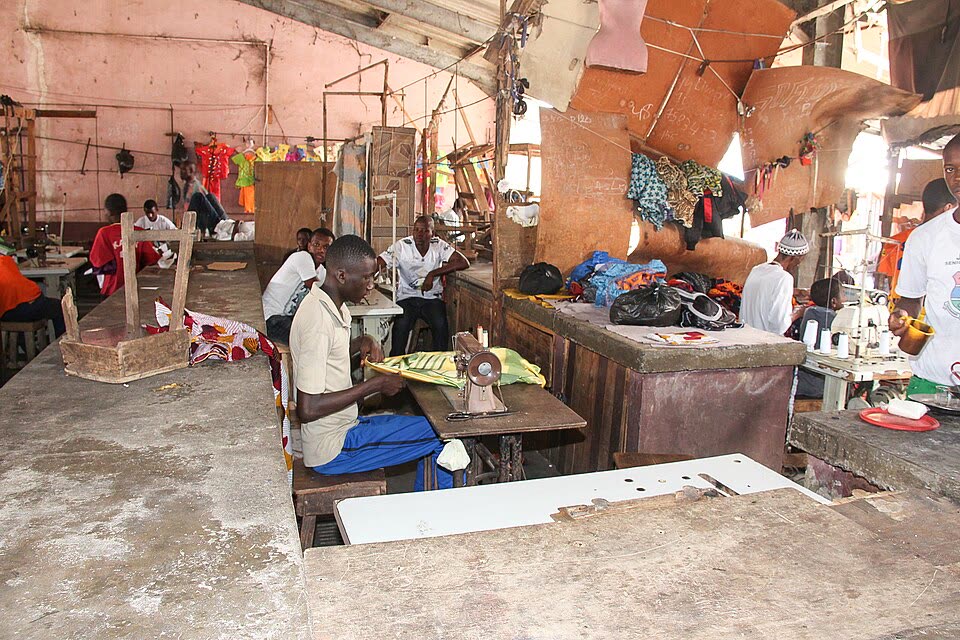
You’re not buying directly from those stalls when you add a BANJUL rhinestone dress to an online cart, but understanding the name’s origin and the broader Gambian clothing scene helps explain why searches surface both brand catalogs and travel guides to local markets.
If your needs are practical—finding the right dress for an event or stocking your shop—anchor your comparison on the four channel types above. Decide first whether you care most about the exact BANJUL label, the sparkly Banjul-style look, or the lowest possible price, then pick the channel whose strengths line up with that priority.