
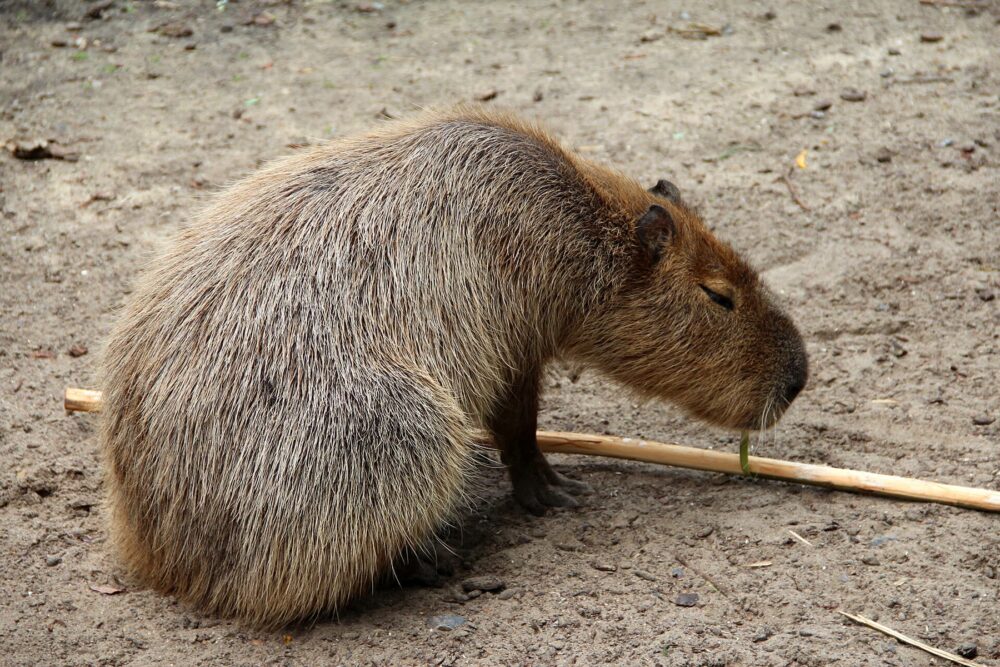
Capybara lamps are sold mainly as cute LED night lights and small table lamps shaped like capybaras, and you can find affordable options in Canada through big retailers, specialty shops, and online marketplaces. Soft silicone USB night lights at places like Walmart Canada and Best Buy are pitched for nurseries and kids’ rooms, while more rigid 3D‑printed table lamps from global designers such as Officine3D or hard‑shell LED lamps like Villy Designs’ Glowybara suit adult desks and décor. For a single lamp, local and well‑known sites usually make the most sense; for a small ecommerce shop, cross‑border marketplaces can widen variety but require you to be stricter on safety and quality checks.
What Capybara Lamps Are and Why People Buy Them
A capybara lamp is any decorative light fixture that uses a capybara shape as its body, usually with an integrated LED module. Major retailers frame them as cute, cozy lighting for bedrooms and nurseries: Walmart Canada lists a “Capybara Table Lamp” as a soft warm‑glow LED night light for nursery and kids’ room décor, emphasizing the kawaii animal design as much as the light itself (Walmart Canada listing).
Specialty sites lean into materials and long use as selling points. BigSquishies describes its capybara night light as BPA‑free, made of silicone and ABS plastic, with a rechargeable battery that supports extended illumination (BigSquishies capybara night light). That’s typical of the category: these products are designed to look cute on a bedside table, give off a gentle glow, and double as a comforting object.
People buy capybara lamps as:
- Night lights for toddlers’ and kids’ rooms.
- Desk or shelf décor for fans of capybaras and kawaii aesthetics.
- Gift items, often bundled with plush toys or stationery.
- Small‑batch inventory for ecommerce shops focused on animal‑themed or “cozy” home décor.
Main Types of Capybara Lamps and How They Differ
Across Canadian and global listings, you’ll see four main styles. Their material and construction determine whether they’re better for kids, travel, or display.
Compact comparison of capybara lamp types
| Lamp type | Typical material & build | Lighting behavior | Best use case |
|---|---|---|---|
| Soft silicone night light | Squishy silicone shell, some ABS internal parts | Gentle LED glow, often dimmable, rechargeable | Kids’ rooms, bedside comfort, safe to handle |
| Rigid LED table lamp | Hard plastic or resin shell, tabletop size (around 18 cm) | Steady LED light, sometimes color‑changing | Desk décor, adult bedrooms, display pieces |
| 3D‑printed capybara lamp | 3D‑printed rigid plastic body with internal LED | Diffused glow through printed shell | Design‑forward décor, niche ecommerce inventory |
| Novelty “breathing” capybara lamp | Ultra‑soft outer body with motion or pulsing effect | LED brightness synced to a rising/falling “breath” | Relaxation gifts, TikTok‑style viral items |
Silicone USB night lights. These are the closest to the capybara night lights you’ll see at Best Buy and Walmart: a soft silicone body you can squeeze, with built‑in LEDs and touch controls. BigSquishies highlights its lamp as BPA‑free silicone plus ABS plastic, rechargeable via USB, and able to run a long time on a single charge. Soft shells are more forgiving if a child drops or hugs the lamp, and they usually emit a very gentle glow for sleep.
Rigid LED table lamps. Villy Designs’ Glowybara capybara lamp is an 18 cm LED night light that reads like a small sculpture: a solid tabletop body with LEDs inside. This style works better as décor than a toy. It feels more like a little statue that happens to light up, and that makes it interesting for adult desks and shelves.
3D‑printed capybara designs. Officine3D’s capybara lamp represents the maker side of the market: a 3D‑printed animal lamp that uses a rigid printed shell to diffuse light. These tend to be more niche, appealing to design fans or small ecommerce stores that want something different from mass‑market silicone lamps.
Novelty breathing lamps and plush‑style designs. Showcase and similar chains sell capybara night lights described as ultra‑soft with a calming breathing effect, where the light subtly brightens and dims. That novelty makes them highly giftable and good for social‑media‑driven shops, but they’re still fundamentally LED night lights with a padded capybara outer shell.
For a Canadian parent buying one lamp, silicone USB night lights and soft “breathing” designs are the most common choice. For a small ecommerce business, mixing a mainstream silicone model with one or two 3D‑printed or rigid designs creates a tiered range—entry‑level cute lamp plus higher‑margin design piece.
Buying Capybara Lamps: Safety, Quality Checks, and Smart Channels
Because many capybara lamps are marketed for kids and bedtime, safety and materials should come before price.
Quick child-safety and material checks
You can’t certify a product yourself, but you can screen listings more sharply:
- Material transparency: Look for clear descriptions like BigSquishies’ “BPA‑free” silicone and ABS. If a seller doesn’t specify materials at all, treat that as a red flag for use in a child’s room.
- LED behavior: Check that the lamp uses LEDs (they run cool) and that brightness is adjustable or described as “soft” or “warm glow,” as in Walmart Canada’s capybara table lamp.
- Shell type vs. handling: Squishy silicone shells are usually better for kids who might drop or cuddle the lamp. Hard shells and 3D‑printed designs are safer as “look but don’t play” décor.
Picking the right shopping channel
You have three main sourcing routes, and the “right” one depends on whether you’re buying one lamp or planning a small resale batch.
1. Canadian general retailers (single‑lamp, low‑risk).
Big chains with Canadian sites—Best Buy Canada and Walmart Canada—stock capybara night lights in their lighting or kids’ décor categories. You get predictable shipping, clear return workflows, and product descriptions that usually specify LED type and target room. This route suits:
- A parent buying one night light.
- Someone gifting a lamp and wanting quick delivery and straightforward returns.
2. Global niche shops and designer listings (unique designs, mid‑volume).
Shops like BigSquishies, Villy Designs, and Officine3D specialize in kawaii or 3D‑printed lamps. They’re good for:
- Buyers who care about specific material claims (BPA‑free, silicone + ABS).
- Small ecommerce brands that want something more distinctive than a generic import.
You’ll usually pay more per unit than a non‑branded import, but you get stronger branding and often better photography and descriptions to reuse in your listings.
3. Marketplaces and cross‑border sourcing (variety, higher verification burden).
DHgate’s animal‑lamp editorial post discusses online marketplaces alongside Amazon, Etsy, and décor stores as ways to source cute animal lighting. That’s the right mental model: DHgate is one of several global marketplaces you can use to find capybara‑style lamps from third‑party sellers.
Marketplaces are attractive if you:
- Want to test several lamp styles in small quantities for resale.
- Are comfortable comparing multiple suppliers for the same design.
But you have to do more legwork:
- Compare seller ratings and review photos carefully.
- Read listings for materials (silicone vs. generic plastic) and power type (USB rechargeable vs. disposable batteries).
- Start with a small trial order before committing to inventory.
If you decide DHgate specifically might be relevant, learn how the marketplace itself works through this DHgate overview, and use guidance on finding trusted sellers and the order‑readiness checklist to structure your checks. That keeps the focus on individual listings rather than assuming every lamp on a marketplace is equally suitable.
One-lamp vs. small-batch scenario
- Buying one capybara lamp for a child: A soft silicone LED night light from a Canadian retailer or a BPA‑free design from BigSquishies is usually the simplest choice. You get clear specs, familiar customer service, and no cross‑border surprises.
- Stocking 20-50 lamps for an online shop: Combine one mainstream silicone model (from a retailer or marketplace) with a couple of distinctive pieces, like Villy Designs’ rigid 18 cm lamp and Officine3D’s 3D‑printed capybara. Use one or more marketplaces—DHgate included—as testbeds for low‑cost variants, but keep strict material and review filters, and treat the first order as a sample run.
If you follow those steps, you’ll end up with capybara lamps that feel delightful in person and make sense for your budget—whether you’re lighting a single bedside table or building a niche inventory around the world’s calmest rodent.