
Affordable bedside tablet stands in Australia generally sit under a modest budget, but the spread is wide. Simple desktop cradles and basic clamp holders are usually in the low‑cost band, while highly adjustable floor or rolling stands aimed at medical/POS use are meaningfully more expensive. For most buyers, a comfortable, stable bedside setup is achievable without spending into premium territory, as long as you match the stand type to how you actually use your tablet.
What bedside tablet stands cost in Australia
Australian retailers offer bedside‑friendly tablet stands across three rough price bands:
- Low budget – simple phone/tablet cradles, compact desktop stands and basic clamp/gooseneck holders.
- Mid budget – more robust adjustable stands and small laptop tables that can double as bedside tablet trays.
- High budget – floor or rolling stands designed for commercial and medical environments.
For the low band, general‑purpose mobile/tablet stands at IKEA Australia are a good reference point. Their range includes small desktop holders and compact stands that work on a bedside table or shelf, plus minimalist pieces that keep a tablet upright for reading or streaming next to the bed. These are clearly positioned as entry‑level accessories in their catalog of phone & tablet stands.
If you prefer the tablet over your lap, IKEA also lists compact laptop tables that are height‑adjustable and usable in bed. They aren’t marketed as tablet stands specifically, but they work well for larger devices and sit in a mid‑budget tier thanks to added materials and adjustability.
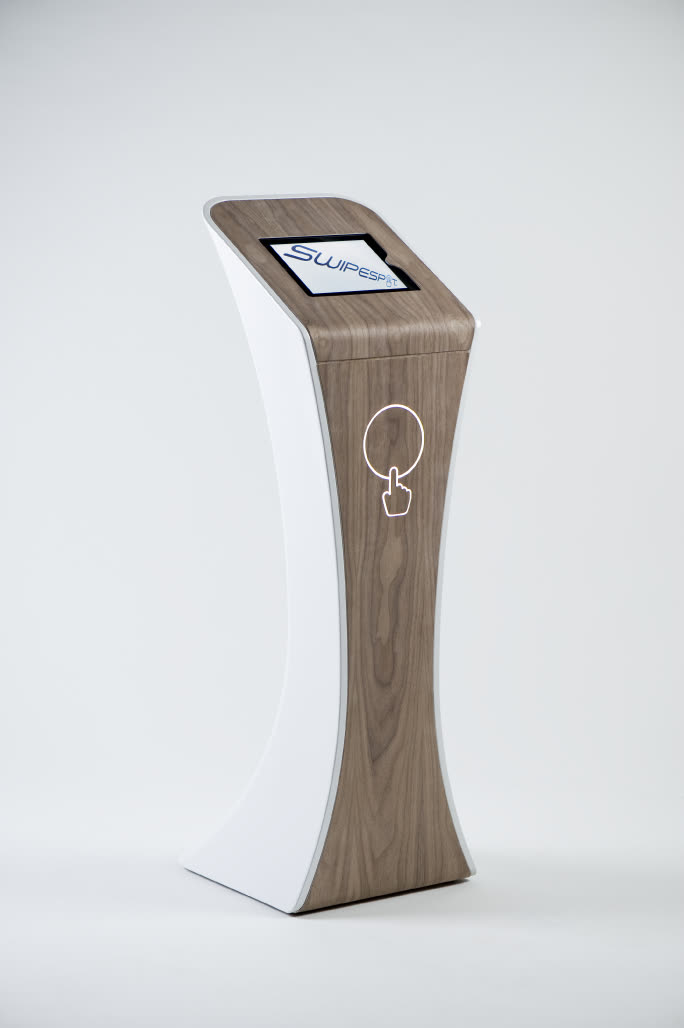
On the high side, Bosstab Australia has an Elite rolling tablet stand that’s designed for POS and medical environments, with a wheeled base and secure enclosure for the device. Bosstab positions this as a premium, professional product compared with simple countertop stands, reflecting the sturdier hardware and mobility features in its rolling tablet stand. It can be used bedside in clinical or aged‑care settings, but its price tier is considerably higher than consumer accessories.
Between those extremes, POS Central Australia lists tablet table stands for commercial environments. These table‑mounted solutions sit in a mid‑to‑high band: they’re heavier and more durable than basic home stands, but not as elaborate as a full rolling cart. Their tablet table stands illustrate what you pay for when you want commercial‑grade stability next to a bed or treatment chair.
A useful way to think about the Australian price landscape is by stand type:
| Stand type | Typical use at bedside | Relative price band | Example source |
|---|---|---|---|
| Simple desktop cradle | On nightstand for light use | Low | IKEA mobile/tablet stands |
| Clamp / gooseneck holder | Clamped to bed frame for hands‑free | Low to mid | General online retailers |
| Pillow‑style holder | On lap or chest for casual viewing | Low to mid | General online retailers |
| Laptop bed table | Larger surface for tablet/laptop | Mid | IKEA laptop tables |
| Floor / rolling stand | Medical/POS, clinical bedside use | High | Bosstab, POS Central |
These bands aren’t strict prices, but they’ll help you sanity‑check what you’re seeing when you shop.
Why prices vary: design, materials and shipping
A bedside tablet stand that looks similar in a photo can be priced very differently once you dig into the details. The main cost drivers are:
1. Stand format and ergonomics Clip‑on holders that attach to a bed frame or bedside table are mechanically simple, so they can stay in the low budget range. Floor‑standing and rolling stands require a stable base, taller supports and often secure enclosures for the device, pushing them into mid and high tiers, as you can see from Bosstab’s rolling stand compared with basic countertop accessories.
2. Adjustability and flexibility DHgate’s editorial guide to tablet holders for bed or couch describes three common types: clip‑on, floor‑standing and pillow‑style. Clip‑ons and pillows aim at convenience, while fully adjustable stands are built to change height, angle and orientation. Flexible designs need more complex joints, stronger arms and sometimes weighted bases. That extra engineering tends to command a premium relative to rigid cradles, especially for stands that can swing across the bed and hold a tablet above your face.
3. Materials and build quality Budget stands often use lightweight plastics and simple metal tubing. They’re fine for occasional use but may wobble if you tap the screen or move in bed. Commercial‑grade stands like those at POS Central usually feature heavier steel or aluminum, wide bases and reinforced joints so staff and patients can reposition them constantly without failure. That durability is reflected in the mid‑to‑high price tier.
4. Brand and channel markup Buying through an established retailer or specialist supplier in Australia typically means higher overheads but also clearer specs, returns channels and local support. Generic brands via marketplaces may look cheaper at first glance but can vary more in build quality and fit/finish.
5. Shipping and delivery For local purchases, shipping mainly affects heavier stands: a rolling cart will cost more to move than a small desktop cradle. For cross‑border orders, freight, customs handling and any applicable import charges can easily turn a “cheap” stand into a mid‑tier one on total landed cost. Small ecommerce buyers especially need to factor this in.
Choosing the right buying channel for your budget
You’ve got three main channels if you’re in Australia or running a small ecommerce operation that ships into Australia: local consumer retail, specialist commercial suppliers, and cross‑border marketplaces.
Local consumer retailers (IKEA, general online stores) Best for: individual buyers and small sellers who need a few units, value simplicity, and mostly want basic bedside use. Pros: clear product descriptions, predictable delivery in Australia, easy returns, and no extra import paperwork. Budget fit: excellent for low‑ and mid‑band stands—simple cradles, clamp/gooseneck holders, pillow stands, and compact laptop tables. If your use‑case is watching streaming in bed or light reading, these channels usually give the best hassle‑to‑price ratio.
Specialist POS/medical suppliers (Bosstab, POS Central) Best for: clinics, aged‑care providers, hotels, and retailers needing sturdy hardware that can survive constant adjustment and cleaning. Pros: commercial‑grade durability, secure enclosures, mounting options for trolleys and treatment rooms, and products designed for professional use. Budget fit: higher unit prices, but lower long‑term risk of failure or wobble next to a patient’s bed. If downtime or a broken stand is expensive for you, mid‑to‑high tier hardware from these suppliers often makes sense.
Cross‑border marketplaces (e.g., DHgate) DHgate is one example of a marketplace where overseas sellers list generic tablet stands, including clip‑on, gooseneck and simple desktop formats. Unit prices on these generic stands can be lower than comparable items at Australian consumer retailers, especially once you move beyond single‑unit buying and into small batches.
However, the total cost for Australian buyers can be higher than it looks:
- Shipping and logistics – international freight and handling fees vary widely by seller and method.
- Import charges – larger orders may attract duty or GST and customs handling fees. For a deeper look at these costs, DHgateWiki has a guide on customs, tariffs and import fees.
- Verification effort – you’ll need to vet each listing: confirm device compatibility, stand type (clip‑on vs floor‑standing vs pillow), materials, and real‑world stability using photos and reviews.
Keeping costs under control without buying junk
Whether you’re buying one stand for your own bedroom or sourcing a small batch for a store or clinic, a few practical steps help you stay in budget:
- Match stand type to usage first. If you read occasionally in bed, a simple IKEA‑style cradle on the nightstand may be all you need. Reserve mid‑ and high‑tier adjustable or rolling stands for situations where you genuinely need over‑bed reach, height changes or clinical mobility.
- Choose “enough” adjustability. A single‑joint clamp holder that positions the tablet roughly at eye level can be far cheaper than a multi‑joint articulated arm designed for heavy daily repositioning. Over‑buying on adjustability is a common budget leak.
- Count total landed cost for imports. For cross‑border orders, sketch a quick mini checklist: unit price x quantity, estimated international freight, any likely import charges, and your time overhead. If that sum approaches what you’d pay a local retailer or specialist like POS Central, the local option may be the safer bet.
- Consolidate purchases. If your small ecommerce store sells other accessories, bundling tablet stands with other stock from the same supplier can spread freight costs across more units.
Handled this way, bedside tablet stands are a relatively low‑risk category: you can start cheap with a basic cradle or clamp, then only step up to more complex floor or rolling designs when your use‑case and budget genuinely justify the extra spend.