
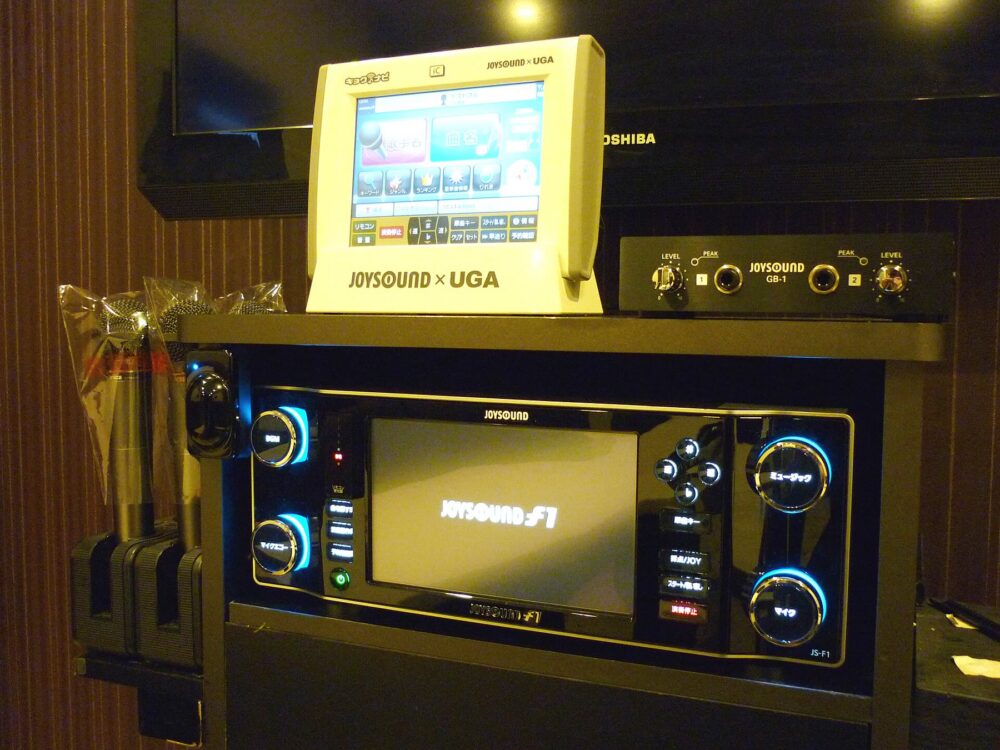
Asian karaoke systems are sold through three main online routes for US buyers: big retail marketplaces like Amazon and eBay, specialist Asian karaoke shops (both US-based and overseas), and cross-border marketplaces or supplier sites. The right choice depends on whether you want a single plug-and-play home unit with Chinese, Korean, Japanese or Vietnamese songs, or you’re trying to source multiple systems or players as inventory.
For a single home setup and minimal hassle, US-based Asian karaoke retailers are often the most straightforward. If you need niche language catalogs or want to resell, you’ll quickly run into regional suppliers and global marketplaces, which trade convenience for more complexity. This guide breaks down those channels and how they fit different buyers.
How Asian Karaoke Systems Are Sold Online
When people talk about “Asian karaoke systems,” they usually mean all-in-one setups designed around Asian-language song libraries. These tend to combine:
- a dedicated karaoke player (often a touch-screen terminal or set-top box),
- a large preloaded or cloud-based catalog in languages like Chinese, Korean, Japanese, or Vietnamese,
- microphones and an amplifier, plus
- speakers tuned for vocal performance.
Mainstream US retail platforms like Amazon carry plenty of generic karaoke gear, but they also surface some Asian-branded machines. For example, Amazon’s Best Karaoke Equipment lists show standard Bluetooth speakers and party machines alongside touch-screen Chinese units marketed with large song libraries and cloud download features (Amazon karaoke category). These listings are usually aimed at home users, and the product pages mix English descriptions with screenshots of Chinese interfaces.
On eBay, the karaoke systems category includes general consumer machines as well as Korean-branded units like Kumyoung and TJ Media models (eBay karaoke systems). Some of these are preowned imports; others are new stock from small resellers. This creates a broad, but inconsistent, channel for Asian systems.
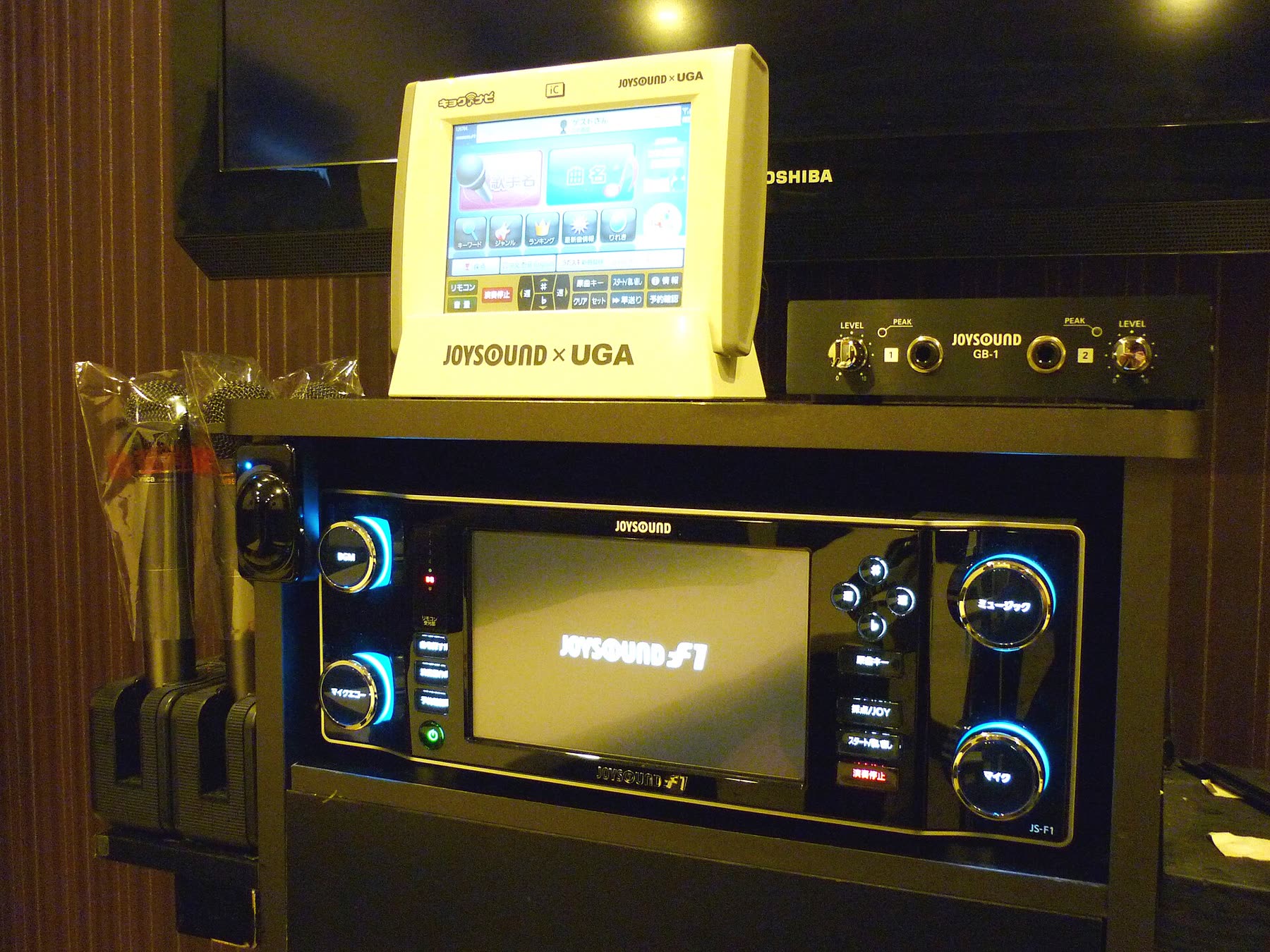
Alongside the big marketplaces, you’ll find dedicated sites focused on Chinese- and Vietnamese-language setups. A site like Chinese Karaoke Systems markets itself as a custom karaoke and DJ system store serving Chinese-language needs in the US, highlighting tailored packages and financing for domestic buyers (Chinese Karaoke Systems). Vietnamese-focused retailers like Gia Han Music & Videos sell high-capacity Vietnamese players, sometimes with multi-terabyte drives and bundled song libraries (Gia Han Music & Videos).
So as a US buyer you’ll see:
- mainstream marketplaces with a few relevant Asian-brand listings,
- US-based specialist sites tuned to specific languages and domestic shipping,
- overseas specialist systems that may require cross-border ordering.
Platform Models for Asian Karaoke Systems
Behind those storefronts are different platform models. Understanding how they work helps you match them to your risk tolerance and goals.
1. Mainstream retail marketplaces
Amazon and eBay act as retail marketplaces: they aggregate many sellers, including brands and small resellers.
- Product depth: Amazon’s karaoke equipment pages lean heavily toward English-focused machines, but include some Chinese touch-screen players labeled as “New China Karaoke Machine” or similar, with cloud song download features (Amazon karaoke category). eBay’s karaoke systems include Korean brands, plus generic gear (eBay karaoke systems).
- Buyer experience: You get familiar checkout and shipping flows. However, language libraries, firmware updates, and tech support depend entirely on the individual seller or brand, not the marketplace itself.
- Logistics: Most listings aimed at US buyers ship domestically, but some Asian systems are imported by resellers, which can affect manuals (non-English) and warranty access.
Retail marketplaces work well if you want one machine, don’t need the deepest catalog, and prefer US-style checkout and returns.
2. Specialist Asian karaoke retailers
Specialist retailers focus specifically on Asian-language karaoke, either from the US or from Asian hubs.
On the US side, USAACI and Karaokesystem.com appear to position themselves as suppliers of Asian-oriented karaoke systems, relevant for buyers who want domestic shipping and support in English (USAACI, Karaokesystem.com). These sites tend to sell:
- preconfigured Chinese, Vietnamese, or multilingual players,
- bundled microphones, amps, and speakers,
- curated song libraries meant for diasporic communities.
On the overseas side, several brands run their own sales channels:
- InAndOn presents itself as a professional home karaoke system provider, offering all-in-one touch-screen players and home packages with large Asian-language song libraries (InAndOn).
- Huabao highlights smart karaoke machines and packages for parties and home entertainment, with Android-based interfaces and bundled tablets in some models (Huabao Sound).
- Ampyon, often sold via Tittac, markets tower-style digital karaoke systems under models such as AKS-403, which combine amplification, speakers, and karaoke processing in one unit (Ampyon AKS-403).
- Teo Heng and its Wasuka home packages target Asian-language home karaoke, sold as complete bundles (player, mixer, mics, speakers) rather than piecemeal components (Teo Heng).
These specialist platforms typically:
- emphasize language depth (Mandarin, Cantonese, Korean, Japanese, Vietnamese),
- sell systems as curated bundles rather than DIY mixes,
- rely on regional shipping and support arrangements.
For US buyers, the big split is whether the specialist retailer is US-based (easier logistics, possibly smaller song catalogs) or Asia-based (richer regional libraries, more involved cross-border purchasing).
3. Cross-border marketplaces and supplier platforms
Cross-border marketplaces like AliExpress, DHgate, or Alibaba sit in between retail and wholesale. They connect buyers directly with manufacturers, trading companies, and resellers.
In practice, that means:
- Product variety: You’ll see a wide range of generic karaoke components (amps, speakers, wireless mic sets) plus integrated Asian-language players similar to those sold by brands like InAndOn or Huabao.
- Order patterns: Single-unit purchases are possible, but many listings lean toward small wholesale (multi-unit orders, bulk pricing) suitable for bar owners or ecommerce sellers.
- Responsibility: Song library details, firmware, and post-sale support are specific to each seller. You have to check listing descriptions and ask clarifying questions.
There are also supplier-style sites—for example, Ampyon’s own pages or brand sites for InAndOn—where you may be negotiating directly with the manufacturer or its regional distributor. These are closer to traditional B2B sourcing, even if they offer checkout for individual buyers.
Quick comparison by platform type
Here’s a high-level comparison of how these platform types behave for Asian karaoke systems:
| Platform type | Typical use case | Language library depth (editorial view) | Logistics for US buyer (editorial view) |
|---|---|---|---|
| Mainstream retail marketplaces | Single home machine, casual use | Moderate; some Chinese/Korean units | Simple checkout, mostly domestic shipping |
| US-based Asian specialist shops | Home users & small venues needing Asian songs | Higher for specific languages (e.g., Chinese, Vietnamese) | Domestic shipping/support, focused catalogs |
| Overseas specialist brand sites | Enthusiasts, KTV-style setups, resellers | High; closer to local KTV libraries | Cross-border shipping, time zone & language |
| Cross-border marketplaces/supply | Small resellers, budget venue sourcing | Variable; depends on seller and model | Cross-border; more buyer due diligence needed |
This isn’t a ranking; it’s a way to match your needs to where each platform tends to be strong.
Choosing the Right Platform Route for Your Use Case
The best route changes sharply depending on whether you’re a home user or treating Asian karaoke systems as inventory.
For a single home machine in the US
If your priority is plug-and-play and minimal friction:
- Look at US-based specialist sites for your target language. Chinese-focused platforms like Chinese Karaoke Systems and Vietnamese-oriented retailers like Gia Han Music & Videos deliberately court US buyers, which usually means compatible voltage, English contact options, and clearer expectations around shipping.
- Consider mainstream marketplaces if your language needs are flexible. Amazon and eBay can be good routes for Chinese or Korean machines already imported by resellers, especially if you want fast shipping and a familiar checkout process.
You’ll still need to confirm:
- what languages and scripts the on-screen interface uses,
- how songs are updated (cloud vs drive replacement),
- whether the player expects any region-specific TV standards.
Those checks are specific to Asian karaoke systems because the catalog and interface matter as much as the hardware.
For a small venue or home-based business
If you’re outfitting a small bar, private KTV room, or planning to rent systems out:
- US-based suppliers like USAACI or Karaokesystem.com appear relevant if you want systems optimized for Asian-language use but with domestic shipping and support. Their positioning is oriented toward customers who care about both performance and US-based service.
- Overseas brands (InAndOn, Huabao, Ampyon via Tittac, Teo Heng) are worth exploring when you want closer-to-Asia song catalogs or specific hardware form factors (tower systems, wall-mounted terminals). This can give you a more authentic KTV feel but raises cross-border logistics questions.
In this scenario, factor in:
- how often your audience will expect new songs from their home country,
- backup options if a single imported player fails,
- whether you need multiple identical units for consistent customer experience.
For small ecommerce sellers and multi-unit sourcing
If you’re a small ecommerce business trying to list Asian karaoke systems or components:
- Cross-border marketplaces and supplier platforms become more relevant. AliExpress and Alibaba are common starting points; DHgate is another marketplace you can explore for karaoke players, wireless mics, and bundled systems.
- Treat these platforms as directories of individual sellers rather than monolithic stores. Your real relationship is with the brand or trading company behind each listing.
- Listing detail: Song languages, update mechanism, storage type, and interface screenshots.
- Seller profile: Longevity, volume of feedback, consistency of product line (e.g., do they specialize in karaoke equipment or sell a random mix of goods?).
- Test orders: If you plan to resell, starting with a single-unit trial before committing to larger quantities can help you evaluate catalog quality and real-world reliability.
If you want a deeper view of how DHgate works as a marketplace before using it for sourcing, you can read What DHgate is and how the marketplace works and then compare it with other options in online marketplaces and shopping platforms.
Picking your route in one sentence
- Buy one machine for home use? Start with US-based Asian karaoke retailers or Amazon/eBay listings already targeted at US buyers.
- Outfit a venue or need deeper catalogs? Consider regional brands like InAndOn, Huabao, Ampyon, or Teo Heng and be ready for cross-border logistics.
- Source inventory to resell? Explore cross-border marketplaces or direct brand/supplier sites, but build in time for verification and test orders before scaling.