
Australian buyers don’t find kayak and canoe trailers in one unified marketplace. You’re choosing between local trailer builders, specialist watersports retailers, classifieds for second‑hand units, and global marketplaces that mostly sell accessories or DIY‑style kits. Versatile designs such as multi‑tier club trailers and compact folding frames are almost always sold through local builders and niche retailers rather than big cross‑border sites.
If you’re a recreational paddler, a ready‑made single‑ or dual‑kayak trailer from an Australian builder or watersports retailer is usually the practical route. If you’re a club, tour operator, or small reseller, multi‑tier racks and custom configurations push you toward direct relationships with brands like Bulldog Folding Trailers, Felks, Workmate or Variant. Cross‑border marketplaces become more relevant for lower‑risk parts and hardware than for full road‑legal trailer frames.
Where Australians Actually Buy Kayak and Canoe Trailers
The kayak/canoe trailer market in Australia is fragmented but fairly mature. A lot of the supply comes from small to mid‑size trailer manufacturers that build to Australian conditions and regulations, then sell directly or via watersports retailers.
Local manufacturers such as Bulldog Folding Trailers, Felks, Workmate Trailers and Variant Trailers all offer kayak/canoe‑oriented designs. These range from simple single‑craft frames to more niche products like folding trailers and multi‑tier canoe racks.
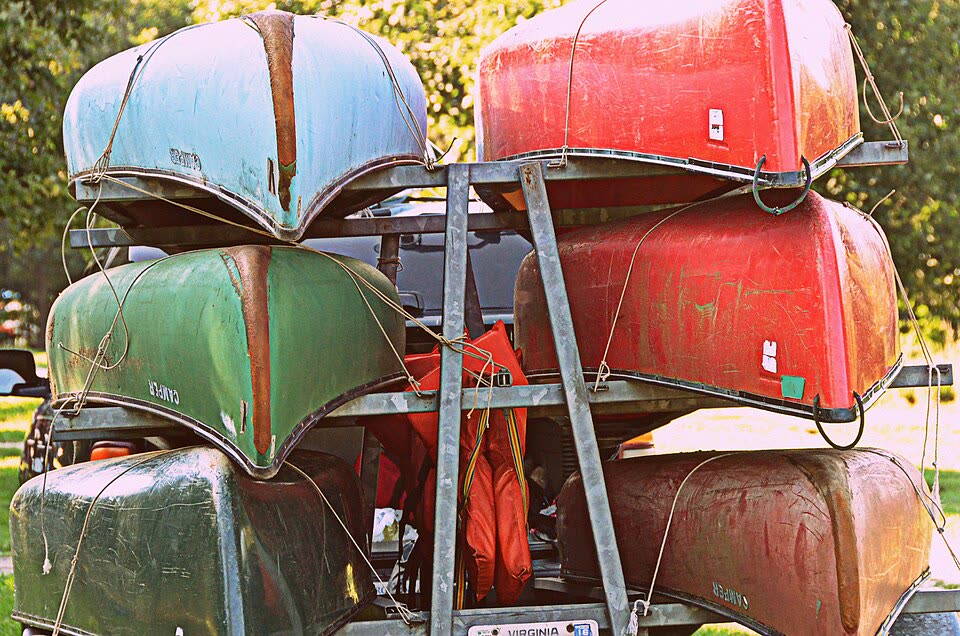
Specialist watersports stores and distributors then surface those trailers to retail buyers. Paddlesports‑focused outlets list kayak trailers alongside boats and transport accessories; for example, an Australian paddlesports retailer offers a dedicated sports kayak trailer around the 3.3 m length mark for smaller craft.
On the used side, classifieds like Gumtree’s trailer category with kayak listings give buyers access to second‑hand kayak and canoe trailers, often at lower prices than new builds. These listings span basic single‑kayak setups through to larger multi‑boat frames being retired or upgraded.
Online global marketplaces sit more at the periphery. They tend to show smaller transport devices (such as bicycle cargo trailers) and generic towing hardware rather than complete, Australian Design Rules‑aligned kayak/canoe trailer frames.
Platform Types and How They Handle Versatile Trailer Designs
Versatile trailer designs — folding frames you can store in a garage, or multi‑tier racks that carry a club’s whole fleet — don’t appear evenly across all platforms. Each channel has its strengths.
1. Local trailer builders and custom fabricators
Australian trailer builders are the go‑to for non‑standard designs.
- Folding trailers: Bulldog offers a folding kayak/canoe trailer that collapses for compact storage but can transport watercraft when assembled. This type of design suits paddlers with limited driveway or shed space.
- Custom kayak layouts: Felks promotes custom kayak trailers, where rails, cradles, and tie‑down points can be tailored around specific hull shapes or numbers of boats.
These suppliers usually sell direct via their own site or phone/email orders rather than mass marketplaces. For a small business wanting to import or rebrand trailers, that direct relationship can also support OEM-style builds (subject to volume and negotiation, not a fixed rule).
2. Multi‑tier trailers for clubs and commercial operators
Multi‑tier racks — the classic club canoe trailer stacked three or four high — are a special niche.
Workmate’s canoe trailer uses multi‑tier racks so it can carry several kayaks or canoes on one frame, designed with group and commercial users in mind. Other Australian makers and fabricators offer similar multi‑boat layouts for schools, hire fleets, and adventure operators.
Local builders and specialist distributors are the primary platforms for these units. They need conversations about boat count, loading height, and tow vehicle constraints, which doesn’t fit well into one‑size‑fits‑all marketplace listings.
3. Specialist watersports retailers and importers
Retailers that focus on kayaks and watersports often act as a bridge between factory and end user.
Stores like paddlesports distributors or marine dealers stock turnkey kayak trailers (often built by brands such as Dunbier or Variant) and match them to specific kayak models they sell. For buyers who don’t want to spec suspension or drawbar length themselves, this is a plug‑and‑play route: trailer, boat and accessories from one counter.
From a platform perspective, these retailers rely on their own ecommerce sites or smaller marketplace storefronts, not giant horizontal marketplaces, because trailer fitment and compliance questions are complex.
4. Classifieds and second‑hand platforms
On classifieds, the key feature isn’t customization — it’s price and availability.
Gumtree’s trailer listings demonstrate how used kayak/canoe trailers are sold peer‑to‑peer in Australia. Buyers can find basic single‑kayak trailers, converted box trailers, and sometimes multi‑tier club frames at significant discounts to new.
Before committing to a used trailer, a careful inspection is sensible. Generic used‑trailer advice from DHgate’s editorial content on second‑hand trailers suggests checking the overall condition plus specific towing components — hitch, lights, tires, and brakes — and asking for maintenance history if the seller has it. That principle applies equally to kayak and canoe trailers.
5. Global marketplaces and accessory-focused listings
Global marketplaces skew toward smaller transport devices and accessories rather than complete, locally road‑legal kayak/canoe trailers.
DHgate’s own editorial coverage of trailers focuses on categories like bicycle cargo trailers and multi‑functional child/pet carriers, highlighting add‑on features such as folding frames for easier storage. That’s a useful clue on product mix: cross‑border platforms are strong for accessories, hardware, and kits, not for finished Australian‑registered trailer frames.
For small businesses, this means you’re more likely to use global marketplaces to source:
- winches, straps, and cradle hardware
- small cargo or bike trailers that you adapt for non‑road use
- light transport carts for moving kayaks on private property
Rather than full ADR‑compliant tow‑behind trailers.
Choosing Your Channel: Local Build, Classifieds, or Cross‑Border Marketplace
Choosing your route isn’t just about price; it’s about how much customization you need, your appetite for compliance risk, and whether you’re buying one trailer or setting up a small business.
Quick comparison: platform types for Australian kayak/canoe use
| Platform type | Typical use case | Versatile designs you’ll actually see | MOQ / volume feel (editorial) |
|---|---|---|---|
| Local trailer builders | Clubs, operators, serious paddlers | Folding frames, multi‑tier racks, custom layouts | Suits 1‑off to small batches |
| Specialist watersports retail | Recreational paddlers, small hire fleets | Single/dual‑kayak, branded sport trailers | Mainly 1‑off retail purchases |
| Classifieds (e.g., Gumtree) | Budget buyers, DIY modifiers | Mix of basic and multi‑boat used trailers | Single used units |
| Global marketplaces (e.g., DHgate for parts) | Accessory sourcing, DIY kits | Hardware, small cargo/bike trailers, kits | Wide range; not trailer‑specific |
This table reflects how platforms tend to be used based on visible supply, not strict rules. Individual sellers may buck the trend.
Scenario: recreational paddler in suburban Australia
You have one or two kayaks, limited storage, and a standard passenger car.
- A folding kayak/canoe trailer from an Australian maker like Bulldog is attractive because it collapses when not in use.
- You’ll typically find and buy it directly from the builder’s website or via a niche retailer, not via classifieds or global marketplaces.
- A used trailer from Gumtree might be cheaper, but you’d need to inspect hitch, lights, tires and general frame condition yourself or with a mechanic.
For this buyer, cross‑border marketplaces are mainly a source of extra straps, cradles or small carts, not the trailer itself.
Scenario: small reseller or club equipment manager
You’re either:
- A small business considering adding kayak/canoe trailers to an online catalogue; or
- An equipment manager for a club looking to move six or more boats at a time.
In both cases, the platform choice tends to shift:
- Multi‑tier trailers like the Workmate canoe trailer are tailored for clubs and commercial operators.
- Local builders and importers such as Felks or Variant can discuss repeated orders or minor spec changes; this is more of a supplier relationship than a marketplace purchase.
- Classifieds may surface a used club trailer that fits your fleet, but there’s no guarantee of ongoing supply.
- Cross‑border marketplaces, including DHgate, can still matter for sourcing straps, plastic cradles, or non‑road cargo trailers, but you’d need to verify any frame you consider against Australian regulations and your insurer’s requirements.
If you plan to resell complete trailers to Australian customers, the practical route is usually to work with a domestic manufacturer or importer and build your own ecommerce front end. You can still use general marketplace comparisons — for example, how DHgate, AliExpress and Alibaba differ — when deciding where to source accessories; see our marketplace comparison overview for that broader platform context.
Cross‑border buys of full trailer frames are higher risk because road‑legality, warranty, and after‑sales support are harder to confirm at distance. Treat them as exceptions, not your main plan.