
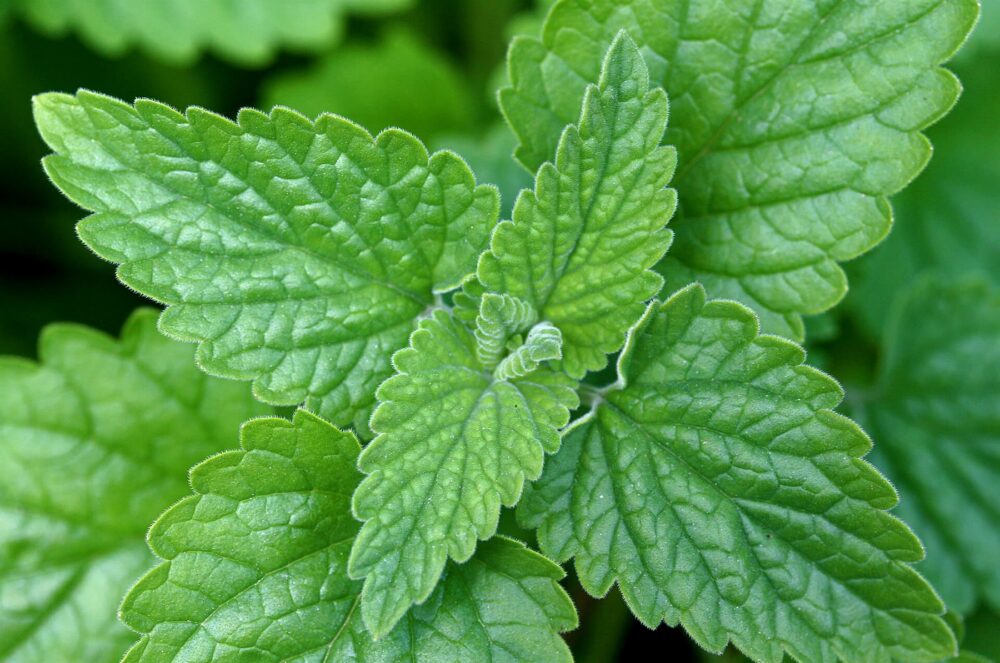
For most Canadian cat owners, the cheapest catnip is usually a small pouch of loose dried herb from a big-box or grocery chain. For small ecommerce or brick-and-mortar shops, bulk dried catnip from a Canadian herb retailer or wholesaler tends to beat retail packs on unit cost once you’re buying dozens of units. Branded toys and “premium” blends cost more per gram but might make sense if you’re selling finished products rather than just refilling your own stash.
This guide looks at how catnip is priced in Canada, why some formats cost more, and which channels make financial sense depending on whether you’re buying a single bag or stocking a shelf.
How Catnip Pricing Works in Canada
Catnip (Nepeta cataria) is a mint-family herb that’s widely cultivated in Canada for both pet products and herbal uses, as growers like Mossfield explain. You’ll see it sold in four main formats:
- loose dried herb (most common for cats)
- catnip-filled toys
- live plants or grow-your-own grass
- seeds and bulk herb for DIY
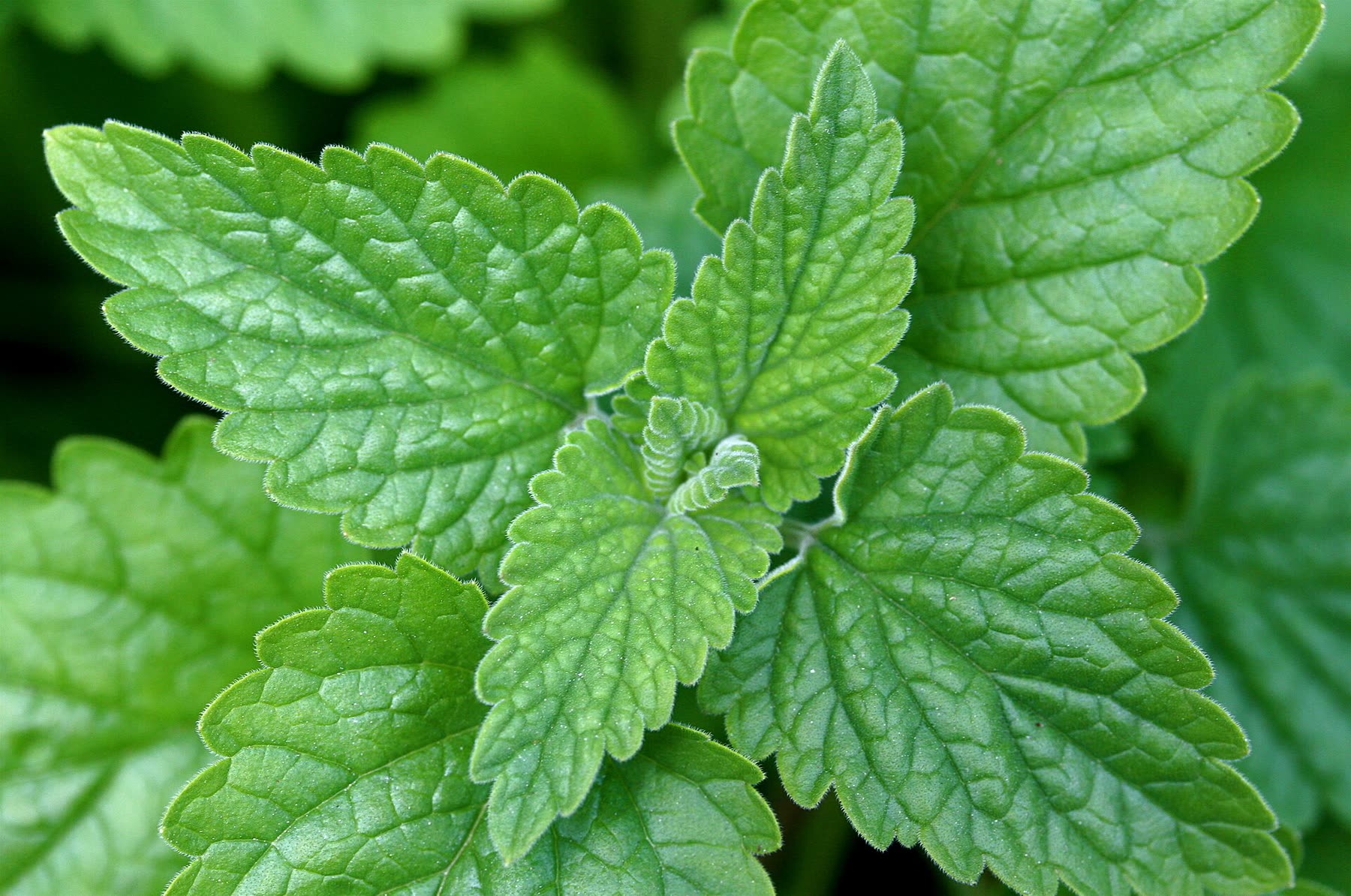
Loose packaged catnip. Big-box sites like Walmart.ca list mainstream brands such as Catit and Van Ness in resealable pouches. These are often in the few-tens-of-grams range (for example, small 20-60 g bags). Because the packs are small and widely distributed, they give a solid baseline for everyday pricing, though you’re paying for brand, packaging, and retail margin.
Specialty pet chains such as Mondou sell similar-sized branded packs (their product page shows a 28 g format). You’ll usually pay a bit more here than generic grocery-store herb on a per-gram basis, but the difference is small for casual household use.
Catnip toys. On Amazon.ca’s catnip toys section, you’ll find thousands of listings: plush toys stuffed with catnip, scratching pads infused with it, multi-pack “mice” or balls, and bundles that combine toys and loose herb. These don’t price catnip directly by weight; instead, you’re paying for toy design, branding, and convenience. Unit cost per toy can be low in multipacks but actual catnip content per gram is often much higher than loose herb.
Bulk dried catnip. Canadian herb retailers like The Apothecary sell catnip as a bulk dried herb. You buy by weight and can portion it into your own packaging or toys. While exact prices change, bulk formats usually give you a noticeably lower per-gram cost than branded 20-30 g pet packs, especially once you’re buying larger quantities.
Plants and seeds. Seed suppliers such as Revival Seeds offer catnip varieties for home growing. Here you’re paying for the seed packet or plant, not for the finished herb itself. Upfront cost per gram is higher, but once plants are established you can harvest repeatedly; it’s a long-term, low-cost option for heavy users.
Across all these formats, your total cost includes:
- product price (driven by format and brand)
- packaging (retail-ready vs bulk)
- shipping or travel (online delivery vs in-store pickup)
- sales tax, and possibly import fees for cross-border orders
Why Some Catnip Costs More: Format, Quantity, and Timing
Catnip pricing isn’t random. Several predictable factors push prices up or down for both individual buyers and small retailers.
Format and branding. Chains like Petland Canada sell Catit Pure Catnip in small, tidy retail packs and also carry premium-positioned items such as Yeowww! catnip. These products are marketed on purity, North American sourcing, or extra potency, and that tends to show up in the per-gram price. You’re paying more for the brand story and consistent packaging, which can be worthwhile if you’re reselling and want recognizable labels.
By contrast, bulk dried catnip from herb shops (again, see The Apothecary or tea shops like Exclusivitea) is meant for DIY use. It often has minimal branding, simple packaging, and less retail overhead, which keeps unit cost down.
Quantity and minimums. Buying a single 28 g packet from a specialty pet chain is convenient but expensive per gram compared with buying a few hundred grams from a bulk herb retailer. For a micro-shop that wants to hand-fill toys or tins, it usually makes financial sense to step up to bulk once you’re consistently going through multiple retail-sized packs per month.
Organic and niche claims. Some live plants and herbs tout organic certification or specific cultivars (Revival Seeds’ Japanese catnip is one example). Those claims add real costs for growers and often push product prices above generic catnip. That matters more if you’re marketing “organic Canadian-grown catnip” as part of your brand; less so if you’re just refilling the toy basket at home.
Promotions and seasonality. Mainstream marketplaces and large retailers often run pet deals around big sale events. General shopping guides note that platforms like Amazon and Walmart.ca regularly run promotions and seasonal discounts across categories, including pet supplies. Timing bulk purchases for Black Friday, Boxing Day, or loyalty events can bring per-unit prices closer to wholesale levels, especially on toys and branded packs.
Quick format fit: who each type suits
- Loose packaged catnip (20-60 g): best for casual pet owners who need something cheap and easy with no DIY.
- Branded catnip toys: good for gifts or resale where presentation matters more than herb cost.
- Bulk dried catnip: ideal for small ecommerce shops, crafters sewing toys, or multi-cat households.
- Seeds and plants: a niche for heavy users willing to grow and harvest over time.
Choosing the Right Channel: Local Retail, Canadian Wholesale, and Marketplaces
No single retailer is always cheapest on catnip in Canada. Your best-value channel depends on how much you buy at once and whether you’re consuming or reselling.
Here’s a compact comparison, framed around typical use cases:
| Channel type | Good for | Cost profile (editorial) | Key examples in Canada |
|---|---|---|---|
| Grocery / big-box | Single-household use | Low upfront cost; mid-range per gram | Walmart.ca catnip, Metro’s Catit Pure Catnip |
| Specialty pet chains | Branded / premium retail | Higher per gram; strong brand recognition | Mondou 28 g catnip, Petland Catit & Yeowww! |
| Herb & tea retailers | Bulk, DIY, repackaging | Lower per gram once you buy larger quantities | The Apothecary bulk catnip, Exclusivitea catnip |
| Online marketplaces | Wide variety, bundles, toys | Varies widely; best for toy multipacks | Amazon.ca catnip toys, other large platforms |
Local retail (grocery, big-box, pet chains). If you’re a pet owner buying small amounts, stores like Walmart.ca or supermarkets such as Metro often hit a good balance of low ticket price and regular availability. Specialty chains like Mondou and Petland give you more brand choice, plus premium toys and blends that can be attractive for resale or gifts.
Canadian wholesale and bulk. If your goal is to stock an online shop or fill your own catnip toys, Canadian herb shops (e.g., The Apothecary) and tea retailers like Exclusivitea are often the most cost-effective. You’re buying catnip as a raw ingredient by weight and adding your own packaging and branding. Shipping costs matter here, so it’s usually best to consolidate orders a few times a year rather than buying very small amounts frequently.
For broader marketplace context, you can also look at comparisons between platforms such as DHgate vs AliExpress, Alibaba and Temu if you’re building a multi-channel sourcing strategy.
Practical Ways to Keep Your Catnip Spend Down
You don’t need to chase a mythical “cheapest retailer” to save money on catnip in Canada. A few targeted moves usually deliver better value:
1. Match format to how fast you use it. If you have one cat and use catnip occasionally, a small branded pouch from Walmart.ca or a similar chain is fine—bulk herb can go stale before you get through it. If you’re a multi-cat household or a shop filling toys every week, step up to bulk dried catnip from herb retailers once you can justify buying a few hundred grams at a time.
2. Separate herb and toy costs. For personal use, multipacks of toys on Amazon.ca can be good value, but remember you’re paying for fabric, design, and shipping. If you’re a seller, buying bulk herb plus unfilled toy shells or fabric locally or via marketplaces, then stuffing and branding yourself, generally gives you better margin than reselling finished premium toys like Yeowww! at full retail.
3. Use Canadian-grown and organic as marketing levers, not default choices. Growers and seed suppliers such as Mossfield and Revival Seeds highlight Canadian cultivation and specific catnip varieties. Those attributes can justify slightly higher pricing in your store, but they’re not mandatory for a happy household cat. Decide whether “Canadian-grown” or “organic” is central to your brand before you pay up for those inputs.
4. Time larger purchases around sales. Big-box and marketplace promotions on pet supplies can narrow the gap between retail and wholesale costs for branded catnip and toys. If you know you’ll need inventory for Q4 or a launch, watch flyers and online listings around Black Friday, Boxing Day, and loyalty events, and be ready to buy in moderate bulk.
For most Canadian buyers, the sweet spot is simple: buy small branded packs locally for casual use, and graduate to Canadian bulk herb suppliers once catnip becomes a meaningful line item in your household or business budget.