
Backless dresses in Australia can cost anything from a budget mini at a mall chain to a premium gown from a bridal boutique, and the best-value option depends on where you buy and what you need it for. If you’re a single buyer after a party dress, local chains like Cotton On or online stores like ASOS and Boohoo often deliver low hassle and solid value. If you’re a small ecommerce business wanting quantity for resale, cross-border wholesale from China can cut your per-dress cost, but you’ll trade savings for more legwork on shipping, customs, and supplier checks.
How Much Do Backless Dresses Typically Cost in Australia?
A backless dress is essentially an open- or low-back garment that exposes much of the back while keeping coverage at the front and sides. You’ll see this design across party minis, maxi dresses, everyday slip styles, and formal gowns.Source
In Australia, you can broadly think of costs in layers:
- Dress price itself – Budget fashion chains aimed at younger shoppers, such as Cotton On, Factorie, Dotti and Supré, are known for keeping dress prices accessible.Source For a casual or party backless style, they usually sit in the impulse-buy zone rather than luxury territory.
- Online fast fashion price patterns – Global retailers like ASOS and Boohoo are widely regarded as affordable dress sources, with a spread of prices across basics, trend-led party pieces, and more polished occasionwear.Source Their key budget levers are volume, fast-fashion fabrics, and regular markdowns.
- Shipping and delivery – Australian chains with local stores may offer click-and-collect, which effectively keeps shipping at zero if you’re happy to pick up. Online-only players often use thresholds (spend over a certain amount for cheaper or free shipping), so bundling several dresses or adding accessories can improve value.
- Taxes and duties – For local Australian retailers, GST is baked into the consumer price and feels invisible. Cross-border orders have a different profile: the upfront dress cost can look lower, but freight plus import-related charges can materially change your final per-dress figure.
- Support garments (hidden costs) – Many backless dresses need some sort of bra or shapewear solution. Lingerie guides from brands like Triumph outline options such as adhesive cups, strapless or multiway bras, and low-back converters for open-back garments.Source If you don’t already own suitable support, budget for at least one extra item; that can turn a cheap dress into a mid-range outfit.
For a casual night-out dress, the outfit cost is often dominated by the garment plus a bra or shapewear that works with an open back. For formal events or weddings, the dress price rises with fabric upgrades (satin, lace, velvet) and more complex construction, which makes small line items like alterations and underpinnings feel relatively minor.Source
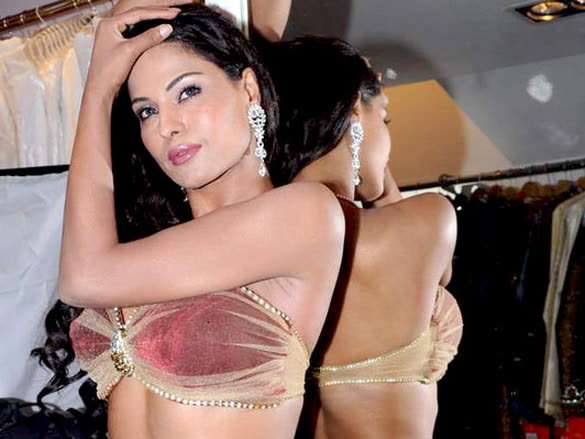
What Drives the Price of a Backless Dress for Buyers and Small Resellers?
Costs shift a lot depending on fabric, occasion, and quantity.
Fabric and construction
Casual backless maxis in cotton or basic poly blends are cheaper to make, and you’ll see them in budget-friendly ranges at Australian youth-focused brands and global fast fashion sites.Source Once you move into satin, silk, velvet or heavy beading for gala or wedding-ready backless gowns, prices climb because the fabric is more expensive and tailoring is trickier.Source
Occasion and styling
Backless dresses span several occasions:Source
- Night-outs and clubwear – Usually short or midi, in stretch fabrics, often from fast-fashion labels. Lower fabric cost and simpler construction keep prices down.
- Galas and black-tie events – Coverage of backless gowns for these events consistently emphasizes luxe fabrics and intricate details like lace panels or pleats, which push prices into higher tiers.
- Weddings (bridal and guests) – Open-back bridal gowns or guest dresses often feature lace, structured bodices and more fitted tailoring. That combination increases pattern complexity and seam work, adding to the final price.
Brand and market positioning
Younger-market Australian labels such as Cotton On, Factorie, Dotti and Supré compete on affordability, so their backless styles (when stocked) tend to prioritize mass-market fabrics and on-trend shapes over couture-level finishes.Source Retailers like ASOS and Boohoo do something similar online: they serve a wide range of budgets with large catalogs, making it easier to target a price band that suits you or your store.Source
Order size and MOQ for resellers
If you’re a small ecommerce business, your per-dress cost is tightly tied to how many units you commit to:
- Testing a single backless dress from ASOS or Boohoo is simple and low-risk, but you’re paying retail.
- Ordering wholesale packs from suppliers (whether domestic or cross-border) usually brings down the unit cost, but may require meeting minimum order quantities and prepaying for stock.
Customisation
Custom colors, fabrics, or length changes increase unit cost because the supplier can’t simply pull standard stock. Bridal backless dresses with bespoke trains or lace placements, for example, often sit in higher price bands than off-the-rack party minis.Source
Timing and promotions
Affordable online dress stores like ASOS and Boohoo are known for frequent sales and discount codes.Source That means your effective cost can drop if you:
- Buy end-of-season backless styles and hold them for next summer.
- Time bulk purchases for your store around big promotional events, then spread that discounted stock over several months.
Choosing the Best Budget Channel: Local Retail, Online Fast Fashion, or Cross-Border Wholesale
You have three main sourcing options for backless dresses if you’re based in Australia: walk-in retail, online fast fashion, and cross-border wholesale. Each has its own cost profile and effort level.
| Channel | Who it suits best | Unit cost pattern (editorial view) | Effort & risk |
|---|---|---|---|
| Local Australian retail chains (e.g., Cotton On, Supré) | Single buyers; micro-resellers testing styles | Generally affordable casual/party styles; you pay retail | Low effort, low complexity; limited run sizes and fewer bulk discounts |
| Online fast fashion (ASOS, Boohoo) | Single buyers and small resellers sourcing mixed styles | Widely viewed as budget-friendly with strong promo cycles | Moderate effort; manage size conversion, returns, and shipping, but process is straightforward |
| Cross-border wholesale from China via marketplaces (e.g., Cross-border multi-seller connecting buyers to wholesalers) | Small ecommerce businesses seeking volume of party backless dresses | Potentially lower unit cost on party minis and club dresses | Higher complexity: vetting suppliers, managing international shipping, and understanding customs/import charges |
Local retail chains
For an Aussie buyer wanting a dress this weekend, local stores are hard to beat. You get try-on convenience, immediate access, and often budget-level prices on casual open-back pieces. For resellers, these stores can work as a test bed: buy small quantities, gauge response, and then move to more scalable channels once you know which backless silhouettes resonate.
Online fast fashion
Sites like ASOS and Boohoo are strong middle-ground options. They’re recognized as affordable dress retailers with broad size runs and constant style refreshes.Source For a single buyer, the sweet spot is often waiting for a promo code or sale before grabbing a trending backless dress. For a small store, cherry-picking standout designs and mixing them with your own labels can give you variety without jumping straight into wholesaler negotiations.
Cross-border wholesale (including DHgate)
Editorial coverage of party backless dresses notes that Chinese wholesalers can offer lower unit prices, particularly on sequined minis and club-ready designs, once you’re buying in volume.Source Marketplaces such as DHgate act as sourcing platforms connecting you to those suppliers; they don’t automatically make the overall deal cheapest.
Before you treat cross-border sourcing as a budget win, work out your landed cost per dress:
- Factor in Australian customs, tariffs, and import fees on apparel. If you use a marketplace like DHgate, resources such as this overview of customs and import fees on cross-border orders can help you understand how those charges stack.
If, after this calculation, your landed cost per dress is clearly below retail while meeting your quality bar, cross-border wholesale can be a strong budget channel for party-focused backless lines.
Practical Ways to Cut Costs Without Killing Quality
Whether you’re buying one backless dress or stocking an online shop, a few targeted moves can trim spend while keeping the result wearable and sellable:
- Match fabric to occasion, not fantasy. For casual daywear or beach maxis, breathable cotton or simple viscose blends are fine and cheaper. Reserve pricey satin or embellished lace for occasions where you can justify higher price tags.Source
- Plan support garments once, re-use often. Invest in one or two versatile backless solutions (adhesive cups plus a low-back converter, for example) that work across multiple dresses, rather than buying specialized shapewear for each new style.Source
- Use sales strategically. If ASOS, Boohoo or Australian chains run predictable promotions, build your shopping or restocking calendar around those windows rather than paying full price in between.Source
- Test silhouettes locally before scaling overseas. For resellers, buy a limited run of backless styles from local or online retail to see what cuts and lengths sell. Only then map those winning silhouettes to cross-border suppliers, where you can negotiate lower unit costs.Source
- Keep shipping efficient. Even within Australia, consolidating purchases to hit free-shipping thresholds or using click-and-collect where possible prevents delivery fees from quietly turning a budget dress into a mid-range purchase.
If you line up occasion, fabric, channel, and quantity thoughtfully, you can keep backless dresses firmly in the budget-friendly zone while still offering styles that feel special.