
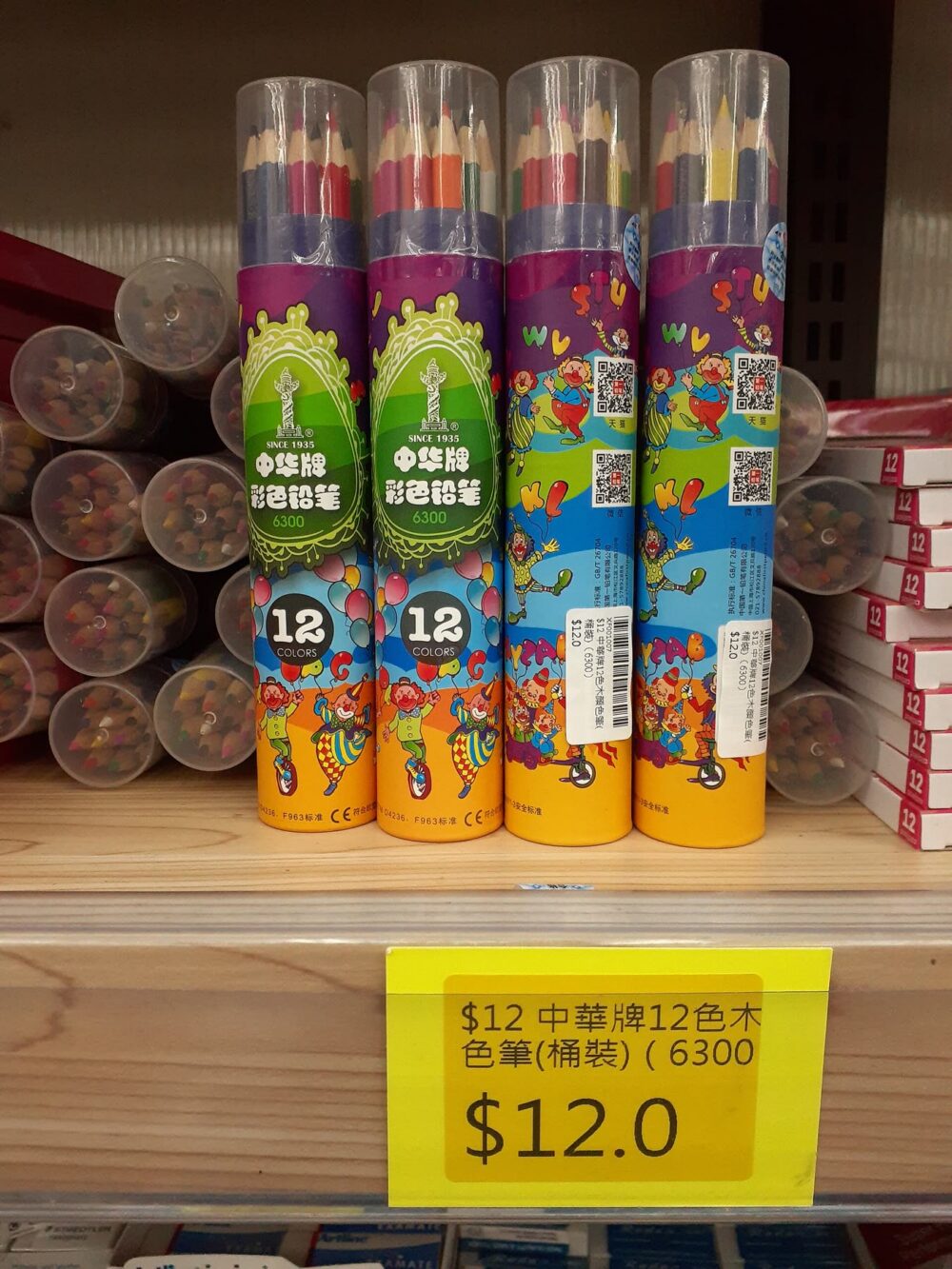
Online pen and pencil sales are not dominated by a single “pen marketplace.” Instead, the category is spread across specialist pen shops, big-box retailers, art-supply sites, brand-run stores, and global marketplaces. Your best option changes fast once you decide whether you want a couple of premium writing instruments, everyday student supplies, or bulk stock for a small online shop.
For US buyers, niche sites such as The Online Pen Company and EndlessPens focus on pens, pencils, and accessories. Mass retailers like Walmart and CVS sell school and office packs online. Popular art-supply chains like Blick Art Materials and Jerry’s Artarama (cited in DHgate editorial coverage) add drawing tools and sketching pencils. On top of all that, marketplaces such as Etsy and global sourcing platforms list everything from handmade pens to bulk promotional pencils.
How Online Pen and Pencil Sales Are Organized Today
If you’re searching “online pen and pencil sales,” you’re really looking at a mosaic of different platform types:
- Specialist pen retailers – The Online Pen Company and EndlessPens present wide ranges of fountain pens, rollerballs, mechanical pencils, and related accessories, often across many brands rather than general office supplies.
- Big-box and pharmacy chains – Walmart and CVS sell pens and pencils alongside general office and school categories, usually emphasizing multi-packs, value brands, and back-to-school assortments.
- Art-supply sites – DHgate’s blog cites Blick Art Materials and Jerry’s Artarama as prominent online art stores that carry pens, pencils, and sketching tools for artists and hobbyists.
- Brand-owned sites – Companies like Pentel and Caran d’Ache run official sites that showcase their own writing instruments and often offer direct purchase options.
- Online marketplaces – Platforms like Etsy host many independent sellers offering handmade pens, custom pencil sets, calligraphy tools, and niche art supplies.
- Global sourcing marketplaces – Sites such as Alibaba, Joom, and DHgate list bulk pen and pencil offers from overseas sellers, aimed at buyers looking for larger quantities or private-label options.
Pens and pencils are a low-ticket category, so you see them tucked inside bigger assortments: office supply, art, gifts, promotional products, and wholesale. That’s why the key decision isn’t “which pen site is best” but “which kind of platform matches what I’m trying to do.”
Retailers, Niche Shops, and Marketplaces: How Each Platform Type Works
Here’s how the main platform types differ in practice.
| Platform type | What it mainly sells | Who you buy from | Best for |
|---|---|---|---|
| Specialist pen retailer | Branded pens, pencils, inks, cases | Single retail business | Collectors, enthusiasts, gift buyers |
| Big-box / pharmacy site | General office & school supplies | Large retail chain | Everyday pens/pencils, quick restocking |
| Art-supply retailer | Drawing tools, sketching pencils, art kits | Art-focused retail business | Artists, designers, students in creative fields |
| Brand-owned site | One brand’s instruments and refills | The manufacturer | Authentic models, specific lines and refills |
| Handmade/niche marketplace | Handmade pens, custom sets, craft supplies | Independent sellers | Unique designs, personalized or small-batch items |
| Global sourcing marketplace | Bulk lots, OEM/private label stock | Many overseas suppliers | Small resellers, promo buyers, cross-border sourcing |
Specialist pen retailers operate like traditional online stores but focused on writing instruments. You’ll usually see category navigation by brand, nib size, pen type, and sometimes curated bundles or limited editions. Purchase flow is straightforward: you add to cart and check out with the retailer itself.
Big-box and pharmacy sites treat pens and pencils as commodity office products. On Walmart or CVS, they sit inside “Office” or “School” sections, with filters around color, count per pack, and basic brand choices. These sites are built for quick, repeat purchases rather than deep product education.
Art-supply retailers such as Blick Art Materials and Jerry’s Artarama, highlighted in DHgate’s editorial coverage of drawing supplies, weave pens and pencils into a broader creative toolkit. You’ll find technical pens, brush pens, graphite sets, colored pencils, and markers grouped by medium (drawing, illustration, lettering) rather than just “pens” vs. “pencils.”
Brand sites like Pentel or Caran d’Ache mainly exist to present the full range and brand story. They’re useful when you want a specific model or refill and want to confirm details straight from the manufacturer. Some products may be sold directly; others may link out to distributors.
Marketplaces such as Etsy are structurally different. They host many independent sellers under one search bar. If you type “fountain pen” or “mechanical pencil” into Etsy, you’ll see handmade items, custom engravings, vintage stock, and small-batch art supplies side by side. You’re not buying from “Etsy” the retailer, but from individual shop owners using Etsy’s platform.
Global sourcing marketplaces (Alibaba, Joom, DHgate and similar) are closer to a wholesale directory with cart functionality. Sellers list bulk lots of pens or pencils, often aimed at promotional use or resale. You browse by minimum order quantity, style, and features, then deal with individual suppliers.
If you’re comparing marketplace structures in more detail, the broader overview at Compare online marketplaces and shopping platforms is useful context.
Which Platform Fits Your Pen or Pencil Purchase Scenario?
The best platform changes once you define your situation. Here are common scenarios and how they line up.
1. You need everyday pens and pencils for home, school, or office
For basic ballpoints, gel pens, and #2 pencils in normal quantities, big-box or pharmacy sites are usually the most straightforward. Walmart and CVS organize multi-packs and school bundles with simple filters, and you’re shopping within a familiar checkout flow.
If you’re a parent or student buying supplies once or twice a year, it’s often easier to add pens and pencils to a larger order of household items from these chains rather than hunt specialty sites.
2. You’re a pen enthusiast or gift buyer seeking something specific
If you care about nib feel, brand heritage, or limited editions, specialist pen retailers make more sense. The Online Pen Company and EndlessPens devote their catalog and site design to writing instruments, so it’s easier to:
- Compare models from multiple brands in one place
- Browse accessories like converters, cases, and inks
- Understand small details that general office sites gloss over
Brand sites like Pentel or Caran d’Ache are useful if you already know the exact line you want and want product details or direct purchase options straight from the manufacturer.
3. You’re buying tools for art, sketching, or design work
For illustration pens, brush pens, technical liners, and high-grade colored or graphite pencils, art-supply retailers stand out. Blick Art Materials and Jerry’s Artarama, referenced in DHgate editorial lists of drawing-supply stores, curate sets by medium and skill level. That helps if you’re assembling a toolkit for a class, studio, or online art business.
Etsy can be a good complement here when you want handmade or niche items: custom calligraphy pens, small-batch ink, or unique pencil sets designed by independent artists.
4. You run a small ecommerce shop or need bulk pens/pencils for promos
If your main goal is sourcing quantity—say, stocking your own stationery store or ordering pens for events—you’ll likely move from retail sites to marketplaces and wholesaler-style options:
- Domestic route: Look for bulk packs from office or art suppliers that explicitly support business orders, or work with US-based distributors of brands like Pentel.
- Marketplace route for unique designs: Use Etsy to source small-batch pens or pencils from makers whose products you’ll resell under their brand.
- Cross-border sourcing route: Global marketplaces such as Alibaba, Joom, and DHgate can list bulk pen and pencil offers from overseas sellers, sometimes suitable for private-label or promotional use.
On those global platforms, your decision is less about the marketplace’s name and more about individual supplier fit: order quantities, customization options, and whether the specific listing matches your quality expectations. If you’re comparing DHgate to other cross-border marketplaces for broader categories, Compare DHgate with AliExpress, Alibaba and Temu and What DHgate is and how the marketplace works provide structural context.
For a small US ecommerce business, a practical pattern is often:
- Validate demand and pricing with domestic retail or distributor stock
- Introduce a few unique or handmade items via Etsy-style sellers
- Only then test cross-border bulk sourcing on marketplaces once you know which designs, price points, and quality levels actually sell.
That way, you use each platform type for what it’s good at—retail convenience, product depth, artistic range, or bulk sourcing—rather than forcing all of your pen and pencil needs through a single site.