
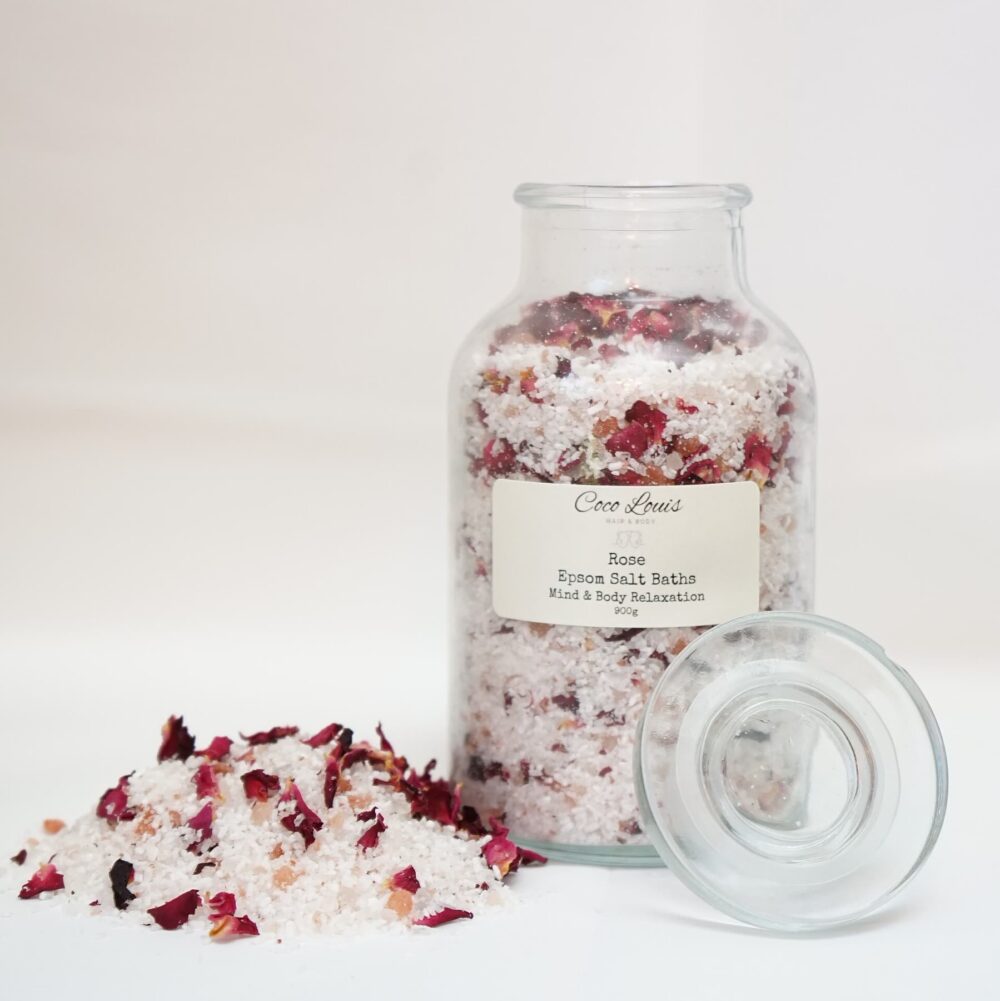
Walmart Canada is usually one of the cheapest and most convenient places to buy small bags of plain Epsom salt and branded bath blends, but it’s rarely the lowest-cost source per kilogram if you’re using a lot or blending products for resale. Bulk suppliers and warehouse clubs often beat Walmart on unit pricing for plain, unscented salt, while pharmacies and boutique brands beat it on premium positioning and margins.
For a Canadian household buying a couple of 1-2 kg bags at a time, Walmart tends to offer good value and lots of scented/commercial blends. For a small bath-salt business, the math changes: your profit lives in cost per kg, purity, and whether you’re buying plain salt or paying retail for pre-mixed branded products.
What matters when comparing Walmart Epsom & bath salts to other channels
Before you decide where to buy, you need to separate four things:
- Price per weight, not sticker price.
Bulk guidance on magnesium sulfate (Epsom salt) repeatedly stresses that buyers should look at cost per weight rather than package size alone, because larger packages usually carry a much lower per-unit price.Source That pattern shows up across Canadian retail too: a big 8-10 kg bag from a warehouse club or bulk supplier usually costs more upfront but less per kg than a 1-2 kg bag at Walmart or a pharmacy.
- Purity and grade.
Bulk suppliers point out that very cheap Epsom salt can trade off quality and purity for lower price, with potential impurities or lower magnesium sulfate content.Source For personal soaking, many people are comfortable with general-purpose or cosmetic-grade salt. For products you resell, you need to pay attention to any USP/food/medical-grade claims on the label and be realistic about what you’re paying for. Don’t assume all low-priced salt is identical.
- Product type: plain vs scented/commercial blends.
Plain Epsom salt is just magnesium sulfate crystals. Branded bath salts (think scented blends with oils, colors, or multiple salts) add convenience, marketing, and margin. Bulk suppliers highlight that buying plain salt and mixing your own blends is usually cheaper than buying commercial bath salts.Source Walmart leans heavily into those commercial blends, pharmacies stock a few, and bulk suppliers mostly sell plain salt.
- Pack size and use case.
Casual users might only want 1-2 kg at a time and value convenience. Heavy users, athletes, or small brands can burn through 10-25 kg quickly. For them, paying pharmacy or grocery prices per kg makes far less sense than moving up to club-size or true bulk.
Keeping those four levers in mind lets you compare Walmart against other channels fairly instead of just reacting to shelf price.
How Walmart’s prices and mix compare with other retailers and bulk channels
Anecdotal discussions and bulk-price guidance give a useful picture of how Walmart typically stacks up, especially when you convert prices to cost per kg.
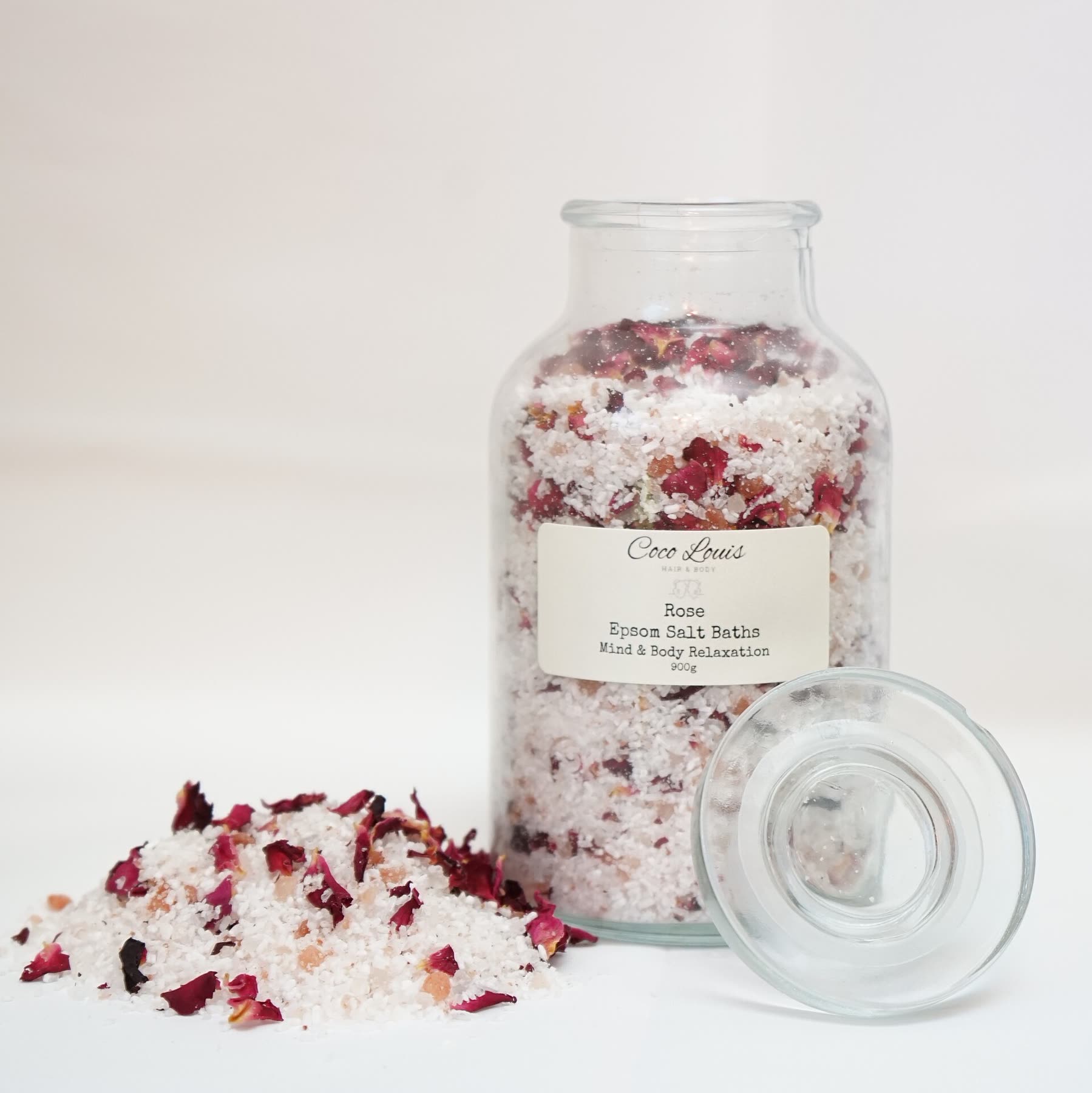
Plain Epsom salt: Walmart vs pharmacies and grocery
Community posts comparing US pharmacies and Walmart describe regular Epsom salt bags at Walmart around US$2.99 for a typical small bag, with commenters calling that significantly cheaper per kg than big-name pharmacies that might be closer to US$3-5 for similar sizes.Source That specific number is historic and U.S.-focused, but the pattern resonates in Canada:
- Walmart Canada tends to price store-brand Epsom salt noticeably lower than chain pharmacies on a per-kg basis.
- Pharmacies often charge a premium, especially for USP-branded or medical-medication-adjacent magnesium sulfate products.
- Grocery stores are hit-or-miss: some stock Epsom salt at mid-range prices, others don’t carry it consistently.
For a Canadian buyer picking up a 1-2 kg bag for a bath, Walmart is usually the better deal than a pharmacy, and often better than grocery, as long as you’re comfortable with store-brand cosmetic-grade salt.
Scented and branded bath salts
Historic forum discussions about Epsom salts note that scented commercial bags can jump to roughly US$8.99-9.99, with comments framing Walmart’s pricing that works out to around US$1 per pound as fair rather than cheap.Source Again, the numbers are older and U.S.-specific, but they highlight the dynamic:
- Once you move from plain salt to scented blends, price per kg goes up sharply.
- At Walmart, you’re often paying for fragrance, brand, and marketing as much as for magnesium sulfate.
- Pharmacies and specialty beauty retailers push this even further with premium brands.
If you’re a personal buyer who values scent and branding, Walmart offers a wide range of mid-priced scented salts—usually cheaper than boutique spa brands but not remotely bulk pricing.
If you’re a small business repackaging or reselling, buying scented retail bags at Walmart to flip online leaves very thin margins; you’re competing against buyers who can mix their own and against wholesalers who buy plain salt cheaply.
Warehouse clubs (Costco-style) and bulk suppliers
Warehouse clubs such as Costco are cited as selling Epsom salts that are made in Canada, positioned as bulk bags with lower unit cost than standard retail.Source While exact prices and grades vary, the pattern is clear:
- Large bags (often in the multi-kilogram range) spread fixed costs over more product, driving down the per-kg price.
- These products are usually plain, unscented salt aimed at general soaking or household use.
Bulk Epsom salt suppliers echo this: buying in bulk quantities typically lowers the per-unit price compared with smaller retail packs, especially when you skip fancy packaging and branding.Source
This is where heavy users and small brands gain real leverage. You might move from paying pharmacy-level prices that effectively look like US$8-10 per kg in older examples, down to something much closer to a fraction of that in bulk. The trade-off is bigger upfront spend, storage space, and the need to handle your own blending or packaging.
Quick channel snapshot
Here’s a simplified look at how channels usually stack up for Canadian buyers, based on anecdotal price examples and bulk guidance:
| Channel | Typical strength | Common weakness |
|---|---|---|
| Walmart Canada | Low price on small bags; lots of scented blends | Not the lowest per kg for heavy users |
| Pharmacies | USP/medical positioning; trusted brands | Highest per kg for plain salt |
| Grocery stores | Convenient add-on to regular shopping | Spotty assortment; mid-to-high pricing |
| Warehouse clubs | Large Canadian-made bags; strong per-kg value | Membership required; limited scented options |
| Bulk suppliers | Best per-kg pricing; control over purity/grade | Requires storage, repacking, and due diligence |
Use this as a directional guide rather than a current price list; shelf prices move with promotions and exchange rates.
Matching channels to Canadian buyer and small-business scenarios
How you buy Epsom and bath salts should follow how you actually use them. Here are the main scenarios where Walmart does or doesn’t make sense.
Casual soaker: 1-2 baths a week
If you’re taking occasional Epsom salt baths:
- A 1-2 kg Walmart bag of plain salt is usually your simplest, cheapest option.
- You can experiment with a few scented blends from Walmart’s bath aisle without committing to bulk.
- Pharmacies only really make sense if your doctor has specified a particular grade or brand.
In this case, bulk isn’t necessary unless you start using salt much more frequently.
Heavy user or household: multiple baths, sports recovery
For households using several kilograms a month:
- Walmart is still convenient, but your per-kg price starts to matter more than fragrance.
- A warehouse club bag or a bulk-order of plain salt often beats Walmart on unit cost once you’re regularly replenishing.
- You can keep a small scented Walmart bag on hand and mix it with cheaper plain bulk salt when you want fragrance.
The tipping point is when you notice yourself buying Epsom salt almost as often as you buy laundry detergent; that’s when it’s worth calculating per kg and exploring club or bulk channels.
Microbrand blending their own bath salts
For a small Canadian brand blending Epsom with sea salt, colorants, and oils:
- Plain bulk salt is almost always a better base than Walmart’s scented blends; you control scent and get better margins.
- You’ll want to compare bulk suppliers, including cross-border marketplaces, on cost per weight, stated purity, and review history rather than just top-line price.
DHgate, for example, is one cross-border marketplace where some sellers offer magnesium sulfate and bath-related ingredients in bulk. If you look there, treat it like any wholesale marketplace: compare cost per kilogram against Canadian bulk suppliers, check how clearly purity/grade is described, and dig into seller reviews before committing. For platform-specific policies or protections, you’ll need to consult DHgate directly rather than assuming they match other marketplaces; DHgateWiki focuses on helping you frame the decision, not guaranteeing outcomes.
If you prefer to stay domestic, Costco-style clubs and Canadian bulk suppliers let you pay in CAD, avoid cross-border logistics, and still drop your per-kg cost far below retail.
Reseller of branded bags
If your business plan is simply to resell branded Epsom or bath salts:
- Buying Dr Teal’s or similar brands at Walmart for resale usually leaves thin margins after fees and shipping.
- Pharmacies and grocery stores rarely offer wholesale-friendly pricing on branded bath items.
In this scenario, your best chance is negotiating directly with distributors or finding B2B suppliers that carry the brands you want, instead of relying on Walmart’s retail pricing.
For most Canadian households, the answer is simple: Walmart is a solid first stop for Epsom and bath salts. As soon as you’re using enough that cost-per-kilogram matters—or you’re turning salt into a product—warehouse clubs and bulk suppliers start to look more attractive, with cross-border marketplaces sitting in the mix for brands willing to do extra homework.