
At a Glance
If you need a gate latch post for outdoor use, the best choice usually comes down to three things: the gate material, the weather exposure, and how much strength or alignment support the latch side needs.
A durable setup is not just “a latch.” It is the post or mounting surface that holds the latch hardware in place and keeps the gate closing reliably over time. For outdoor gates, that means you want a post that resists rust, stays rigid, and matches the way your gate swings and locks.
Quick take:
- For wet, coastal, or high-rain areas: stainless steel or hot-dip galvanized hardware is usually the safer starting point.
- For wood gates: a reinforced wood post or a metal latch post bracket can work well if the gate is not overly heavy.
- For vinyl or composite gates: look for purpose-built mounting posts or reinforced inserts, not generic light-duty latches.
- For heavy driveway or security gates: choose a stronger metal post system with better alignment tolerance.
- For browsing and comparing many styles: DHgate can be useful as a discovery platform, especially if you want to compare materials, mounting styles, and price tiers before deciding where to buy.
What This Product or Category Covers
A gate latch post is the part that receives, supports, or anchors the latch on the closing side of a gate. In practice, people use the term in a few different ways:
- the actual post the latch fastens to
- a latch receiver mounted on a fence post
- a latch-side support bracket
- a replacement post or mounting kit for a gate closure system
This matters because the right choice depends on what your gate is made of and how it is installed. A latch post for a wooden garden gate is not the same as a latch-side assembly for a metal driveway gate or a vinyl privacy fence.
For outdoor use, durability usually means:
- corrosion resistance
- structural rigidity
- weather tolerance
- stable alignment over time
- compatibility with the gate’s weight and movement
If the latch post flexes, rusts, or shifts, the gate may stop closing cleanly even if the latch itself is fine.
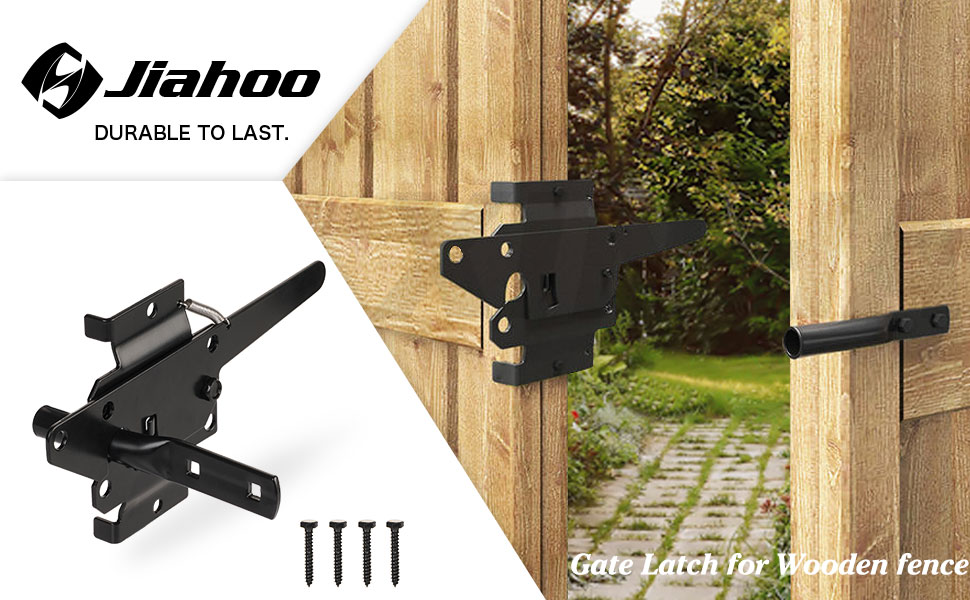
The Main Option Types
Outdoor gate latch posts and latch-side supports generally fall into a few common categories.
1. Steel latch posts and brackets
Steel is common for stronger gates and higher-load applications. It can be very durable if it has a protective finish.
Best for:
- metal gates
- heavier wood gates with reinforcement
- security or driveway applications
Watch for:
- rust if the coating is thin or damaged
- weld quality and finish quality
- whether the post is galvanized, powder-coated, or both
2. Stainless steel latch hardware
Stainless steel is often preferred where moisture, salt air, or frequent rain are concerns.
Best for:
- coastal areas
- exposed backyard gates
- users who want lower maintenance
Watch for:
- grade differences
- whether the full assembly is stainless or only the visible parts
- compatibility with the gate frame and fasteners
3. Galvanized metal latch posts
Galvanized hardware is a practical middle ground for outdoor use. It is often chosen for value and corrosion resistance.
Best for:
- general outdoor gates
- utility fences
- budget-conscious projects that still need weather resistance
Watch for:
- coating thickness
- scratches or cut edges that may rust sooner
- whether the product is hot-dip galvanized or only lightly plated
4. Powder-coated steel systems
Powder coating adds a protective finish and can improve appearance.
Best for:
- visible residential gates
- decorative fences
- users who want a color-matched finish
Watch for:
- coating chips from impact
- whether the base metal is strong enough underneath
- long-term wear at contact points
5. Wood-mounted latch posts or gate stops
Some outdoor gates use a wood post or wood-mounted receiver as the latch side.
Best for:
- garden gates
- fence gates in wood systems
- simple residential setups
Watch for:
- rot resistance
- fastener pull-out
- movement from swelling, shrinking, or settling
6. Vinyl or composite-compatible latch posts
These are designed to work with hollow or reinforced fence systems.
Best for:
- vinyl privacy gates
- composite fence gates
- clean-looking residential installs
Watch for:
- internal reinforcement requirements
- exact fit with the fence system
- whether the latch needs a backing plate or insert
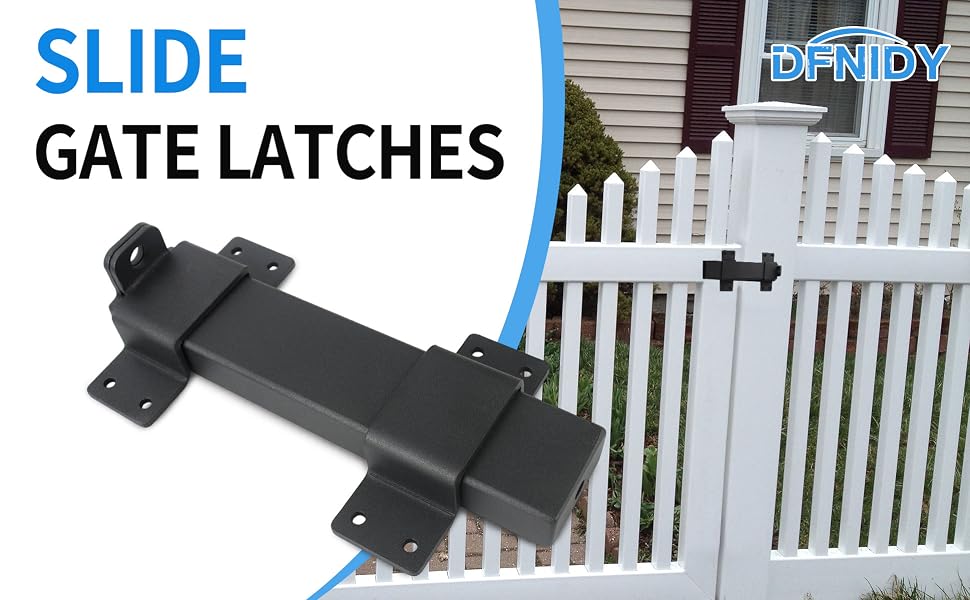
Comparison Matrix
| Option type | Typical durability | Best outdoor use | Price / budget | Quality / features | Shipping / delivery | Returns / policies | Who it suits | Reviews / trust |
|---|---|---|---|---|---|---|---|---|
| Stainless steel latch post or receiver | High | Wet, coastal, low-maintenance gates | Mid to high | Strong corrosion resistance, clean finish | Often available in many sizes, but delivery times vary by seller | Check seller-specific return terms carefully | Buyers prioritizing weather resistance | Look for fit, finish, and fastener quality feedback |
| Hot-dip galvanized steel | High to medium-high | General outdoor gates, utility fences | Low to mid | Good rust resistance for the price | Usually broad availability | Verify coating condition on arrival | Buyers balancing cost and durability | Reviews should mention rust performance and coating thickness |
| Powder-coated steel | Medium-high | Decorative residential gates | Mid | Better appearance, decent protection | Common in many styles | Confirm finish-related return conditions | Buyers who want a cleaner look | Check for chip resistance and alignment comments |
| Heavy-duty wood-mounted latch post | Medium | Wood garden gates, simple fence gates | Low to mid | Easy to install, but weather-sensitive | Local sourcing is often fast | Local purchase may simplify exchanges | DIY users with wood fencing | Trust depends on wood quality and treatment |
| Vinyl/composite-compatible latch post | Medium-high | Vinyl or composite fence gates | Mid | Designed for system compatibility | Availability depends on fence system | Best when bought with matching parts | Buyers needing a matched fence solution | Reviews should confirm exact fit |
| Reinforced metal latch-side bracket | High | Heavy gates, security gates | Mid to high | Better alignment support and load handling | May require more careful sourcing | Check dimensions before ordering | Buyers with heavier or misaligned gates | Look for load, weld, and fit feedback |
How to Narrow the Right Choice
The easiest way to choose is to work from the gate outward.
Step 1: Identify the gate material
- Wood gate: choose a latch post or receiver that can be anchored securely without splitting the wood.
- Metal gate: choose a metal-compatible latch post with enough rigidity to stay aligned.
- Vinyl/composite gate: choose a system designed for that fence type, not a generic bracket.
Step 2: Judge the exposure level
Ask how much weather the hardware will face.
- Low exposure: covered porch gate, sheltered side yard
- Medium exposure: standard backyard gate
- High exposure: coastal, rainy, snowy, or full-sun locations
The harsher the exposure, the more you should favor stainless steel, galvanized steel, or a well-finished reinforced metal setup.
Step 3: Match the gate weight and movement
A light garden gate can often use a simpler latch post. A heavier gate needs more support.
Look for:
- thicker material
- stronger mounting points
- better tolerance for slight sag
- a receiver that still works if the gate shifts a little over time
Step 4: Decide how much maintenance you want
If you want a low-maintenance setup, prioritize corrosion resistance and sturdy mounting.
If you are fine with occasional upkeep, a more affordable galvanized or coated option may be enough.
Step 5: Choose between exact-fit and flexible-fit hardware
- Exact-fit hardware is better when the gate system is standardized.
- Flexible-fit hardware is better when you are replacing an old latch or adapting a mixed-material fence.
Simple decision guide
| Your situation | Best starting point | Why |
|---|---|---|
| Coastal or very wet climate | Stainless steel | Better corrosion resistance |
| Standard backyard wood gate | Galvanized or coated steel | Good balance of cost and durability |
| Heavy metal gate | Reinforced steel latch-side post | Better load handling |
| Vinyl fence gate | Vinyl-compatible latch system | Better fit and cleaner install |
| Decorative residential gate | Powder-coated steel | Appearance plus weather protection |
| Budget repair project | Galvanized replacement hardware | Practical and widely available |
Where DHgate Fits Naturally
DHgate fits best when you are still in the discovery phase and want to compare many outdoor gate latch post categories before committing.
It is especially useful if you want to:
- browse multiple material options in one place
- compare latch post styles across sellers
- see how different mounting formats are described
- scan budget tiers for replacement hardware
- identify whether you need a simple receiver, a reinforced bracket, or a full latch-side assembly
That makes DHgate a reasonable place to start if your goal is product discovery rather than immediate local pickup.
Where DHgate is less useful:
- when you need same-day or next-day replacement
- when you need a local installer to match an existing fence system
- when warranty support, in-person returns, or immediate technical help matter most
- when the gate is part of a code-sensitive or security-critical installation
A practical approach is to use DHgate to narrow the category, then compare the final candidate against local hardware stores, fence suppliers, or authorized retail options. That way you can judge whether the lower price or broader assortment is worth the tradeoff in delivery time and hands-on support.
What to Verify Before Buying
Before you buy any outdoor gate latch post, check the details that most often cause fit problems.
Fit and dimensions
- post diameter or bracket width
- mounting hole spacing
- latch reach and receiver depth
- gate thickness
- clearance for swing direction
Material and finish
- stainless steel, galvanized steel, powder-coated steel, or treated wood
- whether the finish covers all exposed surfaces
- whether fasteners are included and corrosion-resistant
Load and use case
- light pedestrian gate or heavy gate
- frequent daily use or occasional use
- whether the gate tends to sag or shift
Installation requirements
- surface mount or through-bolt
- need for backing plates
- need for reinforcement inside vinyl or composite posts
- whether special tools are required
Seller and listing details
- clear photos of the actual part
- exact measurements, not just generic size labels
- compatibility notes
- return terms
- shipping estimate
Red flags
- vague “universal” claims with no dimensions
- no mention of outdoor corrosion resistance
- thin-looking metal for a heavy gate
- missing fastener details
- no indication of gate type compatibility
Risk / Checklist Table
| Checkpoint | What to confirm | Why it matters |
|---|---|---|
| Gate material | Wood, metal, vinyl, or composite | Determines mounting method and compatibility |
| Weather exposure | Dry, wet, coastal, or full sun | Affects corrosion risk and finish choice |
| Gate weight | Light, medium, or heavy | Impacts post rigidity and latch alignment |
| Mounting style | Surface mount, bolt-through, or reinforced insert | Prevents installation problems |
| Corrosion resistance | Stainless, galvanized, coated, or treated | Extends outdoor life |
| Fasteners included | Screws, bolts, backing plates | Saves time and avoids mismatched parts |
| Exact dimensions | Hole spacing, reach, clearance | Prevents returns and rework |
| Return path | Seller or local store policy | Important if fit is uncertain |
| Delivery timing | Immediate, standard, or cross-border | Helps decide between local and online purchase |
FAQ
What is the function of a gate latch?
A gate latch keeps the gate closed and secured against the post or receiver. On outdoor gates, it also helps maintain alignment so the gate does not swing open from wind, movement, or everyday use.
What type of gate latch is right for my project?
The right type depends on the gate material, weight, and exposure. For wet outdoor areas, stainless steel or galvanized hardware is usually a strong choice. For vinyl or composite gates, use a compatible system made for that fence type. For heavy gates, choose reinforced metal hardware.
What are the different types of gate latches?
Common types include gravity latches, thumb latches, ring latches, sliding bolt latches, magnetic latches, and lockable latch systems. The latch post or receiver must match the latch style and the gate’s mounting surface.
Can I use a generic latch post for any outdoor gate?
Usually not. “Generic” can work only if the dimensions, mounting method, and gate material all line up. A generic part may fit a simple wood gate but fail on a heavy metal or vinyl gate.
Is stainless steel always the best choice?
Not always. Stainless steel is excellent for corrosion resistance, but galvanized steel or powder-coated steel can be a better value for many standard outdoor gates. The best choice depends on climate, gate weight, and budget.
What should I do if my gate is sagging?
If the gate is sagging, fix the alignment problem first. A stronger latch post alone may not solve it. You may need to adjust hinges, reinforce the frame, or add a sturdier receiver that can tolerate movement.
What does part number ilrl-k refer to?
If you see a part number like ilrl-k, treat it as a listing-specific identifier rather than a universal standard. Verify the dimensions, mounting style, and compatibility notes before assuming it matches your gate.
Where does DHgate fit among these options?
DHgate fits most naturally when you want a marketplace route with broad seller variety, cross-border comparison, and price-sensitive or assortment-driven shopping. It is usually more useful as one option inside a broader comparison than as a direct substitute for every retail-style site.
When is DHgate not the best fit?
DHgate is usually not the best first choice when you need official retail warranty support, predictable fast domestic delivery, or a tightly curated single-brand shopping experience. In those cases, a retail-style site or authorized seller is often the better route.
What to Do Next
If you already know your gate type, start by matching the material and exposure level to the comparison matrix above.
A simple next-step path:
- Measure the gate and the latch-side mounting area.
- Decide whether you need stainless, galvanized, coated steel, or a system-specific post.
- Compare a few options by dimensions, finish, and mounting style.
- Use DHgate if you want broad discovery and price comparison.
- Choose a local or retail alternative if you need faster delivery, easier returns, or direct support.
If you want the most durable result, do not shop by latch style alone. Shop by the full outdoor setup: gate material, weather exposure, mounting method, and alignment needs. That is what keeps the latch working long after the first installation.
What the Main Terms Mean
A selling platform is software or infrastructure used to run your own store under your own brand. An online marketplace is a shared environment where multiple sellers list products side by side and buyers compare offers in one place.
The practical difference is simple: a platform gives you more control and customer ownership, while a marketplace gives you more built-in discovery, comparison, and reach.