
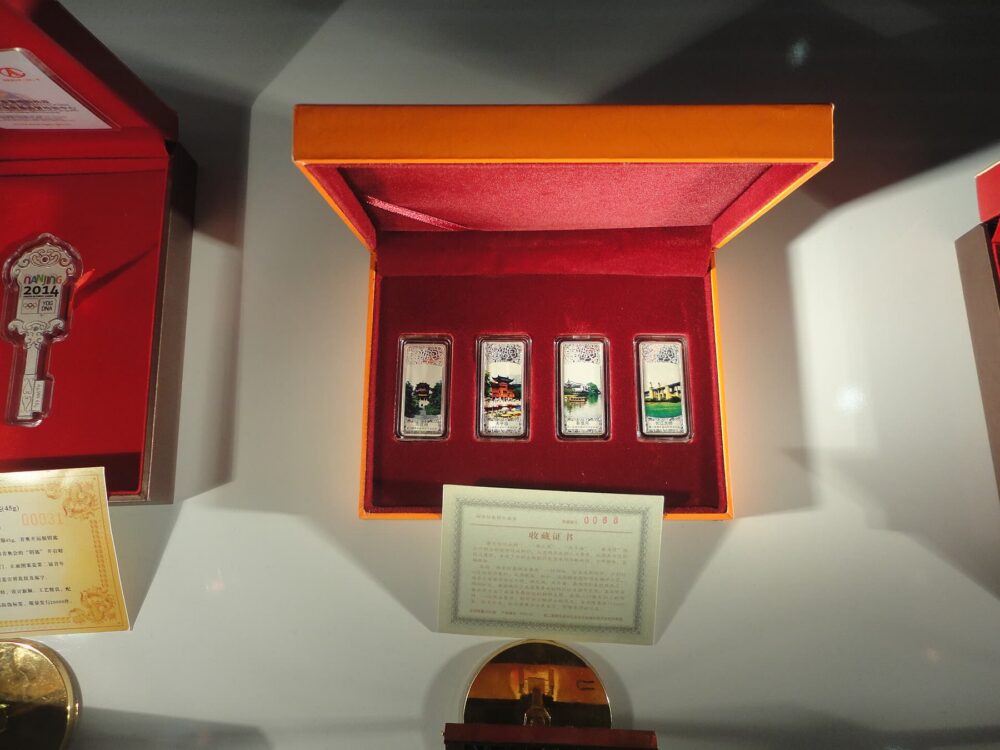
For a Canada-based buyer, the best way to compare Diwali coins and precious metals is to treat them as a specific product category, then look at several channels side by side. Start with Canadian options like TD Precious Metals gift rounds, Royal Canadian Mint specialty coins, and AU Bullion’s Diwali range, then layer in social platforms and global marketplaces. Standardize weight (grams or ounces), purity (e.g., 22k vs 24k gold), and total landed cost (metal price + premium + shipping + taxes/duties) so you’re comparing like for like, whether you’re buying one coin as a gift or sourcing a small batch to resell.
What Diwali Coins and Precious Metals Actually Are
Buying gold or silver during Diwali and especially Dhanteras is a long-standing practice in Hindu communities, associated with prosperity and good luck rather than a strict investment strategy. People often choose coins, small bars, or medallions because they’re easy to gift, share, and store.
Diwali coins sit at the intersection of culture and commodity. Gold and silver are precious metals valued globally as materials and as tradable commodities, but around Diwali they’re often presented in festival-specific formats:
- Bullion coins or rounds themed for Diwali – for example, TD Precious Metals lists Diwali-branded silver rounds and small gold bars in its gifts section, and the Royal Canadian Mint has issued coins celebrating Diwali as a festival of lights, with themed artwork rather than generic designs.
- Medallions and bars with religious motifs – goddess Lakshmi, diyas, or other symbols, sold by bullion dealers such as AU Bullion’s Diwali category aimed at cities like Brampton and Mississauga.
- Generic bullion used as Diwali gifts – standard maple leaf coins, bars, or rounds that aren’t explicitly labeled “Diwali” but are bought for the occasion.
The key distinction for your comparison: some products are investment-grade bullion (clearly marked weight and purity, closer to metal spot price), while others are collectible or gift medallions where design and branding add a higher premium. You’ll want to know which type you’re looking at before judging price.
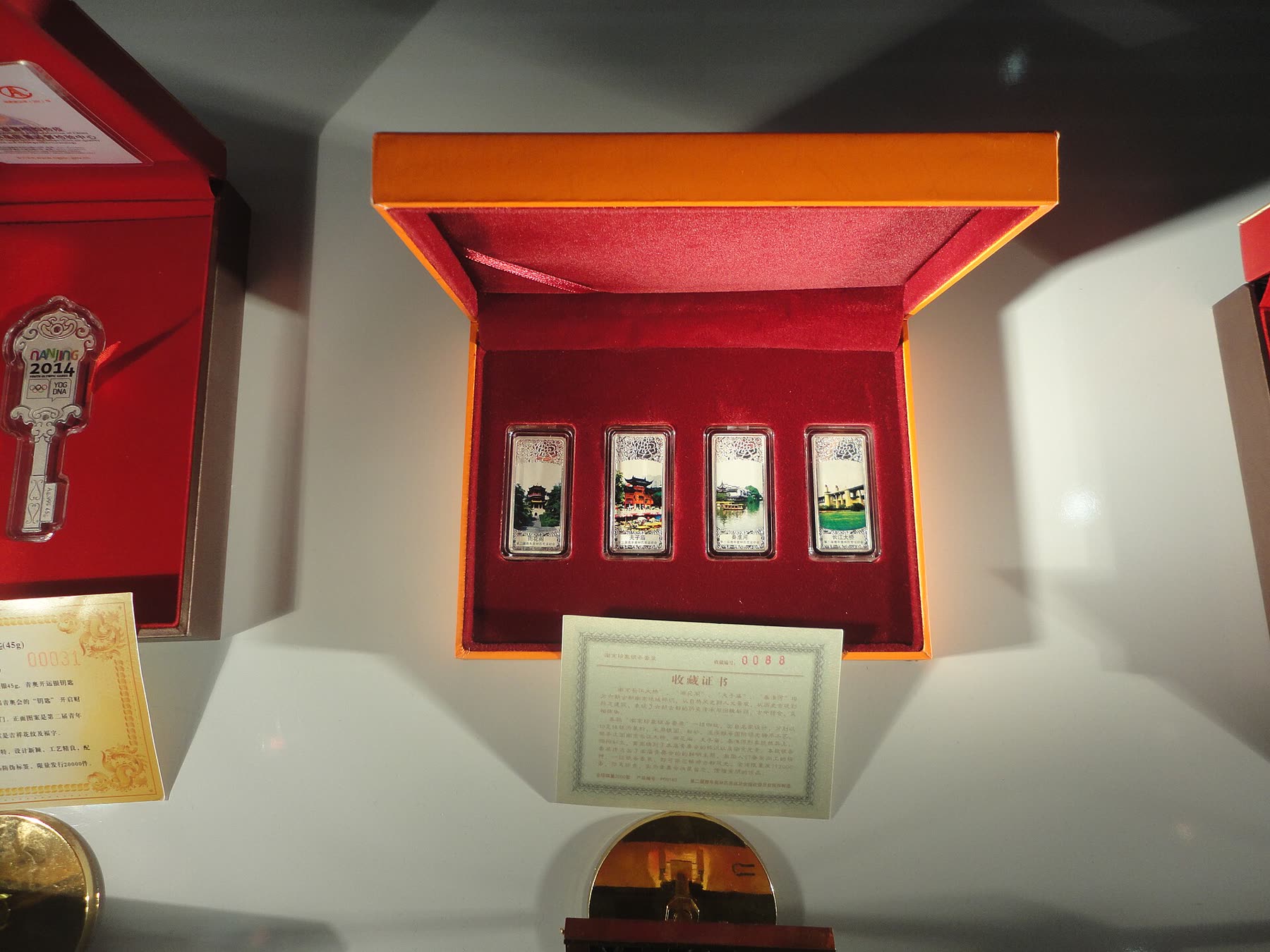
Key Factors to Compare Before Choosing a Diwali Coin Channel
To compare Diwali coins across major retailers, you need to make each listing fit the same yardstick. For Canadian buyers and small ecommerce sellers, these are the practical dimensions to line up:
Weight and unit Always convert to a common unit: grams or troy ounces. A 1 oz silver round from TD, a 10-gram AU Bullion piece, and a fractional gold bar on a global marketplace can look similar in photos but represent very different amounts of metal.
Purity and metal type Check whether the item is gold or silver, and what purity it carries (e.g., 24k/999, 22k/916, 999 silver). A Diwali gift coin might be sterling silver or a lower-karat gold alloy, while a mint-issued bullion coin is typically high-purity. Purity directly affects how fair the price is versus the metal content.
Design and theme Festival branding, Lakshmi imagery, bilingual inscriptions, or Royal Canadian Mint-level artistry all add non-metal value. A TD Diwali silver round or a Mint Diwali coin will usually carry a higher premium than a plain bullion round of the same weight.
Premium over metal content Estimate the underlying metal value using public spot prices, then see how much each retailer charges above that. That extra amount covers design, minting, distribution, and profit. Comparing premiums is more meaningful than comparing sticker prices alone.
Shipping, taxes, and cross-border costs For Canadian buyers importing from abroad, you’ll pay more than the listed price. Alongside shipping, you may face sales tax, customs processing, or import duties depending on the package and declaration. When you stack channels against each other, think in terms of landed cost: product price + premium + shipping + taxes/duties.
Authenticity and seller transparency Banks and mints usually provide clear specifications and certificates. Bullion dealers often show product details and, sometimes, brand names for the blanks they sell. Social platforms and global marketplaces require more hands-on checks: detailed photos, clear metal markings, and some history of satisfied buyers.
A simple comparison worksheet can help:
| Factor | What to write down for each listing |
|---|---|
| Weight & unit | e.g., 1 oz, 10 g, 1 g |
| Purity & metal | e.g., 24k gold, 999 silver, 925 silver |
| Type | Bullion coin/round, gift medallion, specialty mint coin |
| Listed price | The price in CAD or converted from other currency |
| Shipping & estimated tax | Shipping quote plus a rough tax/duty estimate for Canada |
| Total landed cost | Sum of the above; use this to compare channels fairly |
Once you have a few rows filled in for TD, the Royal Canadian Mint, AU Bullion, and any marketplace sellers, price differences and value gaps become much clearer.
How Major Channel Types Stack Up for Canadian Diwali Coin Buyers
Canadian Diwali coin shoppers effectively choose between domestic institutional channels, specialist bullion dealers, social marketplaces, and global platforms. Each serves a different use case.
1. Canadian banks and their precious metals programs TD Precious Metals is a good example: its gifts category includes Diwali-branded silver rounds and small gold bars. Strengths here are clarity (clear weight and metal specs), established brand, and easy payment for Canadian residents. You’ll usually pay a noticeable premium for the Diwali design and bank brand, but you get straightforward product details and domestic shipping.
Best for: individual gifters who want a simple, recognizable Diwali piece with minimal hassle.
2. Royal Canadian Mint and official specialty coins The Royal Canadian Mint has released coins celebrating Diwali, highlighted by outlets like CoinWeek. These tend to be high-quality, artistically rich coins with defined mintages and strong cultural themes. They behave more like collectibles than raw bullion: excellent for a keepsake or premium corporate gift, less ideal if your priority is metal weight at the lowest possible premium.
Best for: keepsakes, corporate or community gifts, and buyers who value artistry and official Canadian branding.
3. Canadian bullion dealers with Diwali focus AU Bullion promotes a dedicated Diwali product category featuring Diwali silver and gold coins and gifts marketed to communities in cities like Brampton and Mississauga. Dealers in this segment typically offer a mix of:
- Diwali-branded medallions and bars from various manufacturers
- Standard bullion pieces that can be used as Diwali gifts
You may find more variety in designs and weights than at a bank, plus the opportunity to compare generic bullion versus themed medallions in one place. Access can occasionally be limited, as suggested by some “access temporarily restricted” pages on AU Bullion’s site, so you might need to browse at different times or contact support if you hit a wall.
Best for: buyers who want choice and potentially sharper bullion pricing, and small resellers assembling a Diwali product lineup for local customers.
4. Social platforms and local jewelers promoting Diwali coins Facebook and Instagram posts from jewelers and wholesalers routinely advertise Diwali gold and silver coins, sometimes highlighting “wholesale price” offers or local pickup in Canadian cities like Montreal. This channel can reveal:
- Unique designs tailored to a local diaspora community
- Informal bulk offers for multiple coins
Trade-offs are higher verification effort (you’re judging an individual jeweler or small business), less standardized specs, and more manual work to calculate landed cost and purity. You’ll want to ask for clear photos of hallmarks, exact weight, and purity details before comparing prices with more formal retailers.
Best for: community-driven purchases, last-minute gifts, or small resellers who prefer local relationships and flexible negotiation.
5. Global marketplaces and cross-border sourcing Global platforms expand your choices well beyond Canada. You’ll see Diwali-themed coins and gift sets across a range of weights and designs, sometimes at prices aimed at wholesale or bulk buyers. Sites like DHgate, alongside other international marketplaces, can surface varied festive coin listings, but you have to do more work:
- Compare specs carefully against Canadian channels using the weight/purity/premium framework.
- Vet each supplier’s reputation and product descriptions rather than assuming platform-wide standards.
Global sourcing is attractive for small ecommerce businesses who want distinctive Diwali designs or lower per-unit costs, but only if they budget realistically for international shipping and possible duties and spend time checking sellers.
Best for: cross-border resellers building a differentiated Diwali catalog, or buyers comfortable with international purchases and multi-week logistics.
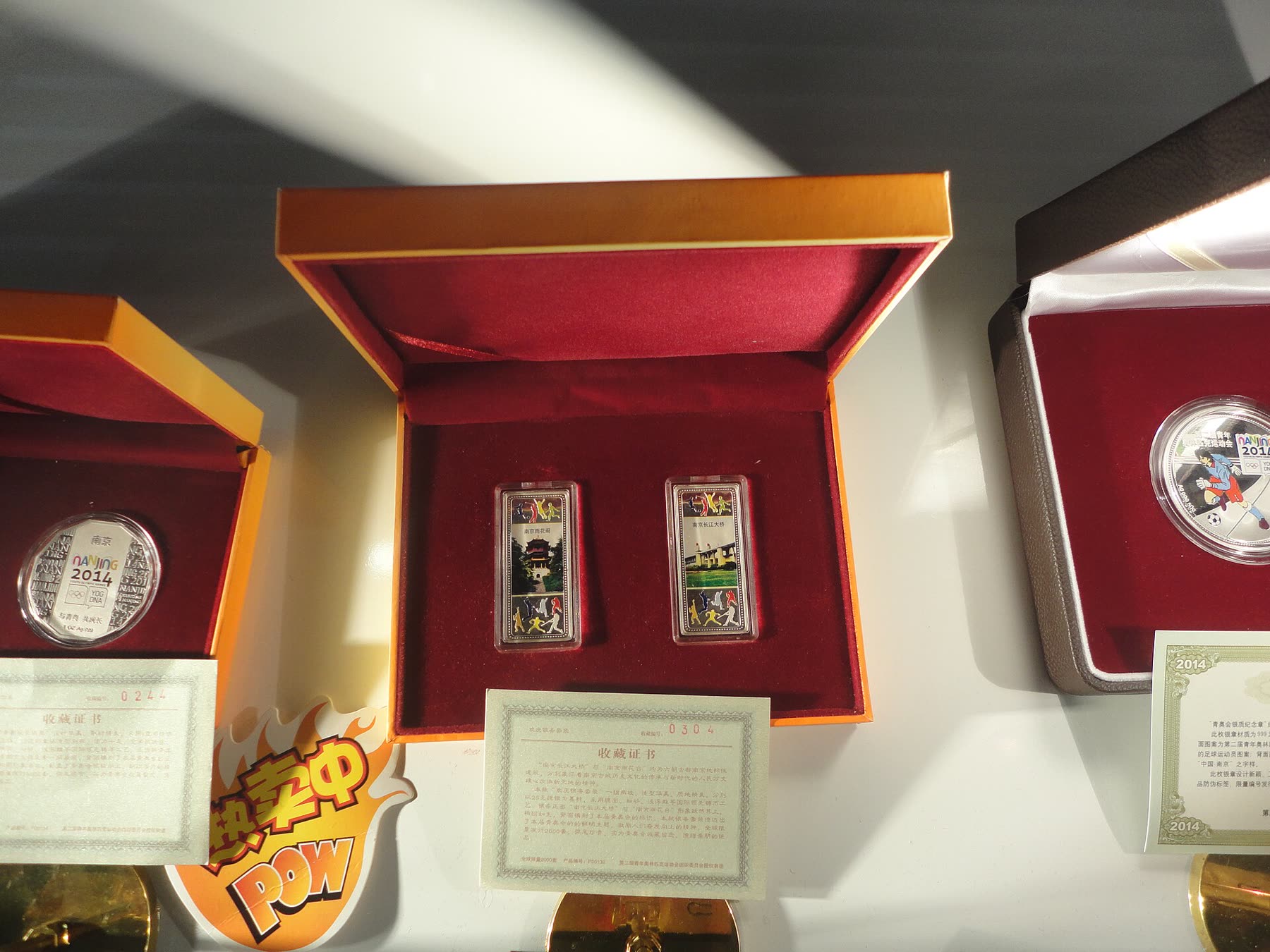
Matching channels to your own Diwali coin plan
- Single-family gifts in Canada: Start with TD Precious Metals and Royal Canadian Mint offerings, then compare a couple of bullion dealers for more budget-friendly options at the same weight and purity.
- Local resale or pop-up shop: Use Canadian bullion dealers (including Diwali-focused categories) as your baseline, add quotes from local jewelers found via social platforms, and only bring in global marketplaces if the landed cost and design variety clearly beat domestic options.
- Cross-border dropshipping or ecommerce: Build a spreadsheet comparing Canadian bullion sources and global listings, normalize by gram and purity, and test a small order first to validate quality. Articles like Compare DHgate with AliExpress, Alibaba and Temu can help you understand how different global marketplaces stack up before you commit.
If you keep your comparison focused on grams, purity, design type, and total landed cost, you’ll get a clear sense of whether a TD Diwali round, an AU Bullion coin, a Mint specialty piece, a local jeweler’s offer, or a global listing is actually the best fit for your Diwali budget and your buyers.