
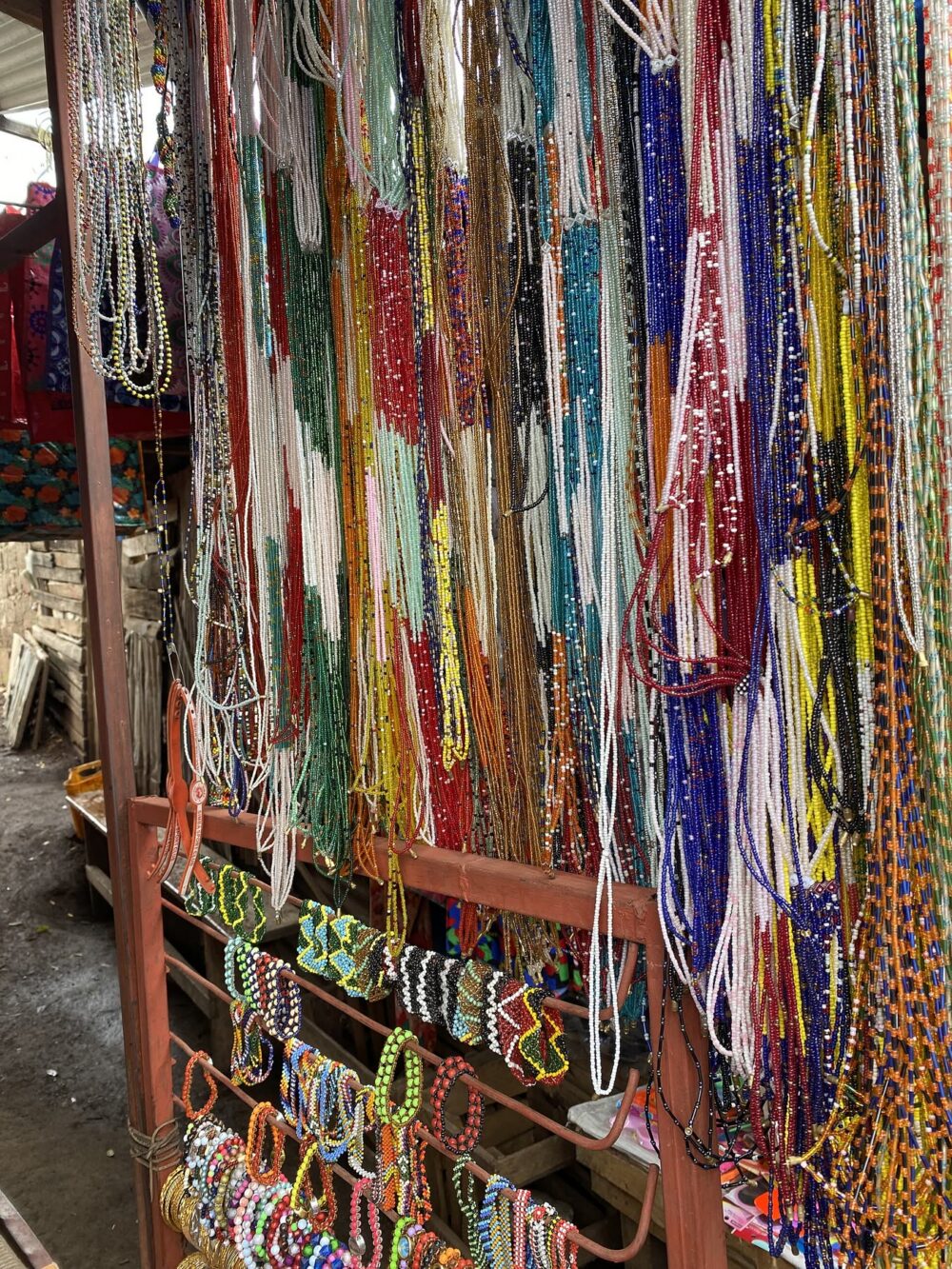
For beaded bracelets and bead jewelry, there isn’t one “best” site. You get better results by matching platform type to your goal. If you’re buying one refined gemstone bracelet, a jewelry-focused retailer is usually the right fit. If you’re building a handmade brand, a craft marketplace makes more sense. And if you’re a small Canadian ecommerce seller hunting for margin, wholesale or supplier marketplaces are often where the math works, once you factor in cross-border risks.
A beaded bracelet is simply a bracelet made by threading decorative beads—small objects with a hole through the center—onto cord, wire, or elastic, using materials like glass, wood, gemstones, or metal.Source Adult, polished bead jewelry has resurged as a fashion trend: designers now treat beads as sophisticated, stackable accents instead of kids’ craft supplies.Source That trend shows up differently depending on platform: sleek gemstone bead strands at jewelry retailers, artisanal bead‑and‑cord designs at boutique brands, mass-produced bead bracelets at mid-range stores, and bulk packs or components on wholesale marketplaces.
The Online Market for Beaded Bracelets and Bead Jewelry
The online bead jewelry market is layered. You’ll see:
- Jewelry retailers and brands selling finished bead bracelets.
- Handmade and artisanal platforms focused on unique, small-batch pieces.
- General retail marketplaces mixing fashion jewelry with low-cost beads.
- Wholesale and supplier marketplaces aimed at bulk buyers and resellers.
On the higher end, jewelry-focused sites like Blue Nile’s bead bracelet section frame bead bracelets as refined accessories—often gemstone beads paired with precious metals. These are positioned for stacking with other fine jewelry and priced accordingly. Canadian boutique brands, such as Bluboho’s bead & cord bracelets, lean into an artisanal, premium story: slim strands, symbolic charms, and a lifestyle-heavy presentation, all building perceived value.
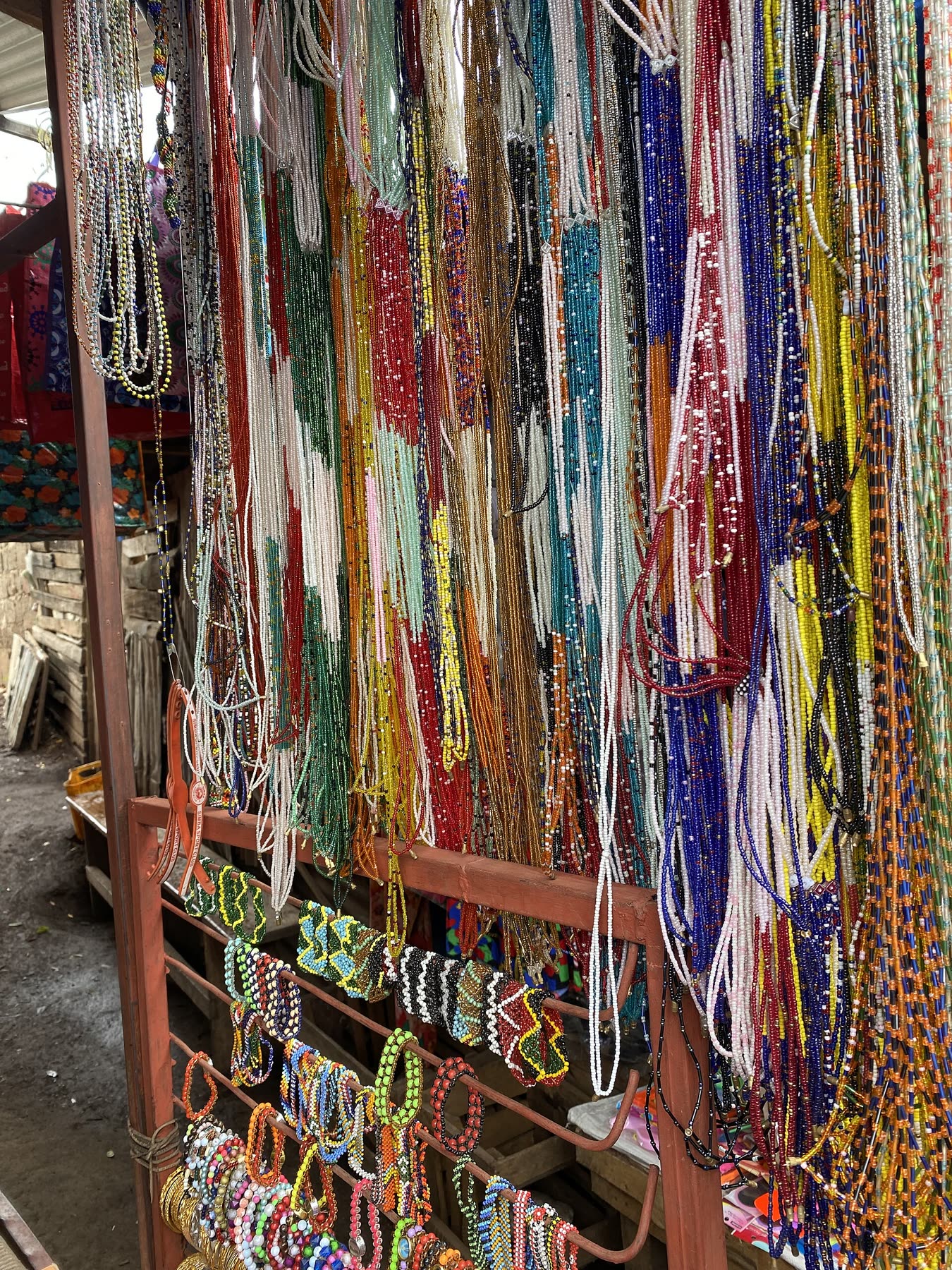
Mid-range online jewelry stores, like YFN’s beads bracelet collection, represent the mass-market layer: many SKUs, recurring patterns, and designs you could plausibly resell as part of a casual fashion catalog. At the same time, men’s style sites such as Trendhim’s bead bracelet filters show how beads are positioned for menswear—often matte black stones, minimal metal accents, and clear stacking guidance.
Behind all of this is a growing DIY and component market. Editorial content from DHgate and others highlights a wide range of bead bracelet designs—single-colour, multi-colour, charm-heavy, leather-and-bead hybrids, stretchy elastic strands, gemstone, and spiritual or mala-inspired bracelets—because those styles tend to move well in bulk and kits for both makers and resellers.
How Different Platform Types Handle Bead Jewelry
You interact very differently with bead jewelry depending on platform type.
1. Retail marketplaces and department-store style sites
General retail marketplaces (think large multi-category sites) and mid-range jewelry stores treat bead bracelets as catalog products:
- Listings are standardized: clear product photos, basic specs (material, color, length), and size options.
- Assortment leans toward mass-produced designs that can be reordered.
- Prices sit in a band that works for gifts and impulse fashion buys.
From a small ecommerce seller’s perspective in Canada, this channel is useful for test buys and inspiration. Ordering a single bracelet from a mid-range store like YFN lets you gauge what mainstream customers expect from a “standard” bead bracelet in terms of bead size, finish, and packaging before you build your own offer.
2. Handmade and artisanal platforms
Handmade platforms and independent brand sites focus on story and distinctiveness:
- Products emphasize hand-knotting, symbolism, or ethically sourced beads.
- Many designs, like Bluboho’s bead & cord bracelets, are thin strands meant to be layered.
- Pricing reflects limited runs and brand identity rather than just materials.
If you’re a maker, this is where you showcase intricate beadweaving, custom colour palettes, or mixed media (cord + beads + charms). You’re not competing on the lowest price per bracelet—you’re selling a narrative and craftsmanship that generic platforms can’t easily replicate.
3. Jewelry-focused retailers
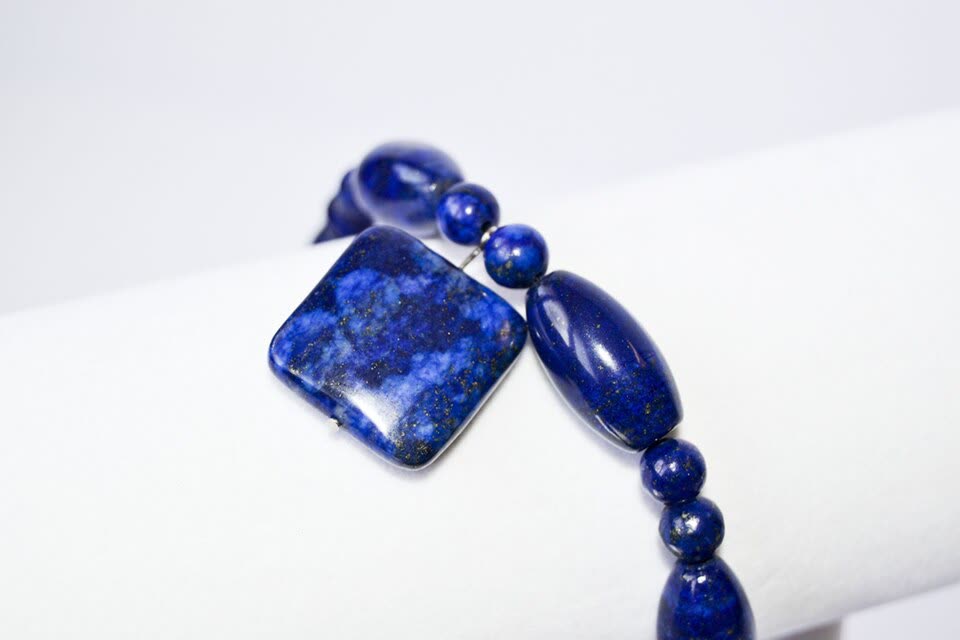
Jewelry-specific sites such as Blue Nile’s bead bracelet category occupy a refined, adult style niche:
- Gemstone beads and metals target customers who already buy fine jewelry.
- Designs tend to be minimal, polished, and clearly associated with outfits and occasions.
These platforms are helpful reference points if your brand aims upmarket. Study how bead size, spacing and metal accents are used to keep the bracelet feeling “grown up” rather than like craft-store output.
4. Wholesale and supplier marketplaces
Wholesale and supplier marketplaces (including some China-based platforms) support bulk buying and component sourcing:
- Listings may be for packs of finished bead bracelets, strings of loose beads, or DIY kits.
- Assortment often covers the popular designs highlighted in editorial content: single-colour strands, multi-colour stacks, charm bracelets, leather-and-bead combos, stretchy elastic bracelets, and gemstone options.
These sites serve Canadian resellers who care more about landed cost per unit and consistent supply than about brand story. You trade away retail polish for breadth and price flexibility.
Quick comparison: how platform types differ
Here’s a compact way to think about the major platform routes:
| Platform type | Typical bead styles | Buyer fit | Seller fit (small business) |
|---|---|---|---|
| Jewelry-focused retailers | Refined gemstone beads, metal accents | Personal buyers, gifts | Reference for quality/positioning |
| Handmade/artisanal sites | Bead-and-cord, symbolic, small-batch | Buyers who want unique, local feel | Makers building a brand, limited production |
| General retail marketplaces | Mass-produced fashion bead bracelets | Everyday fashion shoppers | Light resale, inspiration, small test buys |
| Wholesale/supplier sites | Bulk packs, components, trend-driven designs | Resellers, DIY hobbyists in volume | Margin-focused sourcing, private label |
Choosing the Right Platform for Your Beaded Bracelet Strategy
The best channel depends on your role and risk tolerance more than on any single site.
If you’re a Canadian hobbyist or personal buyer
- Want one or two polished bead bracelets to wear? Start with jewelry retailers (for refined gemstone strands) or boutique brands (for bead-and-cord designs with more personality).
- Curious about making your own? Use wholesale/supplier marketplaces and craft shops for beads and elastic, then follow tutorials on platforms like YouTube and Pinterest. Buying components instead of finished bracelets lowers cost and lets you match current colour and charm trends.
If you’re testing resale or a small online shop
Treat platforms as stages:
- Benchmark expectations: Order sample bracelets from a mid-range store such as YFN and look at men’s positioning on Trendhim. Note bead size, weight, clasp type, and how many bracelets they show in a stack.
- Define your niche: Decide whether you’re closer to artisanal (limited-release bead-and-cord pieces) or mass fashion (stretch gemstone stacks, charm beads, seasonal colours).
- Source appropriately:
- For small-batch, story-driven designs, focus on handmade platforms where you can also sell.
- For margin and volume, use wholesale and supplier marketplaces to source finished bracelets or components, then resell via your own site or general marketplaces.
DHgate, for example, operates as a cross-border marketplace connecting buyers to many independent suppliers of bead bracelets and components. It can be one option if you’re comfortable importing, but you still need to vet each seller and listing yourself—checking photos, descriptions, and whether the design (single-colour, charm, leather-and-bead, stretchy, etc.) actually matches what you plan to sell. For a deeper look at how platforms like this work overall, you can read What DHgate is and how the marketplace works and compare it to alternatives in our online marketplaces overview or DHgate vs. AliExpress, Alibaba and Temu.
If you’re building a bead jewelry brand
Your platform choice should follow your positioning:
- Aim for refined, adult bead jewelry similar to the pieces highlighted in Marie Claire’s trend coverage? Benchmark sites like Blue Nile for finishing details, then use supplier marketplaces for components while selling on your own site and select marketplaces.
- Want an artisanal, values-led line? Prioritize handmade platforms and boutique-style ecommerce. Use wholesale channels mainly for raw beads and cords, keeping assembly and design in-house.
In all cases, let your volume, margin target, and control needs decide the platform route. Retail marketplaces are ideal for exposure and testing, handmade sites for brand building, and wholesale/supplier marketplaces for cost control and scaling once you know which bead bracelet designs actually resonate with your customers.