
You can’t order Sonic’s blood orange drinks in a bottle from Amazon or any other marketplace, but you can get very close to the flavor by buying similar beverages and ingredients online. Sonic Drive-In, the fast-food chain, has offered blood orange drinks like the Blood Orange Recharger made with Red Bull (official menu listing) and blood orange cream slushes described on menu-tracking sites such as Sonic Prices. Those are made for on-premise service, not retail.
If your goal is to recreate the taste at home or stock something Sonic-style in a small ecommerce shop, your real decision is which platforms to use for blood-orange-flavored sodas, energy drinks, and syrups. Retail marketplaces like Amazon carry ready-to-drink options; supplier and wholesale platforms offer flavoring syrups; cross-border marketplaces can sometimes supply ingredients but raise food-safety and import questions.
What Sonic Blood Orange Drinks Are—and What You Can Actually Buy Online
Sonic has leaned into blood orange as a bold, slightly berry-like citrus flavor. The chain’s Blood Orange Recharger blends Red Bull with a blood orange flavor base and other mix-ins (Fast Food Post coverage). Social and menu-tracking content also shows formats like blood orange cream slushes, and fan recipes tweak Sonic-style slushes with real fruit or multiple syrups.
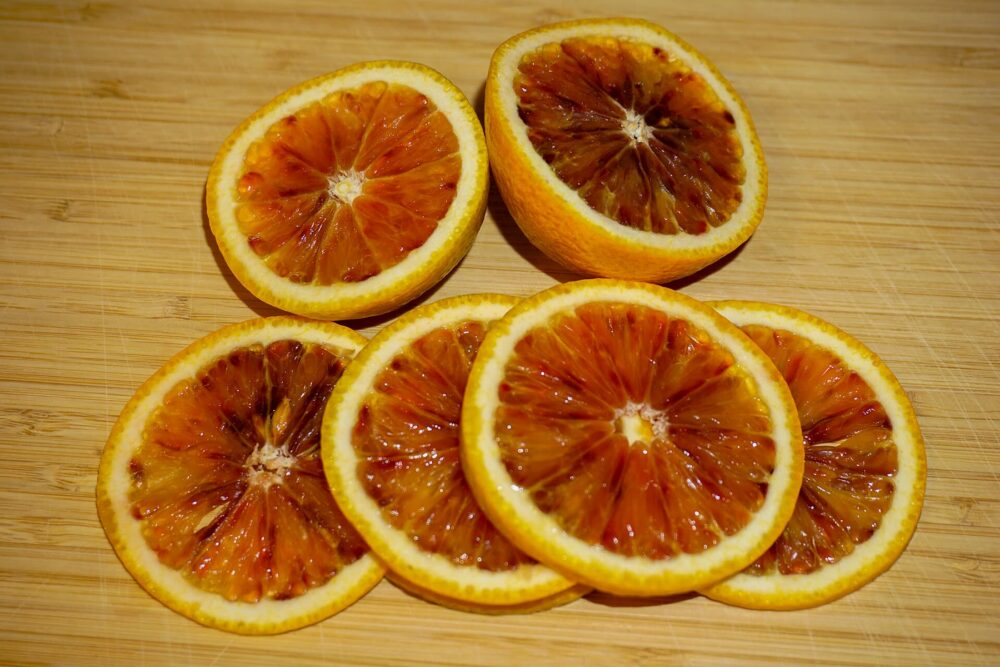
Blood orange itself is a variety of orange with deep crimson flesh and a taste that combines standard citrus with raspberry-like, almost berry notes (Wikipedia). That profile matters for sourcing: you’re looking either for products that explicitly say “blood orange” or for syrups and concentrates that combine orange and red-fruit notes.
What you cannot buy online:
- Sonic-branded Blood Orange Rechargers or cream slush mixes.
- Official Sonic flavor syrups or proprietary concentrates.
What you can buy:
- Blood-orange-flavored sodas and specialty soft drinks.
- Energy drinks and functional beverages in blood orange or similar citrus-berry flavors.
- Blood orange syrups, purees, and concentrates used in cafes and bars.
For example, Amazon lists third-party drinks like PERFY “Blood Orange Yuzu” soda (sample listing), which isn’t Sonic-branded but hits a similar bright, complex citrus note. Use those kinds of listings as building blocks rather than expecting a single “Sonic in a can” product.
Platform Types for Blood Orange Drinks and Ingredients
If you’re trying to recreate Sonic’s blood orange vibe, the platform type you shop on changes what you’ll find.
Retail marketplaces (Amazon, Walmart.com, Target.com)
These are consumer-facing sites aimed at single-case or small multi-pack purchases.
Typical blood orange options:
- Ready-to-drink sodas and Italian-style soft drinks (bundled in 6-24 packs).
- Functional and energy beverages with blood orange or similar flavors, like the PERFY example above.
- Some coffeehouse syrups and bar mixers when brands use retail channels.
They’re a strong fit if you:
- Want quick delivery and standard pack sizes for home mixing.
- Need to test a flavor before committing to larger quantities.
Wholesale marketplaces (B2B food-service distributors)
These focus on bulk purchasing for restaurants and cafes. They’re less visible in general search but matter if you’re mixing Sonic-style drinks at scale.
What they often carry:
- Large bottles of flavored syrups (blood orange, “sunrise” citrus blends, etc.).
- Frozen purees and concentrates used in slush machines and bar service.
- Multi-case packs of niche sodas.
You’ll usually see higher minimum order quantities and business registration requirements.
Supplier platforms and brand-direct sites
Some syrup and drink brands sell direct via their own sites or through supplier platforms that act as catalogs rather than open marketplaces.
These are useful for:
- Locking in a specific syrup brand for your signature recipe.
- Getting technical detail: flavor notes, recommended mixing ratios, and use cases.
For Sonic-style recipes, you might combine a blood orange syrup from a beverage supplier with standard energy drink cans bought from a retail marketplace, reproducing the “Recharger” idea in your own way.
Cross-border marketplaces
Cross-border marketplaces allow US buyers to order from overseas sellers. You may see beverage-related products like flavoring syrups, drinkware, and bar tools. Listings can look attractive for price, but importing consumables raises real questions about labeling, shelf life, and compliance.
If you go this route for ingredients rather than finished drinks, treat every listing as a starting point for careful verification, not a plug-and-play solution.
Choosing the Right Platform for Sonic-Style Blood Orange Recipes
Your best platform mix depends on whether you’re making drinks for yourself or building a small ecommerce offer around the flavor.
If you’re a home buyer recreating Sonic drinks
For personal recipes, prioritize convenience and clarity.
Suggested route:
- Use US retail marketplaces like Amazon, Walmart.com, or supermarket delivery sites to buy:
- Blood-orange or citrus-berry sodas.
- Energy drinks to stand in for Red Bull.
- Branded syrups marketed for home use.
- Supplement with specialty-syrup supplier sites if you want a more intense or specific blood orange note.
A simple Sonic-inspired recipe you can build entirely from retail platforms:
DIY Blood Orange “Recharger”-Style Drink (Home Version)
• 8 oz lemon-lime soda or sparkling water
• 4 oz canned energy drink
• 1-2 tbsp blood orange syrup (or a mix of orange and raspberry syrups)
• Ice
>
Stir syrup into the soda, add ice, top with energy drink. Adjust syrup to taste.
Here you’re using platforms to source ingredients, not chasing Sonic’s exact recipe.
If you’re a small ecommerce seller
You have a different set of decisions: flavor authenticity, supply reliability, and regulatory compliance. You’re not going to resell Sonic drinks, but you can sell Sonic-adjacent blood orange experiences.
A practical, platform-focused comparison:
| Goal | Best starting channel | How it works for this topic |
|---|---|---|
| List a “blood orange energy” bundle | US retail marketplaces for components, then your own shop | You buy recognizable sodas, energy drinks, and syrups, then package them as kits for your customers. |
| Offer house-made blood orange syrups | Supplier platforms or brand-direct syrup sites | You source larger bottles from beverage suppliers to produce consistent syrups you can sell under your own branding. |
| Explore niche imported syrups | Cross-border marketplace such as DHgate, with strong manual vetting | You may find a wider variety of beverage-related products, but you must verify ingredients, origin, and regulatory fit before treating anything as a consumable product. |
In the cross-border scenario, DHgate enters the picture as one example of a marketplace where sellers list many types of products, including some beverage-related items. For anything that could be consumed in the US—even a syrup used in drinks—you should independently check labels shown in listing photos, ask the seller about origin and ingredients, and make sure you understand your own obligations on food safety and imports before including the product in an offer.
Keeping platform choices grounded in your risk tolerance
For home experimentation, sticking with recognizable brands on US retail marketplaces keeps things simple and low risk. You can browse categories like blood orange soda, energy drinks, and cocktail syrups, then tweak recipes until they match your memory of Sonic’s drinks.
For resale, the safer starting point is building Sonic-style concepts from clearly labeled retail and supplier-channel products. Cross-border marketplaces are best treated as advanced sourcing tools for non-consumable items (glassware, straws, drink accessories) or as a research channel for future ingredient ideas, not as a casual source of food products.
If you’re just starting to explore marketplace models overall, it’s worth stepping back and understanding how different platforms work. The overview on online marketplaces and shopping platforms explains common structures, and the guide on what DHgate is and how the marketplace works can help you understand where cross-border marketplaces might sit in your broader sourcing plans.