
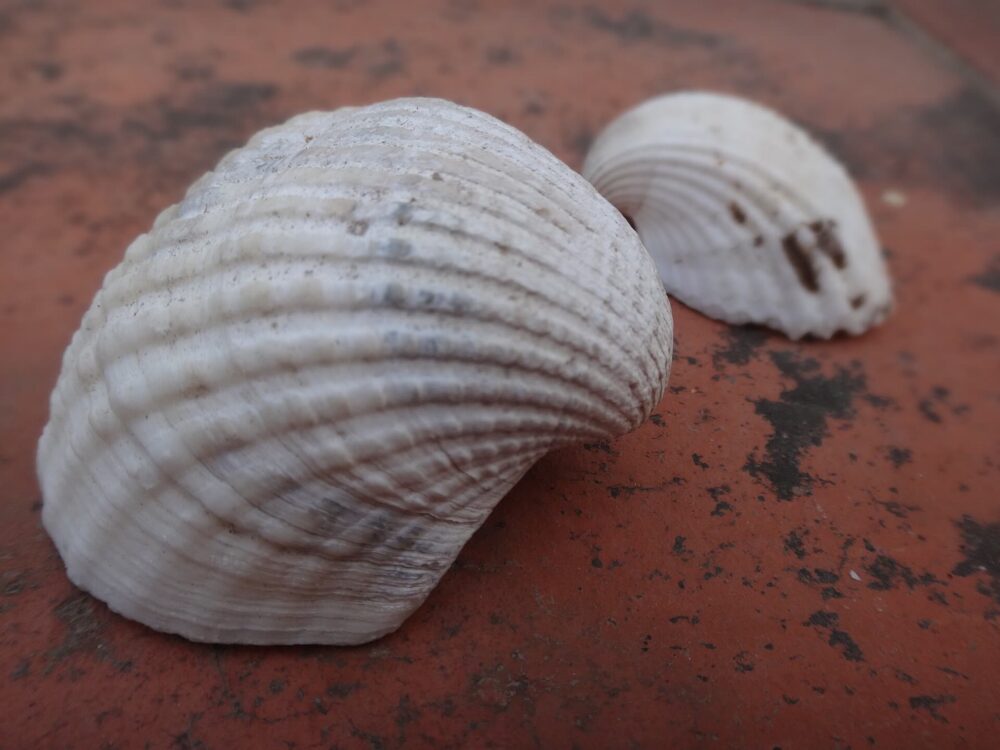
Search for “Amazon sea shells” and you’re not entering a special program—you’re just hitting Amazon’s marketplace category for shell products. You’ll see bulk mixed assortments for décor, single large conch shells, flat shells for crafting, and specialist storefronts. Amazon is excellent for fast, small-to-medium retail packs and one-off statement pieces. It’s less efficient if you need consistent, large-volume shells for a craft or décor business.
This guide looks at how Amazon’s shell listings are structured, how that differs from wholesale and niche suppliers, and which platform route fits best for hobby projects, Etsy-scale resale, or a small brand.
What “Amazon Sea Shells” Actually Means for Buyers
On Amazon, “sea shells” is a search term and a loose category, not a curated program or brand. When you search, you’ll typically see a few main listing types:
- Bulk mixed shell packs. Listings such as White Mixed Beach Seashells or Super Z Outlet mixed seashells showcase pre-packed assortments marketed for beach décor and crafts. These usually combine different shell shapes and a few starfish or decorative pieces in one bag.
- Single large decorative shells. Search pages for large or big seashells (for example, Large Seashells or big seashells) highlight individual conch, murex, or fox shells used as centerpieces, vase fillers, or themed décor.
- Craft-focused assortments. Categories like flat sea shells for crafting surface small, relatively flat shells (scallops, clam shells, and mixed spiral shells) meant for gluing onto frames, trays, or jewelry blanks.
- Specialist storefronts. Sellers such as Nautical Crush Trading use Amazon as a storefront for higher-end collector shells, barnacles, and resin coral.
Review aggregators echo how buyers use these packs: mixed shell sets are often described as vase fillers, beach-theme party décor, wedding centerpieces, aquarium accents, and DIY craft material rather than commercial wholesale inputs.BestViewsReviews shell-pack page is a good example.
So “Amazon sea shells” really means:
- You’re buying retail-ready packs from many different sellers.
- Packs are built around mixed aesthetics, not tight spec control.
- Amazon itself is just the platform; quality, uniformity, and ethics vary seller by seller.
Retail vs Wholesale Platforms for Sea Shells
If you’re a hobbyist, Amazon’s model usually works fine. If you’re a small business, it helps to understand how that retail model compares with wholesale marketplaces and niche shell suppliers.
How the retail marketplace route works (Amazon, Etsy, etc.)
Retail marketplaces like Amazon list individual products from thousands of sellers. For sea shells, that typically means:
- Lower MOQs in pack form. You buy a bag, box, or single shell. The pack might contain many pieces, but it’s priced and marketed as a retail item.
- Mixed assortments and aesthetics. Packs emphasize variety of color and shape for décor impact rather than tight grading.
- Fast, simple purchasing. You add to cart, pay retail pricing, and the platform handles checkout.
Niche shell guides, including a DHgate editorial overview of online shell stores, point out that similar retail-style shell products are also sold via Etsy and jewelry/bead sites (The Bead Chest, Fire Mountain Gems, etc.). These often sit between pure hobby retail and small-batch “semi-wholesale” for makers.
How wholesale and specialized shell suppliers differ
Wholesale marketplaces and dedicated shell suppliers operate on a different logic:
- Price scales with quantity and consistency. You negotiate or select pricing based on volume and type, aiming for predictable unit cost.
- Specific species, sizes, and grades. You can request “X size cowrie, top-cut, polished” or “matched scallop shells for plating,” instead of a decorative mix.
- Ongoing supplier relationships. You might reorder the same line repeatedly for a catalog or brand.
Editorial coverage of shell sourcing for jewelry notes that specialized bead and shell sites are often better if you care about specific species, durability, and ethical sourcing—for example, cowrie, abalone, or scallop shells in repeatable cuts and finishes.DHgate blog’s shell-sourcing piece uses this framing.
A market-analysis snapshot of US shell sales shows products spread across Amazon and other platforms, while cross-border marketplaces handle much of the large-volume trade.ASInsight’s sea shells market page reflects this multi-channel landscape.
Quick comparison: Amazon retail vs wholesale/niche routes
| Use case dimension | Amazon retail shell listings | Wholesale marketplaces / niche shell sites |
|---|---|---|
| Typical order size | One pack or a few packs per order | Cartons, repeat bulk orders, or custom lots |
| Shell mix vs uniformity | Mixed assortments, visually varied | Specified species, sizes, finishes; more uniform |
| Best fit | Hobby crafts, quick décor, small experiments | Ongoing product lines, brand-quality jewelry/décor, higher-volume resale |
| Sourcing control | Limited: you choose packs by photos and reviews | Higher: choose exact types; often discuss needs with supplier |
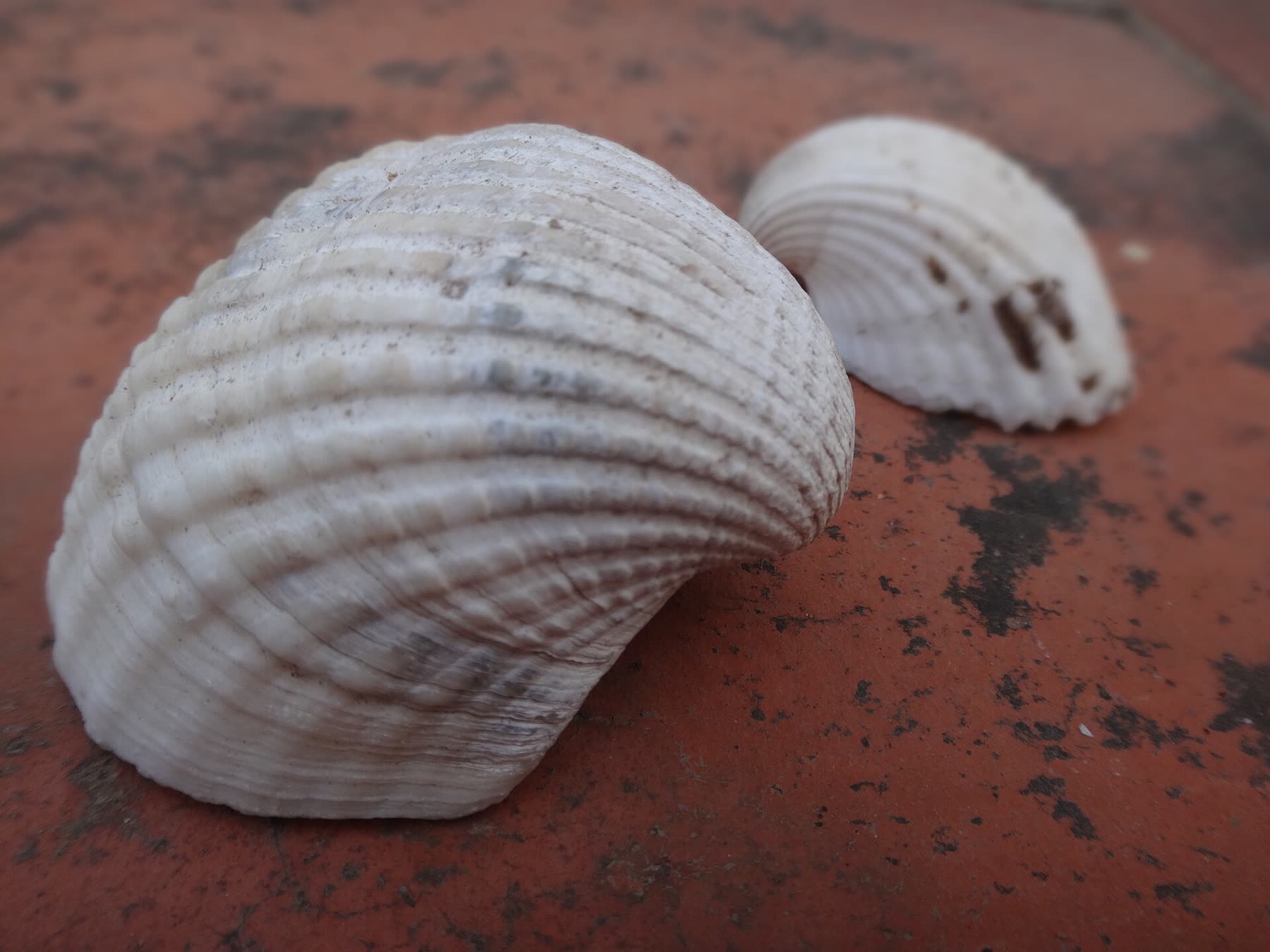
Choosing the Right Platform for Your Shell Project or Business
The practical question is less “Are Amazon sea shells good or bad?” and more “Does Amazon’s retail model match what I’m doing?” Here’s how to think about it.
Hobby crafter or one-off event décor
If you’re:
- Filling a few vases for a beach-themed wedding,
- Decorating a bathroom or living room,
- Making a limited batch of DIY gifts,
then Amazon is usually the easiest route:
- Mixed packs like the 2 lb assortments or 100+ piece sets visible in the best-seller and décor categories are designed exactly for this.Amazon mixed-shell category and BestViewsReviews’ examples show typical use.
- You don’t need tight uniformity; a bit of variation actually looks better.
Platform-wise: Amazon, Etsy, and craft-store sites all fall into this retail bucket. You choose mostly on pack aesthetics and convenience.
Etsy seller or small décor/jewelry brand
If you’re:
- Selling shell jewelry or décor on Etsy,
- Producing small collections seasonally,
Amazon can still play a role, but with limits:
- It’s fine for prototyping or limited runs—buy a few different packs, test designs, and see what sells.
- For ongoing lines, relying only on Amazon packs means variable shell mix and retail pricing that eats your margin.
Here, you might want to mix channels:
- Use Amazon for inspiration pieces and quick top-ups.
- Gradually shift your main supply to niche shell sites or wholesale marketplaces that let you specify shell type and re-order reliably.
Small brand needing real bulk and consistency
If you’re:
- A décor or jewelry brand needing thousands of similar shells a year,
- Building packaged products that rely on consistent shell size and color,
then Amazon is mostly a research tool, not your core supply chain. You can:
- Use Amazon and review sites to see which shell aesthetics resonate with shoppers.
- Then move to wholesale/cross-border channels that handle genuine bulk.
Cross-border marketplaces like Alibaba and AliExpress are common routes here. DHgate is another such marketplace: it lists many craft and décor components from global suppliers and can be relevant once you’re ready to explore bulk shell assortments or shell-based components. Because DHgate is only one option among several, it’s worth reading an overview of how it works as a marketplace before treating it as a main channel.What DHgate is and how the marketplace works explains that structure at a high level.
For broader context on how Amazon, Etsy, Alibaba-style wholesale sites, and cross-border marketplaces differ, you can also look at DHgateWiki’s platform comparisons, such as online marketplaces and shopping platforms and DHgate vs AliExpress, Alibaba and Temu.
A quick word on ethics and quality
Sea shells are a natural resource. Editorial guides about shell sourcing for jewelry emphasize:
- Checking whether shells are naturally collected vs. harvested in ways that affect local ecosystems.
- Preferring suppliers who discuss origin, collection practices, and cleaning openly.
Retail marketplaces like Amazon don’t standardize these details across sellers, so you’ll need to evaluate individual listings and brands. Specialist shell sites and some wholesale suppliers are more likely to talk about sourcing explicitly, which can matter if your brand leans on sustainability.
In short: use Amazon shells for speed, variety, and experiments—but if you find yourself buying “wholesale” quantities at retail prices, or fighting inconsistent batches, that’s a signal to start learning the wholesale and niche-supplier side of the shell world.